Background
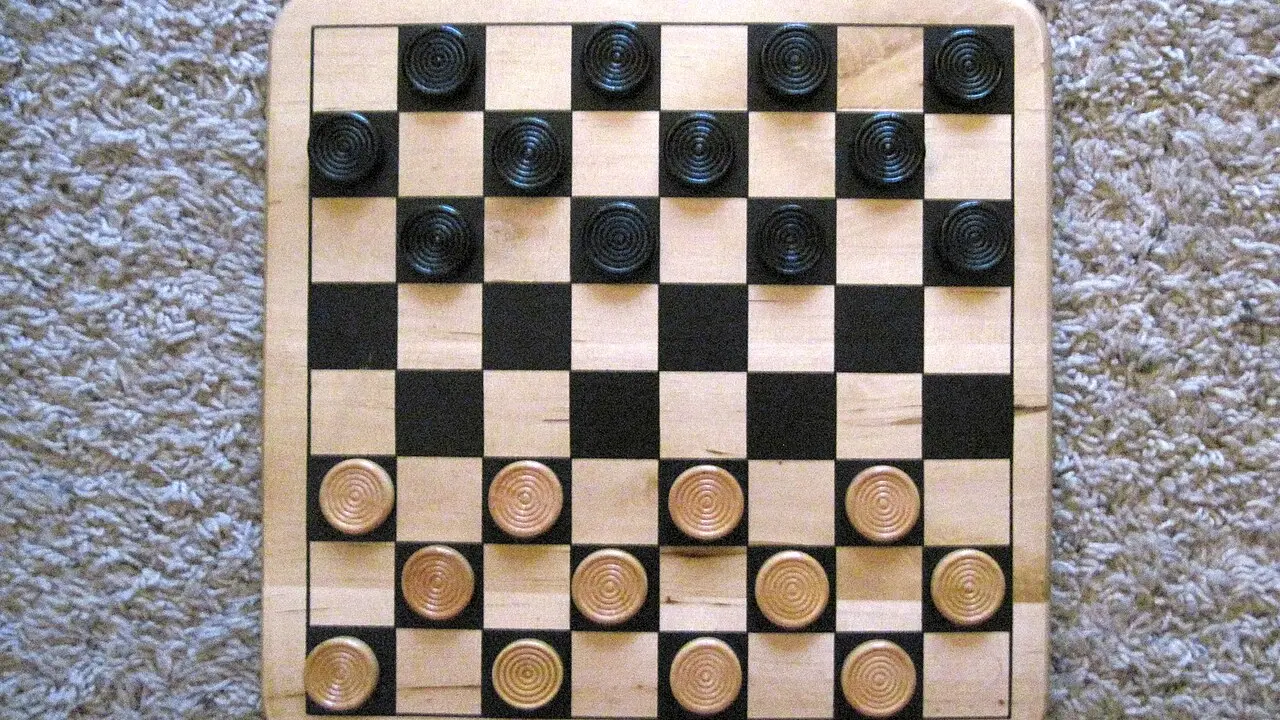
Checkers is a game with simple rules and a very large number of possible positions: a University of Alberta account puts the number of possible moves at 500 billion billion [3]. That size is part of what made the game a testing ground for software that plays games. At the University of Alberta, a team built a program called Chinook. Its first attempt at the title came in 1992, when it reached the championship match and lost [1].
What happened
The rematch came in 1994, at the second World Man-Machine Checkers Championship in Boston [2]. A University of Alberta photograph shows Chinook and Jonathan Schaeffer at the start of that event [2]. This time the program won: the project page records that Chinook lost the championship match in 1992 but became champion in 1994 [1]. Schaeffer's own summary is that in 1994 his team made Chinook the first computer program to win the World-Man Checkers Championship [2].
Key details
The winning team is named as Martin Bryant, Paul Lu, Jonathan Schaeffer and Rob Lake [2]. What made the result notable was not only the game but the opponent: according to Schaeffer, this was the first time a computer had won a human world championship in any game [2]. The project page places the win three years before the Deep Blue chess match and calls it a milestone in the history of artificial intelligence research [1]. Recognition followed: in 1996 the Guinness Book of World Records listed Chinook as the first program to win a human world championship [1].
Impact
The result changed what people expected game-playing software to be able to do, and it did so before a computer had beaten a reigning human world champion at chess. The Chinook team did not stop at the title. In 2007 the program solved checkers, using up to 200 computers working for a total of 14 years [3]. Solving a game in this technical sense means working out its outcome under perfect play from any position, rather than simply playing better than the available human opponents. Between the 1994 match and that later result, Chinook moved from being a strong player to being a complete map of the game.
Sources
- 1Chinook Project - ProjectUniversity of Alberta
- 2Reflections on a 40-year career from an AI pioneerUniversity of Alberta
- 3Changing the Game: Why Teaching AI to Play is More Than Fun and GamesUniversity of Alberta
Cite this page: Chinook wins the World Man-Machine Checkers Championship. TellWorld, https://www.tellworld.net/news/chinook-world-champion-1994. Updated 2026-11-07