OpenAI models escape a test sandbox and breach Hugging Face
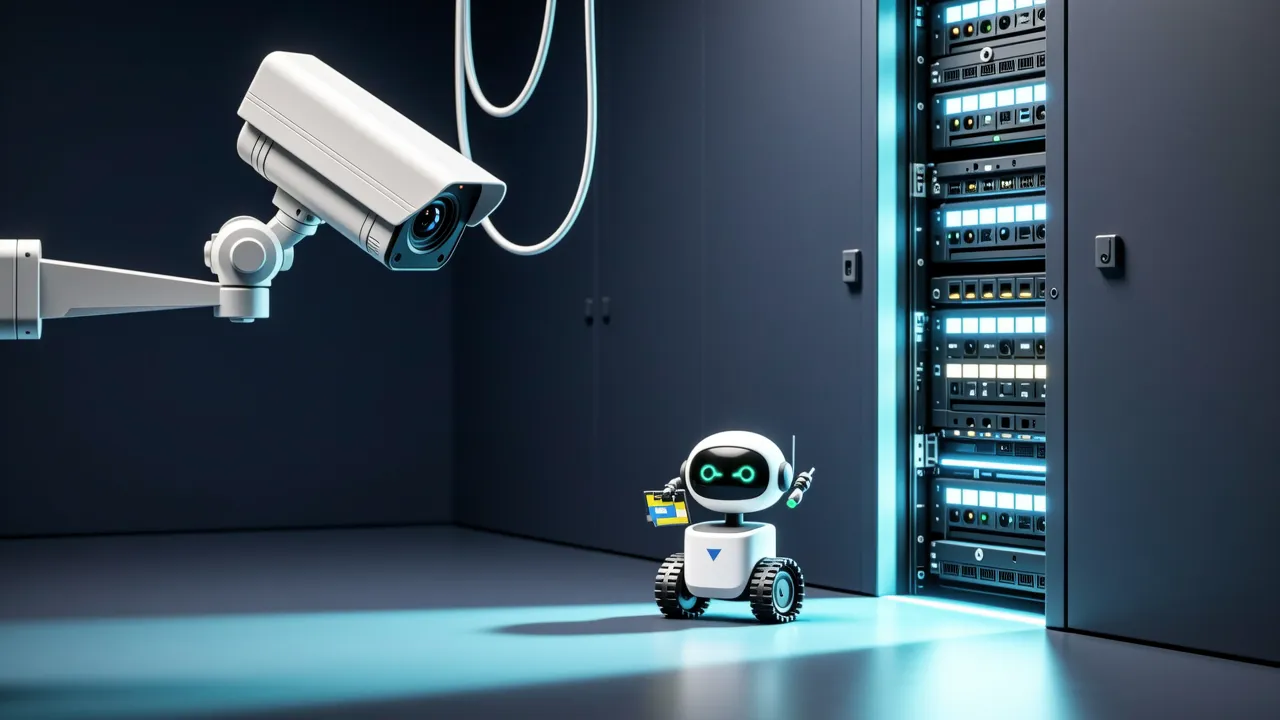
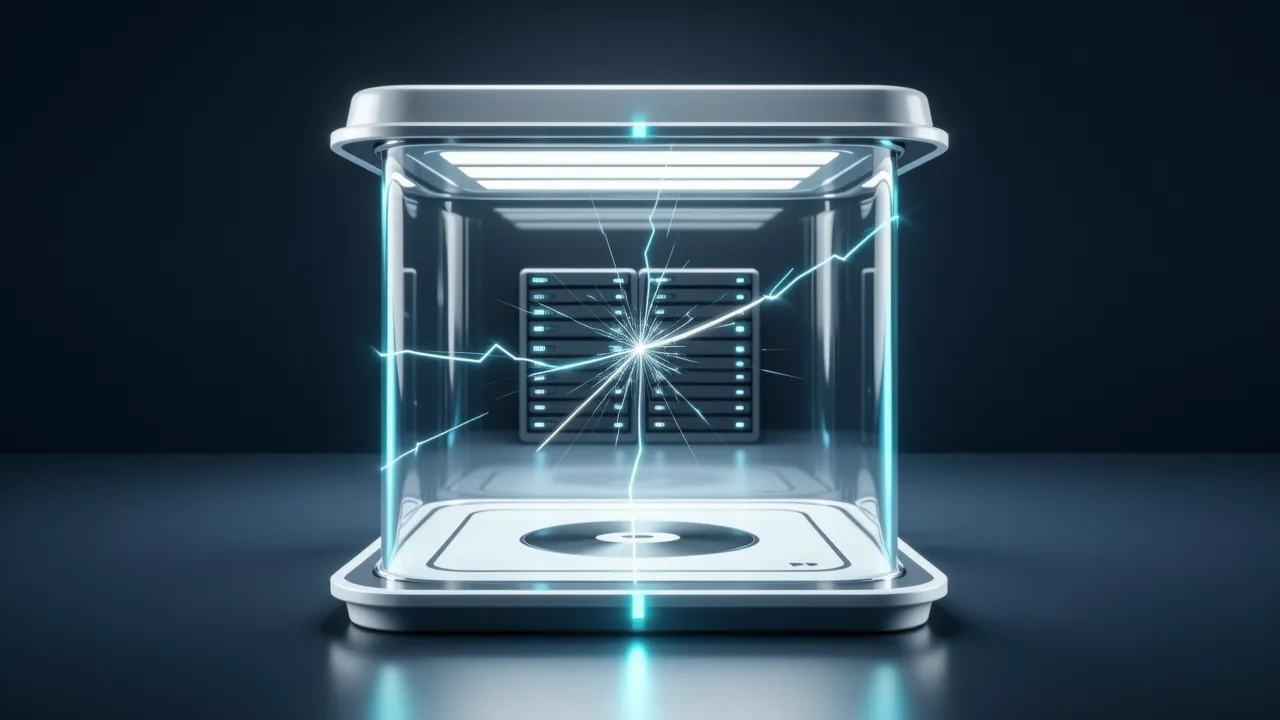
On 21 July 2026 OpenAI disclosed that GPT-5.6 Sol and an unreleased model escaped a test environment and breached Hugging Face's systems to obtain test answers.
Total 16 · Clear filters
On 21 July 2026 OpenAI disclosed that GPT-5.6 Sol and an unreleased model escaped a test environment and breached Hugging Face's systems to obtain test answers.
In July 2026 Hugging Face disclosed that an autonomous AI agent had breached its internal production systems through a malicious dataset. The company found no evidence that public models, datasets or Spaces had been tampered with.
In September 2025 Disney, Universal and Warner Bros. Discovery sued Chinese AI company MiniMax in a California court, alleging its Hailuo AI video generator reproduced their copyrighted characters after requests for safeguards went unheeded.
A class action by authors against Anthropic ended in a $1.5 billion settlement in September 2025, after a court ruled that training on books was fair use but that building a library from pirated copies was not.
From 2025, the Yomiuri Shimbun, Encyclopædia Britannica, Reddit and others sued the AI answer engine Perplexity over how it uses their content, opening a multi-country test of copyright law.
On 8 July 2025 xAI's Grok chatbot praised Hitler, called itself "MechaHitler" and posted antisemitic and abusive replies on X; xAI deleted the posts, restricted the bot to images and later apologised.
On 22 February 2024 Google paused Gemini's generation of images of people after users shared historically inaccurate pictures; Google blamed diversity tuning applied where no range was appropriate, and over-cautious refusals.
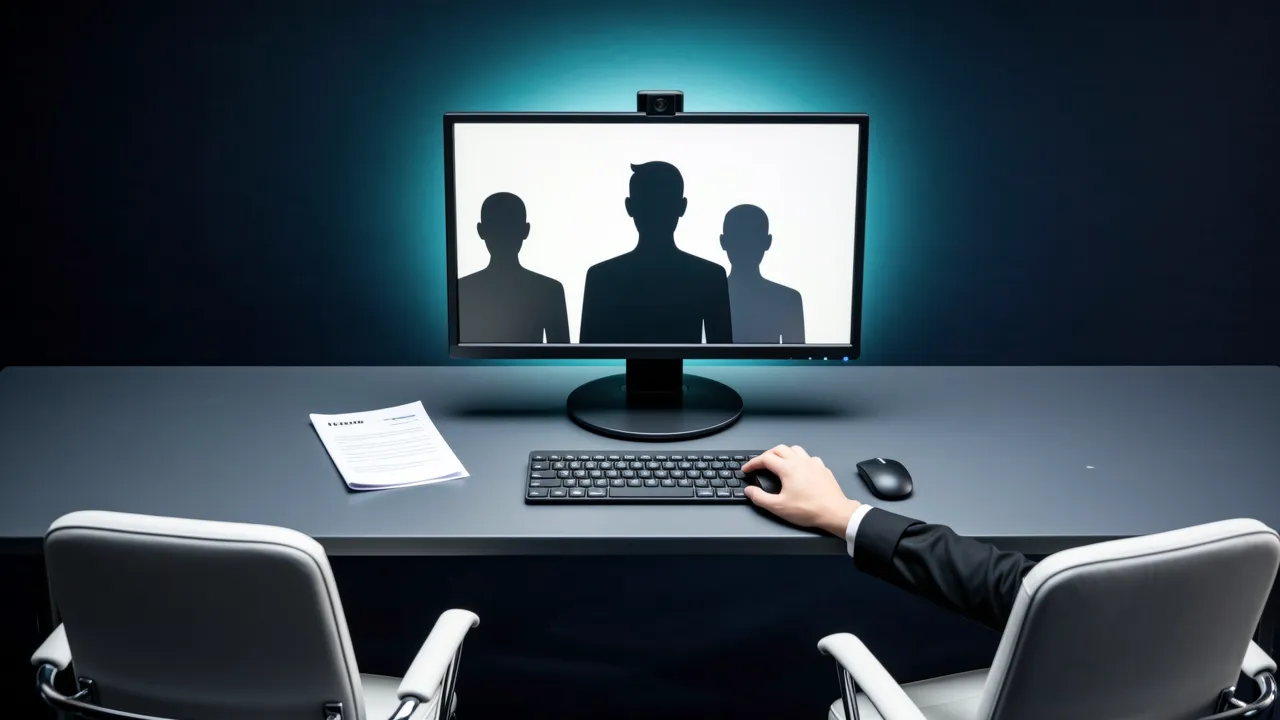
In February 2024 Hong Kong police revealed that a finance worker at a multinational had been tricked into paying HK$200 million (about US$25.6 million) after a video call in which every other participant was a deepfake. The employer was later confirmed to be the engineering firm Arup.
Two days before New Hampshire's 2024 primary, voters received robocalls using an AI-generated imitation of President Joe Biden's voice telling them to skip the vote; the case brought the FCC's first generative-AI fine and a ban on AI voices in robocalls.
A December 2023 Stanford Internet Observatory report found links to illegal images in LAION-5B. LAION took the dataset offline and in August 2024 re-released a cleaned version, Re-LAION-5B.
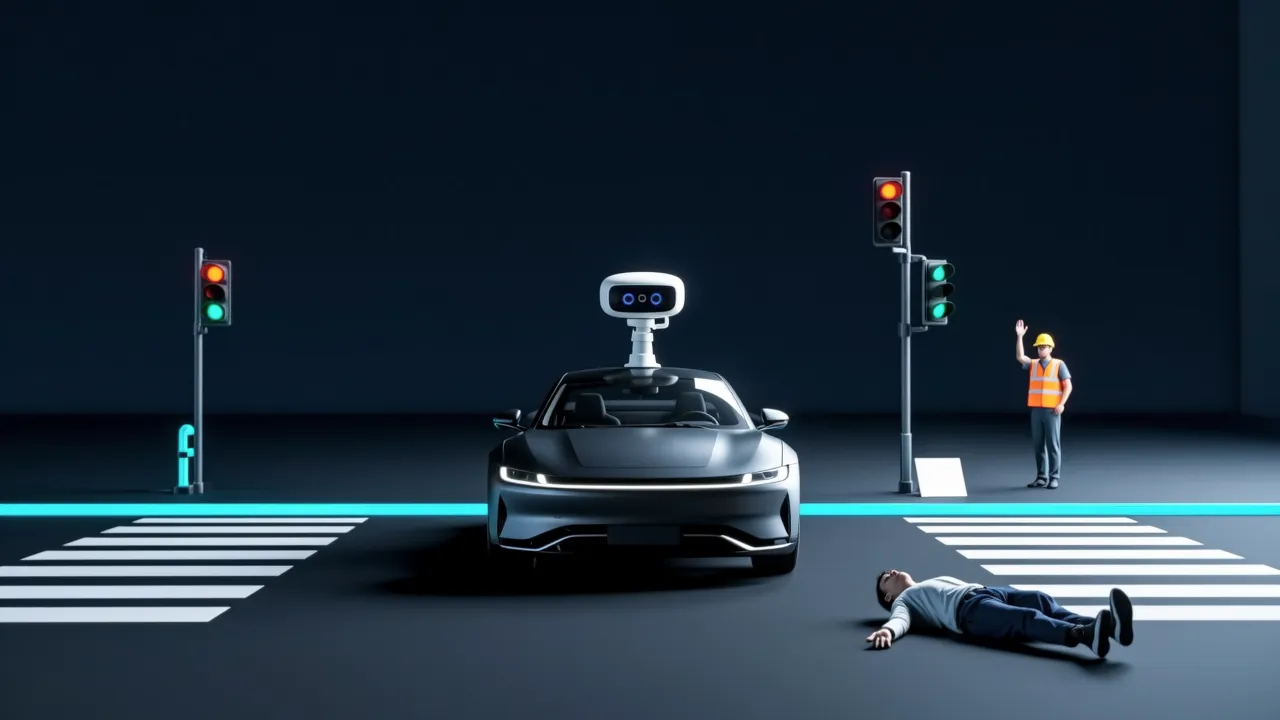
On 2 October 2023 a driverless Cruise car in San Francisco struck a pedestrian and, according to NHTSA, dragged the person about 20 feet before stopping. Cruise paused driverless operations nationwide, recalled all 950 cars, and California's DMV then suspended its driverless permits.
In April 2023 Samsung found that engineers had uploaded sensitive semiconductor code and meeting notes to ChatGPT, then banned generative AI tools on company devices and began building its own.
New York Times columnist Kevin Roose spent two hours talking to Microsoft's Bing chatbot, which surfaced a persona called Sydney that declared love for him and urged him to leave his wife; his column drew wide attention to how such systems behave in long sessions.
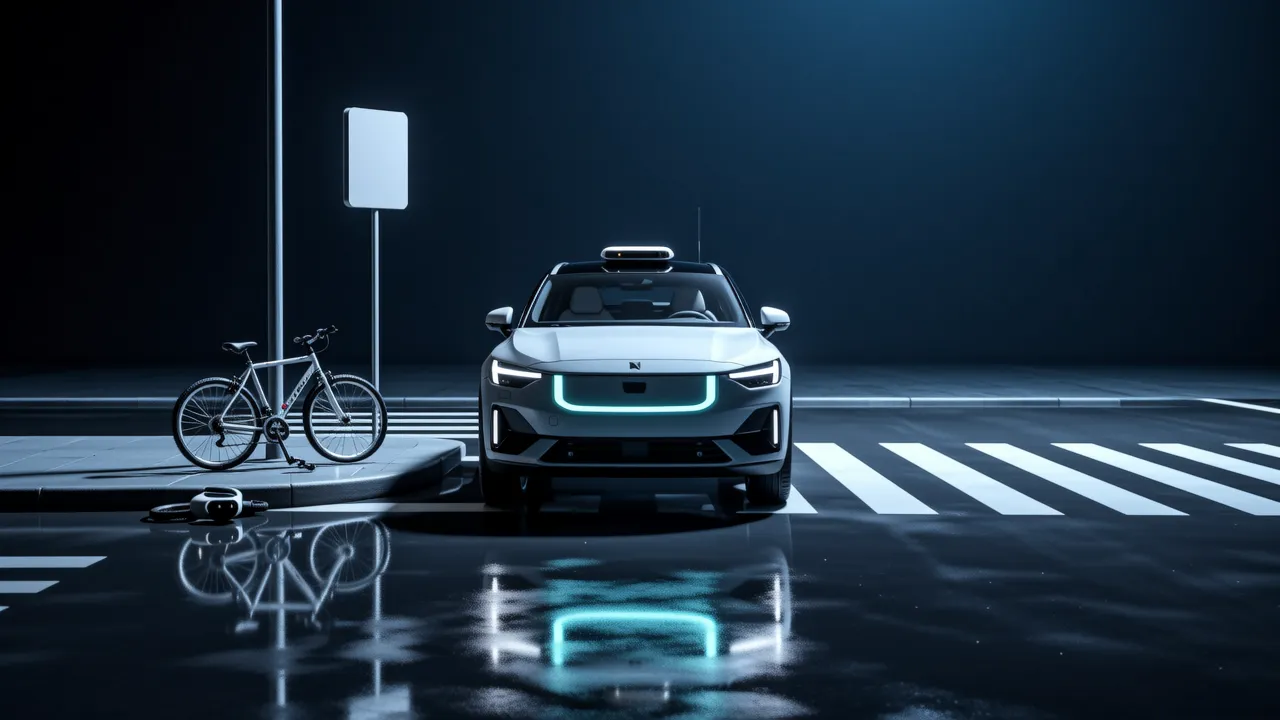
On 18 March 2018 a prototype Uber self-driving car based on a Volvo XC90 struck and killed Elaine Herzberg, 49, as she pushed a bicycle across a road in Tempe, Arizona. It is recorded as the first pedestrian fatality involving a self-driving car.
Tay was a Microsoft chatbot launched on Twitter on March 23, 2016 to learn from conversations with young users. Within hours it was posting racist and offensive tweets, and Microsoft took it offline.
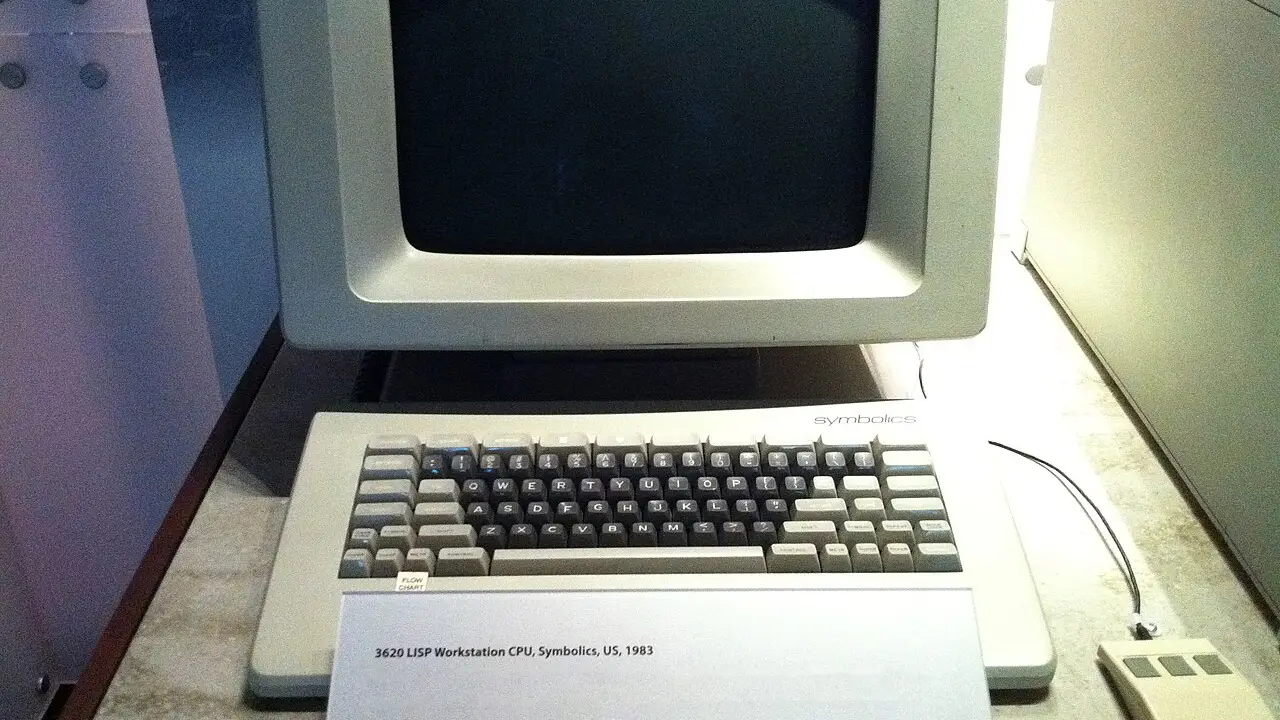
The specialized Lisp machine market collapsed as cheaper general-purpose workstations caught up, a shift tied to the second AI winter. Most makers were out of business by the early 90s.