1993–2011 · 89 key events · 66 related people, organisations and concepts
Statistical learning
Machine learning, larger datasets and the web change how systems are built.
1993
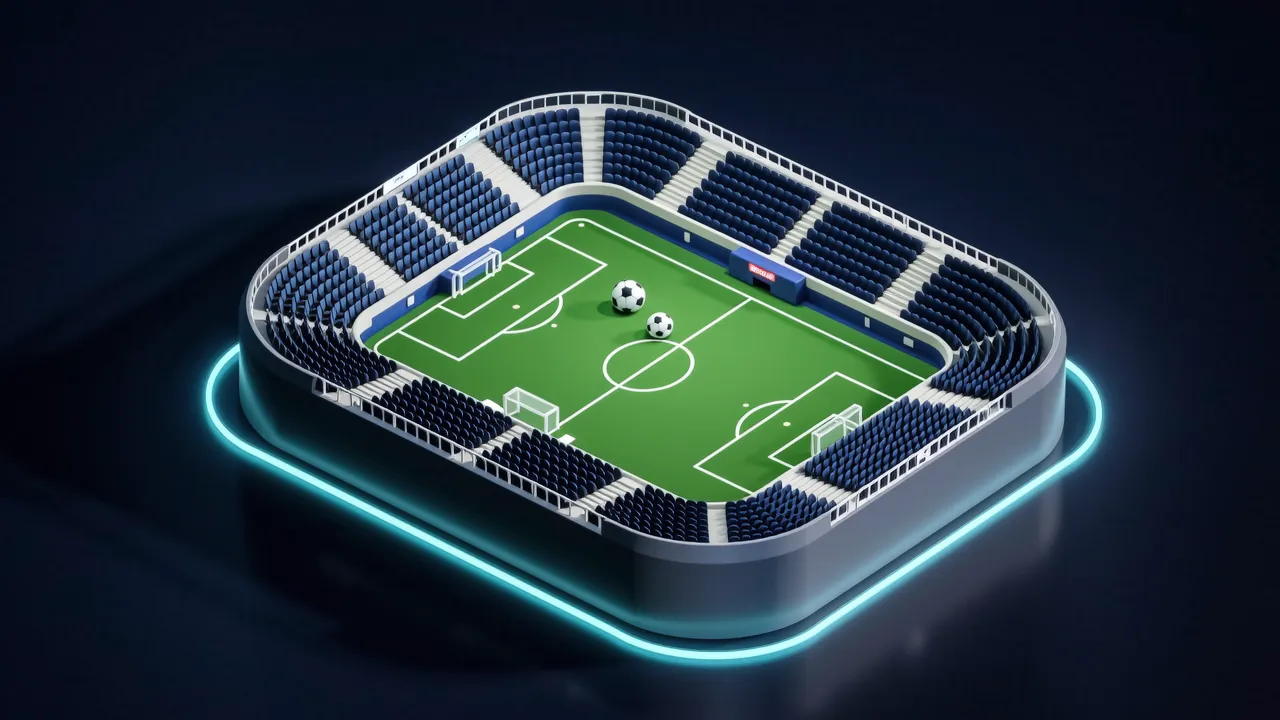
The Robot World Cup Initiative is launched
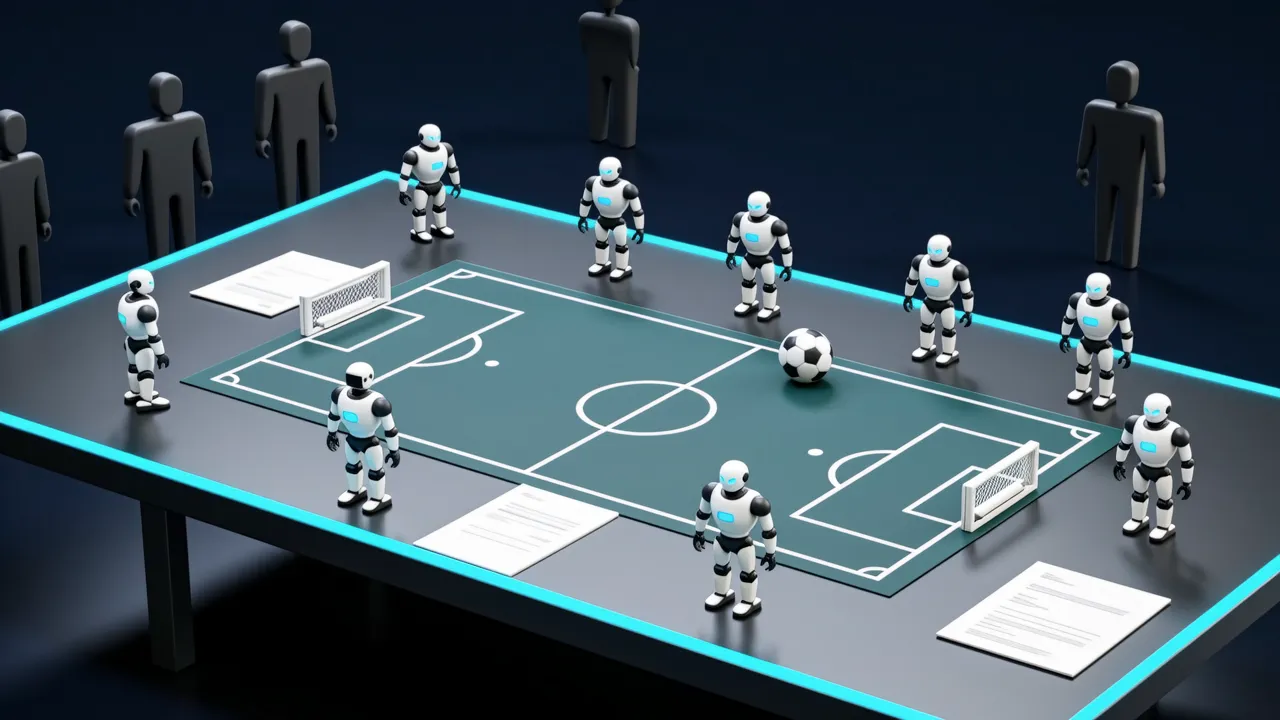
In June 1993, researchers including Minoru Asada, Yasuo Kuniyoshi and Hiroaki Kitano proposed a robot soccer competition tentatively called the Robot J-League. International interest soon led to its renaming as the Robot World Cup Initiative, or RoboCup.
Apple licenses ParaGraph cursive handwriting recognition for Newton
In June 1993, Apple's Personal Interactive Electronics division signed an agreement with ParaGraph International to use ParaGraph's cursive handwriting recognition technology in the Newton family, with further development planned at ParaGraph's Sunnyvale facility.
Apple ships the Newton MessagePad
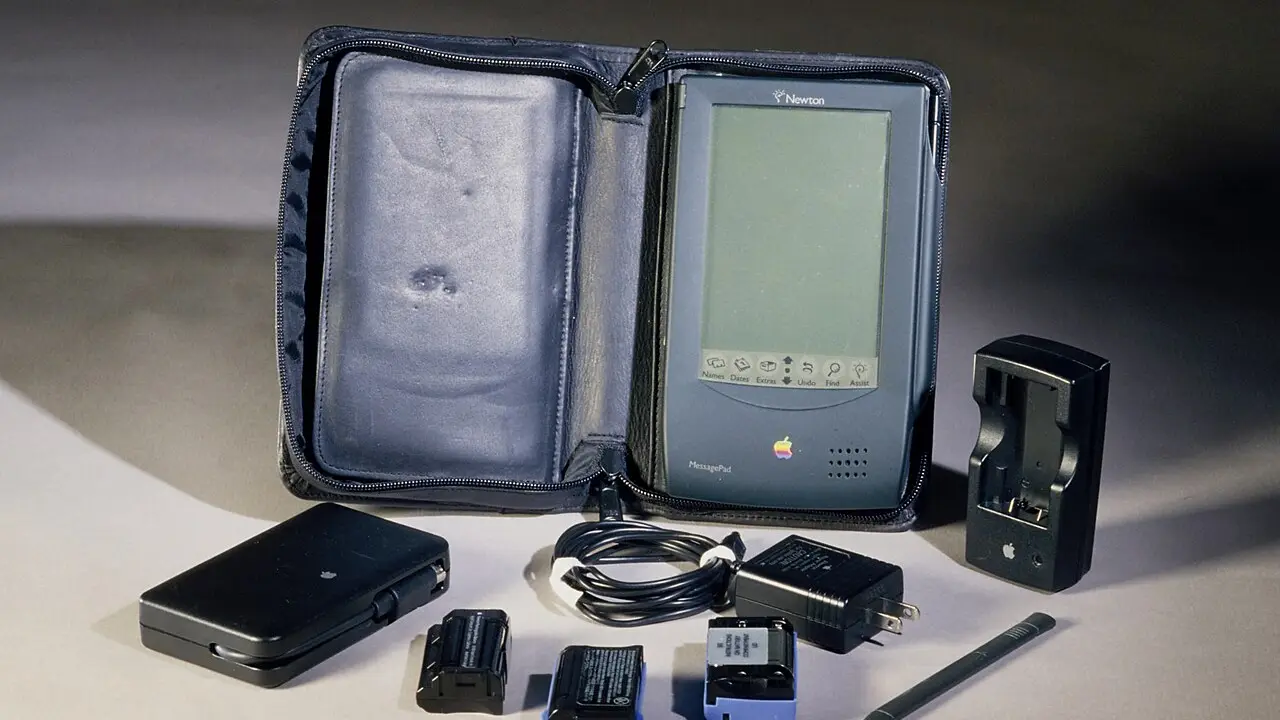
On August 2, 1993, Apple shipped the Newton MessagePad, the first product built on its Newton technology and the company's first handheld computing device. Its troubled launch contributed to John Sculley's replacement as CEO by Michael Spindler.
1994
Chinook wins the World Man-Machine Checkers Championship
In 1994 the University of Alberta's Chinook became the first computer program to win a human world championship in a board game, taking the World Man-Machine Checkers Championship in Boston.
Edward Feigenbaum and Raj Reddy receive the 1994 ACM Turing Award
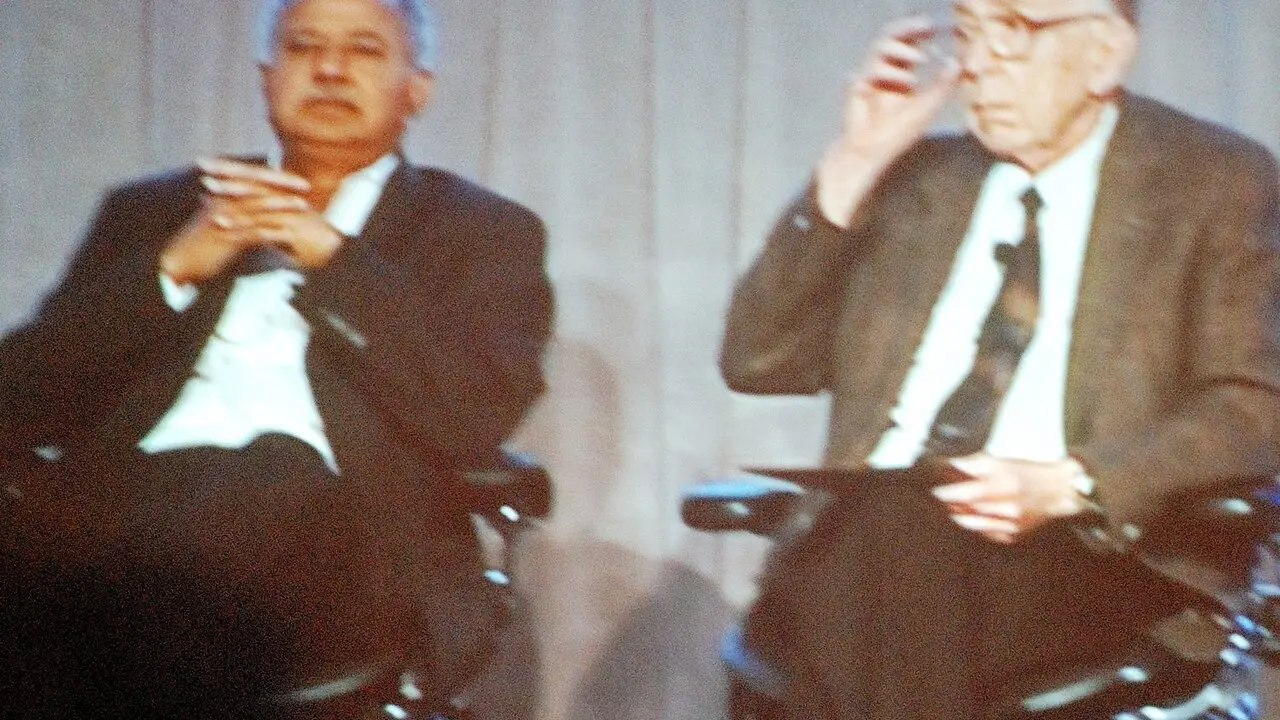
In 1994 the ACM gave its A.M. Turing Award jointly to Edward Feigenbaum, who built the pioneering expert systems, and Raj Reddy, whose Hearsay I was the first system able to recognize continuous speech.
VaMP and VITA-2 demonstrate autonomous highway driving for PROMETHEUS
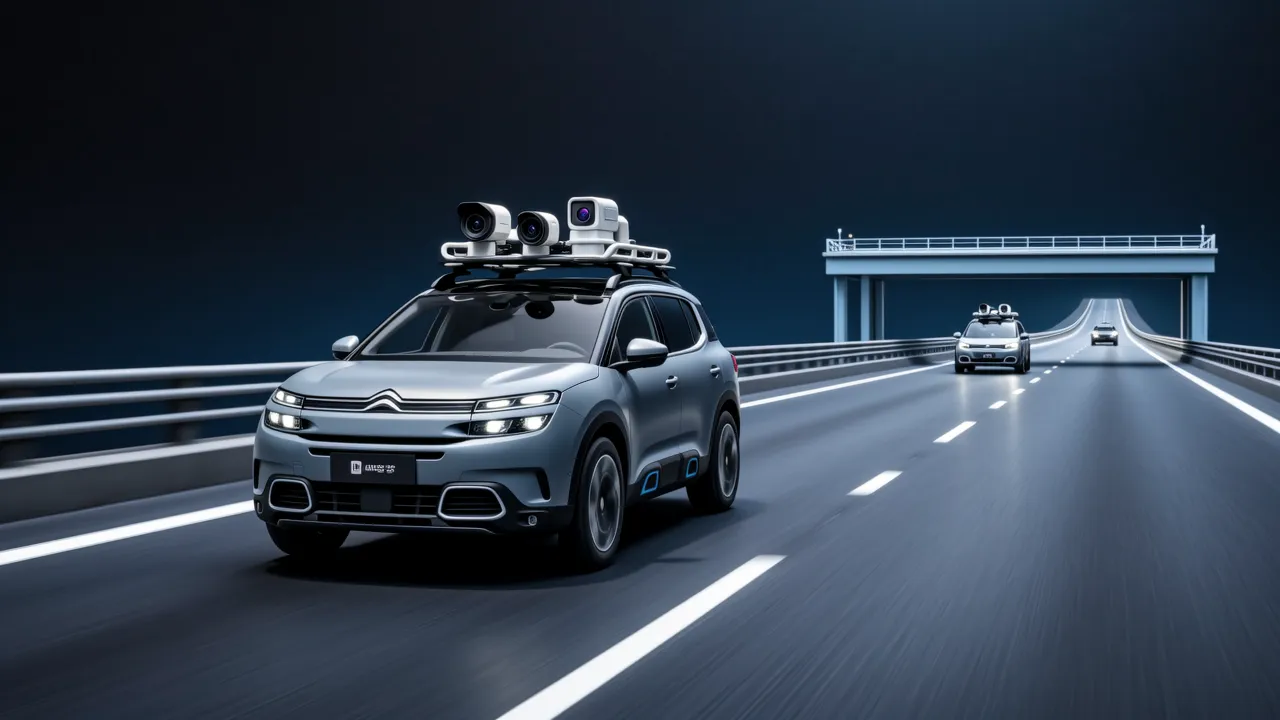
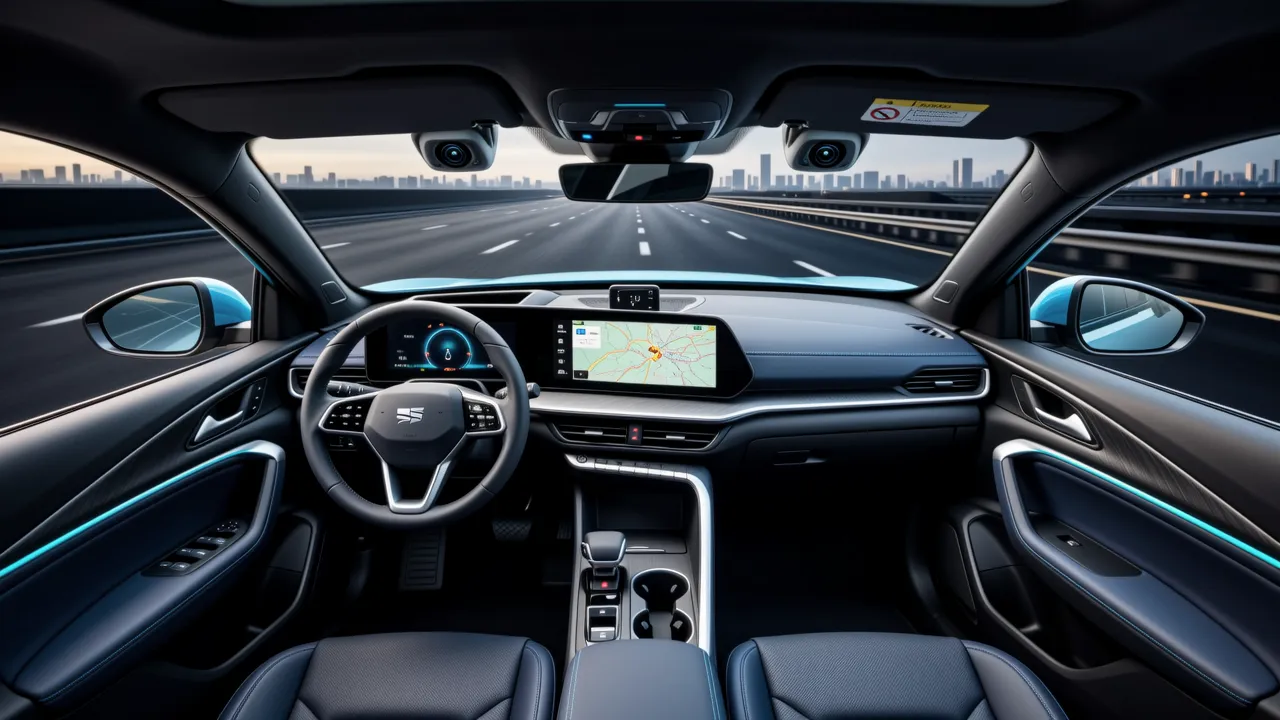
In October 1994 VaMP and VITA-2, research cars built by Ernst Dickmanns' team with Mercedes-Benz, closed the EUREKA PROMETHEUS programme by driving over 1,000 km in highway traffic, changing lanes and overtaking at up to 130 km/h with a safety driver aboard.
1995
Support-vector networks
Corinna Cortes and Vladimir Vapnik's 1995 paper presents a learning machine for two-group classification that maps inputs nonlinearly into a high-dimensional feature space, constructs a linear decision surface, and extends earlier work from separable to non-separable data.
VaMP drives from Munich to Copenhagen and back autonomously
In 1995 a Mercedes 500 SEL built by Ernst Dickmanns' team drove over 2,000 km from Munich to Copenhagen and back in traffic, using cameras only, reaching 180 km/h and averaging 9 km between human interventions.
IJCAI-95 announces the first Robot World Cup games
At IJCAI-95 in Montreal in August 1995, organizers announced the first Robot World Cup, to be held with IJCAI-97 in Nagoya, and set up Pre-RoboCup-96 plus the Soccer Server simulator.
1996
Deep Blue plays Garry Kasparov in Philadelphia
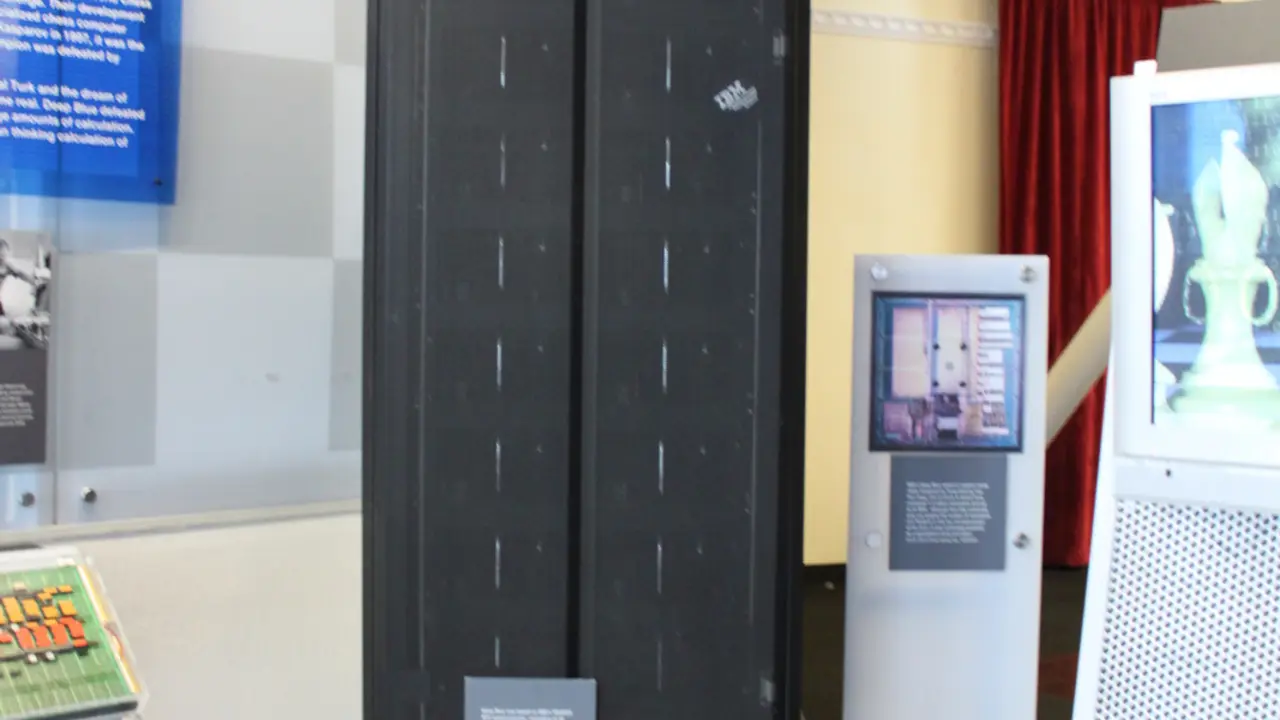
In February 1996 IBM's Deep Blue played reigning world champion Garry Kasparov in a six-game match in Philadelphia, winning game one before Kasparov took the match 4–2.
Pre-RoboCup-96, the first robot soccer competition
Held in Osaka in November 1996 alongside IROS-96, Pre-RoboCup-96 was the first robot soccer competition aimed at research and education, with eight simulation-league teams and a middle-size robot demonstration; official RoboCup games followed in 1997.
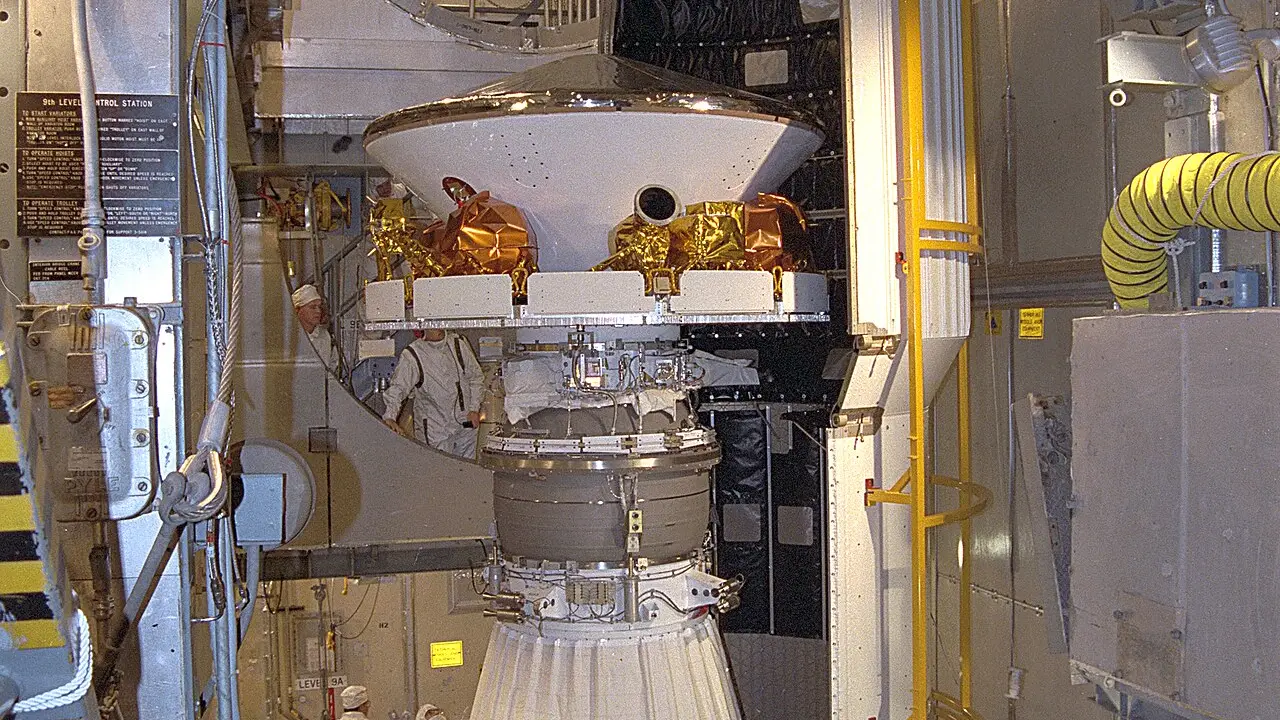
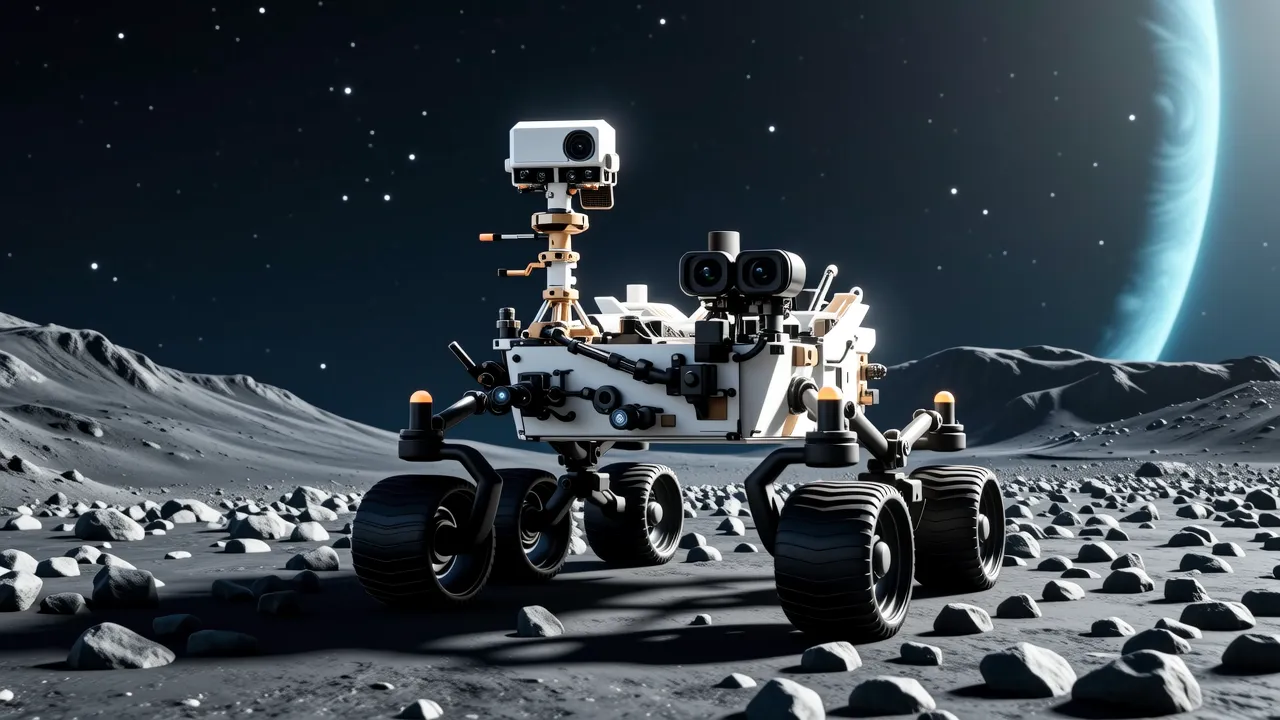
Mars Pathfinder launches with the Sojourner rover
Mars Pathfinder launched on December 4, 1996, from Cape Canaveral on a Delta II rocket, carrying a lander and the small rover Sojourner. Between them the two vehicles flew four instruments, one of them a spectrometer mounted on the rover itself.
1997
The first official RoboCup games and conference
The first official RoboCup games and conference, held in 1997 as planned with IJCAI-97 in Nagoya, drew more than 40 real and simulated teams and over 5,000 spectators, and marked the first step toward robotic soccer players that could beat a human World Cup champion team.
IBM Deep Blue defeats Kasparov in a match
In May 1997 IBM's Deep Blue beat world chess champion Garry Kasparov 3.5–2.5 in a six-game match in New York, the first time a computer defeated a reigning world champion under standard tournament time controls.
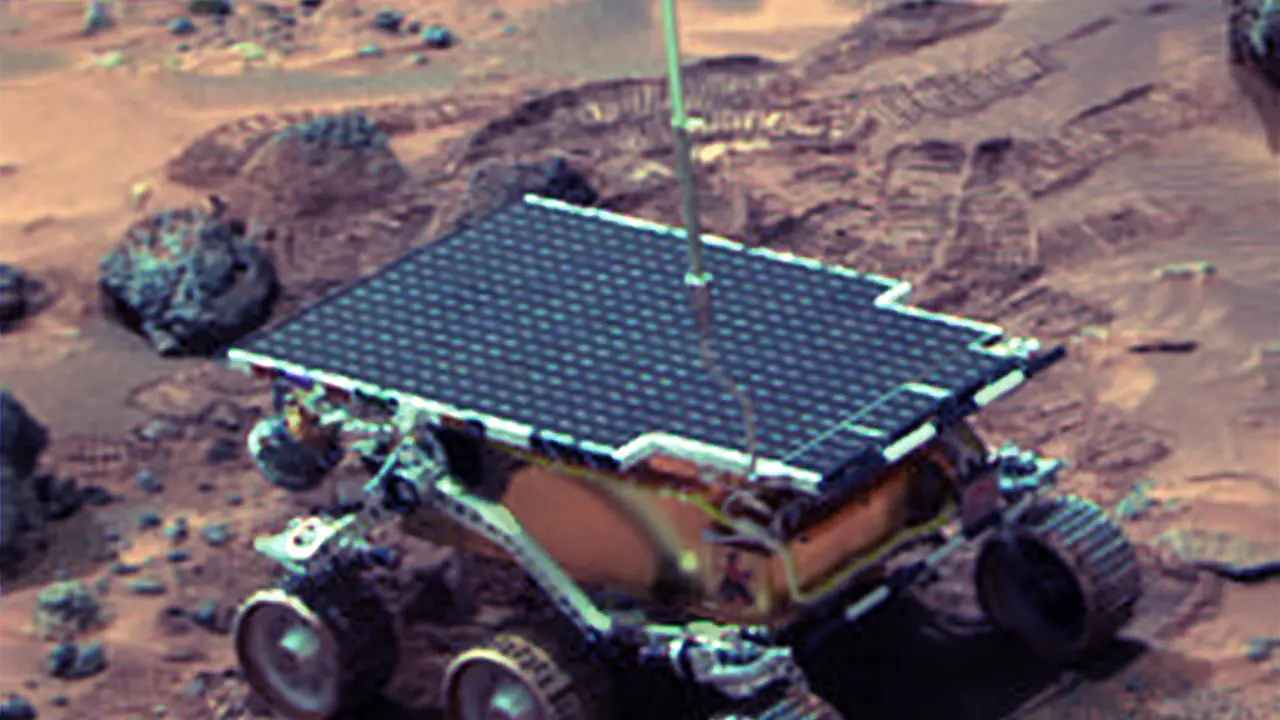
Mars Pathfinder lands and deploys the first planetary rover
On July 4, 1997, NASA's Mars Pathfinder landed on Mars and deployed Sojourner, the first wheeled vehicle operated on another planet, beginning an uninterrupted period in which at least one spacecraft has operated at Mars.
Long Short-Term Memory
Published in 1997 by Sepp Hochreiter and Jürgen Schmidhuber, the LSTM paper introduced a memory cell with gates and a "constant error carousel" that lets recurrent networks learn across long time gaps. It shaped the recurrent models that came before Transformers.
1998
MNIST database of handwritten digits
MNIST is a database of 60,000 training and 10,000 test images of handwritten digits, normalized to 28×28 pixels and described in the 1998 paper by LeCun and colleagues as a shared benchmark for document recognition.
The Anatomy of a Large-Scale Hypertextual Web Search Engine
A 1998 conference paper by Sergey Brin and Lawrence Page describing PageRank, an algorithm that ranks web pages by the number and quality of links pointing to them, and the search engine built on that algorithm.
Gradient-Based Learning Applied to Document Recognition
LeCun, Bottou, Bengio and Haffner’s 1998 review argued that learning systems should replace hand-designed features. It showed that convolutional networks such as LeNet-5 outperformed other methods on handwritten digits, and it introduced the MNIST dataset.
1999
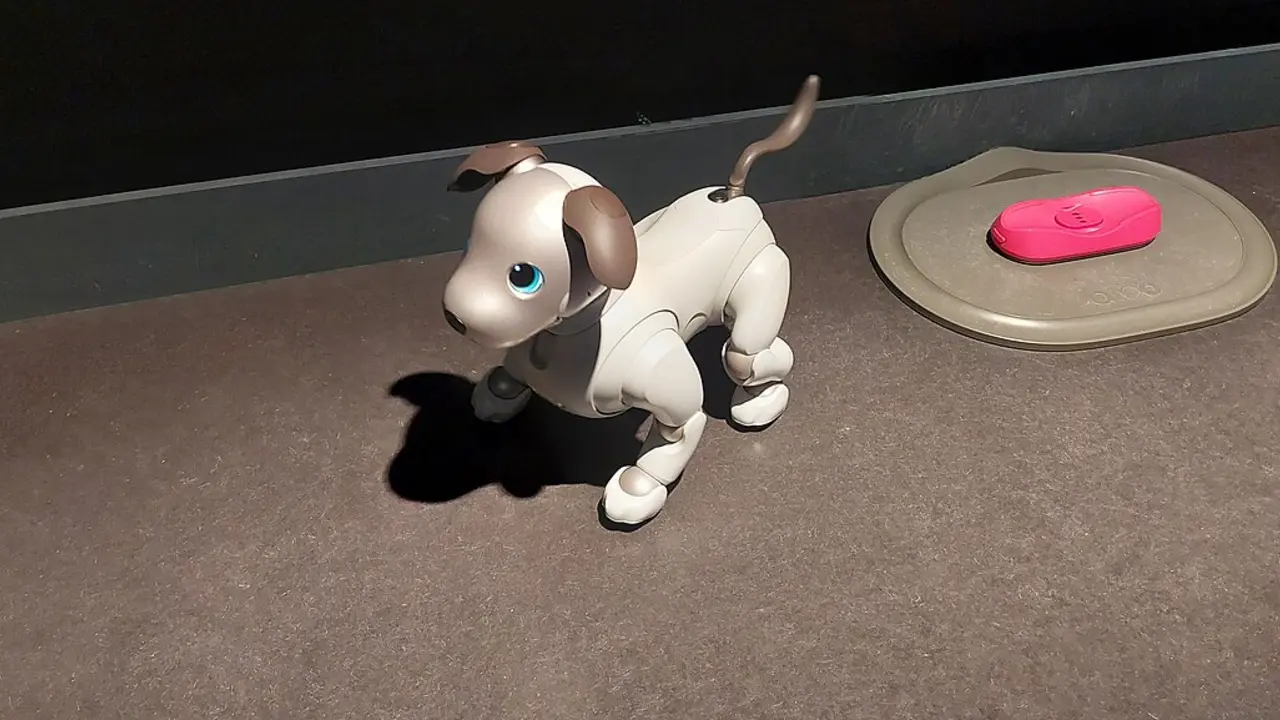
Sony rushes out the ERS-111 after AIBO sells out
Sony's AIBO ERS-110 sold out within 20 minutes of reservations opening; when many people asked for one of their own, Sony hurriedly released the ERS-111 half a year later, and its history page groups both under the 1999 model year.
The PageRank Citation Ranking: Bringing Order to the Web
Brin and Page's PageRank technical report treats hyperlinks as citations to rank web pages and was used to build Google's search engine; it is one of the heavily cited papers on their early work.
IBM launches the Deep Computing Institute
In 1999 IBM launched the Deep Computing Institute, building on its experience with Deep Blue to apply advanced computing to complex technological and business problems.
Sony announces AIBO, the first home entertainment robot
On May 11, 1999, Sony announced AIBO, a four-legged entertainment robot (model ERS-110) it called the first robot designed for home entertainment, to be sold only over the Internet in limited quantities in Japan and the United States.
AIBO becomes an Internet-only limited-edition product
On 1 June 1999 Sony opened Internet-only orders for AIBO, its four-legged entertainment robot, at 250,000 yen in Japan and USD 2,500 in the United States; the limited run of 5,000 units sold out in 20 minutes.
2000
Nomad autonomously searches for meteorites in Antarctica
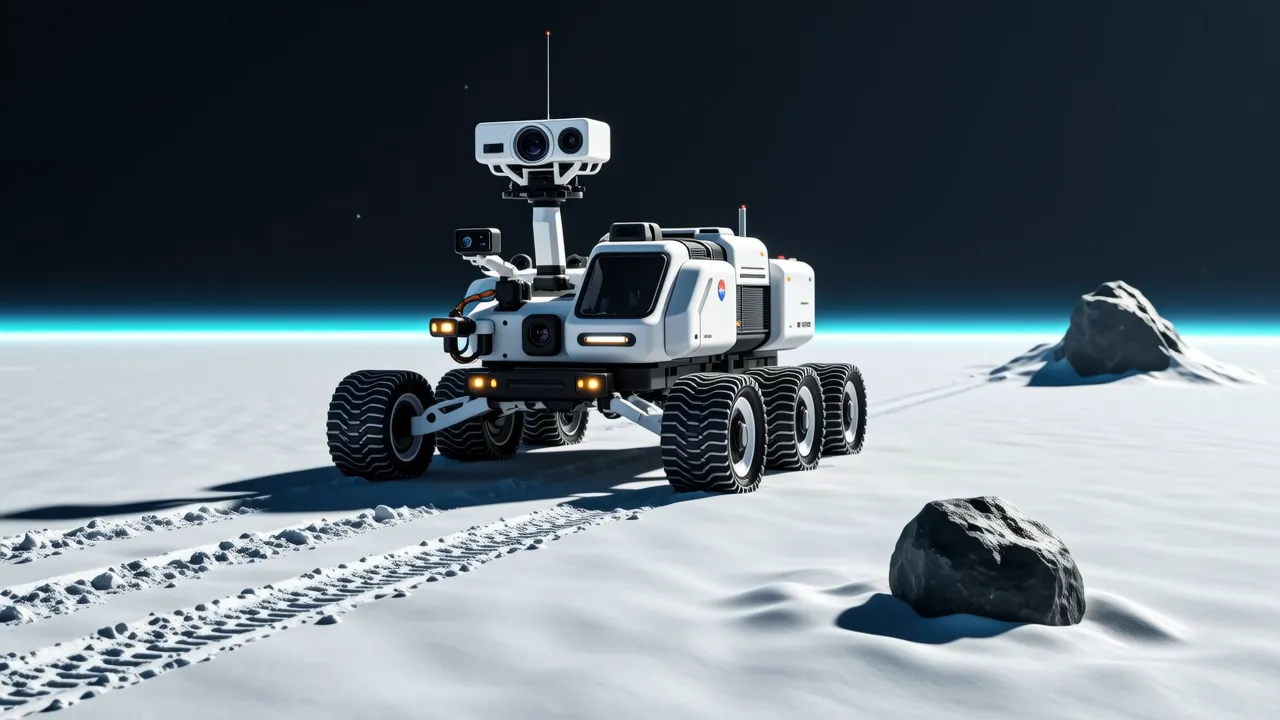
In January 2000, Carnegie Mellon announced that its NASA-funded rover prototype Nomad was searching for meteorites in Antarctica, and that the public could follow the hunt through the Big Signal Web site. The BBC reported the expedition as the first time a robot found extraterrestrial material on Earth.
Honda unveils ASIMO
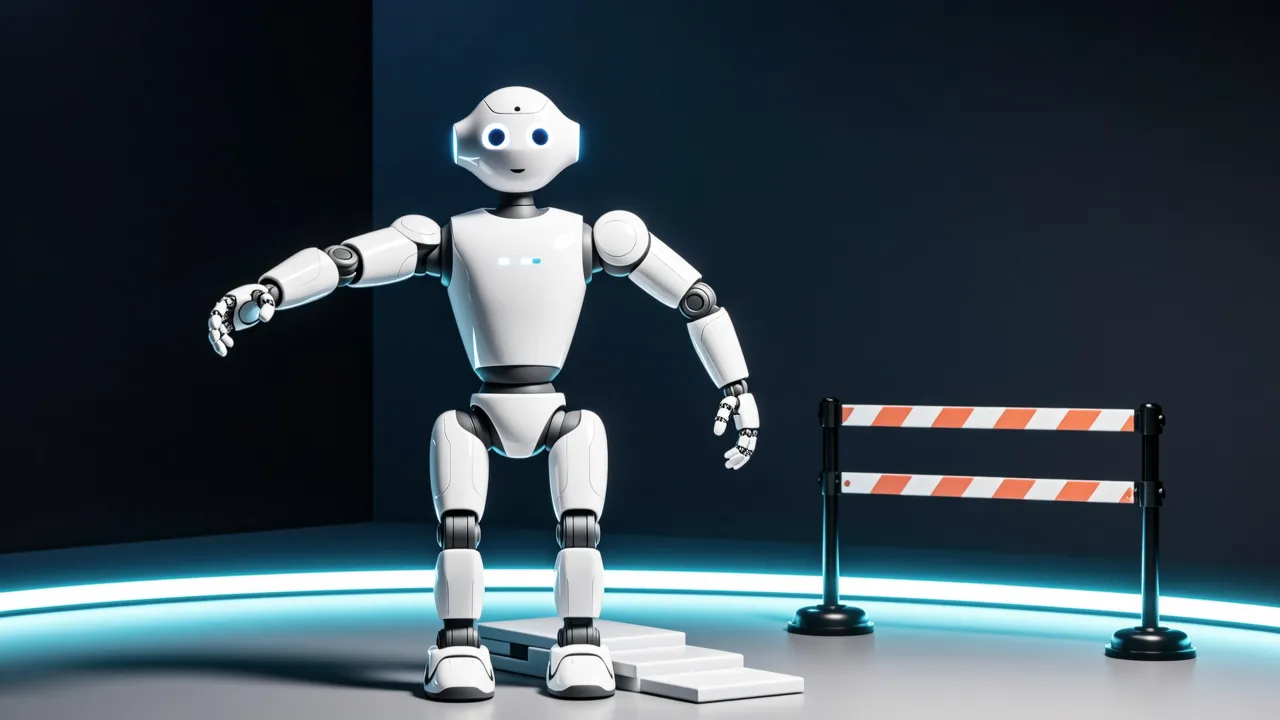
On 20 November 2000 Honda announced ASIMO, a 1,200 mm, 43 kg humanoid robot with 26 degrees of freedom, presented as a smaller, people-friendly evolution of its earlier P3 machine.
2001
Random Forests
Leo Breiman's 2001 paper defines random forests as combinations of tree predictors whose random vectors are sampled independently from the same distribution, analyzes generalization error through tree strength and correlation, and reports error rates competitive with Adaboost and more robust to noise.
PackBot robots search the World Trade Center site
In 2001 iRobot's PackBot carried out search operations at the World Trade Center site after the September 11 attacks; the machine grew out of a 1998 DARPA tactical-robot contract, and the US military first deployed it the following year.
W3C launches the Web Ontology Working Group
On 1 November 2001 the W3C started the Web Ontology Working Group, which developed OWL and saw it become a W3C Recommendation on 10 February 2004, before closing in May 2004 having completed its charter.
2002
iRobot launches Roomba
In September 2002 iRobot unveiled Roomba, a home robot vacuum that became the company's first mass-market product and, by one account, created the consumer robot vacuum category.
2003
DARPA launches the PAL program and SRI begins CALO
In 2003 DARPA launched the PAL program to build cognitive assistants that could manage email and calendars, and SRI began CALO, its own large component of that effort.
Latent Dirichlet Allocation
A generative probabilistic model that represents each document as a finite mixture over topics, fitted with variational approximate inference and EM, and evaluated on document modelling, text classification and collaborative filtering.
A Neural Probabilistic Language Model
Published in 2003 by Yoshua Bengio and colleagues, this paper proposed learning a vector for every word together with a neural network that predicts the next word. It introduced the core idea behind word embeddings and reached lower test perplexity than n-gram models.
2004
CIFAR launches the Neural Computation & Adaptive Perception program
A 2004 CIFAR research program proposed by Geoffrey Hinton with Yoshua Bengio and David Fleet, which CIFAR describes as the starting point of the deep learning era and the predecessor of today's Learning in Machines & Brains program.
MapReduce: Simplified Data Processing on Large Clusters
Jeffrey Dean and Sanjay Ghemawat's 2004 OSDI paper presents MapReduce, a programming model in which users write a map function and a reduce function while the run-time system parallelizes the work across large clusters of commodity machines.
Spirit and Opportunity land on Mars with autonomous navigation
In January 2004 NASA's Spirit and Opportunity landed on Mars carrying autonomous navigation software. The mission was planned around about one kilometre of driving; the rovers went much farther, with a large share of their early driving decided on Mars rather than on Earth.
W3C issues RDF and OWL Recommendations
On 10 February 2004 the W3C approved RDF and OWL as Recommendations, making the two Semantic Web specifications official Web standards for machine-readable data.
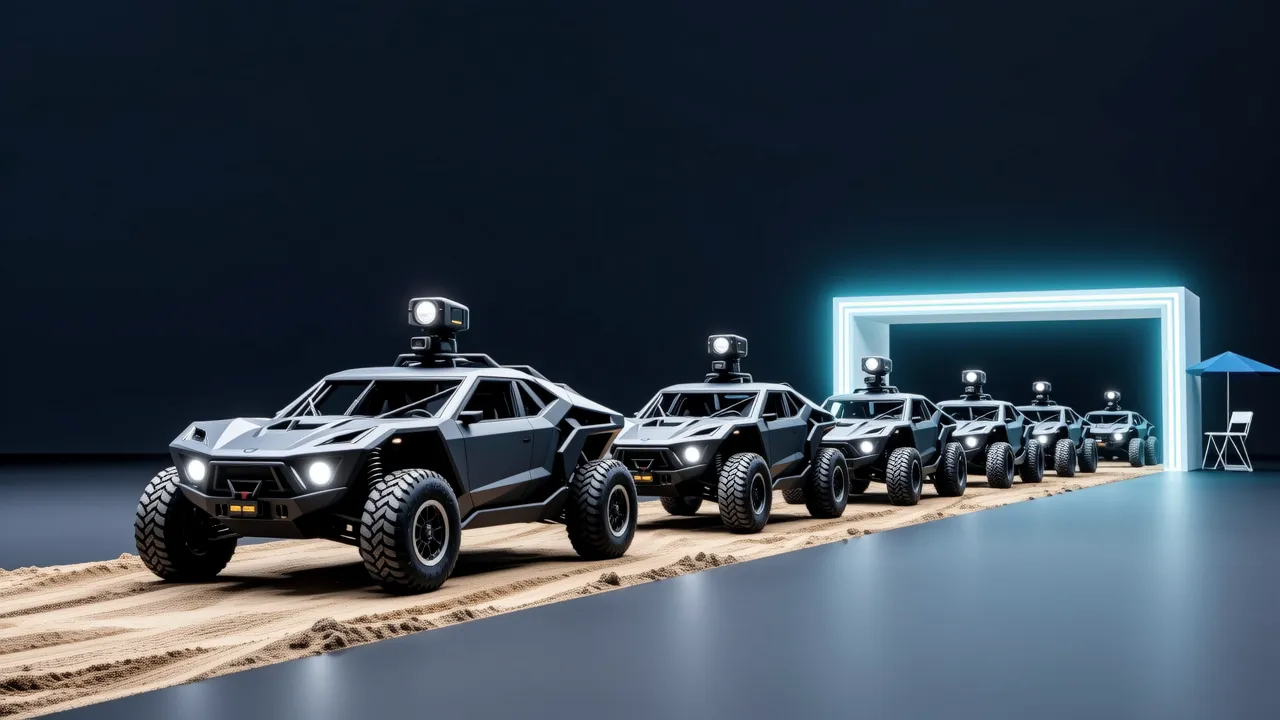
First DARPA Grand Challenge
The first DARPA Grand Challenge, held on 13 March 2004, offered USD 1 million for a driverless vehicle that could cross the desert course in under ten hours. Fifteen vehicles started; none finished, and the prize went unawarded.
2005
Amazon launches Mechanical Turk
Amazon's crowdsourcing marketplace, launched in 2005, lets requesters post small jobs called HITs that workers around the world complete for a fee. ImageNet's builders used it to verify images.
IBM and EPFL launch the Blue Brain Project
In June 2005 IBM and EPFL announced the Blue Brain Project, a two-year effort to model the neocortical column of a rodent on a Blue Gene supercomputer, launched by Henry Markram and backed by the Swiss Confederation.
Stanley wins the 2005 DARPA Grand Challenge
On 8 October 2005 Stanford's Stanley won the second DARPA Grand Challenge, completing a 212 km desert course in under seven hours and becoming the first autonomous vehicle to finish the event.
2006
A fast learning algorithm for deep belief nets
A 2006 paper by Hinton, Osindero and Teh that uses complementary priors and a greedy layer-by-layer algorithm to train deep belief nets, then fine-tunes them; the resulting three-hidden-layer model both modelled and classified handwritten digits well.
The term 'deep learning' gains currency after 2006
Geoffrey Hinton dated the current popularity of "deep learning" to a 2006 paper on deep belief nets, but the same words had earlier uses, including Rina Dechter's work in 1986.
The Netflix Prize (2006-2009)
An open competition run by Netflix from 2006 to 2009 that offered $1,000,000 to any team able to improve its movie recommendation algorithm by 10%, and released 100 million anonymous ratings for contestants to work with.
Google Translate launches with statistical machine translation
On 28 April 2006 Google announced a statistical machine translation approach, and Google Translate launched as a service built on it — the start of free web translation for a mass audience.
Dartmouth hosts the AI@50 conference
AI@50 was a 2006 conference at Dartmouth College marking fifty years since the 1956 Dartmouth Summer Research Project, where the term "artificial intelligence" had been coined. Several of the original participants returned for three days of talks.
2007
IBM Research begins the Jeopardy! challenge that produces Watson
In 2007 IBM Research began building a computer that could take on Jeopardy! champions. The project produced the DeepQA architecture and Watson, which beat the show's two top-ranked players in 2011.
NVIDIA releases CUDA 1.0
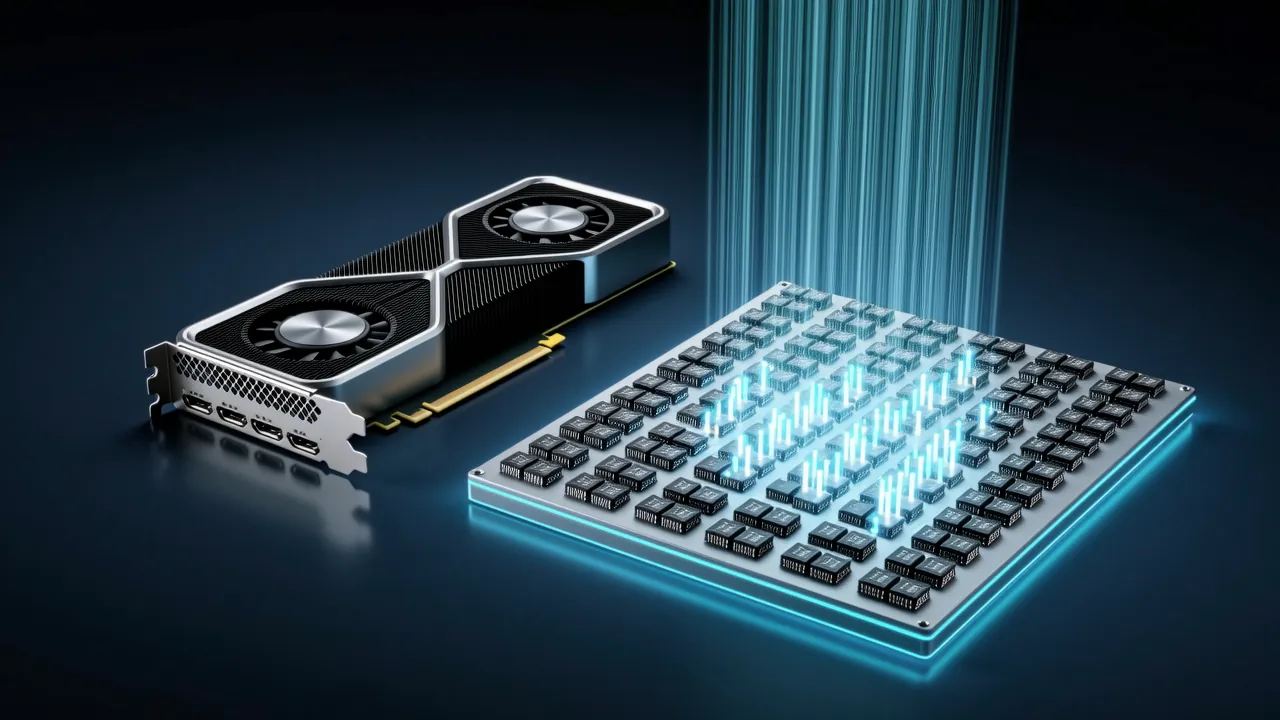
CUDA is NVIDIA's software platform for running general-purpose programs on GPU cores. CUDA Toolkit 1.0 shipped in June 2007, turning graphics chips into parallel processors for science and later for deep learning.
University of Alberta announces that checkers is solved
On 19 July 2007 the University of Alberta announced that its Chinook program had solved checkers: with perfect play by both sides the game is always a draw, and the program can be drawn but never beaten.
Tartan Racing wins the DARPA Urban Challenge
On 3 November 2007, self-driving vehicles raced through a staged city course at the former George Air Force Base in California; Carnegie Mellon's Tartan Racing won with Boss, a modified Chevy Tahoe, and six teams finished the full course.
2008
iFlytek lists on the Shenzhen Stock Exchange
On 12 May 2008 iFlytek, a speech-technology company founded by university students, listed on the Shenzhen Stock Exchange's SME board, becoming China's only listed intelligent-speech firm at the time after choosing the A-share market over Nasdaq.
Google launches Voice Search
On 17 November 2008 Google added voice search to its Google Mobile App for iPhone, letting U.S. English users speak a web query instead of typing it.
2009
Large-scale Deep Unsupervised Learning using Graphics Processors
A 2009 ICML paper by Rajat Raina, Anand Madhavan and Andrew Y. Ng that used graphics processors to train deep belief networks and sparse coding models many times faster than multicore CPUs.
CTC-trained LSTM wins three ICDAR 2009 handwriting competitions
At ICDAR 2009, Alex Graves won three connected handwriting competitions — French, Farsi and Arabic — with LSTM networks trained using Connectionist Temporal Classification, the first time a recurrent neural network won an international contest.
Learning Multiple Layers of Features from Tiny Images (CIFAR-10/100)
CIFAR-10 and CIFAR-100 are labeled image datasets drawn from the 80 million tiny images collection, documented in a 2009 technical report by Alex Krizhevsky, Vinod Nair and Geoffrey Hinton. CIFAR-10 holds 60,000 32×32 colour images in 10 classes.
Google starts its self-driving car project
On 17 January 2009 Google began developing self-driving cars in its Google X lab; the project, revealed in October 2010 after 140,000 miles of testing, was later renamed Waymo.
Learning Multiple Layers of Features from Tiny Images
A 2009 technical report by Alex Krizhevsky that introduces CIFAR-10 and CIFAR-100 and studies multi-layer generative models for learning features from tiny colour images.
Wolfram|Alpha is officially launched
Wolfram|Alpha went live on the evening of 15 May 2009 and was declared officially launched on 18 May 2009, after a weekend of load testing, bug fixes and more than 22,000 pieces of user feedback.
Microsoft unveils Bing
On 28 May 2009 Microsoft unveiled Bing, a search engine it presented as a decision engine that organizes results around tasks such as shopping, travel and health, and the first internet service it gave a Chinese brand. It marked a renewed attempt to challenge Google's search dominance.
ImageNet: A Large-Scale Hierarchical Image Database
The 2009 paper introduced ImageNet, a large, cleanly labelled image database organised by the WordNet hierarchy. It later became the basis of an annual benchmark, the ImageNet Large Scale Visual Recognition Challenge.
2010
First ImageNet Large Scale Visual Recognition Challenge announced
On 13 April 2010, Fei-Fei Li announced the first ImageNet Large Scale Visual Recognition Challenge, a 1,000-category image categorization benchmark. It ran for eight editions, from 2010 to 2017.
Apple acquires Siri
In April 2010 Apple bought Siri, a San Jose start-up whose app answered spoken requests on the iPhone; the deal, reported by The New York Times, put voice-driven assistance on the path to becoming a built-in phone feature.
Understanding the difficulty of training deep feedforward neural networks
A 2010 paper by Xavier Glorot and Yoshua Bengio on why deep feedforward networks are hard to train: sigmoid saturation under random initialization and layer Jacobians whose singular values sit far from 1, plus a new initialization scheme that converges substantially faster.
ImageNet Spring 2010 release
The spring 2010 release of ImageNet, announced by Fei-Fei Li on 11 May 2010, totalled more than 11 million images in 15,500 categories and added bounding boxes, SIFT features and a MATLAB toolbox, alongside a call to join ILSVRC2010.
Google reports 140,000 autonomous miles
In October 2010 Google said its self-driving cars had driven more than 140,000 miles on public roads, and reported that the only crash was a car rear-ended at a traffic light.
Google staffs the self-driving project with DARPA Challenge veterans
In 2010 Google staffed its self-driving car work with engineers who had led winning teams in the US government's DARPA autonomous vehicle races, and put paid drivers in the driver's seat to watch the cars in traffic.
Google publicly announces its self-driving car project
In October 2010 Google announced on its corporate blog that it had developed technology for cars that drive themselves, a project led by Sebastian Thrun and framed around safety, time and emissions.
Microsoft launches Kinect
Kinect was Microsoft's motion-sensing, controller-free input device for the Xbox 360, released in November 2010. It used cameras and infrared depth sensing for gesture and skeletal tracking, and sold more than 8 million units in its first 60 days.
NIPS 2010 Workshop on Deep Learning and Unsupervised Feature Learning
A 2010 NIPS workshop on deep learning and unsupervised feature learning. Its cited papers examine pre-training and fine-tuning for speech recognition and connect earlier and later work in the field.
Phone recognition with the mean-covariance restricted Boltzmann Machine
A 2010 NIPS paper by Dahl, Ranzato, Mohamed and Hinton applies Deep Belief Nets and a mean-covariance RBM to acoustic modeling, reaching 20.5% phone error on speaker-independent TIMIT phone recognition.
2011
Real-Time Human Pose Recognition in Parts from a Single Depth Image
A CVPR 2011 Best Paper that recovers 3D body joint positions from a single depth image without temporal information, by classifying pixels into body parts, and runs at 200 frames per second on consumer hardware.
Torch7: A Matlab-like Environment for Machine Learning
A 2011 workshop paper by Ronan Collobert, Koray Kavukcuoglu and Clement Farabet describing Torch7, a Lua-based numeric computing framework and machine learning library built for flexible experimentation on fast low-level kernels.
Natural Language Processing (Almost) from Scratch
A 2011 Journal of Machine Learning Research paper by Collobert, Weston, Bottou, Karlen, Kavukcuoglu and Kuksa, presenting one neural network architecture and learning algorithm for part-of-speech tagging, chunking, named entity recognition and semantic role labeling, trained on mostly unlabeled data with little task-specific engineering.
ILSVRC 2011 adds single-object localization
The 2011 ILSVRC saw XRCE, the 2010 runner-up, win classification with compressed high-dimensional signatures and linear SVMs, while the new single-object localization task was won by UvA's selective search approach.
Judea Pearl receives the 2011 ACM Turing Award
In 2011 ACM gave Judea Pearl the A.M. Turing Award for a calculus of probabilistic and causal reasoning, work that began with his invention of Bayesian networks and later produced the do-calculus for causal inference.
IBM Watson wins Jeopardy!
In February 2011 IBM's Watson beat Jeopardy! champions Brad Rutter and Ken Jennings in two televised matches, winning USD 77,147 for charity — a public test of machine question-answering, and IBM's chosen successor to its 1997 chess victory.
IBM and Nuance announce a Watson healthcare research agreement
On Feb. 17, 2011, IBM and Nuance Communications announced a research agreement to apply Watson's analytics to health care, days after Watson's televised Jeopardy win.
Robonaut 2 becomes the first humanoid robot in space
On 24 February 2011 NASA launched Robonaut 2, a humanoid built with General Motors, aboard space shuttle Discovery on STS-133 — the first human-like robot sent to space. It flew as a torso-only prototype for testing in microgravity.
Deep Sparse Rectifier Neural Networks
A 2011 paper by Glorot, Bordes and Bengio reporting that deep networks built from rectifying neurons match or beat tanh networks and reach their best performance without unsupervised pre-training on large labelled supervised tasks.
Microsoft releases the Kinect for Windows SDK beta
On 16 June 2011 Microsoft released a free beta of the Kinect for Windows SDK from Microsoft Research, giving developers depth, skeletal-tracking and microphone-array data on Windows 7.
Google acquires facial-recognition company PittPatt
In July 2011 Google acquired Pittsburgh Pattern Recognition (PittPatt), a Carnegie Mellon spin-off whose software could find and track faces in photos and video, bringing facial-recognition technology into Google.
Microsoft Research's deep-neural-network speech recognition breakthrough
In 2011 Microsoft Research reported that modelling thousands of senones with deep neural networks, trained on GPUs, sharply cut word errors compared with conventional Gaussian-mixture systems in large-vocabulary speech recognition.
AAAI-11, the Twenty-Fifth Conference on Artificial Intelligence
The 25th AAAI Conference on Artificial Intelligence was held on August 7–11, 2011 at the Hyatt Regency San Francisco, bringing AI researchers and practitioners together for keynotes, invited talks and scientific exchange; David Ferrucci of IBM's T. J. Watson Research Center gave a keynote.
IBM names WellPoint as the first commercial Watson healthcare partner
On September 12, IBM named WellPoint as the first partner building commercial Watson applications, aimed at evidence-based medicine for physicians, with clinical pilots planned for early 2012.
China's National Engineering Laboratory for Speech and Language Information Processing is unveiled
On 27 September 2011 the National Engineering Laboratory for Speech and Language Information Processing was unveiled at USTC, jointly built with iFlytek to connect speech research, product testing and standards work.
Stanford launches three free online computer science courses
On October 10, 2011, Stanford Engineering opened three free online computer science courses — databases, machine learning and artificial intelligence — to anyone online. Enrolments ran from 66,000 to an unprecedented 160,000 students from over 190 countries, without Stanford credit.
Siri launches on the iPhone 4S
On 14 October 2011 Apple released the iPhone 4S with Siri built in, turning a research project born at SRI International and shaped by a DARPA program into a conversational assistant on ordinary phones.
iFlytek's voice cloud passes ten million users
In December 2011, iFlytek said its voice cloud passed ten million total users, after its cloud-based voice input method won awards and received MIIT recognition as a secure, controllable cloud computing solution.
Wolfram Alpha lets Siri answer product-shopping questions
In December 2011, Wolfram Alpha began answering product-shopping questions for Siri users, querying Best Buy's catalogue of 35,000 consumer products so an iPhone assistant could return prices, features and comparisons from a spoken request.