A Swiss initiative at the meeting point of neuroscience and computing
The Blue Brain Project began in July 2005 as a Swiss research initiative at the intersection of neuroscience and Big Data, as the project itself describes it[1]. It grew out of a collaboration between Henry Markram, a neuroscientist at EPFL, and International Business Machines (IBM). The two partners worked with a shared vision: getting supercomputers ready for brain simulations[1]. EPFL's annual report also lists 2005 as the launch year, recording that Markram started the project in partnership with IBM and with support from the Swiss Confederation[2].
The announcement
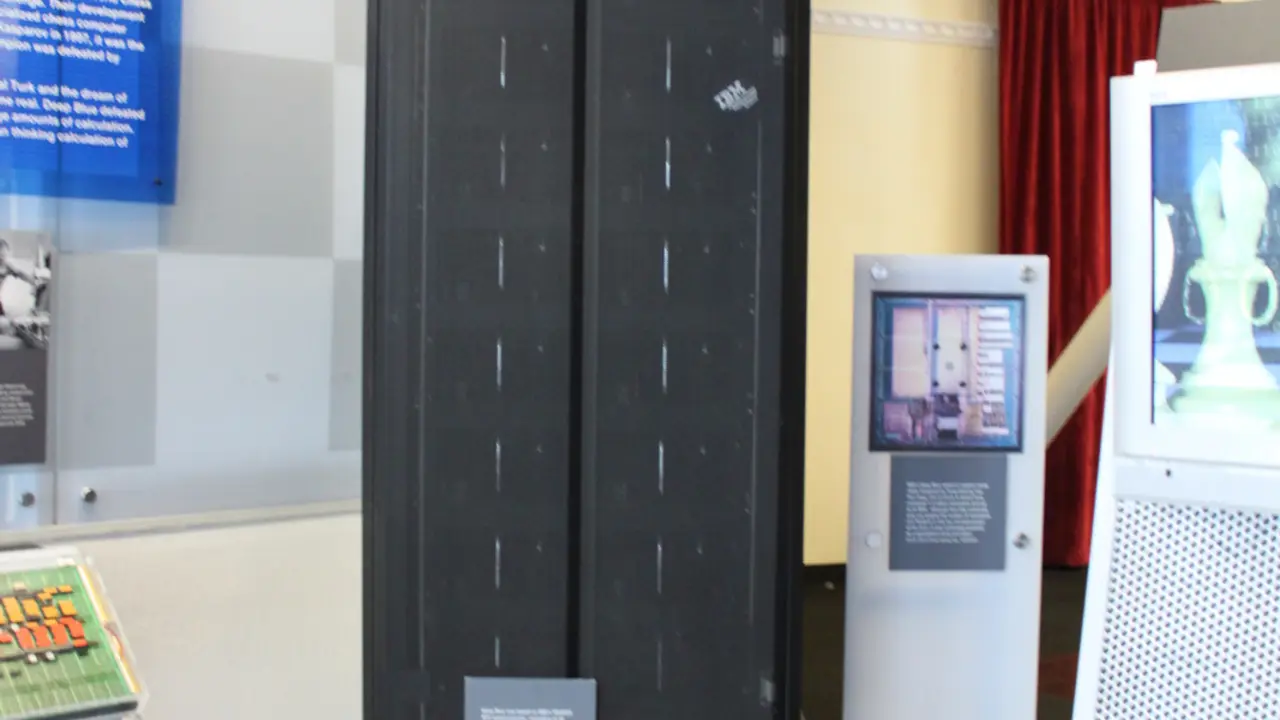
On 6 June 2005 IBM and EPFL announced a two-year project called the Blue Brain Project, which would use IBM's eServer Blue Gene supercomputer[3]. IBM was to install a Blue Gene machine at the Swiss facility with a capacity of 22.8 teraflops[3] — a teraflop being one trillion floating-point operations per second, the usual unit for measuring supercomputer throughput. The partners said the work would begin with a model of the neocortex, the outer sheet of the brain that is thought to be responsible for language, learning, memory and complex thought[3].
The first target: one cortical column
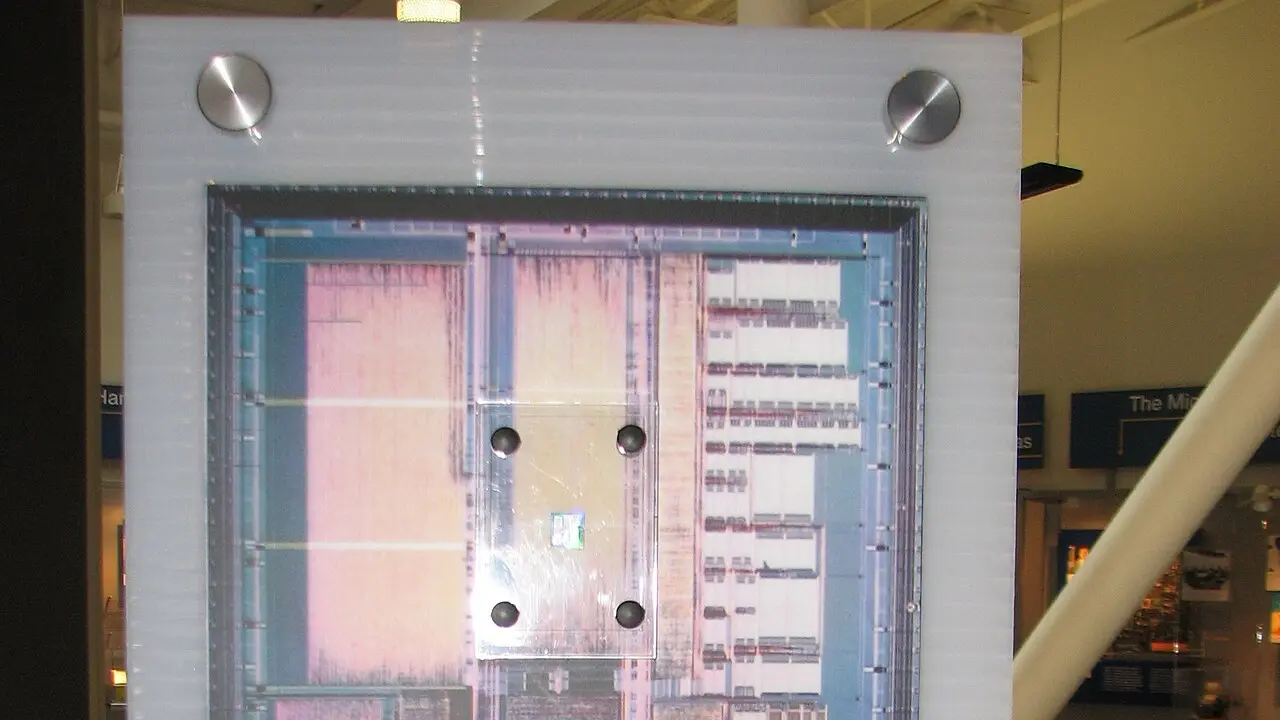
The initial goal was narrower than a whole brain. It was the neural microcircuitry of a rodent neocortical column[1]. A cortical column can be thought of roughly as a vertically organised group of neurons spanning several layers of the cortex, and it is often treated as a repeated unit of cortical structure. "Microcircuitry" points at the wiring inside such a piece of tissue: which cells connect to which, through what kind of synapse, and how strongly. To run the simulations, EPFL procured a BlueGene/L supercomputer for the project in 2005[1].
The phrase "neuroscience and Big Data" signals what made the work a computing problem as much as a biological one. A column contains a large number of neurons and an even larger number of connections, and a simulation has to keep track of their states step by step; the volume of data produced and consumed is beyond what an ordinary machine can handle, which is why the project was built around a supercomputer from the start[1].
Not the same thing as a machine-learning network
Because both the project and machine learning deal in large computer models of neural tissue, the two are easy to confuse. The project states that its biophysical models of brain tissue are not based on the type of deep networks with sigmoidal activation functions used in machine learning[1]. The difference is in what is being modelled and how. A deep network in machine learning stacks many simple units, each of which squashes its input into a bounded range with a sigmoidal function, and the strengths of the connections between units are adjusted by training on data. A biophysical model instead starts from the physical and physiological behaviour of the tissue itself — how the voltage across a neuron's membrane changes as channels open and close — and tries to reproduce that behaviour directly[1].
Why the announcement is remembered
The announcement put a concrete division of labour on the table: a small piece of mammalian cortex could be represented in enough biophysical detail to be run on a supercomputer, and the computing side had to be prepared for that job[1]. It also tied three parties together — a Swiss neuroscience group, an industrial hardware maker, and public funding, since the project was launched with IBM and with support from the Swiss Confederation[2]. The hardware commitment announced at the time was a Blue Gene system rated at 22.8 teraflops[3]. The name has endured: the project's own materials are still published under the EPFL Blue Brain Project[1].
Sources
- 1What is the goal of the EPFL Blue Brain Project?EPFL Blue Brain Project
- 2
- 3
Cite this page: IBM and EPFL launch the Blue Brain Project. TellWorld, https://www.tellworld.net/news/blue-brain-project-2005. Updated 2026-11-07