Background
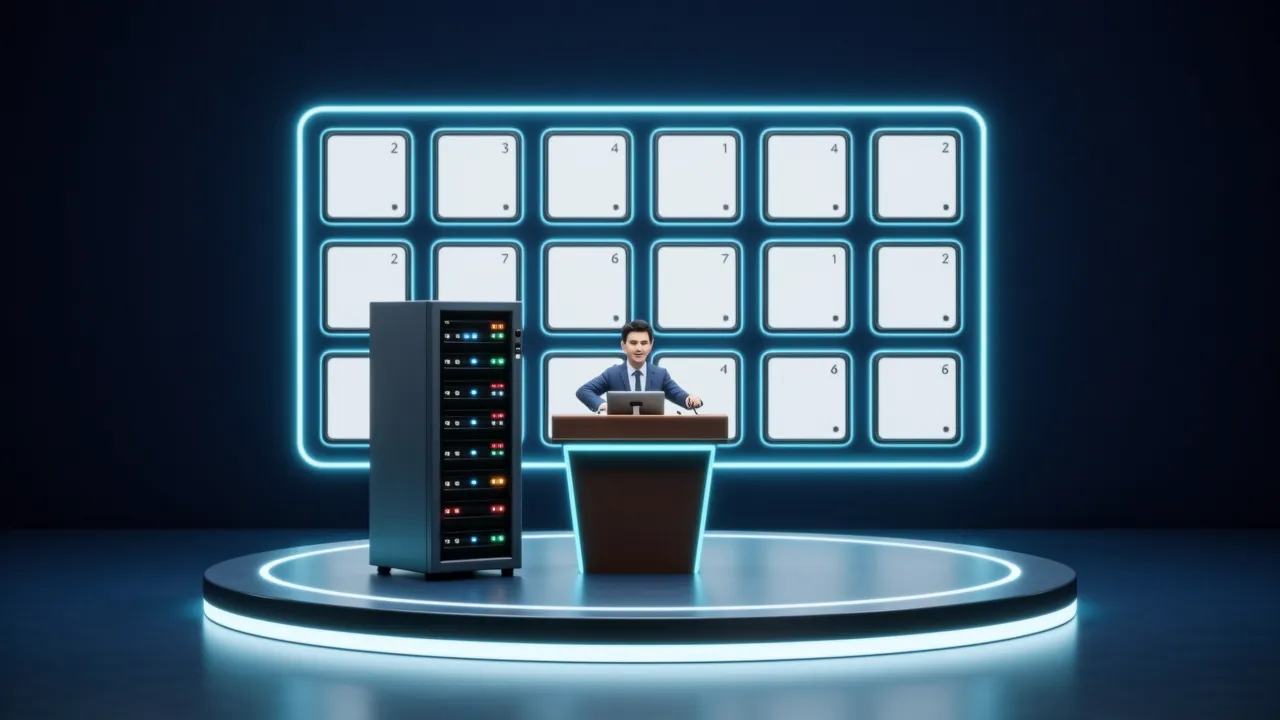
In February 2011, IBM's Watson computer took part in a televised Jeopardy contest and beat the human champions Brad Rutter and Ken Jennings; IBM calls the system behind it Watson DeepQA.[2] The machine was not a single computer but a cluster: 10 racks holding about 90 IBM Power 750 servers, with 2,880 Power7 cores together capable of running at 80 teraflops.[1] To find candidate responses to Jeopardy clues it evaluated the equivalent of 200 million pages of content.[1] The $1 million grand prize from the contest was donated by IBM to charity.[1]
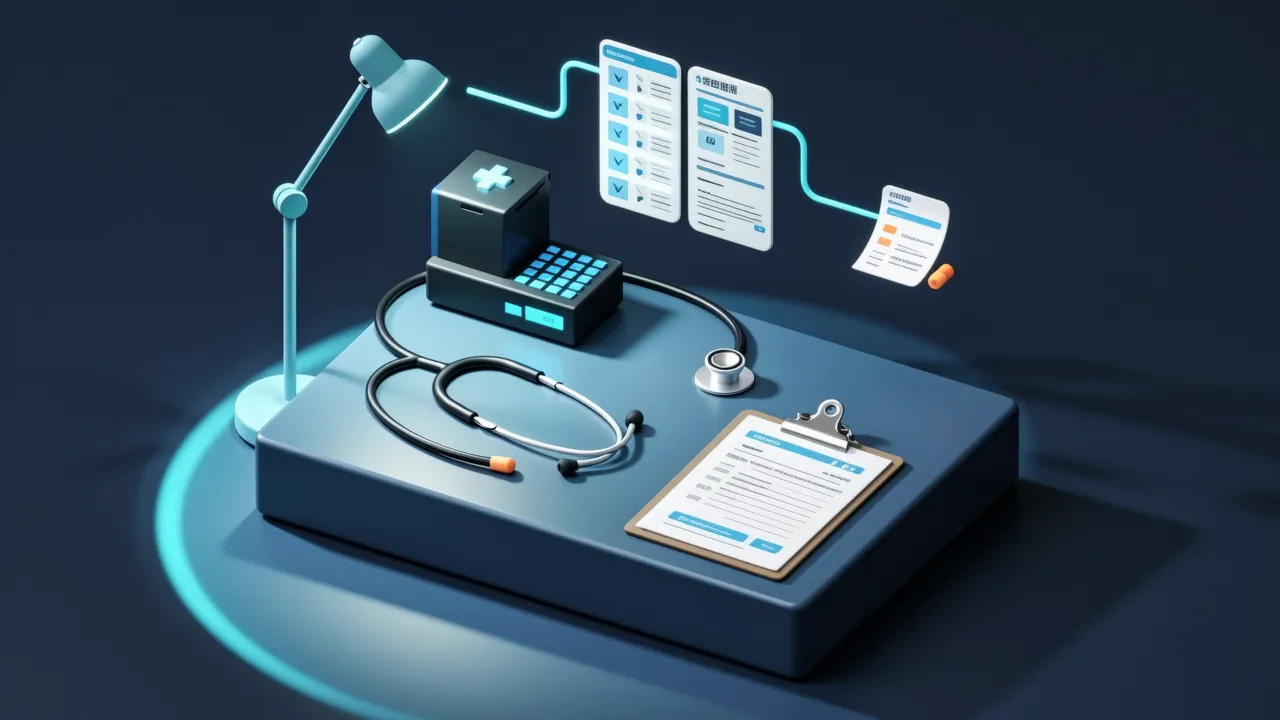
Against that backdrop, the first direction named for commercial work on the system was health care.
The announcement
On Feb. 17, IBM and Nuance Communications announced a research agreement to explore, develop and commercialize Watson's advanced analytics capabilities in the health care industry.[1] The announcement came at an IBM event on Feb. 16 for press and analysts, held so that they could view the airing of the final Jeopardy match.[1] The pairing joined a question-answering system built for open-ended quiz clues with a company whose products deal in speech and clinical language.
What each side brought
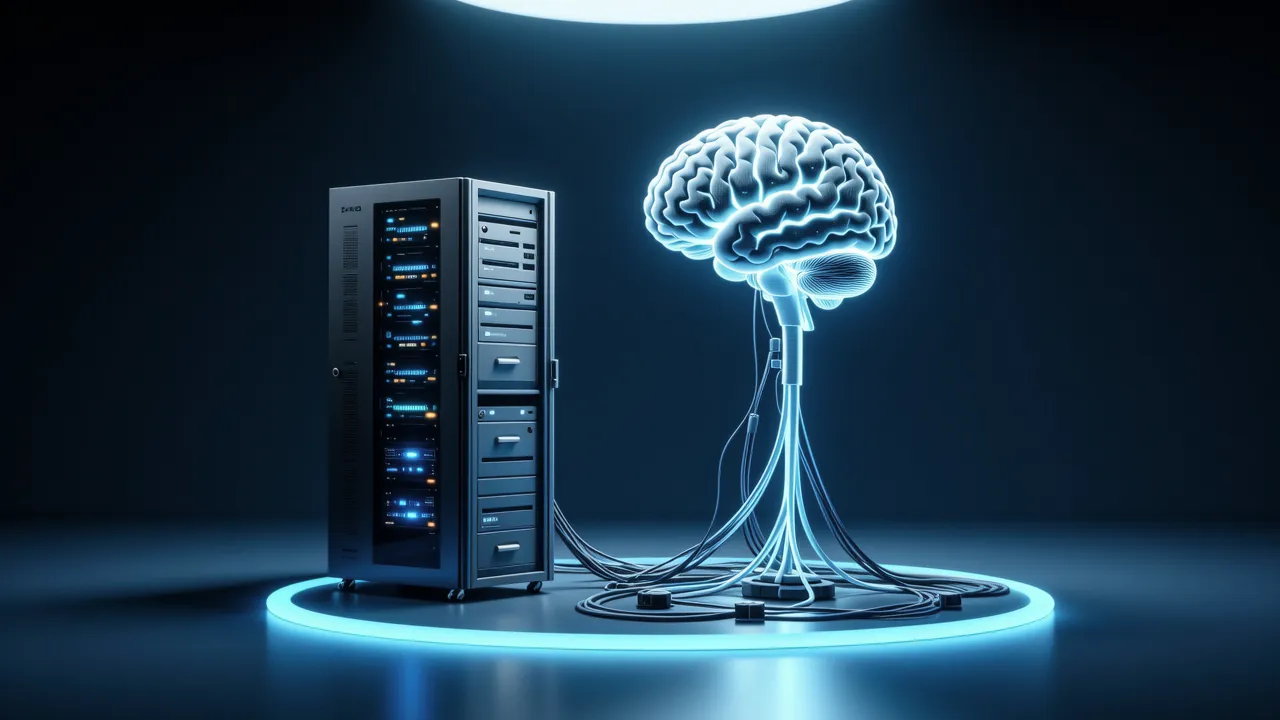
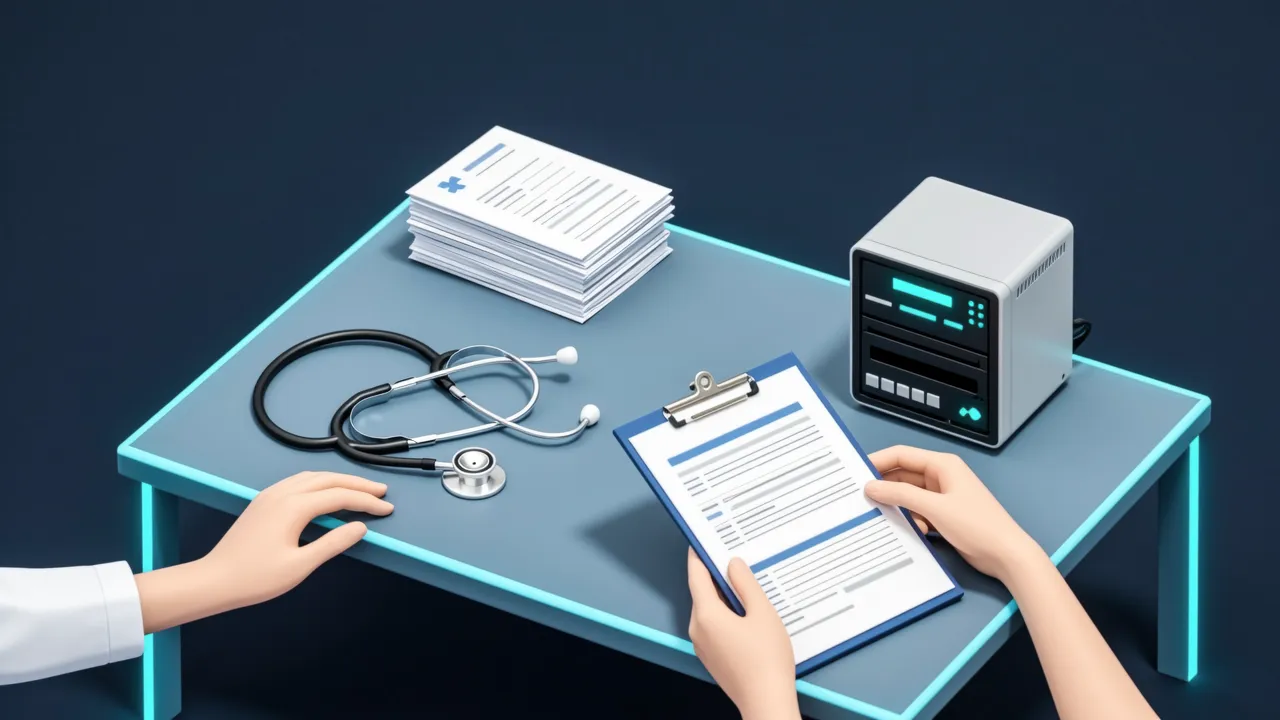
The initiative combined IBM's Deep Question Answering, natural language processing and machine learning with Nuance's speech recognition and Clinical Language Understanding solutions.[1] In plain terms, question answering means reading a question phrased in ordinary language and searching a large body of text for an answer, rather than simply matching keywords; speech recognition turns spoken words into text; and clinical language understanding addresses the ordinary-language text found in clinical records. Bringing these together points at a workflow in which a doctor's spoken words and written notes are both turned into text that a question-answering system can work over.
Medical expertise came from outside IBM as well: Columbia University Medical Center and the University of Maryland School of Medicine were contributing medical expertise and research to the project.[1] For a question-answering system, that contribution matters because a system that searches text still needs to know what counts as a correct answer in a given specialty.
The timetable
At the announcement, IBM's David Ferrucci said that a commercial offering based on Watson would be available in the next 24 months.[1] That statement described a plan; the agreement announced that week was a research agreement, framed around three verbs — explore, develop and commercialize.[1]
What the agreement represented
The agreement put Watson's analytics into a second setting. The first had been a televised quiz, where the system answered clues in front of an audience; the second was clinical work, where the system would be paired with speech and language tools and with medical researchers.[1] The scale described at the time — 10 racks, about 90 servers, 2,880 cores, 80 teraflops — and the 200 million pages of content evaluated for Jeopardy show what kind of method was being carried over: not hand-written rules for each question, but search over very large collections of text.[1]
The announcement also set out how such work would be organised. One company supplied the question-answering, language-processing and machine-learning side; another supplied speech recognition and clinical language understanding; two medical schools supplied domain expertise and research; and a public timeline of 24 months was attached to a commercial offering.[1] Each of those pieces had to be in place before a research agreement could turn into a product, which is why the announcement was framed as the start of joint work rather than the delivery of one.
Sources
- 1
- 2
Cite this page: IBM and Nuance announce a Watson healthcare research agreement. TellWorld, https://www.tellworld.net/news/ibm-nuance-watson-health-2011. Updated 2026-11-07