
Background
On 13 November 2026, Hugging Face published a blog post titled 'llama.cpp v1.0.0: A stronger foundation for the local AI ecosystem'. The post says the project has existed for 3.5 years since its inception, and that many downstream applications already depend on it.[1]
What was released
The post announces two libraries: llama.cpp v1.0.0 and ggml v1.0.0. It describes ggml as a tensor library for machine learning.[1]
Versioning rules
Because downstream developers depend on the library interfaces, the post says a flexible but stable API is paramount. Both libraries will reflect API and ABI incompatibilities through major-version bumps. ABI (application binary interface) is the low-level contract that compiled programs use to call library code.[1]
The post lists three semantic-version rules: breaking changes to the public C API; backward-compatible features, backend updates, model support or API additions; and bug fixes with no API change.[1]
What llama.cpp does
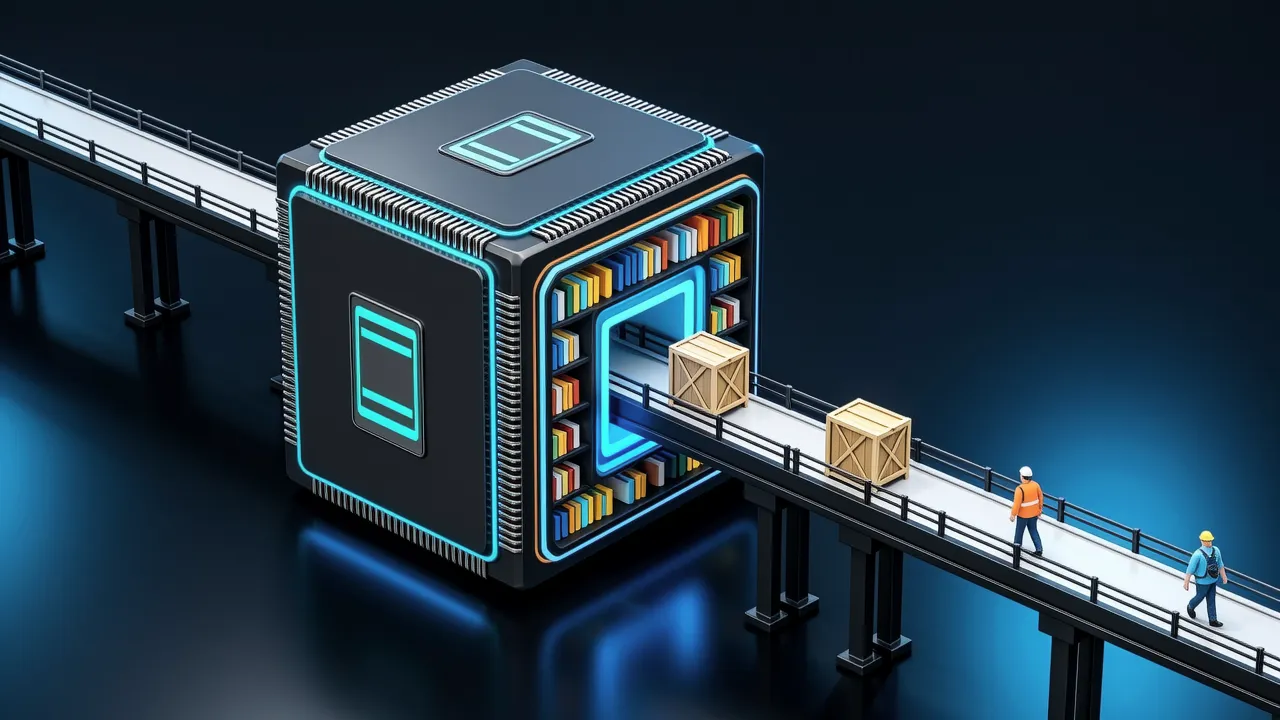
The post describes llama.cpp as a way to run multimodal LLMs across hardware, from consumer-grade local machines to high-end enterprise servers. It relies on quantization (storing model weights at lower numeric precision to save memory), optimized backends and a portable C/C++ implementation.[1]
The underlying machine learning engine is designed to run on virtually any hardware. Each backend can be compiled as a dynamic library and optionally loaded at runtime.[1]
The post says llama.cpp supports more than 150 architecture variants, as well as all mainstream speculative decoding methods. Speculative decoding is a technique that speeds up generation by having a small model propose tokens that a larger model checks.[1]
Testing and hardware
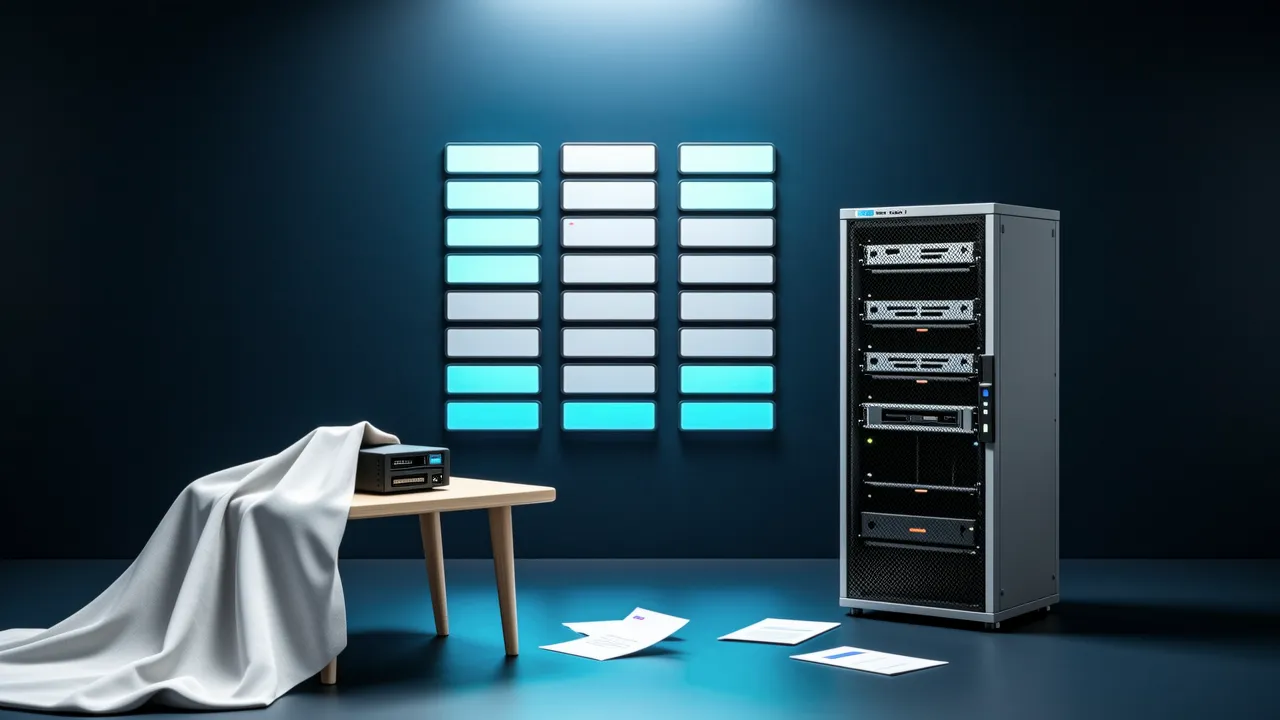
The post says Hugging Face technologies let the team scale its CI (continuous integration, the automated testing system) capacity. Self-hosted runners are supported with hardware from NVIDIA, AMD, Qualcomm, Arm, IBM and Intel.[1]
Priorities
The team says it will keep a high-quality codebase and control of the architecture as top priorities, while integrating LLMs into its development cycle.[1]
Sources
- 1
Cite this page: llama.cpp v1.0.0 release. TellWorld, https://www.tellworld.net/news/llama-cpp-v1-2026. Updated 2026-11-15