One release, two names
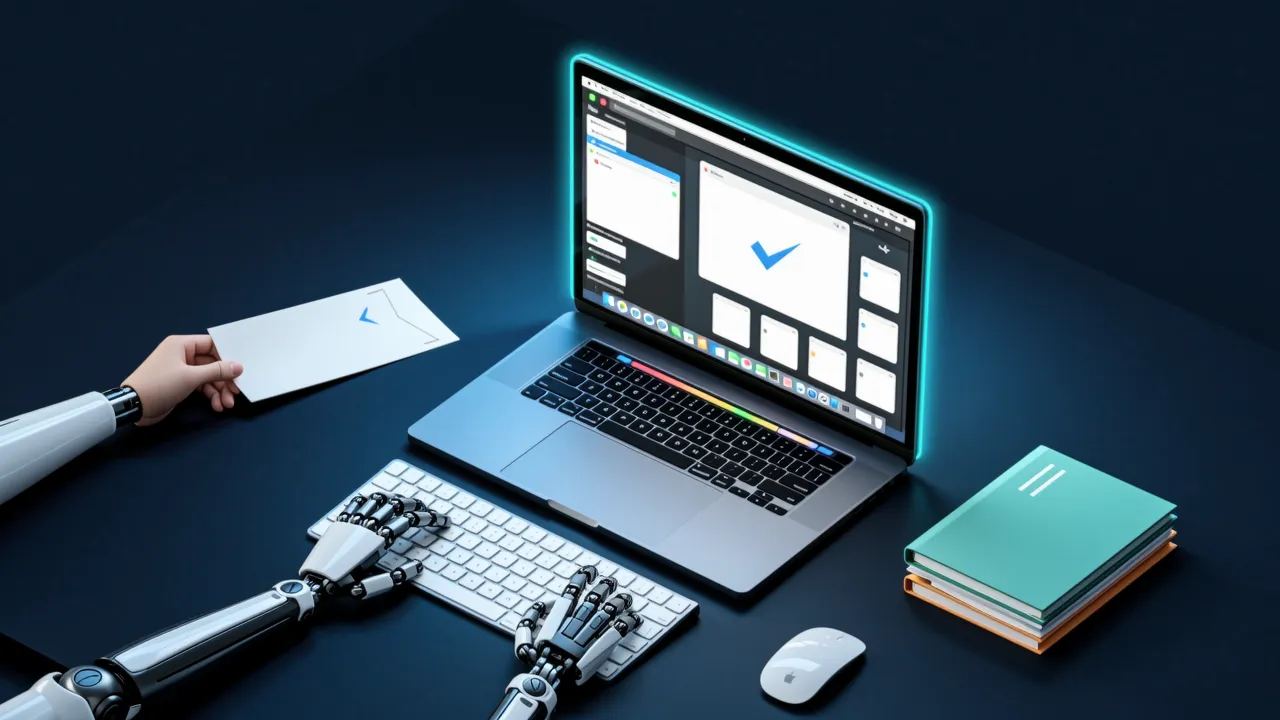
On 21 April 2026 OpenAI released gpt-image-2, and the same model appeared inside ChatGPT under the name ChatGPT Images 2.0 [1]. The two names describe one release from two sides: the lower-case identifier is what a developer calls through the API, while the ChatGPT name is what a person typing a request into the chat product sees.
The model is an image model rather than a text model. A text model answers in words; this one answers in pictures. Its API accepts text and image inputs and produces image output, covering both the generation of new pictures and the editing of pictures supplied to it [2].
Background: replacing GPT Image 1
gpt-image-2 replaced the GPT Image 1 generation of models, which had been introduced in 2025 [1]. Naming a new model as the successor to an earlier generation is how a model line is kept continuous: the interface a developer writes against stays familiar, while the model behind it changes.
What the model does
Generation and editing are two uses of the same kind of input. In generation, the input is a text description and the output is a new image built to match it. In editing, the input includes an existing image together with an instruction, and the output is a changed version of that image. gpt-image-2 supports both directions from text and image inputs [2].
Details at the API level
The API version carries a snapshot date of 2026-04-21, the day of release [2]. A snapshot date marks a fixed point in a model's life, so that work built on it can be traced back to a specific version even after newer ones appear.
The model was not available on the free API tier [2]. Access to an API model is typically organised in tiers, and placing a model outside the free tier means it is reached through a paid arrangement rather than at no cost.
Three restrictions describe how the model fits into a program. It returned image output only, and did not support streaming or function calling [2]. Output of one kind means the response is an image rather than a mixture of image and text. Streaming is the practice of sending a result in pieces as it is produced instead of waiting for the whole of it; without streaming, the caller receives the finished output in one go. Function calling is the mechanism by which a model emits a structured request for an outside tool to be run on its behalf; a model without it stays within its own generation step and does not hand work off in that way.
Later versions
Further releases followed the April model. Updated GPT Image 2.5 and 2.6 models arrived in September and November 2026 [1]. The April release is therefore the beginning of a line that was revised twice within the same year, with each revision keeping the GPT Image 2 name and adding a version number.
Where it sits
For someone using ChatGPT, the release is visible mainly as a new name on an image feature. For someone building with the API, it is a model with a fixed snapshot date, a paid-only position, and a narrow, well-defined contract: text and images in, images out, no streaming and no function calling. That contract is what makes it easy to place in a pipeline — it does one job and returns one kind of result.
Sources
- 1OpenAI GPT Model Release Timelinehidekazu-konishi.com
- 2GPT-Image-2 Model | OpenAI APIOpenAI API docs
Cite this page: OpenAI releases GPT Image 2. TellWorld, https://www.tellworld.net/news/gpt-image-2-2026. Updated 2026-11-08