Background
Text-to-image generation means producing a picture from a written prompt. By 2022 a growing number of systems were attempting it, and two questions were open. The first was how much of the quality comes from the language model that reads the prompt rather than from the image model that draws the picture. The second was how to compare systems fairly: a handful of carefully chosen examples says little about how a model behaves on harder requests.
What happened
On 23 May 2022, Google Research published Imagen, a text-to-image diffusion model[2]. A diffusion model learns to make an image by starting from random noise and repeatedly removing a little of it, with the text prompt steering each step, until a picture is left. Imagen's distinctive choice sat on the language side: it used a large frozen T5-XXL text encoder to understand prompts[1]. "Frozen" means the encoder's weights were not updated while the image model was trained, so the image side had to learn to work with a language representation that was already fixed.
Key details
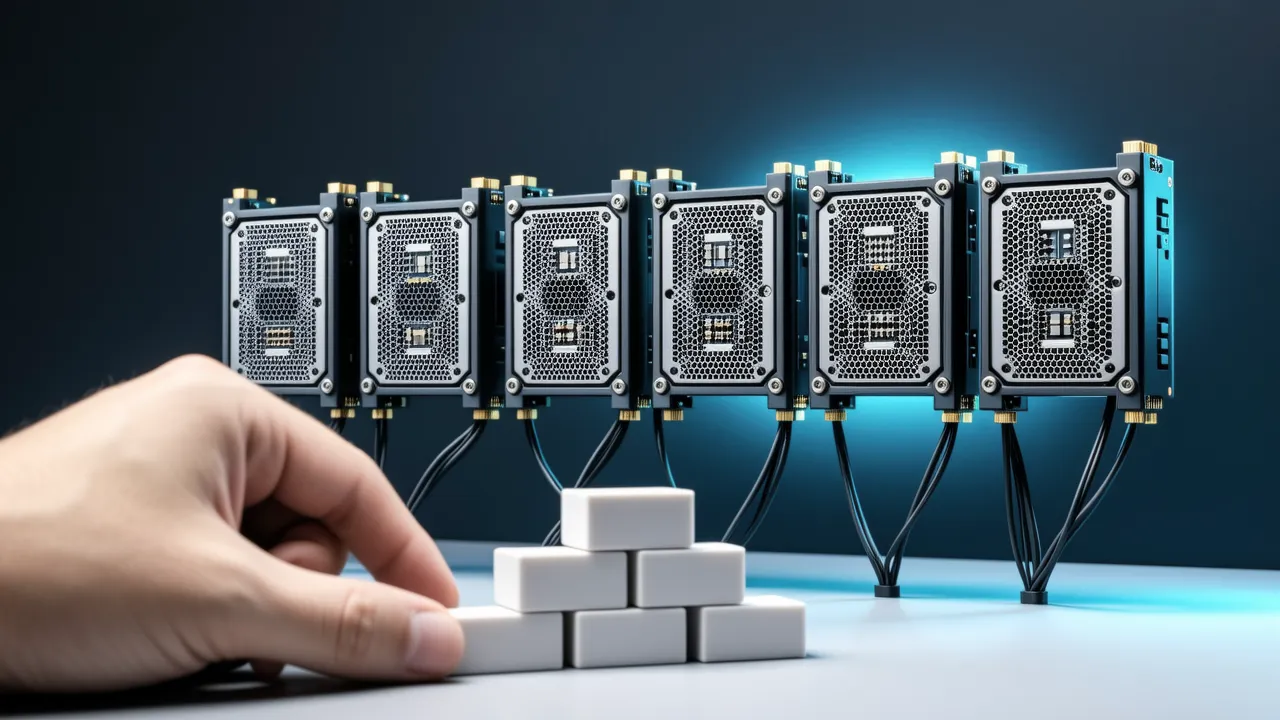
The paper's abstract reports that increasing the size of the language model boosts both sample fidelity and image-text alignment[2] — that is, a bigger text encoder went with both better-looking images and images that matched the prompt more closely.
For quantitative comparison the team used FID (Fréchet Inception Distance), a metric that compares the distribution of generated images with that of real ones; lower is better. Imagen scored a COCO FID of 7.27 without training on COCO[2]. COCO is a widely used collection of real photographs paired with captions, so a model trained on it would have an advantage on that benchmark; Imagen's figure was measured without that advantage.
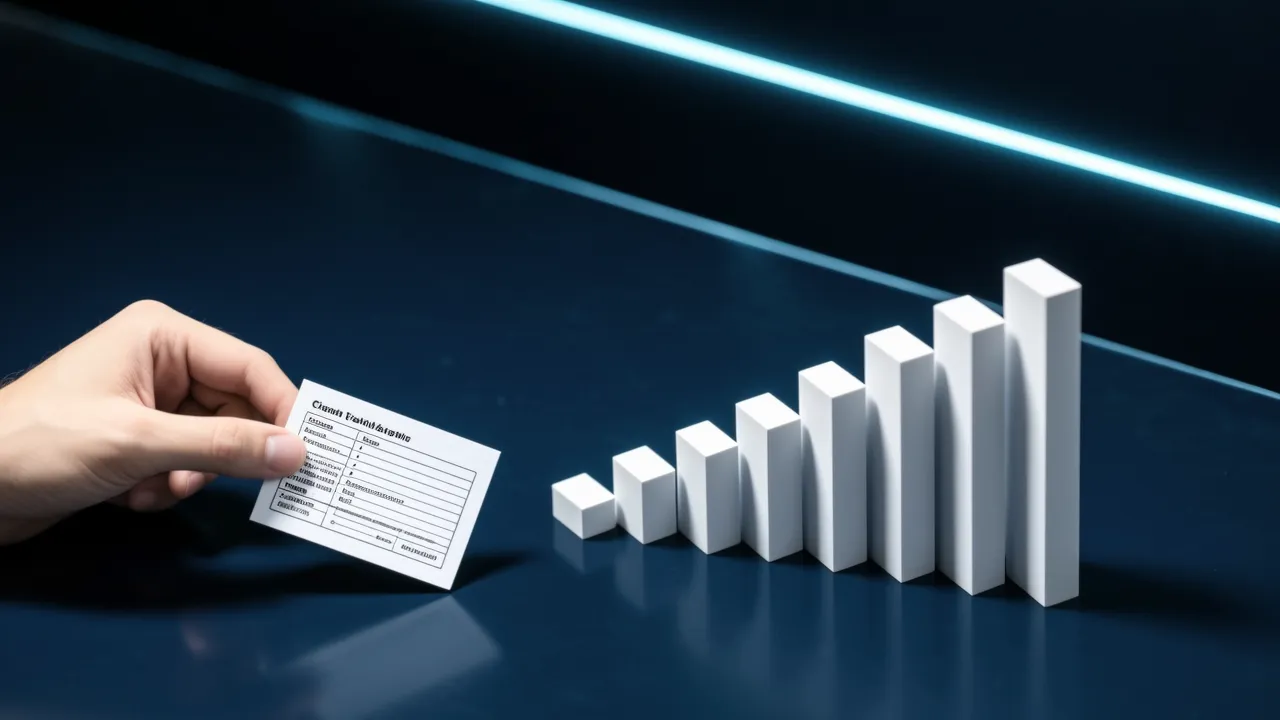
Numbers of that kind do not capture everything a person notices, so the work also relied on human judgement. Google Research introduced DrawBench, described as a comprehensive and challenging benchmark for text-to-image models[1]. On DrawBench, human raters preferred Imagen over DALL-E 2 and other models[2].
Why it matters
Imagen is remembered for two things beyond its scores. First, it made a design argument: keep a strong language model fixed and let the image model adapt to it, and scale that language component up. The reported gains from enlarging the text encoder pointed in that direction[2]. Second, DrawBench gave the field a shared, harder test set at a moment when text-to-image results were mostly presented as selected examples[1].
There was also a limit. Google did not release code or a public demo, citing misuse risks[1]. Outside researchers could therefore read the paper and the benchmark description but could not run the model themselves, which separated Imagen from systems that were opened to public use.
Sources
- 1Imagen: Text-to-Image Diffusion ModelsGoogle Research
- 2
Cite this page: Google Research unveils Imagen. TellWorld, https://www.tellworld.net/news/imagen-2022. Updated 2026-11-08