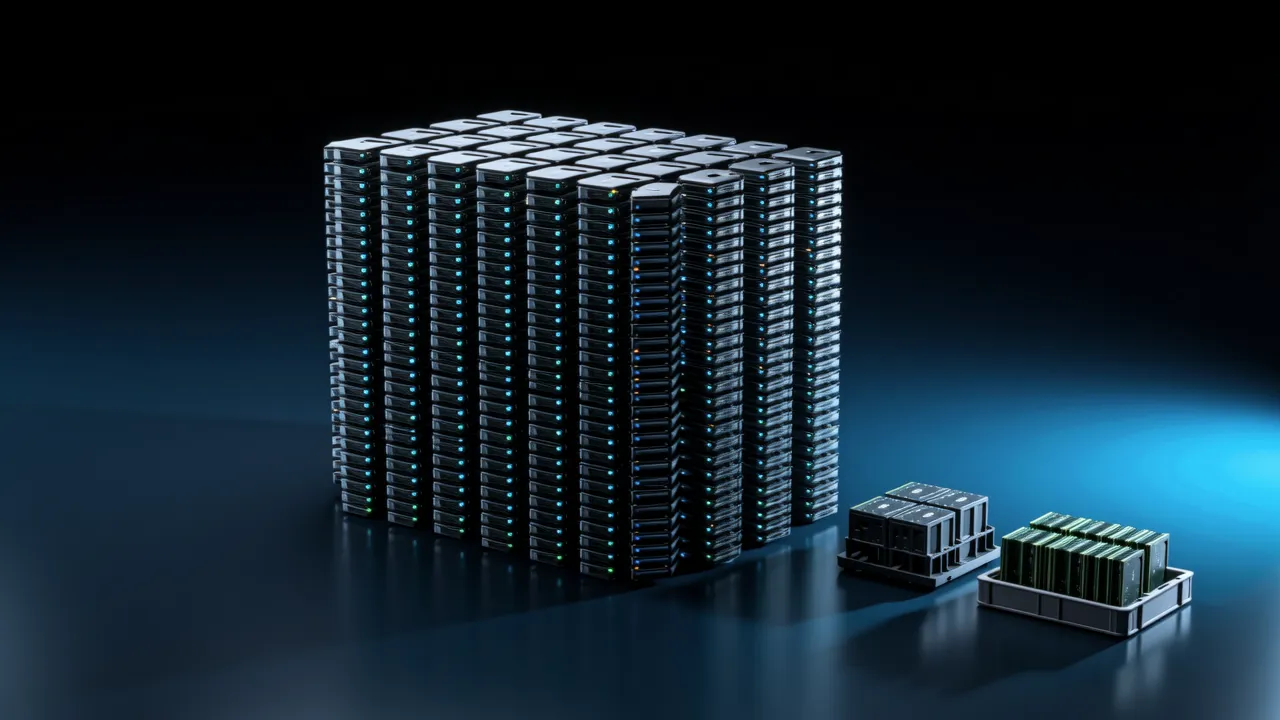
A family in two sizes
In February 2025, InclusionAI, the AI research organization at Ant Group, released the Ling family of large language models[1]. In Chinese the family is called Bailing[2]. It shipped in two sizes, Ling-Lite and Ling-Plus[2], and the model card for Ling-plus was created on 28 February 2025[1]. The weights were released under the MIT license[3].
Why two parameter counts
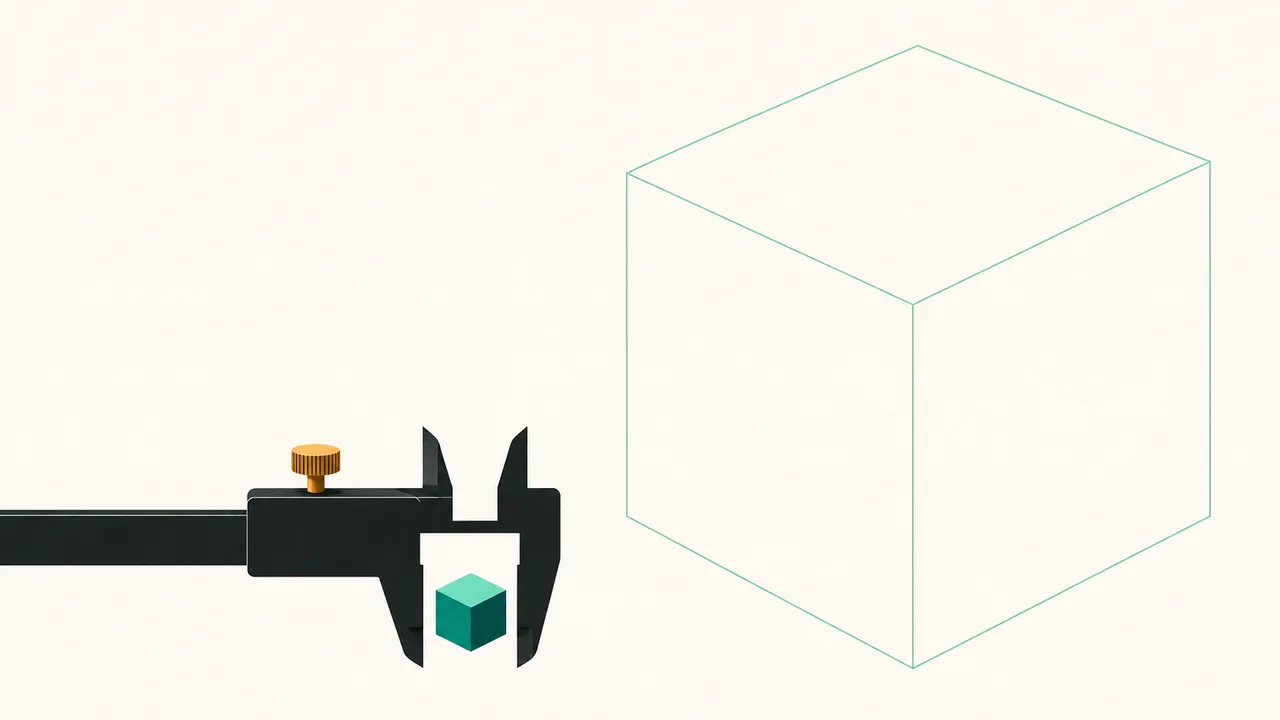
Both models are described with two numbers rather than one: a total parameter count and an activated parameter count. The total is how many weights the model stores; the activated count is how many of them take part in the computation for a single token, that is, for each small piece of text the model reads or writes. Designs that use only a subset of the weights at a time are commonly called mixture-of-experts (MoE) models: the network holds many specialized sub-parts, and a routing step picks which of them to use for each token.
A simple way to picture it: if a model stores 100 units of weights but calls on only 10 of them for any given token, its total parameter count is 100 and its activated count is 10. Running the model costs roughly what the activated count implies, while the total count sets how much memory is needed to hold the weights at all.
The two models
Ling-Lite has 16.8 billion total parameters and 2.75 billion activated parameters[2]. Ling-Plus has 290 billion total parameters and 28.8 billion activated parameters[2]. In both cases only a fraction of the stored weights is used per token, so the larger model is much bigger in what it stores than in what it costs to run for each token.
Training without premium GPUs
The team said the 300B model was trained without premium GPUs[2]. Training a model at this scale is usually assumed to require the newest accelerators and a cluster built around them, so the claim is notable for what it implies about who can attempt such a project rather than for any single benchmark. The technical report appeared on 7 March 2025 under the title "Every FLOP Counts: Scaling a 300B Mixture-of-Experts LING LLM without Premium GPUs"[2]; the title itself ties two ideas together — that at this scale every unit of computation counts, and that the work was done without top-end hardware.
What was released
The release came in three parts. The model card for Ling-plus is dated 28 February 2025 and documents the model[1]. The weights are published under the MIT license[3], a permissive open-source license that allows reuse, modification and redistribution, including commercial use, provided the copyright and permission notices are kept. And the technical report describing the training approach followed on 7 March 2025[2].
Where it sits
Open model releases differ in what they hand over: some publish only a demo or an API, some publish weights under restrictions, and some publish weights, a model card and a technical report together. Ling belongs to the last group: two sizes, documented, described in a report, and licensed permissively[1][2][3]. The two sizes give users a choice between a smaller model whose activated parameters are in the low single-digit billions and a much larger one that still activates only a fraction of its weights per token[2].
Sources
- 1inclusionAI/Ling-plusHugging Face
- 2
- 3inclusionAI/LingGitHub
Cite this page: Ant Group's InclusionAI releases the Ling model family. TellWorld, https://www.tellworld.net/news/ling-2025. Updated 2026-11-07