Background
GitHub is built around files. A developer opens a repository, finds the file that needs changing, edits it, and opens a pull request. Copilot Workspace, which GitHub calls a Copilot-native developer environment, starts from a different point: the task rather than the file [1].
GitHub placed the launch in the context of scale. The company says it passed 100 million developers in early 2023, and frames its goal as one billion developers [1]. A tool aimed at people who may not work the way existing GitHub users do is part of that argument.
What happened
On 29 April 2024 GitHub opened the technical preview of Copilot Workspace, announced by then-CEO Thomas Dohmke [1]. A technical preview means the product is public and usable but still under development, so its shape can change.
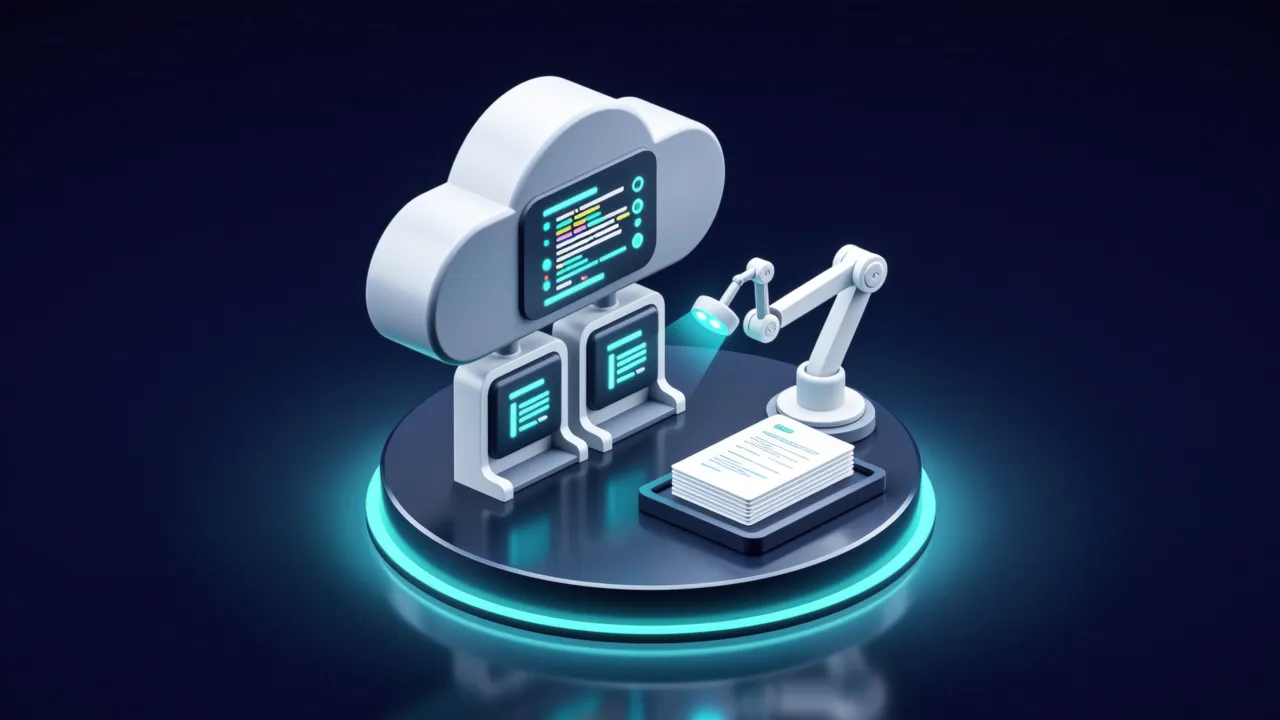
GitHub describes Copilot Workspace as a place where developers brainstorm, plan, build, test and run code in natural language [1]. The experience is task-centric rather than file-centric, and it orchestrates different Copilot-powered agents from start to finish [1]. That is a different unit of work from an editor tab: what you open is the problem, and the plan and the code come out of it.
How a workspace works
A workspace starts from a repository, an issue or a pull request [1]. Workspace reads the codebase and the issue thread, and from that understanding builds a step-by-step plan [1]. The plan is the first artifact; code follows from it, step by step.
GitHub stresses that everything Workspace proposes, from the plan to the code, is fully editable, and that the developer keeps all autonomy [1]. The model produces a draft; the person decides what stays.
Code can be run inside Workspace through an integrated terminal, and the work can drop into an underlying GitHub Codespace [1] — GitHub's cloud-hosted development environment, so the machine running the code need not be the one in front of you.
A workspace can be shared by link, so teammates can see the work or iterate on it themselves [1]. GitHub designed it to be used from any device, including on the go [1], which follows from the work living in the browser rather than in a local copy of the code.
Finishing the work
Finishing means opening a pull request and running GitHub Actions, security code scanning and human review [1]. In other words, the output of the workspace re-enters the ordinary GitHub workflow rather than replacing it: continuous integration, security scanning and a person reading the diff still decide whether the change lands.
Why it matters
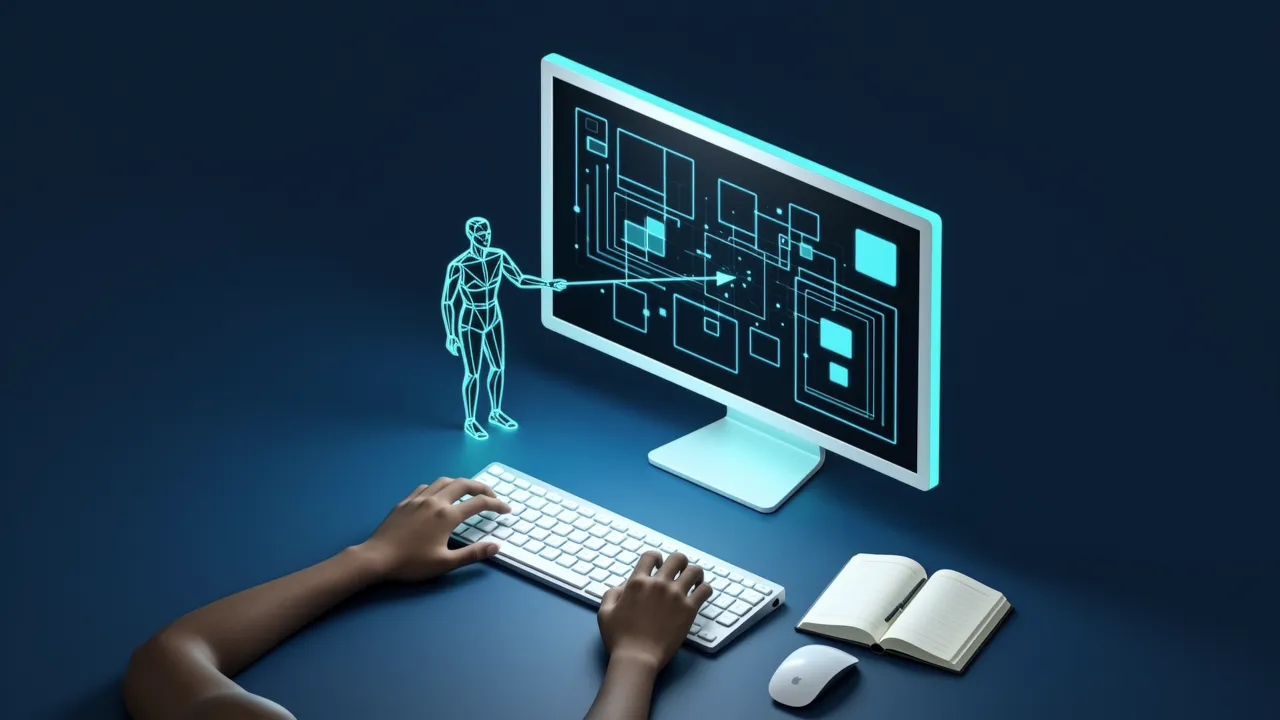
Two things stand out. First, the entry point moves from the file to the task. Planning, editing and running are collected in one place, and the plan is editable in the same way as the code, so a developer can correct the model's reading of the problem before any code is written.
Second, the developer is kept in the loop by design. Nothing described removes review: the workspace ends at a pull request, and human review is named as part of the finish line [1].
For GitHub, the ambition is stated in numbers: a platform built for 100 million developers, aimed at one billion [1]. Copilot Workspace is one attempt at the lower-friction path that would need to exist for people who are not full-time developers to work on code at all.
Sources
- 1
Cite this page: GitHub Copilot Workspace enters technical preview. TellWorld, https://www.tellworld.net/news/copilot-workspace-2024. Updated 2026-11-07