Where it came from
Google's annual I/O developer conference is the event where the company presents its platforms to developers. In May 2016 the conference took place in Mountain View, the company's home base [1].
The announcements that year centered on machine learning. Google said advances in machine learning and AI — specifically natural language processing, voice recognition and translation — had made Google speech recognition the most accurate in the world, and that these advances underpinned what it was about to show [1].
What was announced
The centerpiece was the Google assistant. Google described it as a conversational, ongoing two-way dialogue between the user and Google: something that understands the user's world and helps get things done [1]. Rather than a feature tied to a single screen, it was presented as an ambient experience meant to work seamlessly across devices and contexts [1].
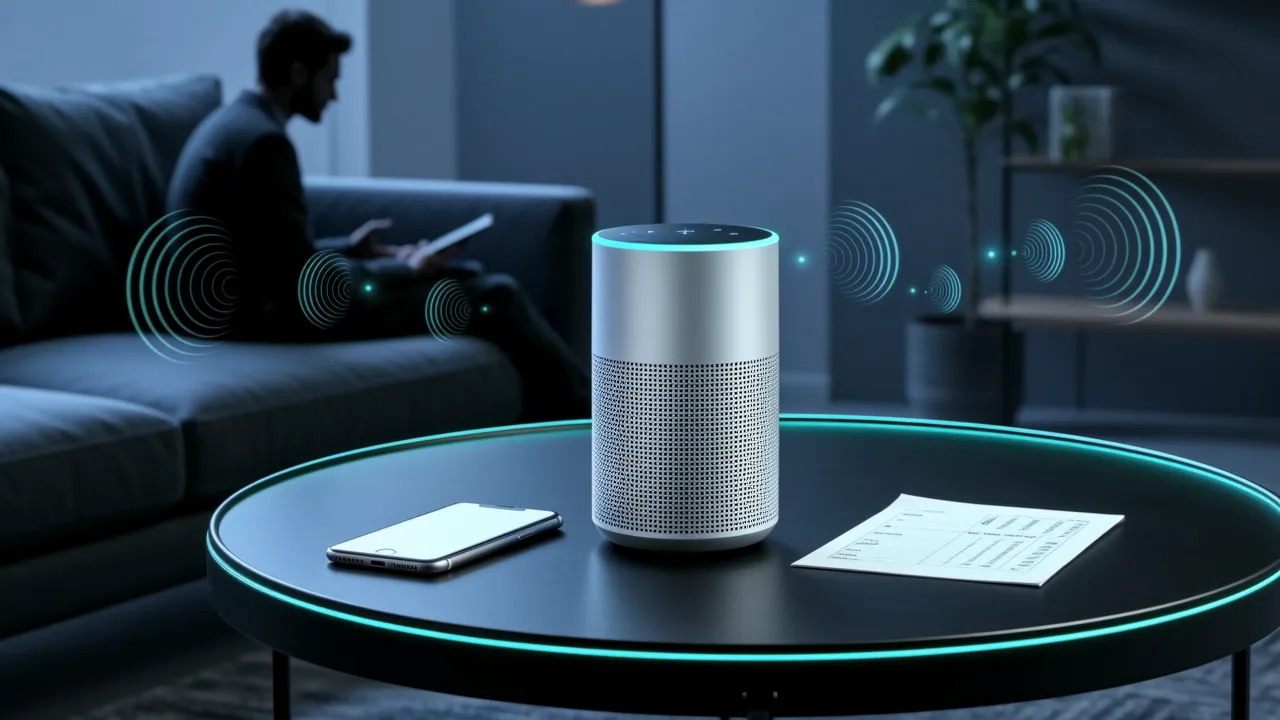
Google also previewed Google Home, a voice-activated product that brings the Google assistant to any room of the house; it was to be released later that year [1]. For phones, the assistant was built into Allo, a messaging app that also includes Smart Reply, a feature that suggests short replies to a message. Duo was introduced alongside it as a companion app for one-to-one video calling, with a feature called Knock Knock [1].
The rest of the lineup
Reviews of the conference outside Google listed a broader set of products. Chinese state media, going through the announcements, named the Google Assistant, the Google Home speaker, Allo, Duo, Android N and the Daydream virtual reality platform among the products shown [2].
What the assistant was meant to be
Putting the assistant at the center changed how Google described its own products. A search box waits for a query typed into it; a conversational assistant is expected to keep track of an exchange and to follow the user from one device to another. That is what the phrases "ongoing two-way dialogue" and "ambient experience" point at: the same helper available in the phone in a pocket, in a messaging thread, and in a speaker standing in a room [1]. Google Home was the clearest illustration of the idea, since the product is simply a way to put the assistant into a room of a house without a screen or a keyboard in front of the user [1].
Why it matters
The I/O 2016 announcements marked a shift in how a major technology company framed its consumer products: not as separate apps and devices, but as surfaces for one assistant. Allo, Duo and Google Home were each described in relation to the assistant rather than on their own [1]. For observers, the conference was also a snapshot of what a major platform company considered ready to ship — a speaker promised for later that year, two communication apps, a new version of Android and a virtual reality platform, all listed together in coverage of the event [2].
Sources
- 1I/O: Building the next evolution of GoogleGoogle (Official Blog)
- 2谷歌I/O 2016大会回顾:新品都在这儿了人民网IT频道
Cite this page: Google introduces the Assistant and Google Home at I/O 2016. TellWorld, https://www.tellworld.net/news/google-io-assistant-2016. Updated 2026-11-08