Background
Most frontier model announcements centre on a single system: one flagship, one table of benchmark scores, one access channel. On 3 September 2026, the Institute of Foundation Models (IFM) used a different format, announcing a release called K2 Horizon in Abu Dhabi [1].
What was announced
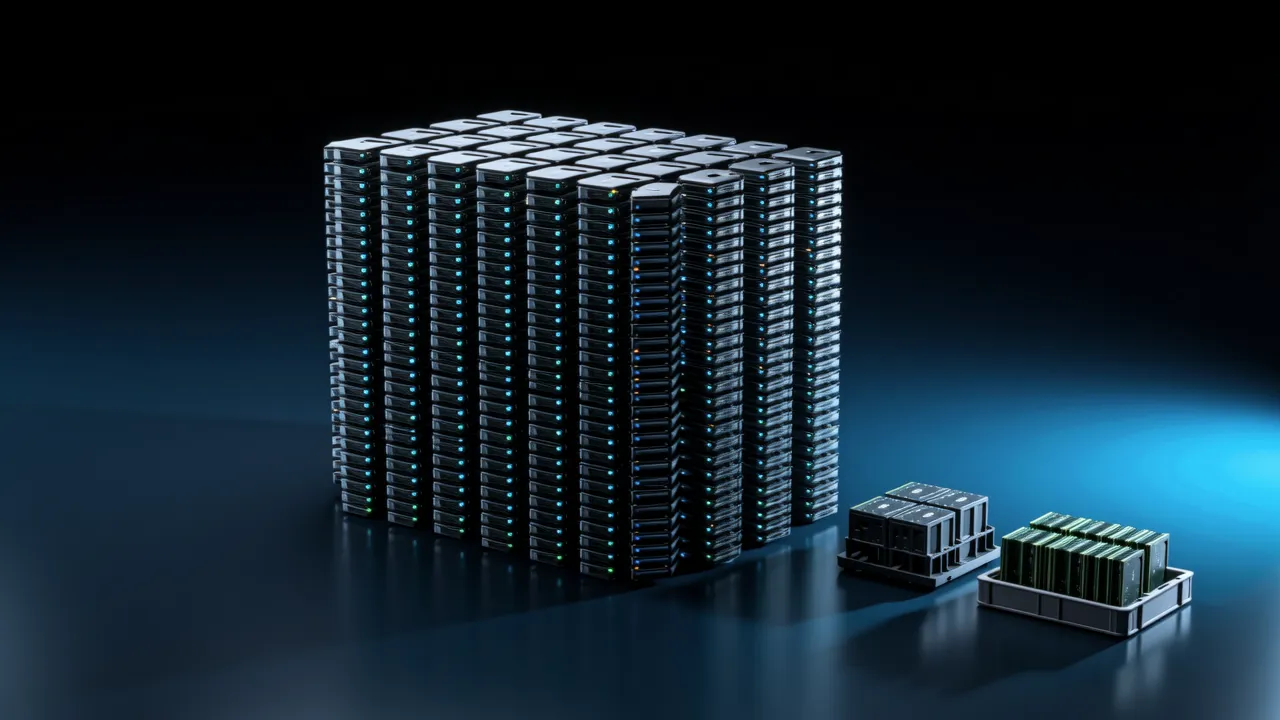
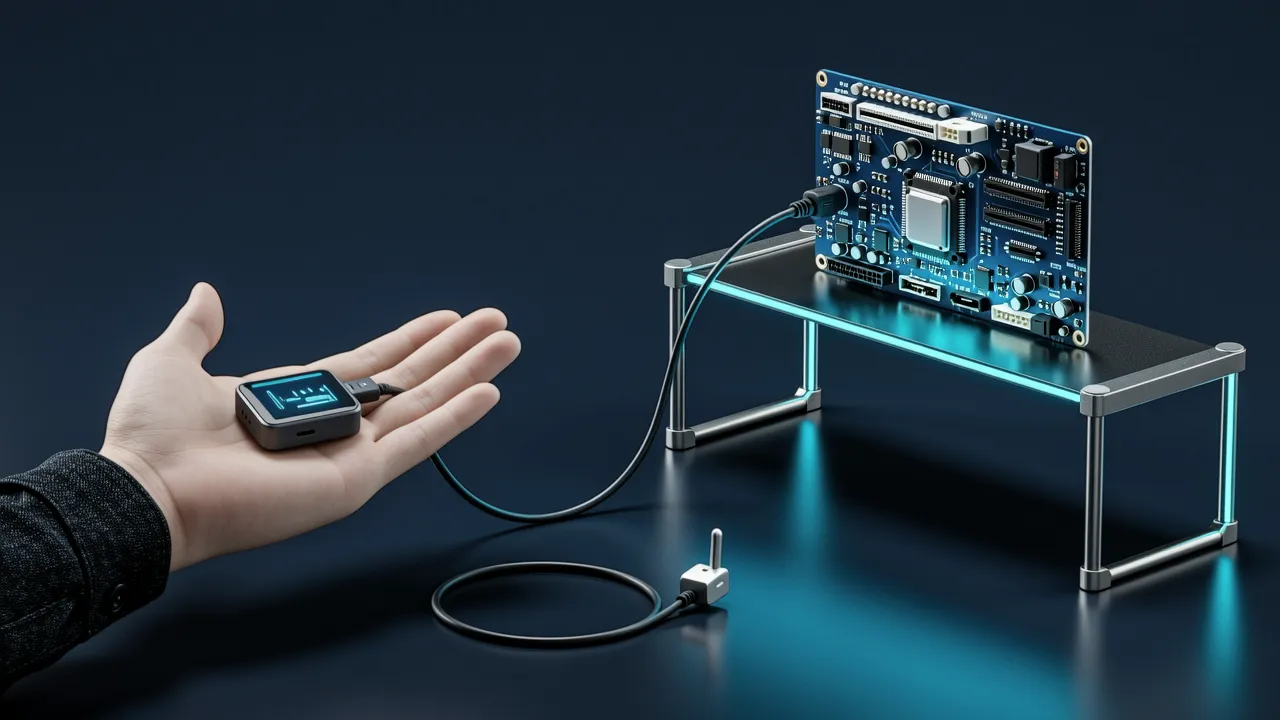
The launch covered six models at once rather than a single flagship [1]. Hector Liu described the fleet as running from a model small enough for a watch to an enterprise flagship [1]. That span matters because models of very different sizes are used in very different places: the smallest members of such a family run on devices where memory, power and latency are tightly constrained, while the largest serve data-centre workloads where throughput and quality dominate.
One of the models has 7 billion parameters. It scored 56.4 on IFM's Arabic evaluations before adaptation [2]. The number describes base capability ahead of any task-specific tuning, which is the stage at which a model's general strength in a language is usually assessed.
Key details
Two design choices shape how the fleet is meant to be used.
The first is packaging. Every model in the fleet ships with its training data, recipe and evaluations [1]. Releasing weights alone gives others the parameters of a trained model but not the record of how it was built or how far it can be trusted; shipping data, recipe and evaluations together gives outsiders the material to check the claims and to reproduce the process. Eric Xing framed the release as open science rather than open weights alone [1]. The distinction is between handing over an artefact and handing over the method behind it.
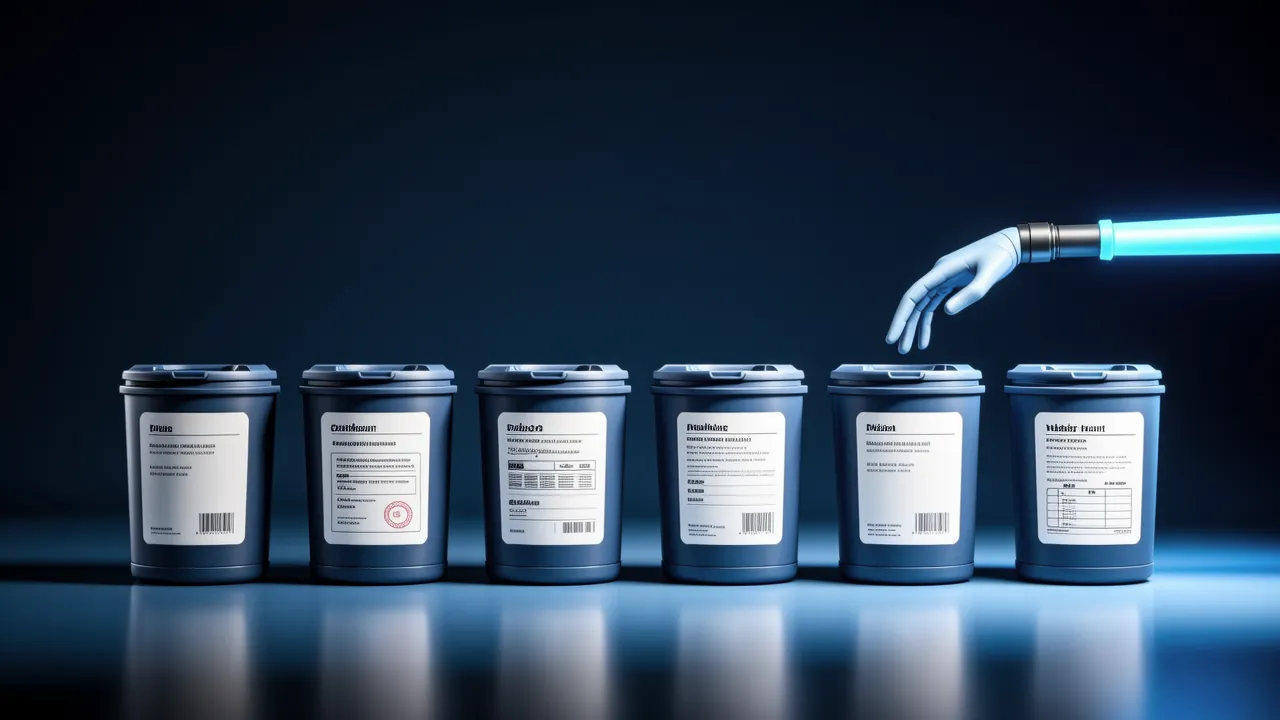
The second is routing. A dynamic routing technique is meant to send each task to the cheapest adequate model in the fleet [1]. Instead of a user choosing one model and sending everything to it, a routing layer examines the incoming request and decides which member of the family can handle it at the lowest cost. A short, simple request might go to a small model that answers quickly and cheaply; a harder request that the small model would fail is passed upward to a larger one. The point is not to make every query use the strongest model, but to spend the larger model's capacity only where it changes the answer. Whether a router can judge "adequate" reliably is the practical question such a design has to answer, since a misrouted request saves money and loses quality at the same time.
Position
The company described the launch as its expansion into a global frontier lab with three offices [1]. Announcing six models at once, with their data and evaluation records attached, and pairing them with a cost-aware router, places the release in the part of the field that competes on transparency and on efficient deployment rather than on a single headline score.
Sources
- 1K2 Horizon press releaseInstitute of Foundation Models
- 2Jais 3 press releaseInstitute of Foundation Models
Cite this page: IFM launches the six-model K2 Horizon fleet. TellWorld, https://www.tellworld.net/news/k2-horizon-2026. Updated 2026-11-07