Background
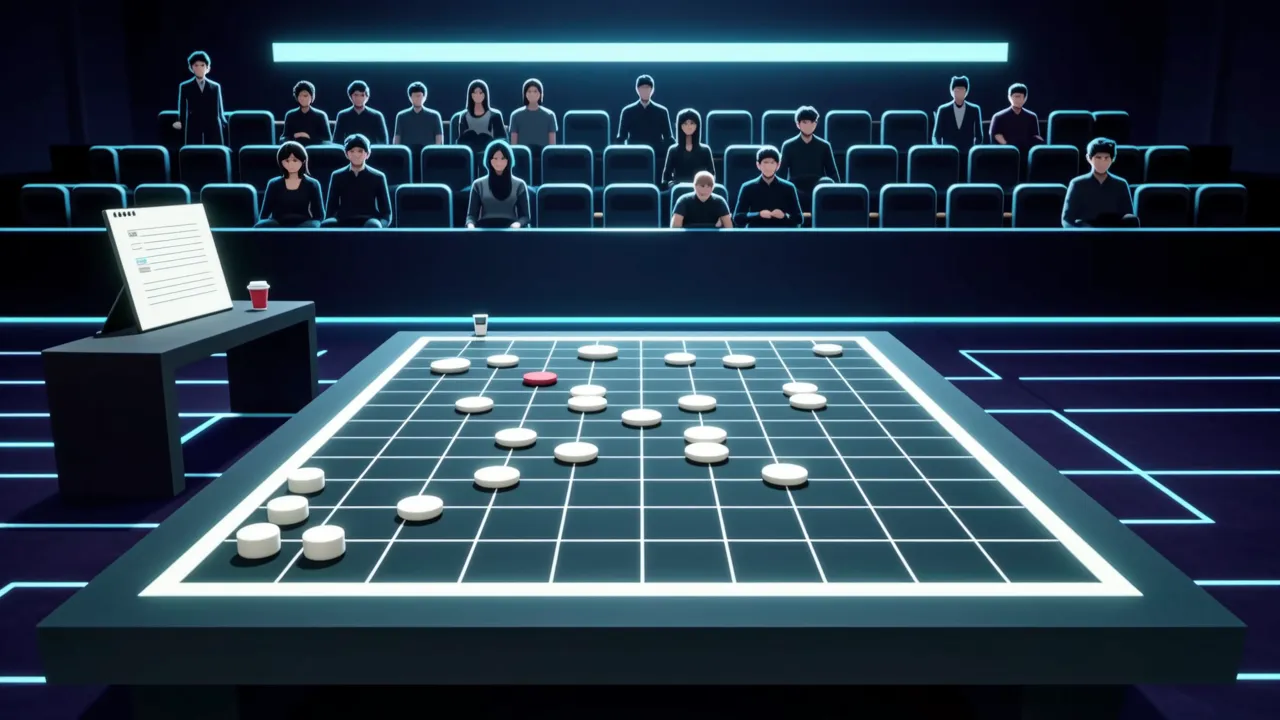
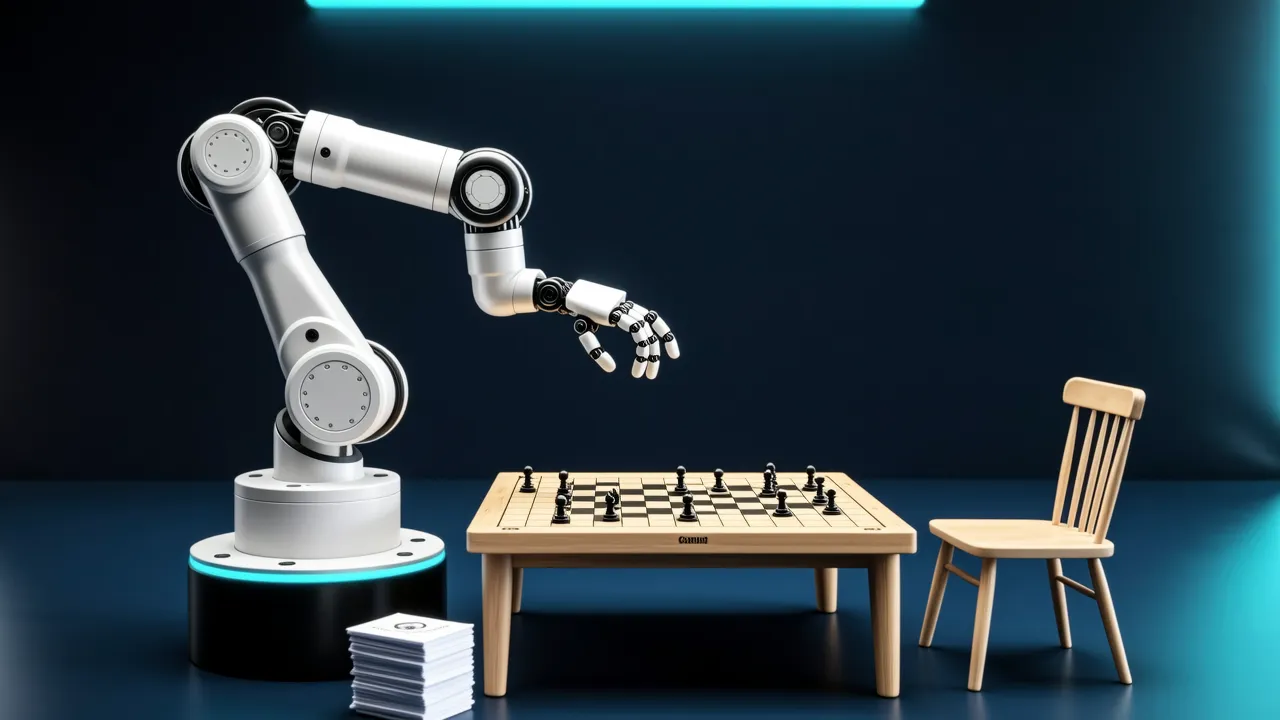
Go is a board game played with black and white stones. For AI, it is a difficult game because good play depends on patterns across the whole board and on long sequences of moves; a program cannot simply calculate every possibility. In the AlphaGo line, the Lee Sedol version and AlphaGo Master were two comparison points for the new system.[1]
What happened
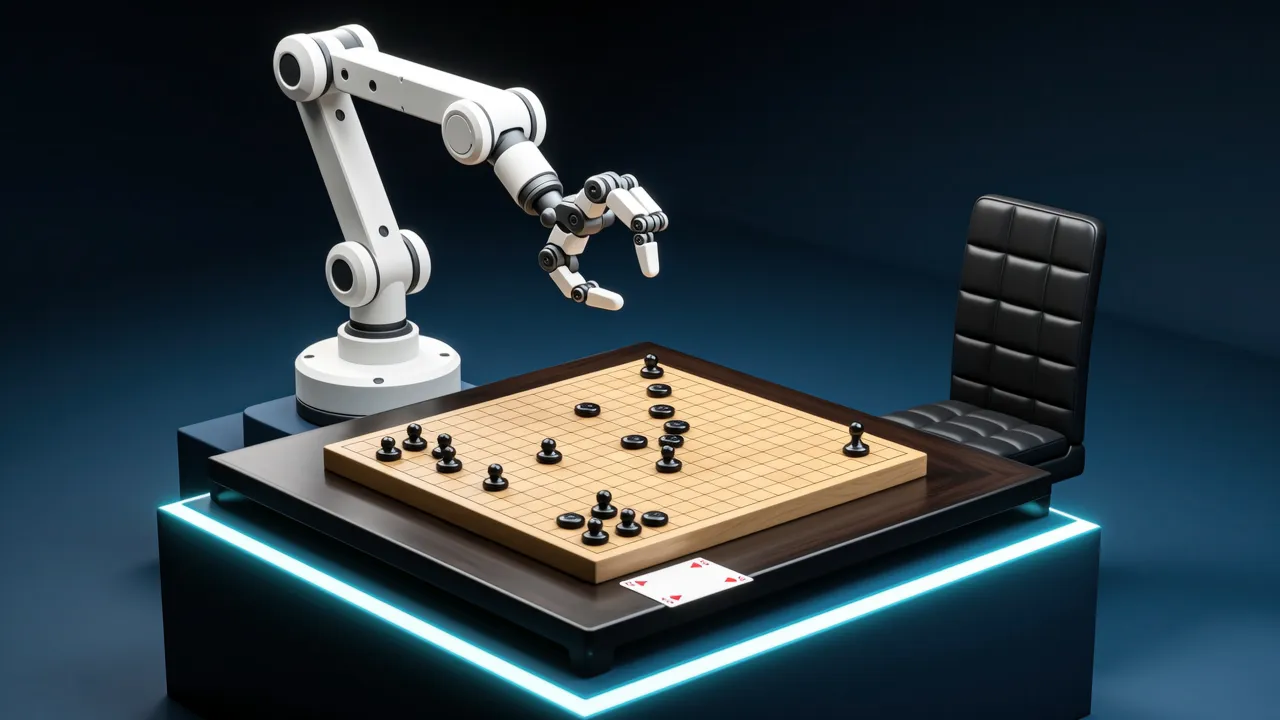
On 18 October 2017, DeepMind announced AlphaGo Zero. A Nature article followed the next day.[1][2] The central change was the starting point: AlphaGo Zero began from random play and learned only by playing against itself.[1] Its input was limited to the black and white stones on the Go board.[1] That meant it did not begin with a library of human games or with extra descriptions of the position; the raw board was the starting material.[1]
Key details
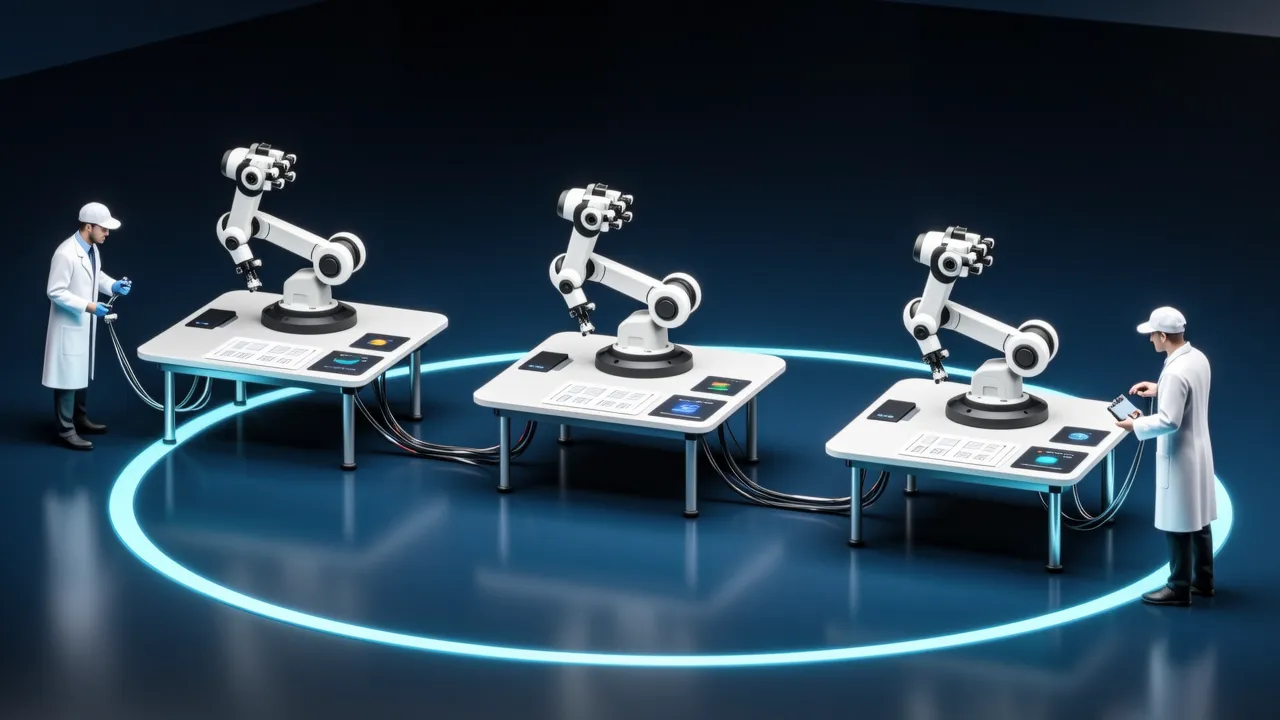
The system used a single neural network and far less hardware than an earlier version: 4 TPUs, compared with 48 for AlphaGo Lee.[1] It learned from millions of games played against itself.[1] In self-play, the same system plays both sides; each game produces a result, and many games give the system experience to adjust its network. This is the general idea behind learning by self-play: no external teacher supplies moves, and the system's own games become the training material.
Training time was short by the standards of the comparison. After three days of training, AlphaGo Zero beat the Lee Sedol version of AlphaGo 100–0.[1] After 40 days, it surpassed AlphaGo Master.[1] The 100–0 score is a match result, not a single game; it indicates that the newer system won every game in that comparison.[1]
Why it mattered
AlphaGo Zero mattered because it showed that Go skill could be learned from self-play alone, starting from random play, with the board stones as the only input.[1] It also showed that a single neural network and 4 TPUs could outperform a version that used 48 TPUs.[1] DeepMind announced the result and documented it in Nature, so the method could be examined publicly.[1][2]
Within the AlphaGo line, it became the version that started from scratch and surpassed AlphaGo Master after 40 days.[1] Its 100–0 result against the Lee Sedol version gave a concrete comparison for how far self-play training had moved the system.[1] The event is therefore remembered less as a single match score than as a demonstration of a different training path: random start, self-play only, a single network, and much less hardware.
Sources
- 1AlphaGo Zero: Starting from scratchGoogle DeepMind
- 2AlphaGoWikipedia
Cite this page: AlphaGo Zero learns Go from scratch. TellWorld, https://www.tellworld.net/news/alphago-zero-2017. Updated 2026-11-08