Background
In July 2025 Anthropic won a $200 million contract with the US Department of Defense [1]. Like other developers of large language models, the company builds safeguards into its models — rules about what a model will and will not do — and treats those rules as part of the product rather than an optional setting.
What happened
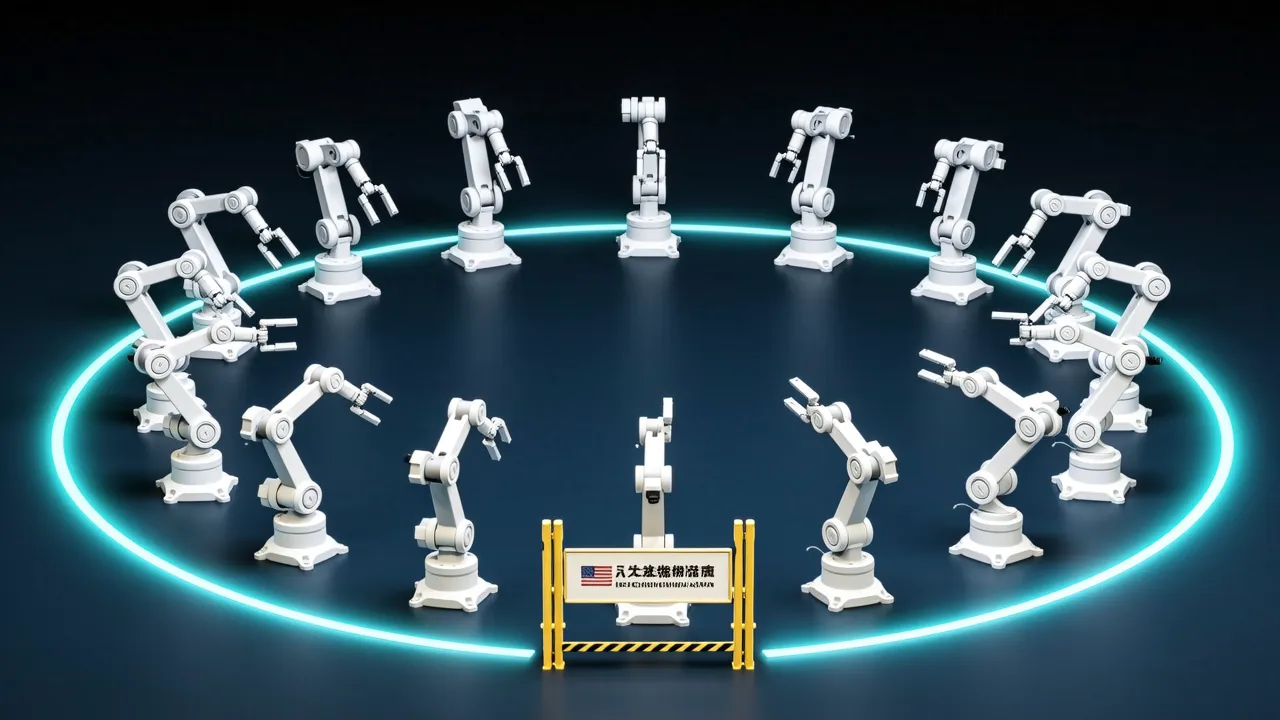
On 24 February 2026 Defense Secretary Pete Hegseth threatened to cut Anthropic out of the Defense Department supply chain, or to invoke the Defense Production Act, unless the company dropped its safeguards [1]. The Defense Production Act is a law that lets the government direct companies to prioritize work it considers necessary for national security.
Anthropic rejected the demands on 26 February [1]. The next day, President Trump ordered federal agencies to stop using Anthropic's models [1]. According to CNN, Hegseth and the President also directed agencies to sever ties with companies that do business with Anthropic [3].
The "supply chain risk" label
On 5 March 2026 the Pentagon formally designated Anthropic a "supply chain risk", and Anthropic challenged the designation in court [1]. The sources differ on the timing of this step: CNN reported in late March that the Pentagon had leveled the label the previous month, and that Hegseth took the step in February [3]. A designation of this kind matters beyond a single contract, because government buyers and the contractors who work with them tend to keep their distance from a company that carries it.
The court fight
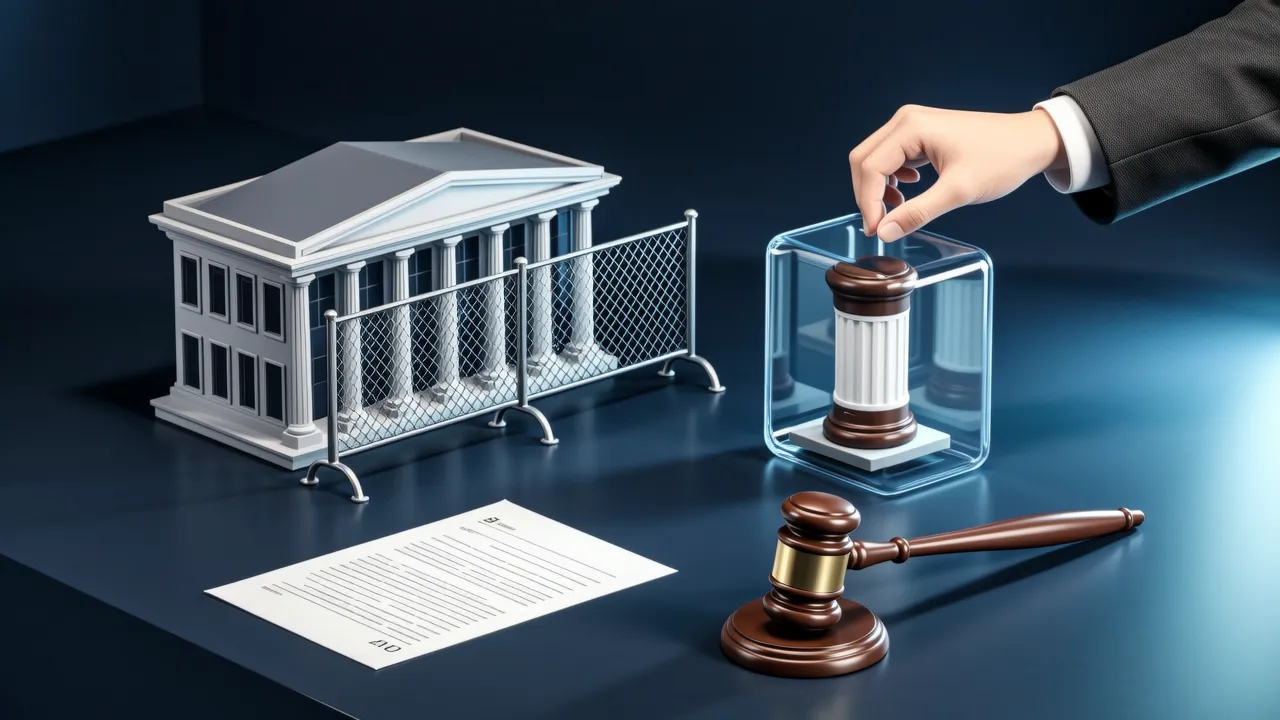
On 26 March 2026 federal judge Rita Lin issued a temporary injunction [1]. In her opinion she described the government's action as "classic illegal First Amendment retaliation" [1][3]; the same ruling is also rendered as finding that the action "appears to be classic First Amendment retaliation" [1]. The ruling ran to 43 pages and indefinitely blocked the Pentagon's effort to label Anthropic a supply chain risk [3].
The First Amendment to the US Constitution protects freedom of speech and expression, and it restricts the government from punishing a person or a company for the positions it takes. The judge's conclusion was that the procurement pressure applied here looked like punishment for the company's stance rather than an ordinary purchasing decision.
Aftermath
Wikipedia's article on Claude reports that a judge ruled the phase-out order illegal in August 2026 [2].
Why it matters
The episode put two things on a collision course. Governments buy AI systems as customers and generally want to use them on their own terms, while AI developers increasingly treat safety limits as a fixed part of what they sell. When a government customer and a vendor disagree about those limits, it had been unclear what tools each side could legitimately use. This case supplied an answer, at least provisionally: cutting a vendor out of the federal supply chain, and ordering agencies to drop its products and to distance themselves from its business partners, can be challenged in court as retaliation. Because the injunction came at the temporary stage, the underlying dispute over the label was left to be resolved later, but the government's pressure campaign was stopped in the meantime. For companies that sell AI to the military, the case marked out a boundary between procurement decisions and punishment for a vendor's stated position — and made clear that the boundary would be tested in front of a judge rather than settled inside the Pentagon.
Sources
- 1AnthropicWikipedia
- 2Claude (language model)Wikipedia
- 3
Cite this page: Pentagon designates Anthropic a supply chain risk. TellWorld, https://www.tellworld.net/news/anthropic-pentagon-2026. Updated 2026-11-08