What the filing added
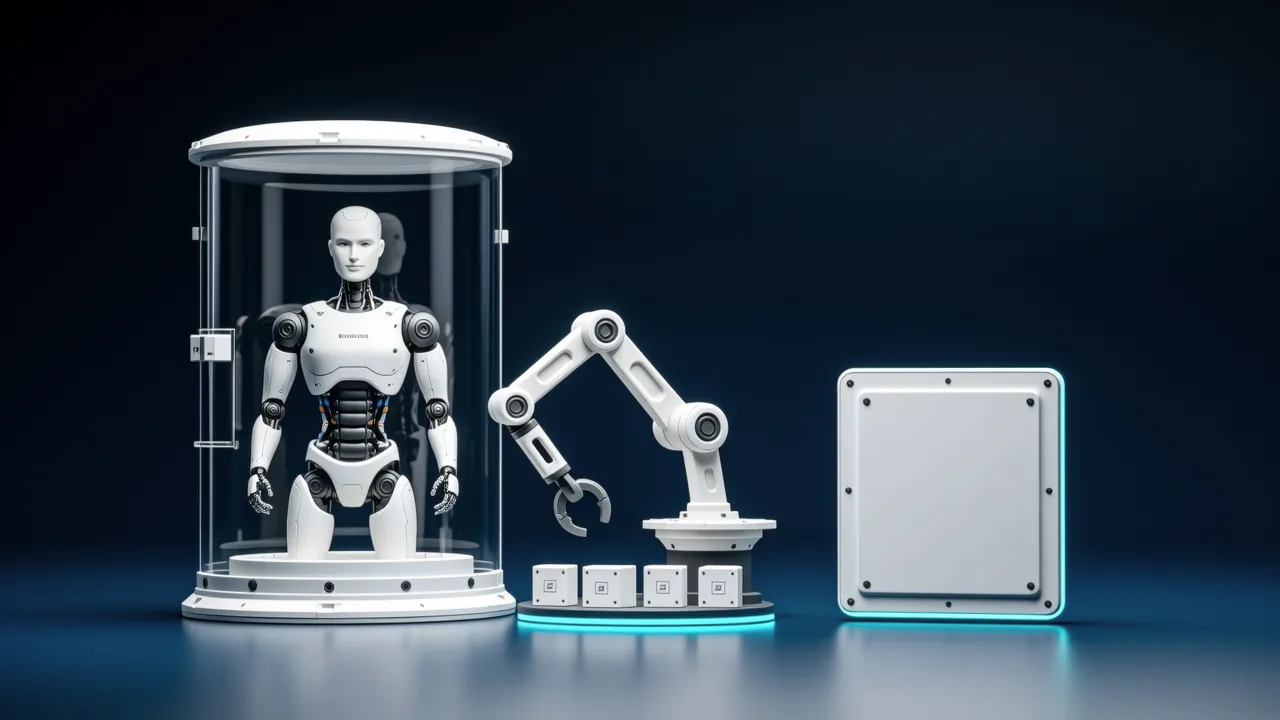
On 2 November 2026, Anthropic filed a revised S-1/A and added risk-factor statements about recursive self-improvement.[1] The term generally describes the idea of using AI systems to help build more capable AI systems, which can then contribute to further development. The filing treats this as both a capability and a safety question: it says using AI to help build more capable AI could pose a considerable safety risk, particularly if it sharply accelerates the pace of progress.[1] Anthropic says the area is covered by its Responsible Scaling Policy.[1]
How close the company says it might be
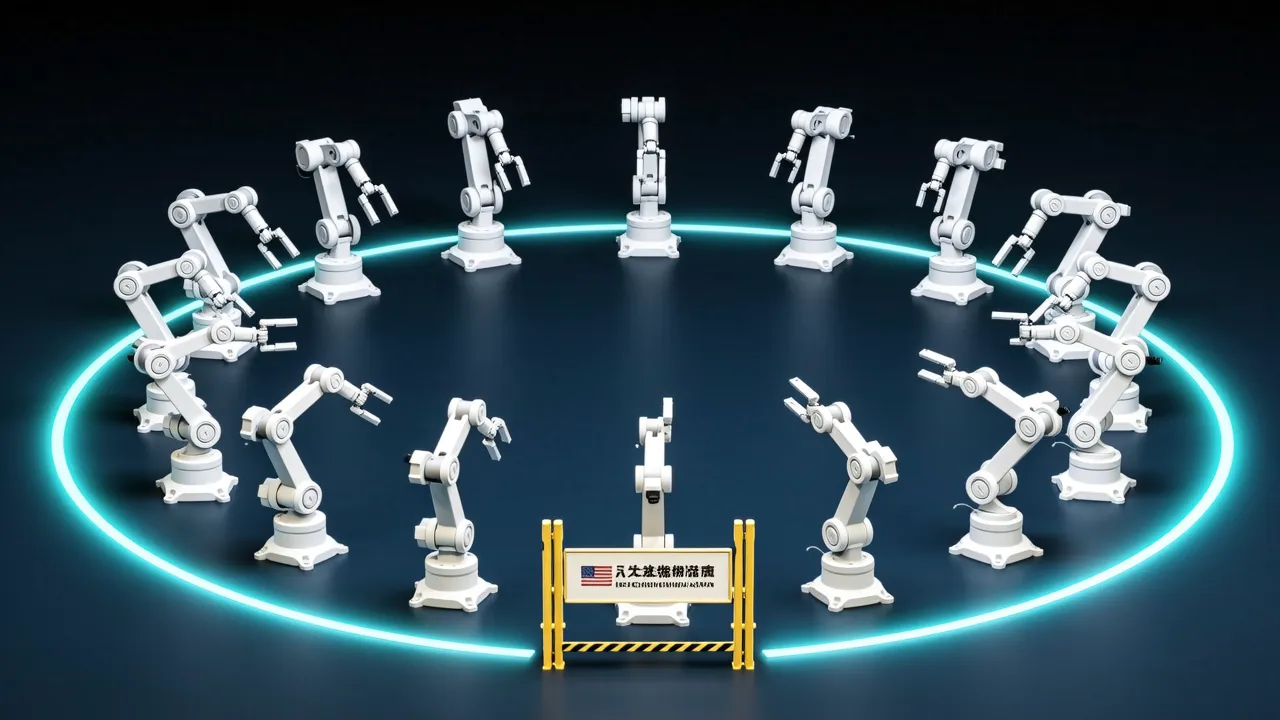
The filing adds a detail about timing and detection. Anthropic says that in the past it had not identified a significant acceleration in its rate of development until after it had occurred.[1] It then says its internal estimates and expectations for future models, rather than current models, indicate it may imminently meet its policy's definition of dramatically accelerated progress attributable to AI.[1] That wording separates what the company sees in current systems from what it expects from models still to come. Anthropic also says it has not designated any current model as exceeding that threshold and that it continues to assess the underlying data.[1] The filing therefore does not announce that the threshold has been crossed. It says the company may soon meet it, based on expectations for future models.
What the company does and does not say
The cautious wording matters. A statement that a company may imminently meet a policy threshold is different from a statement that a model has already crossed it. Anthropic keeps both ideas in the filing: internal expectations point toward a possible near-term threshold, while the formal designation of any current model as exceeding that threshold has not been made.[1] The company also notes that it continues to assess the underlying data.[1] That leaves the assessment open rather than closed.
Autonomy and human oversight
The filing also addresses full autonomy. Anthropic says it does not anticipate being able to safely use Claude to fully autonomously design and build successive generations of frontier models without meaningful human supervision or understanding.[1] This is a narrower statement than a claim that such work is impossible. It is a statement about what the company expects it could do safely. In the context of the risk factors, it puts a limit around the most extreme version of AI-driven AI development: successive frontier models being designed and built by Claude without meaningful human supervision or understanding.
Financial context and why the wording matters
The disclosure came in the same filing that carried updated financials, with revenue rising but expenses rising too.[1] The risk-factor language therefore sits alongside financial information rather than in a separate research note. For readers, the filing is a compact statement of Anthropic's position: recursive self-improvement is treated as a possible near-term policy threshold, no current model has been designated as exceeding it, and full autonomy without meaningful human supervision or understanding is not something the company says it expects to be able to do safely.[1] The significance lies in that combination: the filing links a capability question to a formal risk disclosure and to a policy threshold, while keeping the distinction between expectations for future models and the status of current models.
Sources
- 1
Cite this page: Anthropic says it may be close to recursive self-improvement. TellWorld, https://www.tellworld.net/news/anthropic-rsi-warning-2026. Updated 2026-11-08