Background
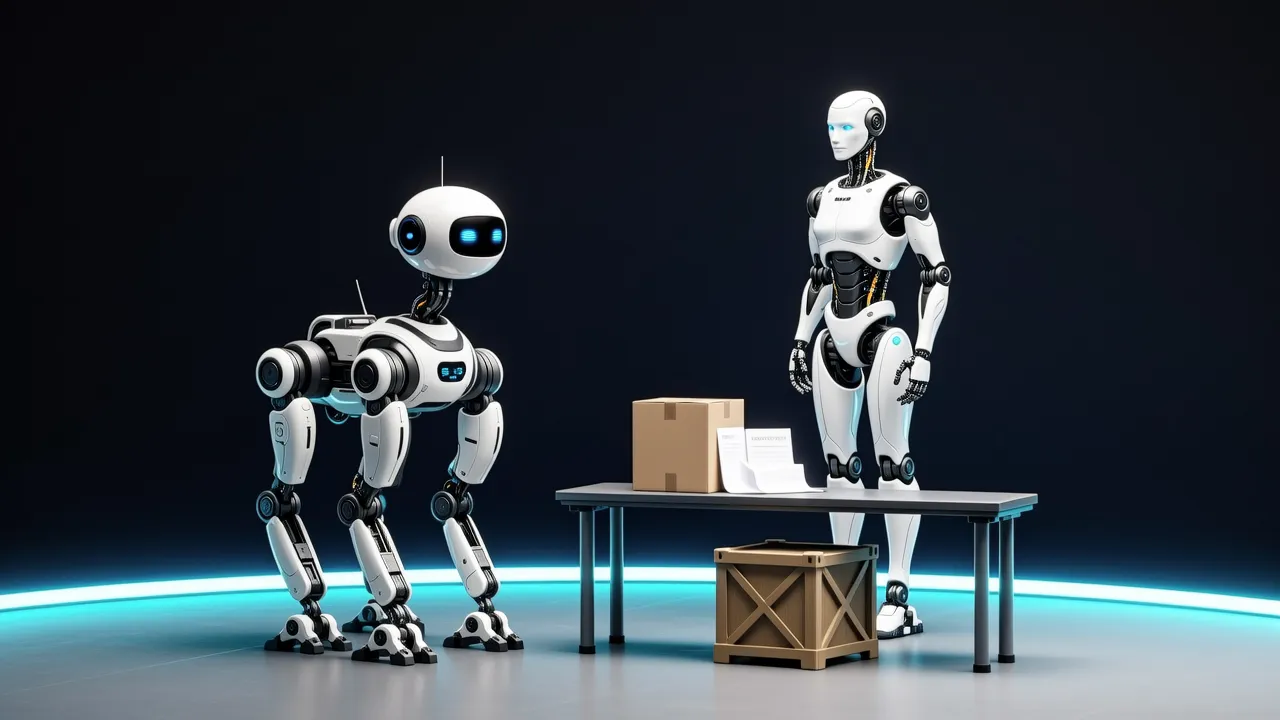
Atlas is Boston Dynamics' humanoid robot: a two-legged machine built to move through and work in spaces designed for people. The version the company had been showing for years ran on hydraulics — actuators that push pressurized fluid through cylinders to generate motion. The new machine replaces that robot, which the company calls the hydraulic Atlas, or HD Atlas, and which it retired at the same time as it announced the replacement [1].
The commercial context matters. Hyundai had acquired a majority stake in Boston Dynamics in June 2021, and the carmaker was expected to test the electric Atlas for automotive manufacturing [4].
What happened
On 17 April 2024 Boston Dynamics released a video introducing a fully electric version of Atlas, described as designed for real-world applications [1]. The announcement was also the retirement notice for the hydraulic model: the electric Atlas takes its place [1].
Swapping hydraulics for electric actuation changes what the machine can be. Hydraulic systems can produce large forces but bring fluid lines, pumps and maintenance along with them; electric motors and drives are generally simpler to control precisely and easier to integrate with software. Boston Dynamics framed the change not as a like-for-like replacement but as a step up in capability.
Key details
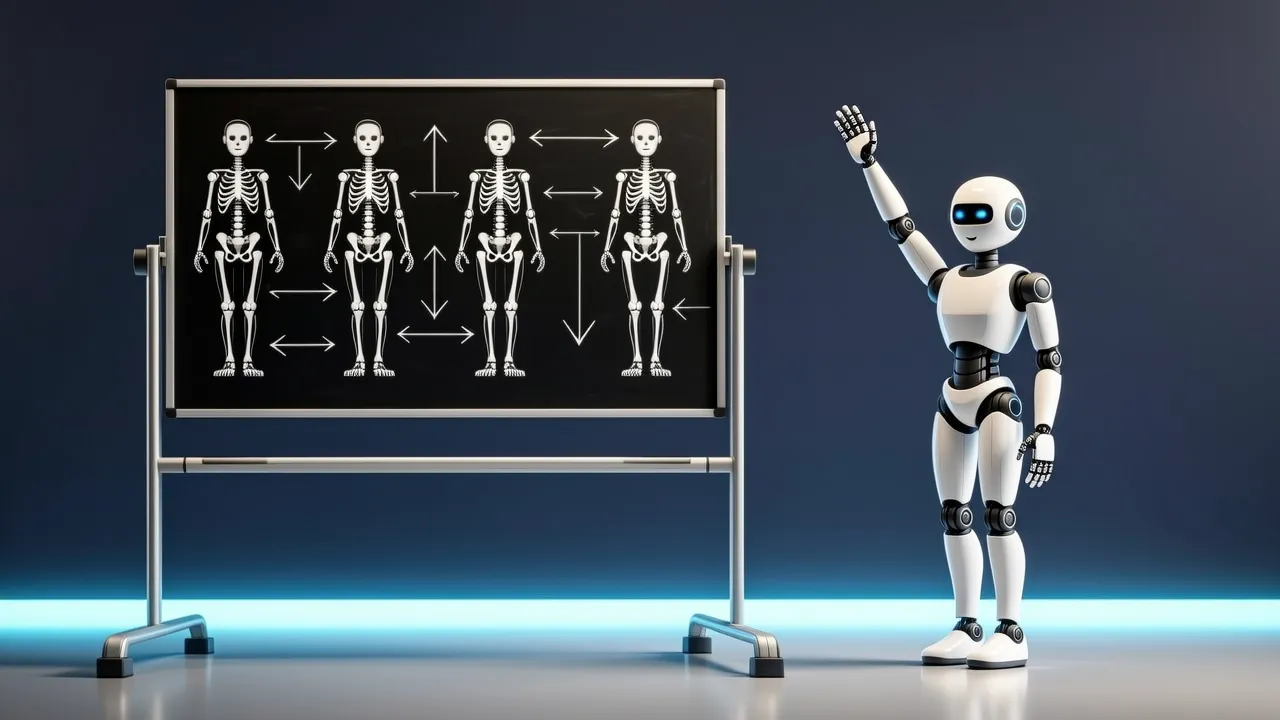
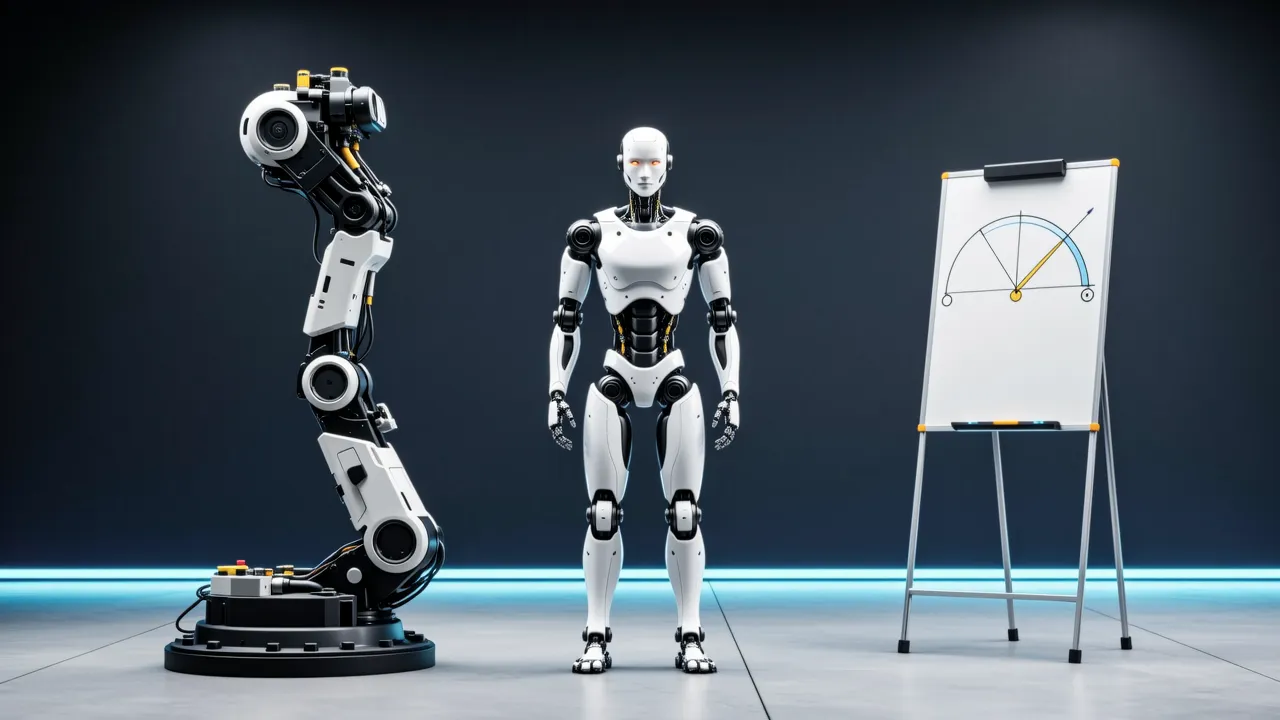
The company said the electric Atlas would be stronger than any previous generation, with a broader range of motion, and that it was designed to be more dexterous and more agile [1]. It also said the robot would not be constrained by a human range of motion and would move in ways that exceed human capabilities [1][3].
Hands were part of the redesign. Boston Dynamics said it was exploring several new gripper designs for a variety of manipulation tasks [1].
The commercial plan was spelled out at the same time. Atlas was to join Spot and Stretch as a commercial product, aimed at dull, dirty and dangerous tasks, and to be integrated into Orbit, the company's fleet-management software [1]. As a marker of how far that business had already gone, the company said it had more than 1,500 Spot robots deployed [1].
How the rollout was meant to work
The first partner was Hyundai, an investor in Boston Dynamics, whose automotive manufacturing facilities would serve as a testing ground [1]. The company said it would follow the pattern it used for Stretch, working with a small group of innovative customers over the following years, starting with Hyundai [1]. Hyundai's majority stake, taken in June 2021, made it the natural first site for that kind of trial in automotive manufacturing [4].
The sequence — a small set of partners, real facilities, then wider deployment — is the same path the company had taken with its other commercial machines rather than a general launch.
Why it matters
The retirement of the hydraulic Atlas closed a long chapter of research-driven hardware and opened one aimed at customers. Boston Dynamics later described April 2024 as the decisive reset in Atlas's development and the start of its commercial journey [2]. For anyone watching humanoid robots, the shift was less about a new video than about where the machine was headed: out of the lab and onto factory floors, beginning with the company's own majority shareholder.
Sources
- 1An Electric New Era for AtlasBoston Dynamics
- 2Atlas' Evolution From Research Robot to Industrial HumanoidBoston Dynamics
- 3
- 4
Cite this page: Boston Dynamics retires hydraulic Atlas and unveils electric Atlas. TellWorld, https://www.tellworld.net/news/atlas-electric-2024. Updated 2026-11-08