Background
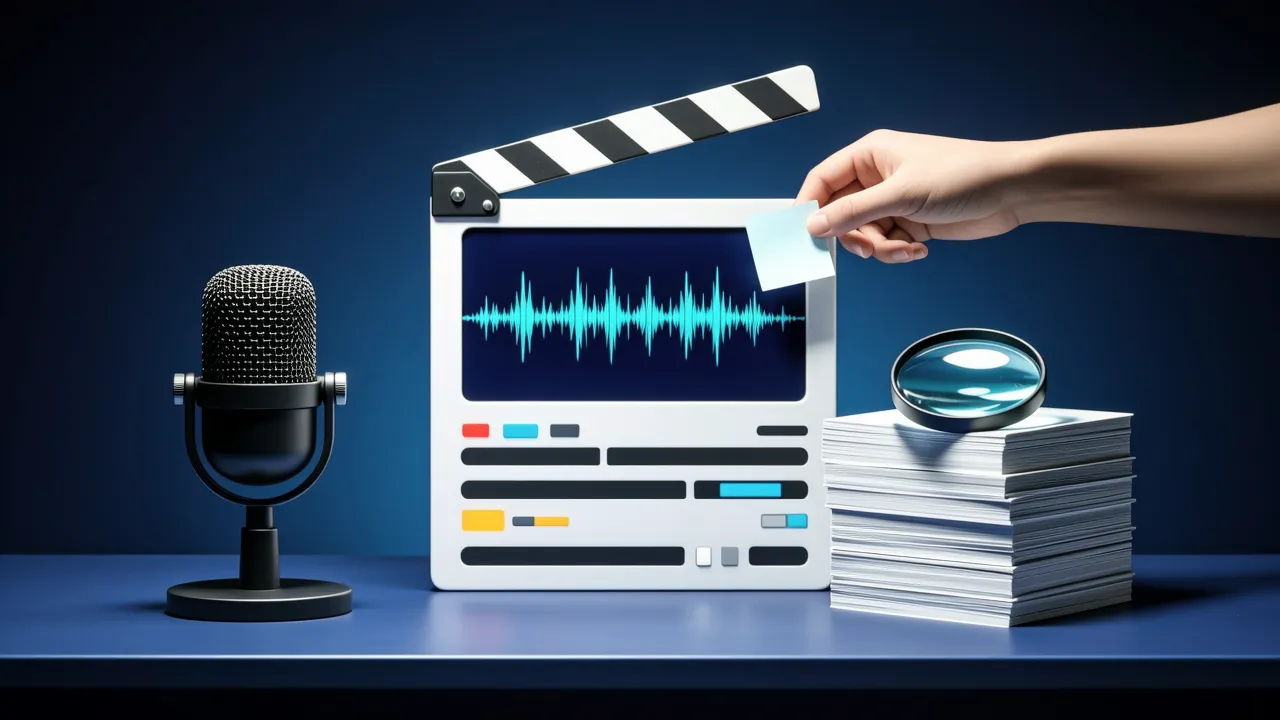
Generative AI has made it cheap to produce text, sound, images and video in large volumes. The practical problem this creates is not only that synthetic material exists, but that a reader, listener or viewer usually cannot tell it apart from material made by a person. Labelling rules try to answer that question at the source: instead of asking people to spot generated content after the fact, they require the content to carry a mark saying how it was made.
What was issued
Four Chinese departments — the Cyberspace Administration of China, the Ministry of Industry and Information Technology, the Ministry of Public Security and the National Radio and Television Administration — jointly released the Measures for Labeling AI-Generated Synthetic Content [1]. The measures took effect on 1 September 2025 [1][2].
Two kinds of labels
The measures divide labels into two forms. Explicit labels are presented as text, sound or graphics on the content or on the interface, and are meant to be clearly perceptible to users [1]. Implicit labels are added to the file data by technical means [1]. The split reflects two different audiences: an explicit mark is for people who encounter a picture or a clip, while an implicit mark is for software — platforms, apps and tools that can read file data and act on it without a human having to look first.
Obligations along the chain
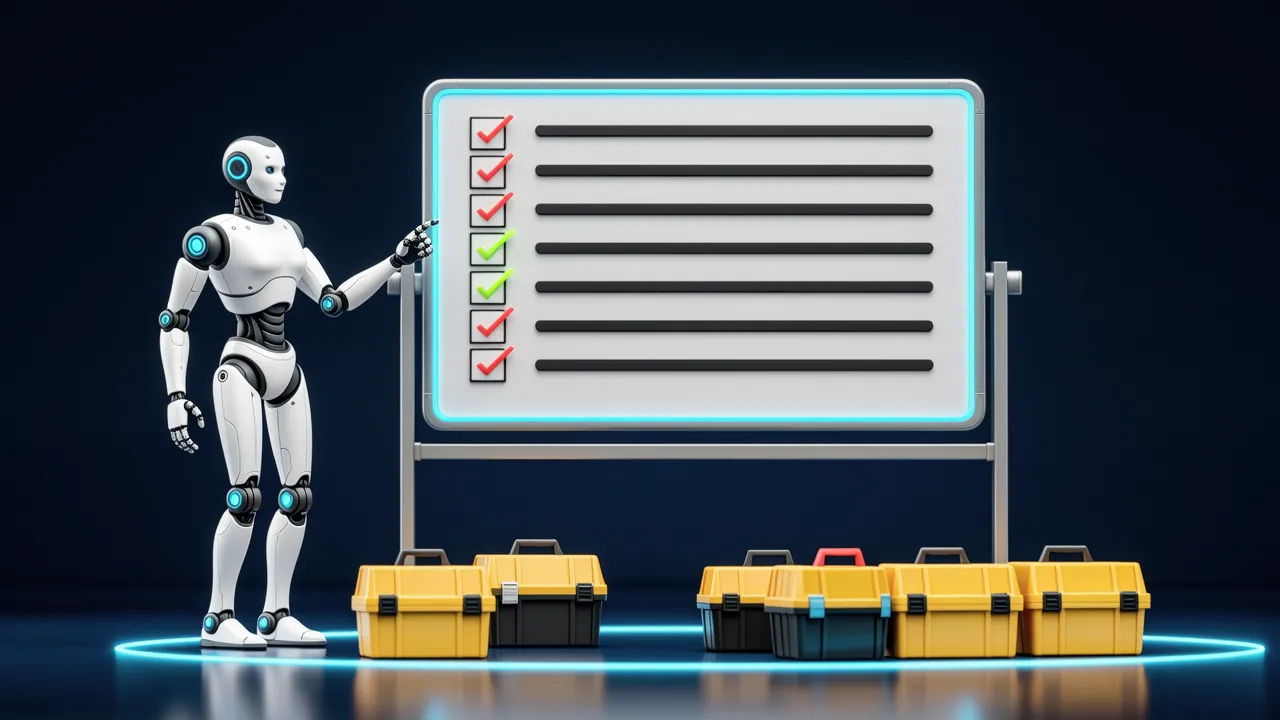
Service providers carry the main duty. They must add explicit labels to generated text, audio, images, video and virtual scenes, and must ensure that files contain the required explicit labels when download, copy or export functions are provided [1][3]. They must also add implicit labels in the metadata of generated content, including content attribute information, the provider's name or code, and a content number [2][3].
Distribution channels have duties too. Internet application distribution platforms must require providers to state whether they offer AI generation services, and must verify their labelling materials during app review [2]. Users are not exempt: those who publish generated content through internet content distribution services must proactively declare it and use the labelling function the platform provides [2].
Read together, the rules cover three points in the chain — the service that generates the content, the app store that distributes it, and the person who posts the result — rather than placing the whole burden on one of them.
Prohibitions
The measures also protect the labels themselves. No organisation or individual may maliciously delete, tamper with, forge or conceal these labels, or provide tools or services for others to do so [1]. Without such a clause a label would be easy to strip out, and the requirements above would mean little in practice.
A supporting technical standard
A mandatory national standard, Security Technology — Labeling Method for AI-Generated Synthetic Content, was published at the same time as the measures [3]. A standard of this kind sets out how the marking is done technically, which is what allows marks produced by one product to be read and checked by another system.
Why it matters
The design shifts the question of whether content is generated from after-the-fact detection to the moment of production: content leaves the service carrying a mark, and the party reading that mark does not first have to judge whether the material is real. The division between explicit and implicit labels lets one set of rules serve ordinary users and automated systems at the same time.
How much the rules change in practice depends on execution at each link: whether providers write the labels as required, whether app stores check the labelling materials during review, and whether users declare generated content when they publish it. The ban on deleting or tampering with labels, and the accompanying national standard, are there to give those links a technical method to follow and a clear boundary to respect.
Sources
- 1
- 2
- 3强化全流程管理 引导技术向善——《人工智能生成合成内容标识办法》解读中国政府网(新华社)
Cite this page: China's AI-generated content labelling rules take effect. TellWorld, https://www.tellworld.net/news/china-ai-labeling-rules-2025. Updated 2026-11-07