Background
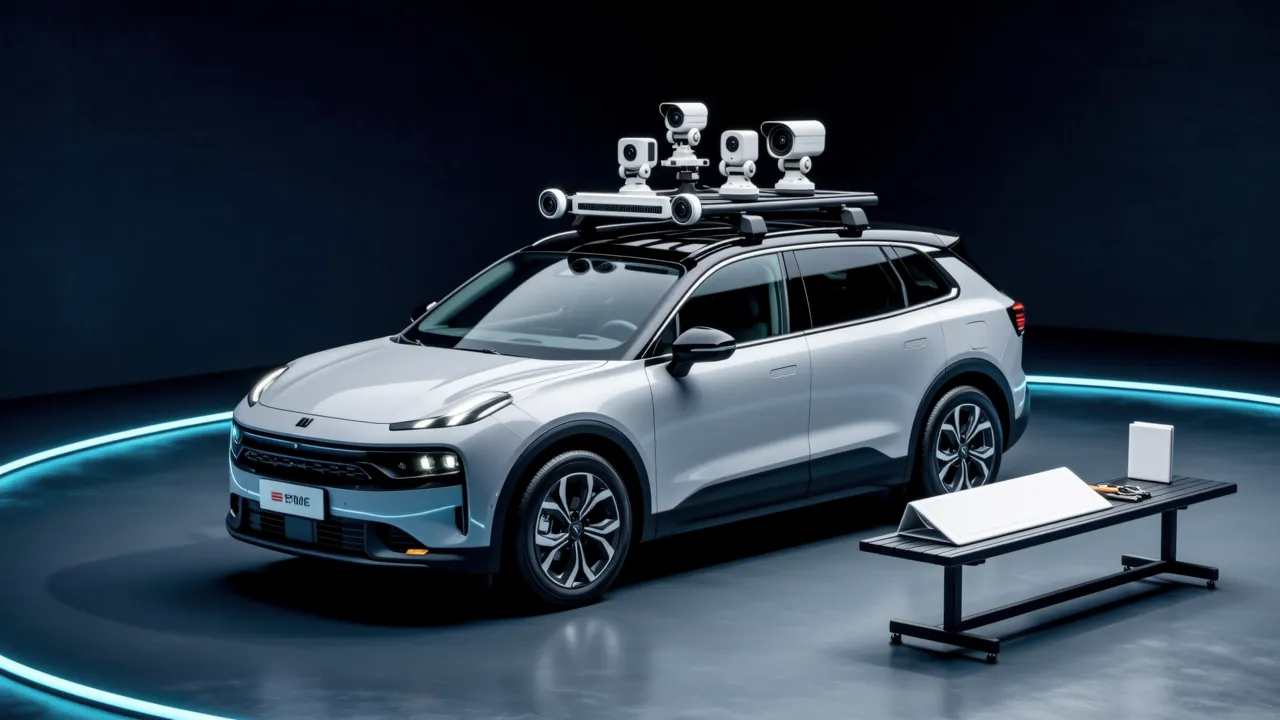
A self-driving car is a vehicle that senses its surroundings and works out its own steering, acceleration, and braking instead of waiting for a person to react. The usual way to build one is to start with an ordinary production car, add sensors, computers, and actuators, and keep the steering wheel and pedals so that a trained test driver can take over at any moment. This arrangement is convenient for testing, but it also reveals how much the machine is trusted: the human controls stay in place as a fallback.
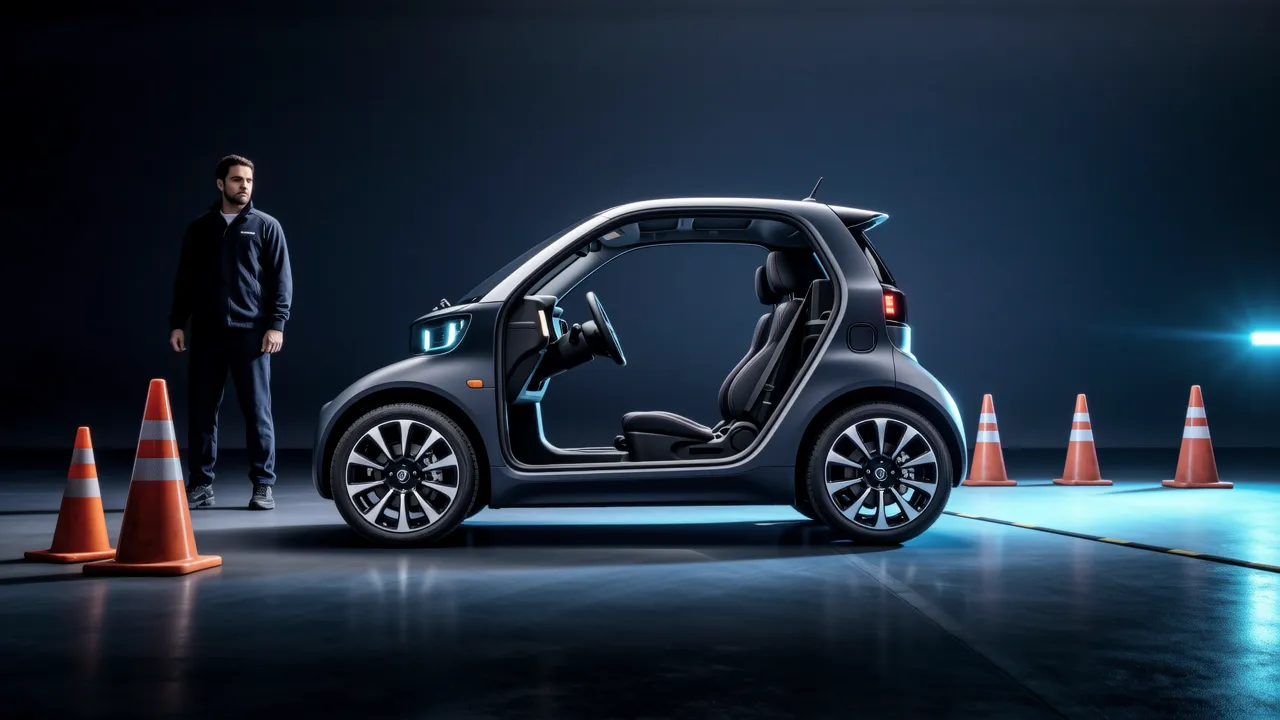
The prototype Google showed in 2014 went the other way. It was designed from the start around the assumption that the software, not a person, is responsible for driving.
What happened
On 27 May 2014, Chris Urmson, director of the Google Self-Driving Car Project, published the design of the project's prototype vehicle on the Official Google Blog[1]. The prototypes were designed to operate without human intervention and had no steering wheel, accelerator pedal, or brake pedal at all[1]. Google said it planned to build about a hundred prototype vehicles[1].
Publishing a design rather than a finished product was itself part of the announcement: the company was describing what it intended to build and how it intended to test it, not reporting results from a road-ready car.
Key details
The first vehicles were capped at 25 mph[1]. That limit matches the shape of the vehicle: it had two seats with seatbelts, a space for belongings, start and stop buttons, and a screen showing the route[1]. A low top speed keeps the energy of any impact modest and suits short trips at low speed, which is the kind of driving the design was aimed at first.
The sensing was meant to replace a driver's eyes. Google said the sensors removed blind spots and could detect objects more than two football fields away in all directions[1]. Covering every direction matters because a car without a steering wheel cannot rely on a person to check the lane it is not looking at.
Testing was to be staged. Safety drivers were to start testing early versions with manual controls later in the summer of 2014[1]. In other words, the first vehicles on the road would not be the no-steering-wheel design at all, but development mules that a person could still drive, with the fully self-driving version following once the software had earned it. If testing went well, Google said it wanted to run a small pilot programme in California within a couple of years[1]. That plan was conditional and stated as an intention at the time.
Why it mattered
Google framed the project as a step toward improving road safety and transforming mobility for millions of people[1]. The safety argument rests on the fact that most crashes involve human error, so a system that never gets tired, distracted, or reckless could in principle avoid a large share of them. The mobility argument is about people who cannot drive themselves.
Beyond the claims, the design was a public statement about what a self-driving car should look like. Removing the wheel and pedals makes the vehicle's responsibility unambiguous: there is no half-state in which a person is nominally in charge. It also forced the practical questions into the open: how such cars are tested, who sits in them during testing, what happens in an emergency, and what speed and routes they are allowed on. The announced plan, a hundred prototypes, safety drivers in manually controlled early versions, and a possible small pilot in California, set out one template for answering them.
Sources
- 1Just press go: designing a self-driving vehicleOfficial Google Blog
Cite this page: Google unveils its own self-driving prototype without a steering wheel. TellWorld, https://www.tellworld.net/news/google-self-driving-prototype-2014. Updated 2026-11-07