Background
DARPA framed the problem around a particular kind of disaster. It cited the Fukushima Dai-ichi nuclear accident as an example of a disaster that would have benefited from more capable robots[1]. The issue was not a lack of machines on the ground but a lack of machines capable enough to do the work such a situation demands.
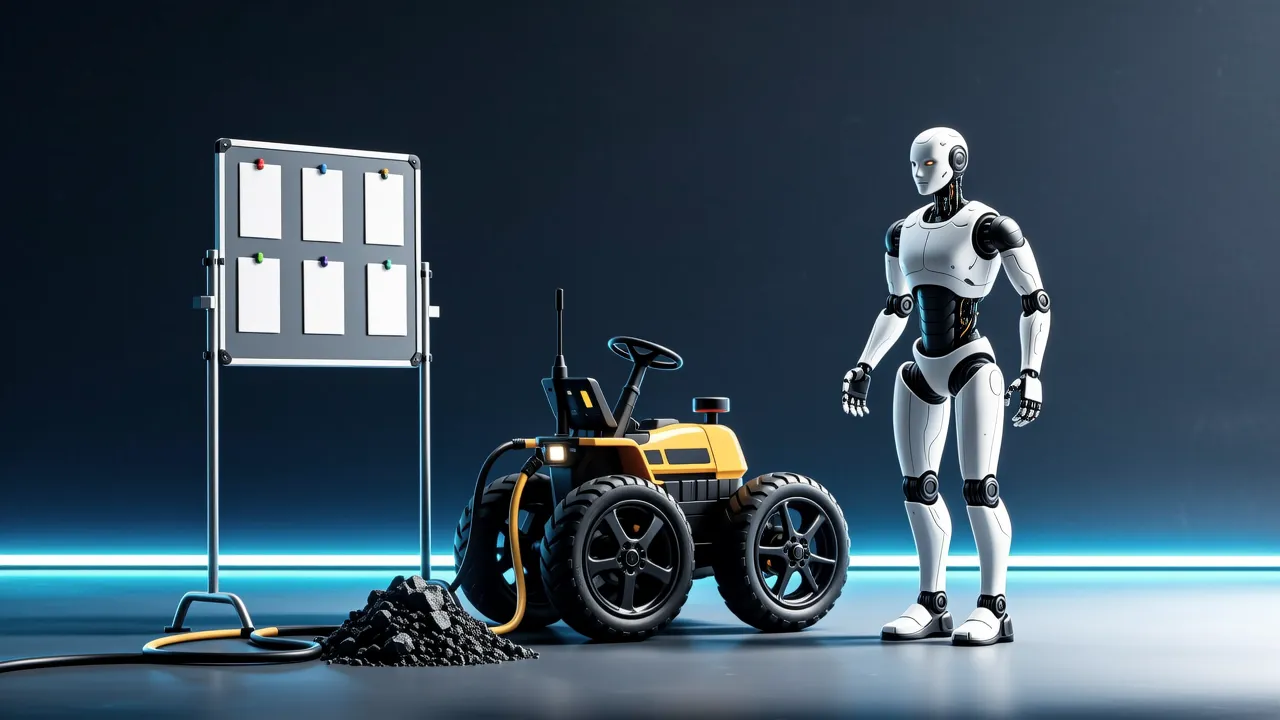
The environments DARPA had in mind were "human-engineered" — buildings, vehicles, doors, ladders and hand tools built to human dimensions and operated by human bodies — and "degraded", meaning already damaged by the event that made them dangerous in the first place. A robot sent into such a place has to fit through the same doorways, reach the same valves and hold the same tools that a person would.
What was announced
On 10 April 2012 DARPA announced the DARPA Robotics Challenge[1]. The stated goal was to develop ground robots able to execute complex tasks in dangerous, degraded, human-engineered environments[1]. DARPA offered a $2 million cash prize to a single winning team at the end of the second challenge[1].
Gill Pratt, the programme manager, said the tasks were "DARPA hard" but not impossible[1] — a way of setting the difficulty deliberately above what was then routine, while insisting the target remained reachable.
The task list
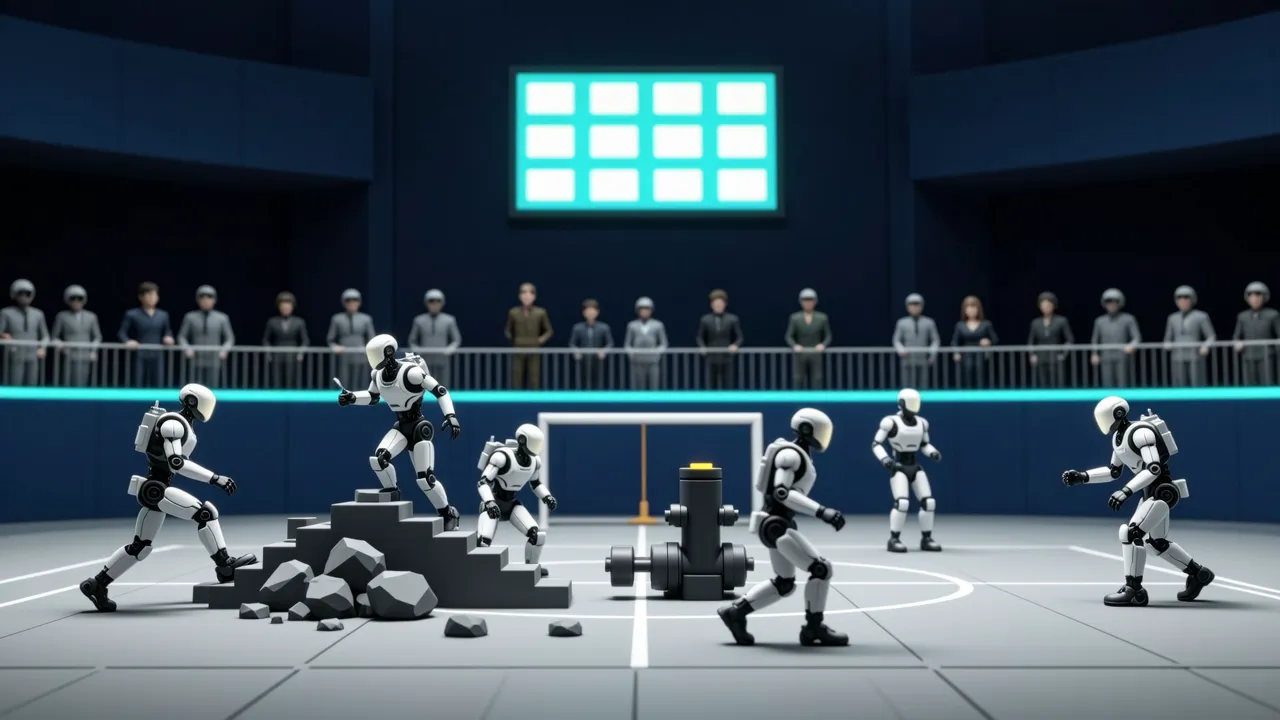
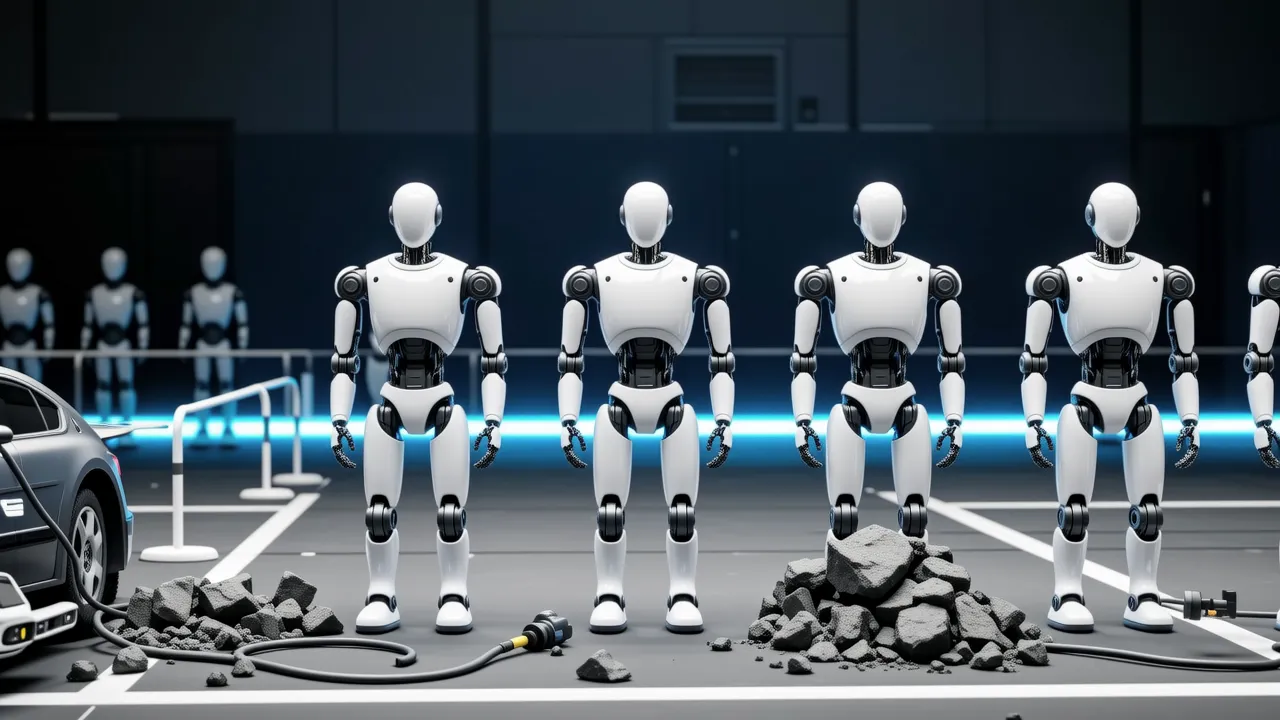
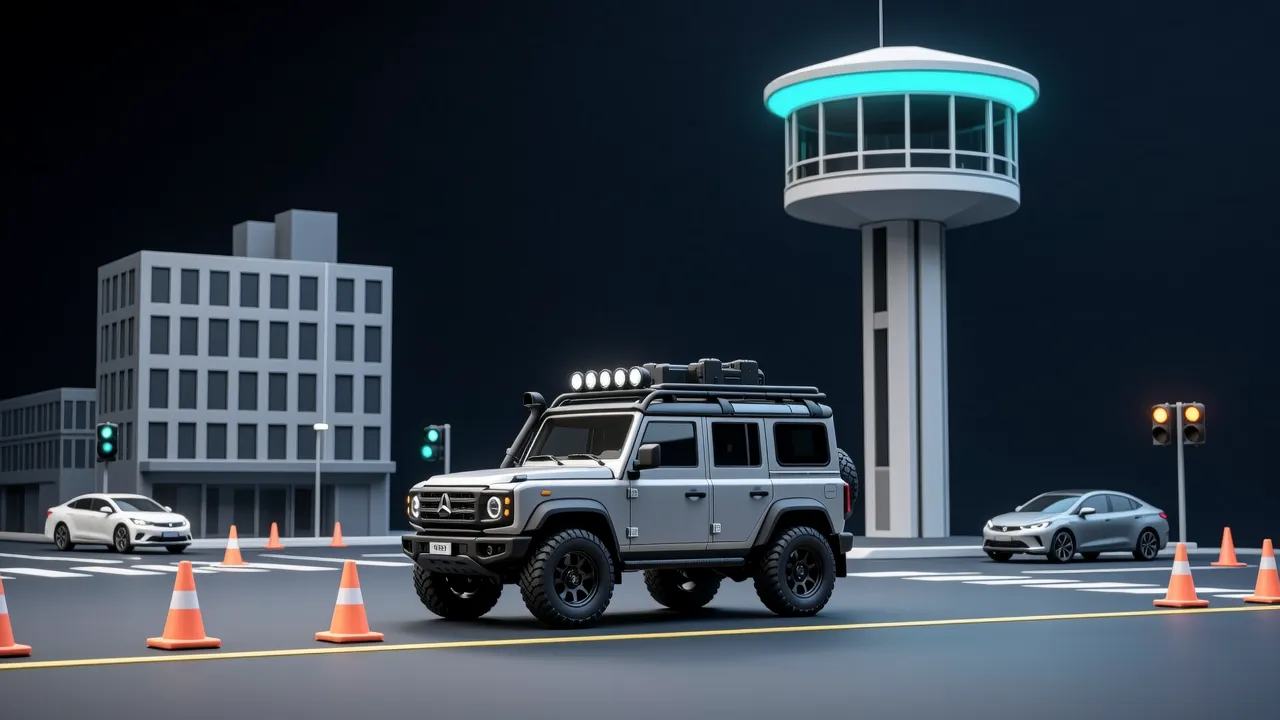
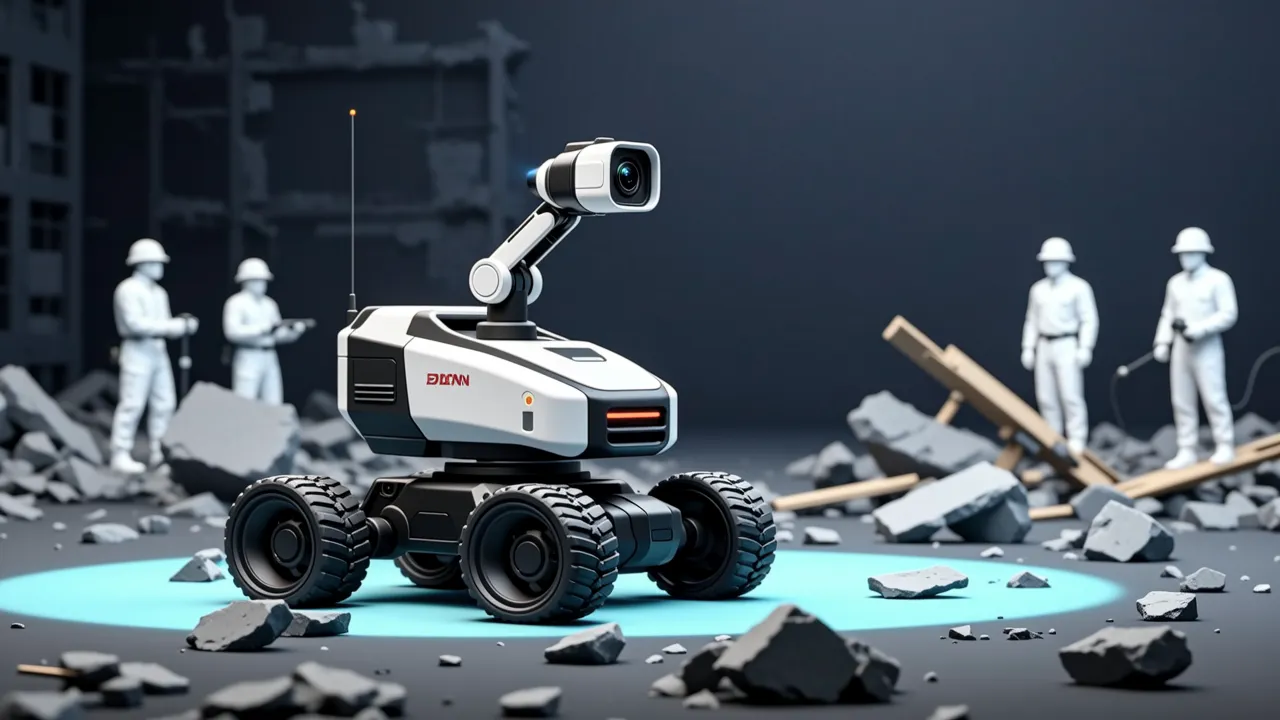
DARPA listed the tasks the robots would have to perform: driving a utility vehicle, travelling dismounted across rubble, removing debris, opening a door, climbing an industrial ladder, breaking through a concrete panel with a tool, closing a valve and replacing a cooling pump[1].
Read in order, the list describes a single plausible errand in a damaged plant: arrive by vehicle, get out, cross broken ground, clear a path, get through a door, climb to where the equipment is, break through a barrier, and then do the plumbing work of shutting a valve and swapping out a pump[1]. The list deliberately mixes two very different kinds of competence. Driving and travelling are about locomotion — staying upright and moving through messy terrain. Opening a door, using a tool, turning a valve and replacing a pump are about manipulation — gripping, pushing, twisting and fitting things together with enough precision to matter. A machine that can do one but not the other cannot finish the job.
Schedule and how teams could take part
DARPA said Phase 1 would run for 15 months, from 1 October 2012 to 31 December 2013, and Phase 2 for 12 months in 2014[1].
The entry rules were built to widen the field beyond groups that could afford to build a machine. NBC News reported that teams without their own robots could test software on a robot expected to be provided by Boston Dynamics[2]. NBC News also reported that companies could apply for five contracts worth $3 million for hardware and software, or 12 contracts worth $375,000 for software only[2].
Why it matters
The design of the challenge makes its reasoning visible. Disaster response is not one skill but a chain of them, and the chain breaks at its weakest link: a robot that can drive across a site but cannot open the door at the end of the drive has done nothing useful. By publishing an explicit task list and a schedule, DARPA turned a vague aspiration — "better disaster robots" — into something that could be measured, compared and worked on by many groups at once[1].
The two-track contract structure, and the plan to let software-only teams use a borrowed robot, separated the software problem from the hardware problem[2]. That let teams compete on control and autonomy without first having to solve the mechanics of walking and gripping, and it let the hardware and software sides of the field develop in parallel. The single $2 million prize, awarded at the end of the second challenge, concentrated effort on one finish line rather than spreading it across many small awards[1].
And the benchmark itself carried a claim about where the difficulty lay. Calling the tasks "DARPA hard" but not impossible placed the challenge in the space between what existing machines could reliably do and what the situation at a site like Fukushima would have required[1].
Sources
- 1
- 2
Cite this page: DARPA announces the DARPA Robotics Challenge. TellWorld, https://www.tellworld.net/news/darpa-robotics-challenge-2012. Updated 2026-11-07