Background
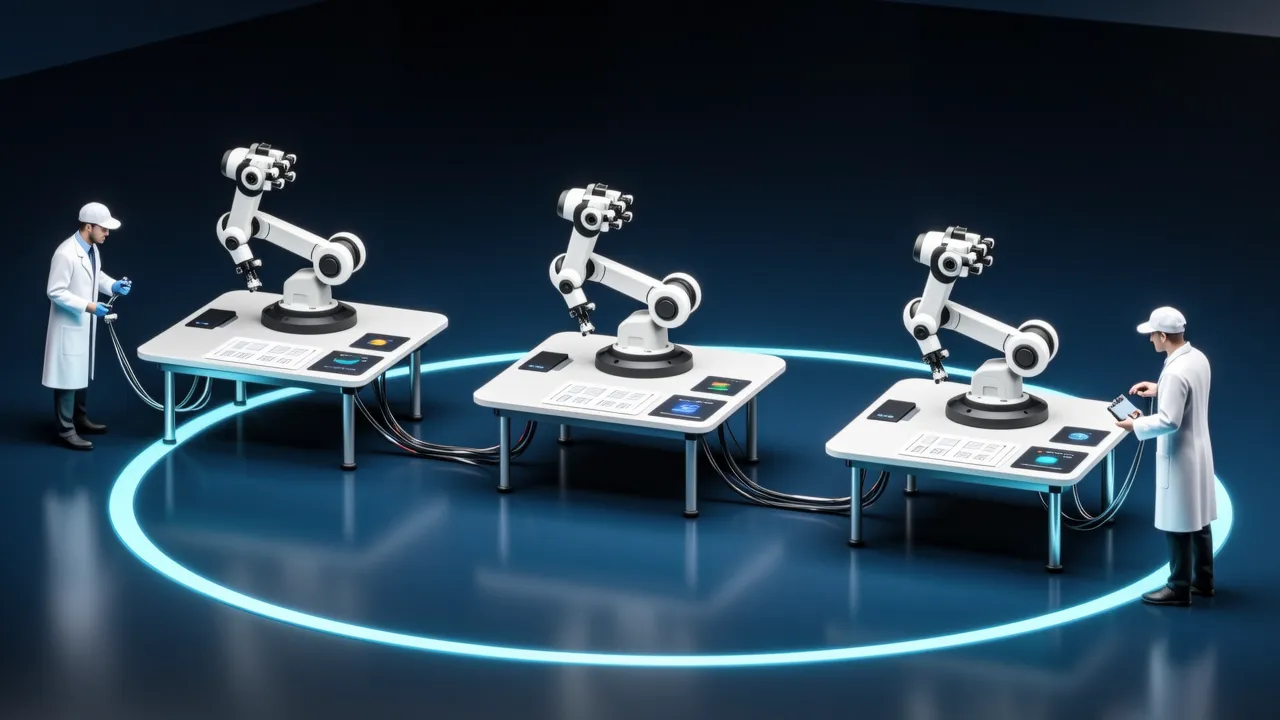
In the public conversation about large language models, the dominant picture had been a conversation: a person types a question, a model writes an answer. "Agentic" describes a different emphasis — models that are handed tools and allowed to take steps on their own, opening pages, running code, calling other software, and reporting back. Google framed Gemini 2.0 as a model built for that shift and put the phrase in the announcement itself: a new AI model for the agentic era[1]. The announcement was made on 11 December 2024 by Demis Hassabis and Koray Kavukcuoglu, with a note from Sundar Pichai[1].
What was released first
The first model out was Gemini 2.0 Flash, and it arrived in experimental form rather than as a finished product. Developers could reach it through the Gemini API, and users of the Gemini app could try it as well[1]. Releasing an experimental model first is a way of getting it into many hands while leaving room to change it.
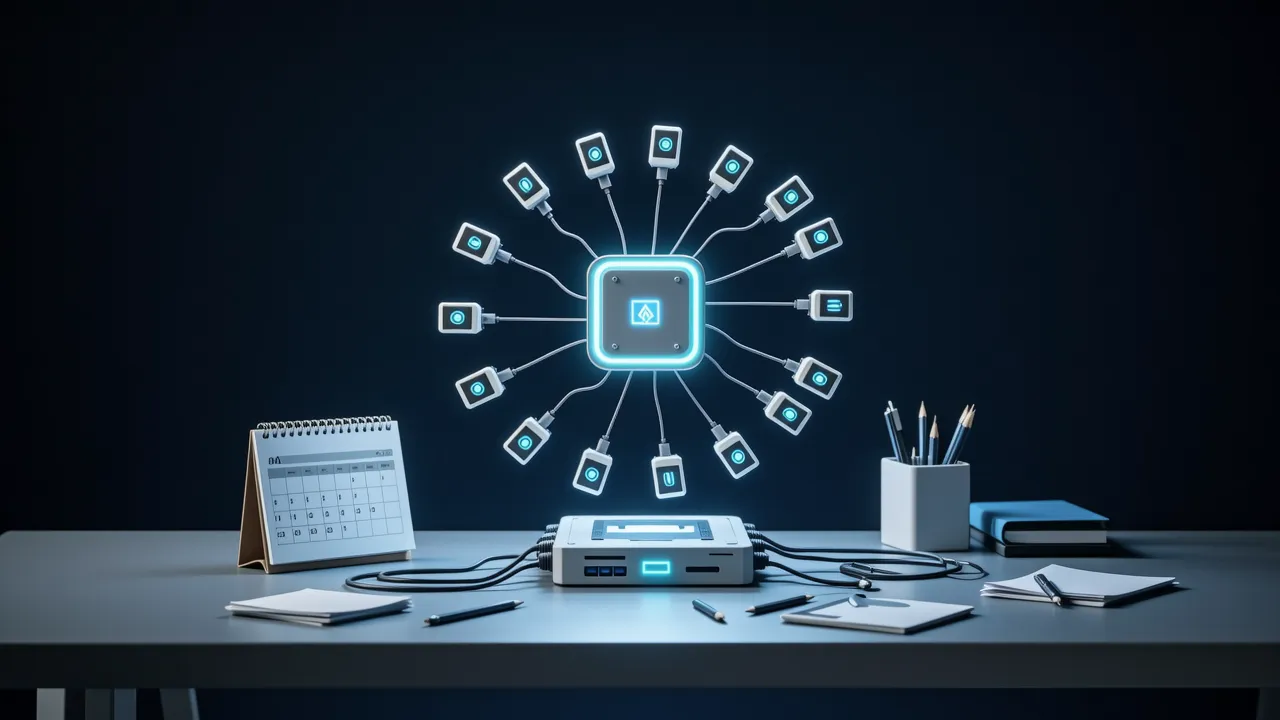
Google's performance claim was comparative: 2.0 Flash outperformed 1.5 Pro on key benchmarks while running at twice the speed[1]. Two capability changes were listed next to the numbers. The model added native image and audio output, meaning it can produce pictures and speech rather than only text, and native tool use, meaning it can call outside functions as part of producing an answer[1]. Both point at agents: to get work done, a model has to emit things other than prose and has to reach outside itself.
Three agent prototypes
The announcement did not stop at the model. It also presented three prototypes: an updated Project Astra, Project Mariner for the browser, and Jules for coding[1]. Each stands for a different place an agent might work — a general assistant, the browser, and the code editor. Showing prototypes alongside the model was a way of giving the "agentic era" framing something concrete to point at.
The hardware behind it
Google said TPUs powered 100% of Gemini 2.0 training and inference, and that its sixth-generation Trillium TPU was becoming generally available to customers[1]. TPUs are Google's own accelerator chips; training is the process of building a model, inference is the process of serving it to users, and Google's point was that both ran on its own silicon. "Generally available" is a product status: the chip was opened to customers rather than kept to a limited group.
The same day: Deep Research
Deep Research also launched in Gemini Advanced on the same day[2]. Coming alongside the experimental 2.0 Flash, it shows that the update was not only a change of underlying model — the assistant product itself gained a new feature.
Where the release sits
Read together, the pieces of the announcement describe a shift in emphasis rather than a single product. The name of the release puts agents at the centre; the first model ships as an experiment, with the API and the consumer app as two routes in; three prototypes sketch what agents might do; and the chip line makes clear that the compute underneath is Google's own. Whether agents become the main way people use these models is a question the announcement could not settle on 11 December 2024. What it did do was state the direction and put a working model behind the words[1].
Sources
- 1
- 2
Cite this page: Google introduces Gemini 2.0 for the "agentic era". TellWorld, https://www.tellworld.net/news/gemini-2-0-flash-2024. Updated 2026-11-08