GPT-5.6 is the model family OpenAI launched on 9 July 2026, made up of three models: Sol, Terra and Luna[1]. The same release brought ChatGPT Work, a product for enterprise teams, and the folding of the Codex app into the ChatGPT desktop app[1][3].
Background
The launch landed in a crowded week: SpaceXAI and Meta put out similar releases in the days before it, and GPT-5.6 arrived after those[1]. The public rollout had been pushed back from its original timing. In late June, OpenAI deferred the release after a request from the US government; the company said afterwards that such restrictions should not be the norm[2][4].
What was released
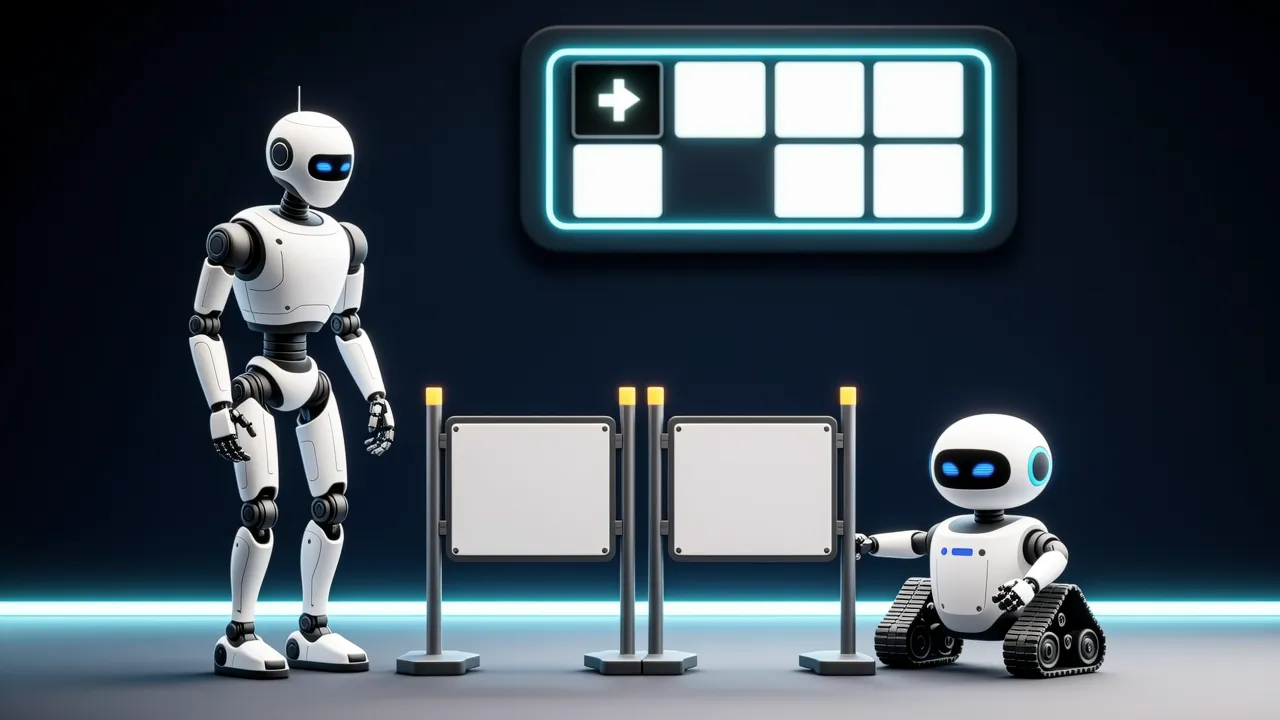
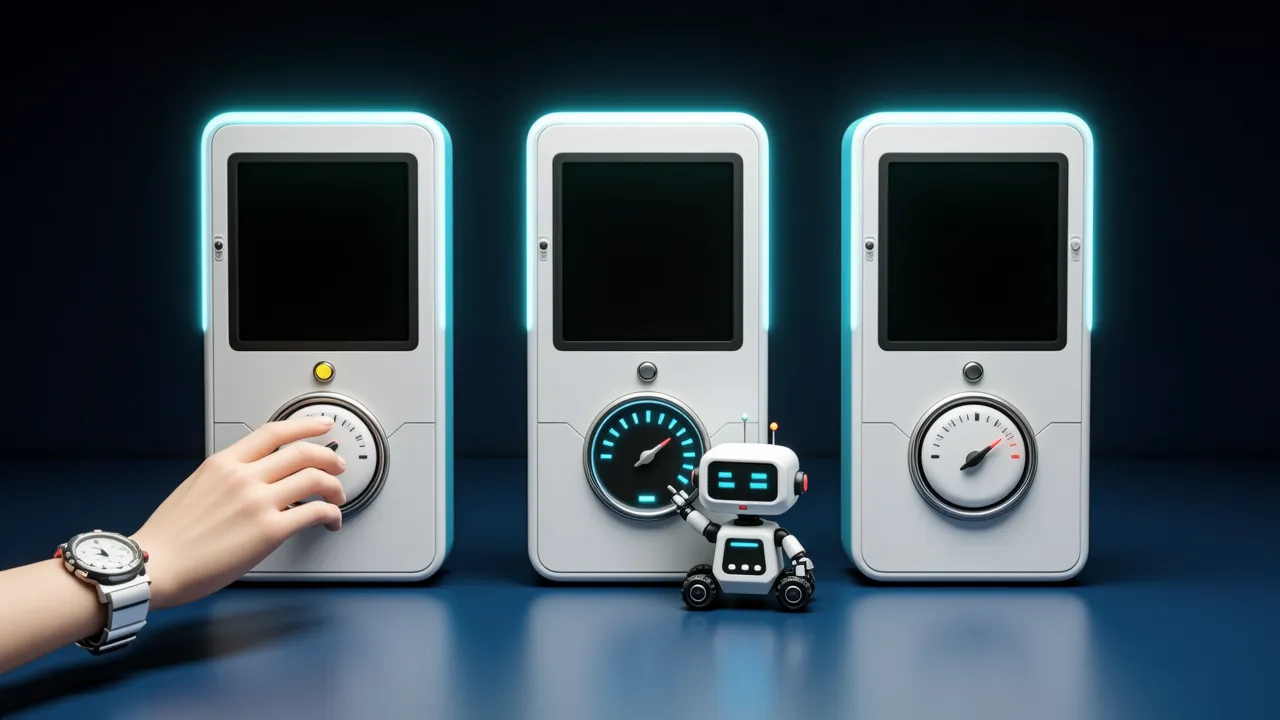
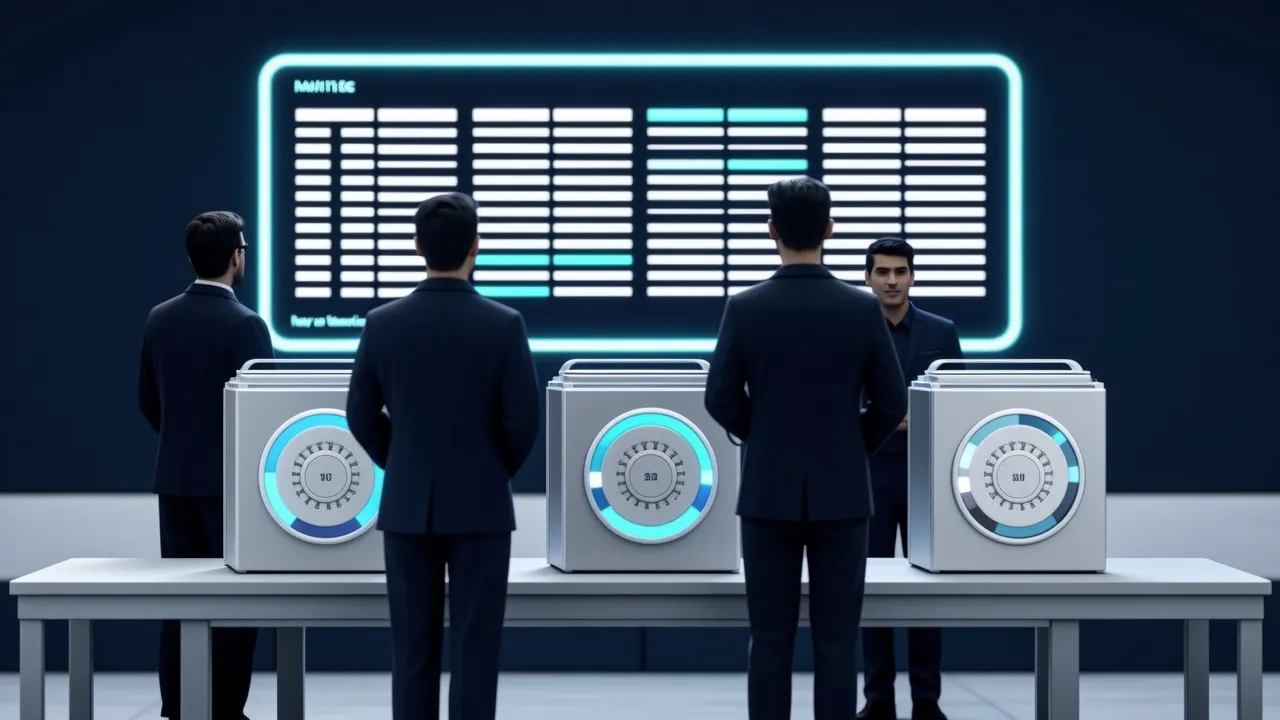
The three models were presented as a graduated line rather than a single flagship. TechCrunch described Sol as the workhorse, Terra as a more intermediate option, and Luna as the budget-friendly one[1]. The naming itself signals the intent: a user or a team picks the model that fits the job, with the heavier and lighter options sitting on either side of a middle choice.
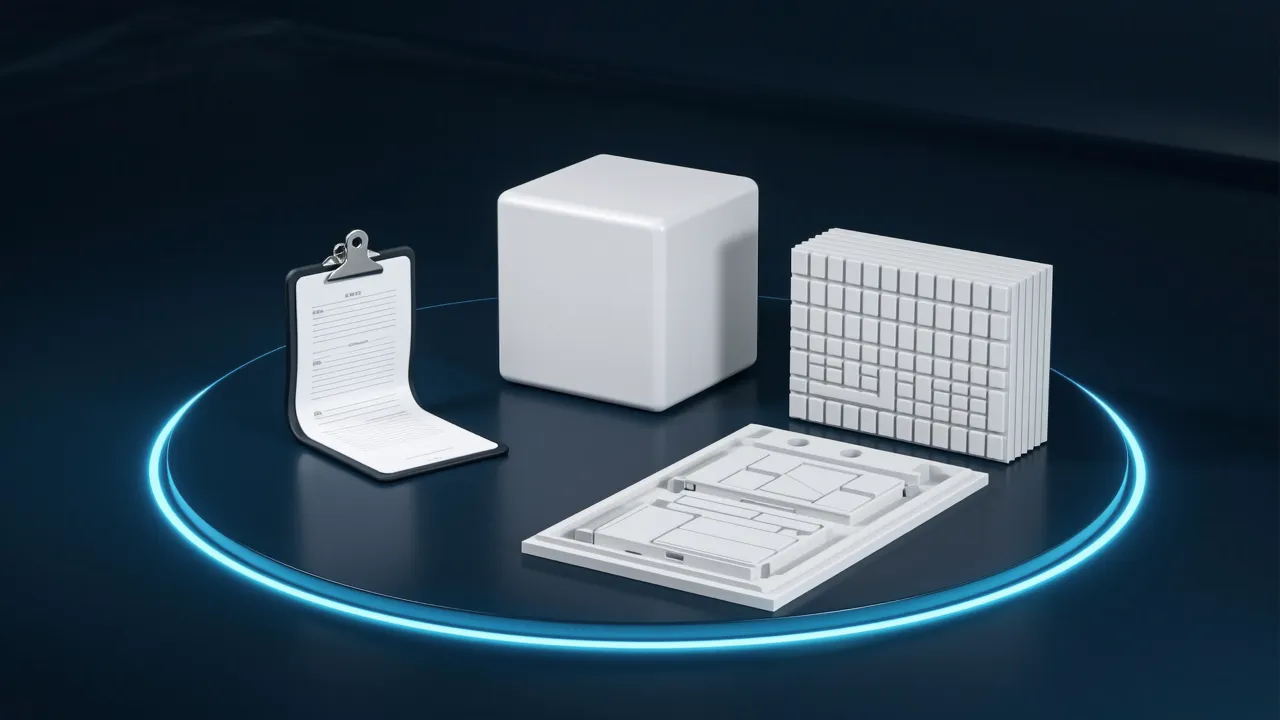
Alongside the models came ChatGPT Work, described as a workplace companion for enterprise teams. It runs on desktop, web and mobile, and is built to help draft documents, spreadsheets and presentations[1]. In other words, the assistant is aimed at the ordinary output of office work rather than at chat for its own sake.
The Codex app was merged into the ChatGPT desktop app on the same day[3]. Codex had existed as its own surface for coding work; the change places that capability inside the same application as the general assistant.
Defensive security
OpenAI said the family supported defensive cybersecurity work, naming threat modelling, code review, patching and blue teaming[1]. These are tasks on the defender's side of security: mapping out how an attacker might move through a system before it happens, reading code for weaknesses, closing the weaknesses that are found, and running the ongoing work of detecting and responding to intrusions. Framing the models this way puts them in the hands of security teams rather than describing general capability alone.
Why it matters
Three things stand out about the release.
The first is packaging. A three-tier family lets organisations choose between capability and cost instead of taking a single model for every task — Sol for the heaviest work, Luna for volume, Terra in between[1]. For enterprise buyers, that is a purchasing decision as much as a technical one.
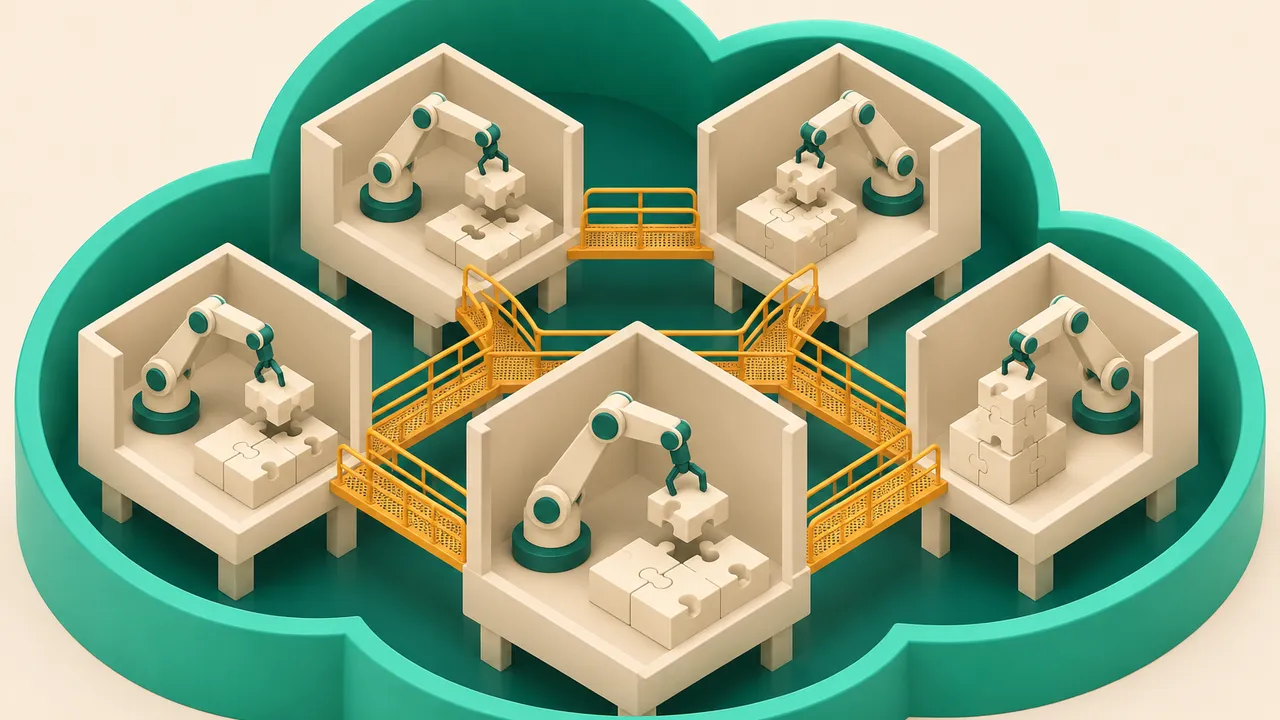
The second is where the products point. ChatGPT Work, with its documents, spreadsheets and presentations, and the absorption of Codex into the desktop app, both move the assistant toward being the place where work is done rather than a separate tool beside it[1][3]. Enterprise teams on desktop, web and mobile are the stated audience.
The third is the timing. The weeks before the launch showed both competitive pressure and political pressure on release schedules: rivals shipped in the same week, and the rollout had already been held back once at the request of the US government[1][2][4]. OpenAI's public line — that such restrictions should not be the norm — makes the episode part of the story of the launch, not a footnote to it. How model releases are timed, and who gets to influence that timing, is now a question that accompanies the models themselves.
Sources
- 1
- 2GPT-5.6Wikipedia
- 3OpenAI CodexWikipedia
- 4
Cite this page: OpenAI releases GPT-5.6 and ChatGPT Work. TellWorld, https://www.tellworld.net/news/gpt-5-6-2026. Updated 2026-11-08