Background
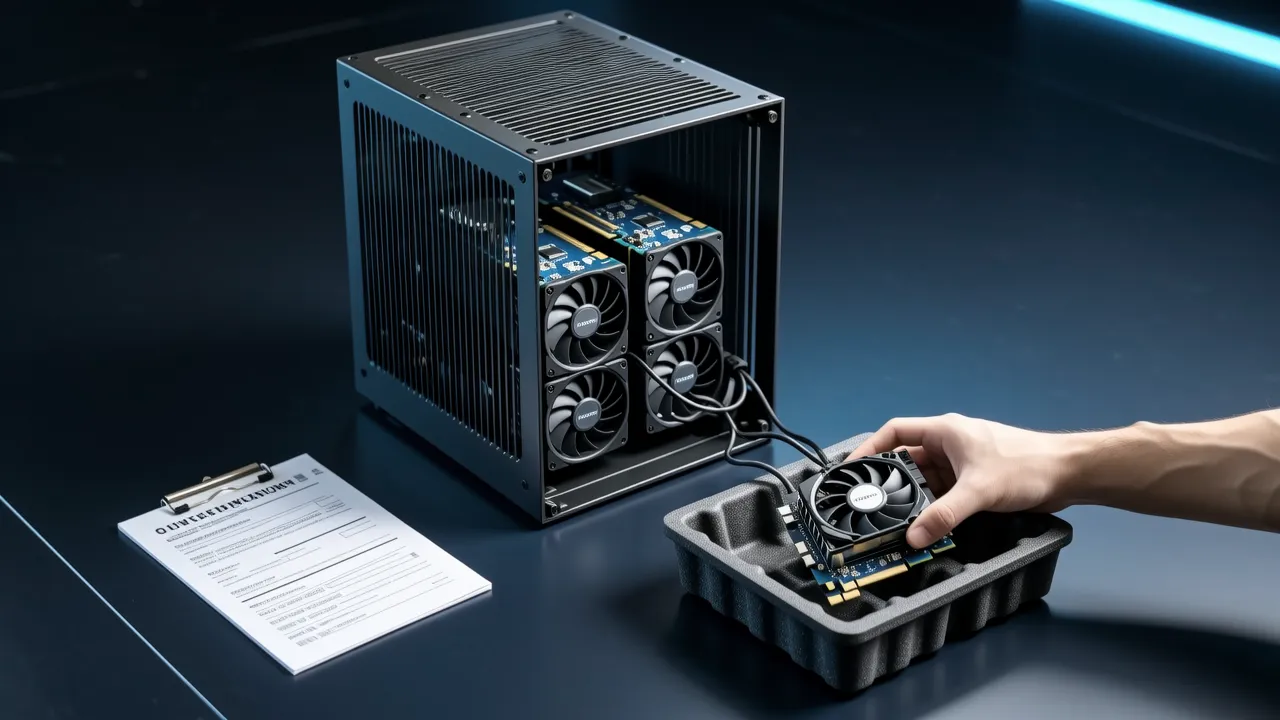
In mid-July 2025 the US administration assured Nvidia that export licences for its H20 chip would be granted, and chief executive Jensen Huang relayed the news to customers during a visit to China[1]. The H20 belongs to the class of downgraded AI chips Nvidia sells for the Chinese market, and China has been a significant source of revenue for the company: its China revenue in the second quarter of its 2025 fiscal year was US$3.7 billion[2].
What the arrangement says
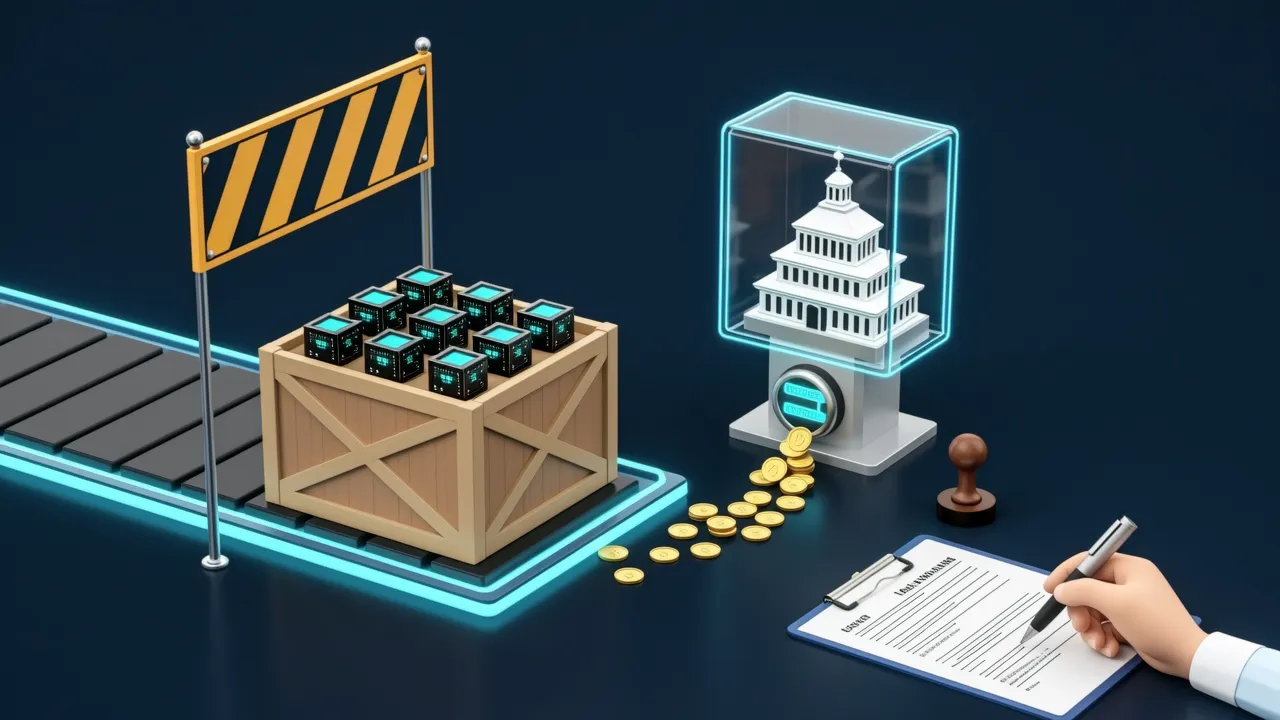
Nvidia and AMD were permitted to resume selling downgraded AI chips to China on condition that they share 15% of the revenue from those sales with the US government[1]. The arrangement covered Nvidia's H20 and AMD's MI308 chips[2].
Export licensing is normally a yes-or-no gate: a government either grants a licence or withholds it. Tying a licence to a share of the sales it enables adds a fiscal condition to that gate, so that the state collects money from the transactions it authorises. That is the feature that made the Nvidia and AMD deals unusual.
How large the sums could be
Economists cited by China Economic Net estimated that Nvidia's H20 sales to China could reach US$15 billion to US$23 billion in 2025, implying US$2.25 billion to US$3.45 billion for the US government at a 15% share[2]. Measured against already reported figures, Nvidia's China revenue of US$3.7 billion in the second quarter of its 2025 fiscal year would imply a payment of about US$555 million for that period under the arrangement[2].
Reactions
US Treasury Secretary Scott Bessent said in a television interview that the Nvidia and AMD deals could serve as a model for other industries over time[1]. He also said the 15% would go to paying down US debt[1].
On the Chinese side, China Daily reported that Chinese authorities had raised security concerns about the H20 sales and that Chinese companies had reasons not to buy the chips[1]. China Economic Net noted that the revenue-sharing arrangement was unprecedented and faced questions over whether it amounted to an export tax[2]. An export tax is ordinarily a levy charged on goods leaving a country; whether a condition attached to an export licence belongs in the same category is precisely the point in dispute.
Why it matters
The episode shows export controls being used not only to decide which products may be sold, but also to attach financial terms to the sales that are allowed. Bessent's suggestion that the model could extend to other industries points to the possibility of more such arrangements[1].
At the same time, the money at stake depends on how much Chinese customers actually buy. China Daily's report that Chinese authorities had raised security concerns, and that Chinese companies had reasons not to buy the chips, means demand is not guaranteed[1]. For the companies, the arrangement therefore carries two kinds of cost at once: a share of revenue handed over, and the risk that the permitted market turns out to be smaller than the headline estimates suggest.
Sources
- 1
- 2刘典:安全泛化侵蚀美科技企业竞争力根基中国经济网
Cite this page: US allows H20 sales to resume with a 15% revenue share. TellWorld, https://www.tellworld.net/news/h20-export-resume-2025. Updated 2026-11-08