Background
As its models became more capable, Anthropic needed written rules for deciding when a model was too risky to build or release without extra safeguards. The Responsible Scaling Policy (RSP) was its answer.[1]
What happened
On 19 September 2023 Anthropic published the RSP, protocols for managing catastrophic risks from increasingly capable AI.[1] The same day it described the Long-Term Benefit Trust (LTBT).[2]
Key details
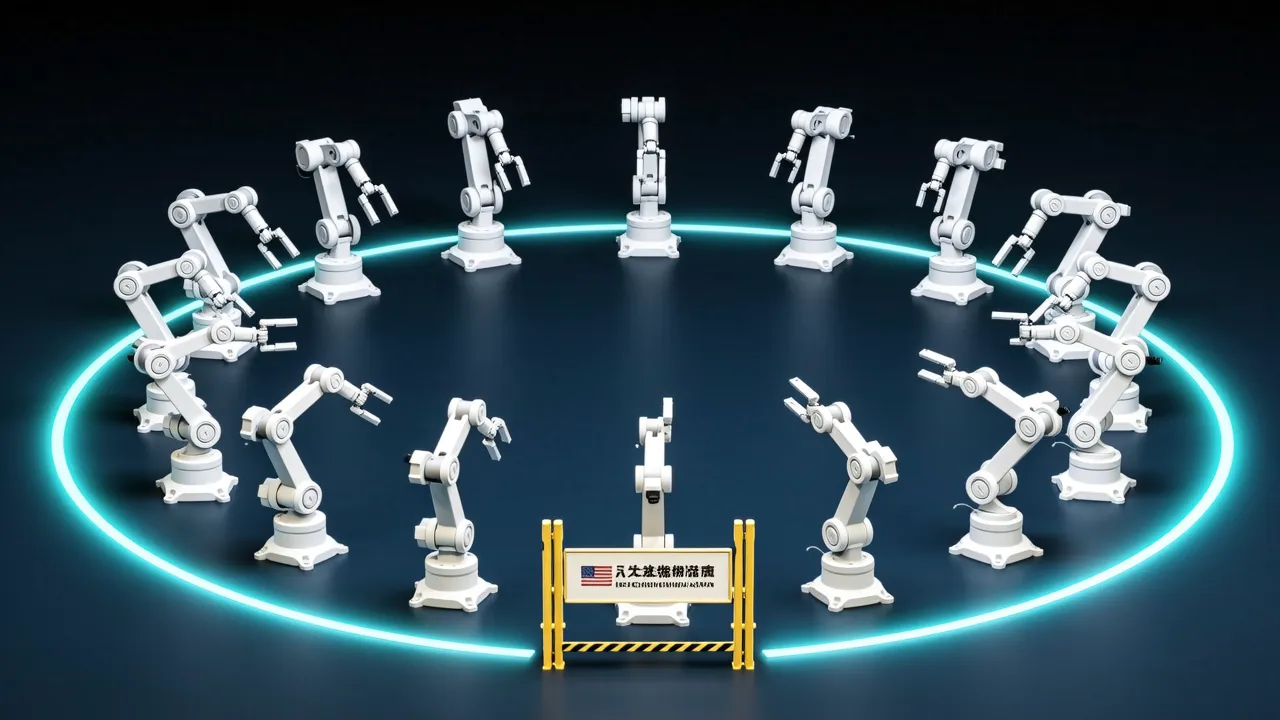
The RSP defines AI Safety Levels (ASL), modelled loosely on US biosafety levels. Higher levels bring stricter safety and security requirements.[1]
Anthropic said that current models, including Claude, appeared to be ASL-2. An ASL-3 model would need stricter security, and Anthropic committed not to deploy such a model if it showed meaningful catastrophic misuse risk.[1]
The board approved the policy. Changes to it require board approval, after consultation with the Long-Term Benefit Trust.[1]
The LTBT has five financially disinterested trustees who hold Class T stock. They will elect a majority of the board within four years.[2] The initial trustees were Jason Matheny, Kanika Bahl, Neil Buddy Shah (chair), Paul Christiano and Zach Robinson.[2]
Biosafety levels are a familiar idea from laboratory work: the more dangerous the pathogens handled, the stricter the containment and procedures required. The RSP borrows that logic and ties what a company must do to how dangerous a model might be. A level is therefore a statement about risk, not only about how well a model performs.
Impact
The policy tied the company's release decisions to a set of defined levels, and the trust gave a body outside the usual management chain a role in changing those rules. Later versions of the policy, covered in the following events, were written under this structure.
Sources
- 1
- 2The Long-Term Benefit TrustAnthropic
Cite this page: Anthropic publishes its Responsible Scaling Policy and Long-Term Benefit Trust. TellWorld, https://www.tellworld.net/news/rsp-2023. Updated 2026-11-08