Hugging Face Hub passes 1 million public models
In September 2024 the Hugging Face Hub passed 1 million downloadable public models for the first time; by October 2025 it held more than 2 million.
Total 7 · Clear filters
In September 2024 the Hugging Face Hub passed 1 million downloadable public models for the first time; by October 2025 it held more than 2 million.
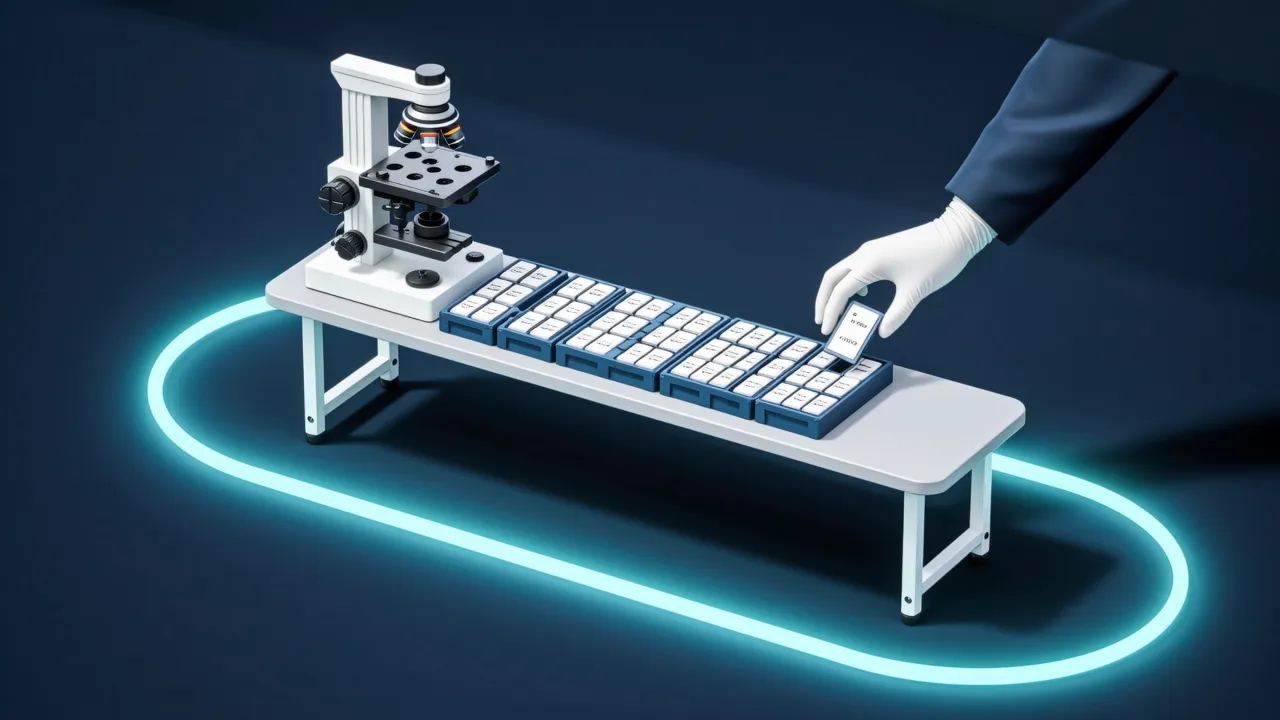
On August 13, 2024, OpenAI released SWE-bench Verified, a 500-sample human-validated subset of SWE-bench built with the benchmark's original authors from Princeton, after filtering ambiguous tasks and unreliable tests.
On 12 September 2022 Meta announced that PyTorch would move to the Linux Foundation as the PyTorch Foundation, with a governing board that included AMD, AWS, Google Cloud, Microsoft Azure and NVIDIA. PyTorch stayed under the BSD-3-Clause licence.
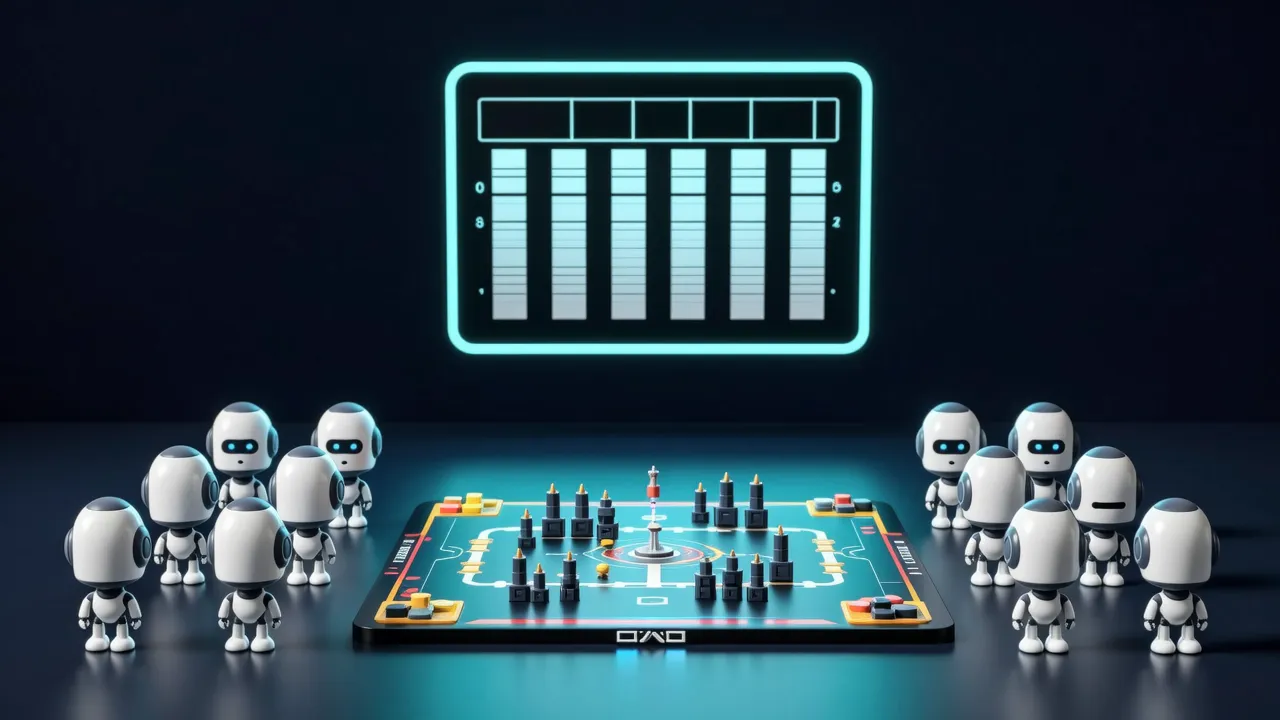
On 13 April 2019, OpenAI Five — a team of reinforcement-learning bots — beat OG, the reigning Dota 2 world champions, in a best-of-three in San Francisco, and days later won 99.4% of games in a public online arena.
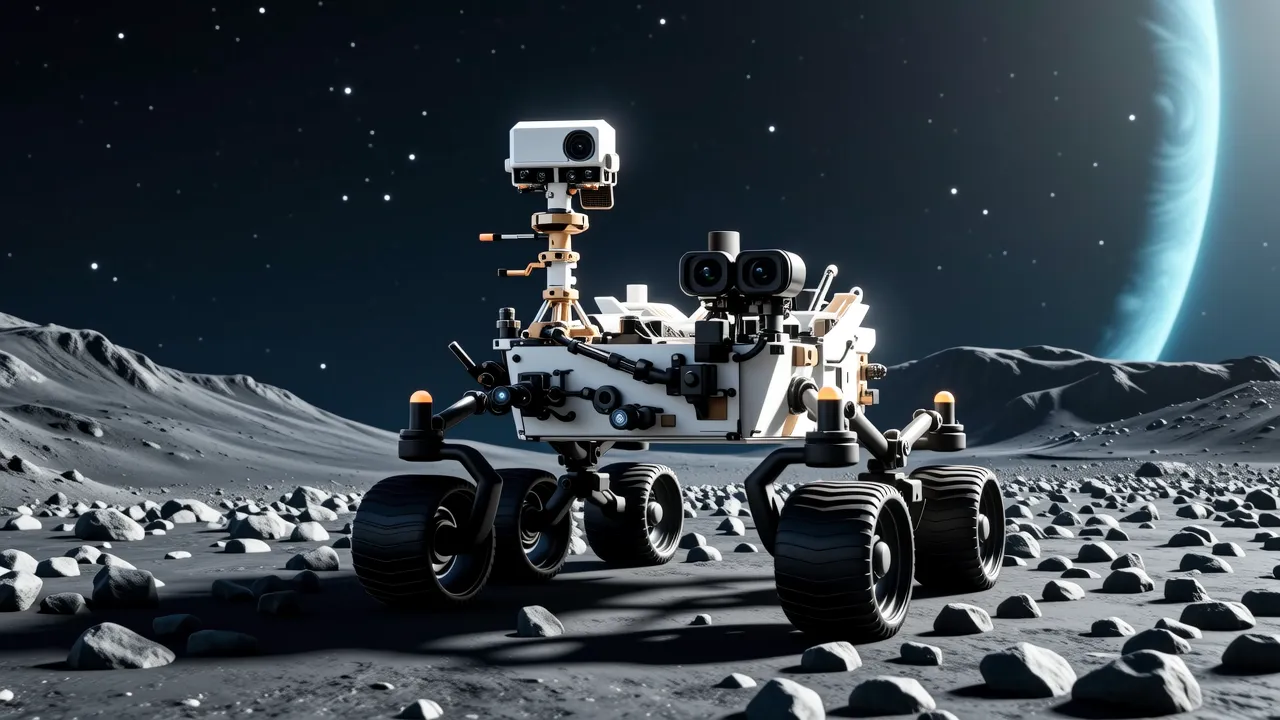
In January 2004 NASA's Spirit and Opportunity landed on Mars carrying autonomous navigation software. The mission was planned around about one kilometre of driving; the rovers went much farther, with a large share of their early driving decided on Mars rather than on Earth.
In January 2000, Carnegie Mellon announced that its NASA-funded rover prototype Nomad was searching for meteorites in Antarctica, and that the public could follow the hunt through the Big Signal Web site. The BBC reported the expedition as the first time a robot found extraterrestrial material on Earth.
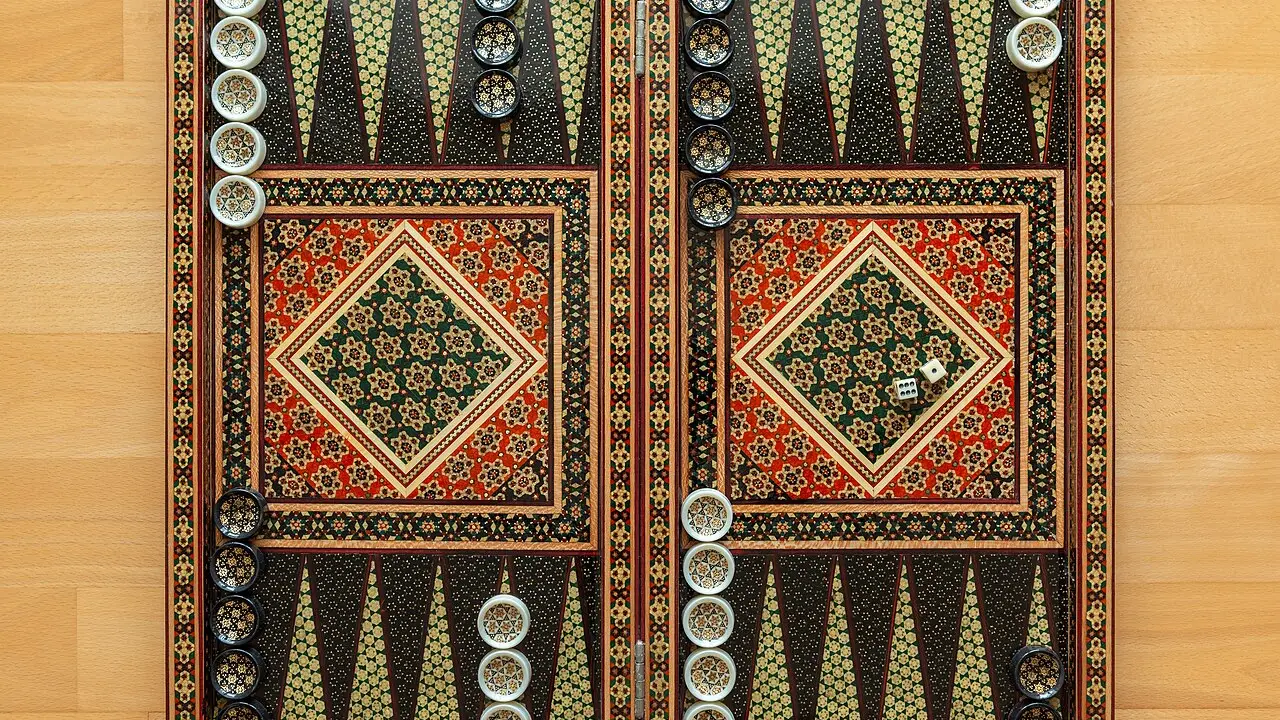
TD-Gammon was an IBM backgammon program built by Gerald Tesauro that taught itself to evaluate positions by playing against itself with temporal-difference learning, reaching a level just below top human players and becoming an early landmark for reinforcement learning.