TellWorldAI World Archive

Home›News

News

Each item is one event, written from several sources, with a footnote for every fact.

Total 671 · Clear filters

Release

Midjourney releases V5

Midjourney released version 5 of its text-to-image service in alpha on 15 March 2023, after founder David Holz said it would arrive that week. Test images showed a higher default resolution and a wider range of styles, and point releases followed through the summer.

Release

Anthropic introduces Claude

On 14 March 2023 Anthropic made its AI assistant Claude available more widely, after a closed alpha, in two versions. The system was built on research into helpful, honest and harmless AI, and launch partners included Quora and Notion.

Release

OpenAI introduces GPT-4

On 14 March 2023 OpenAI announced GPT-4, a multimodal model that accepts image and text input and produces text output. OpenAI reported human-level results on several professional and academic benchmarks but disclosed little about the model's design.

Release

Figure unveils Figure 01

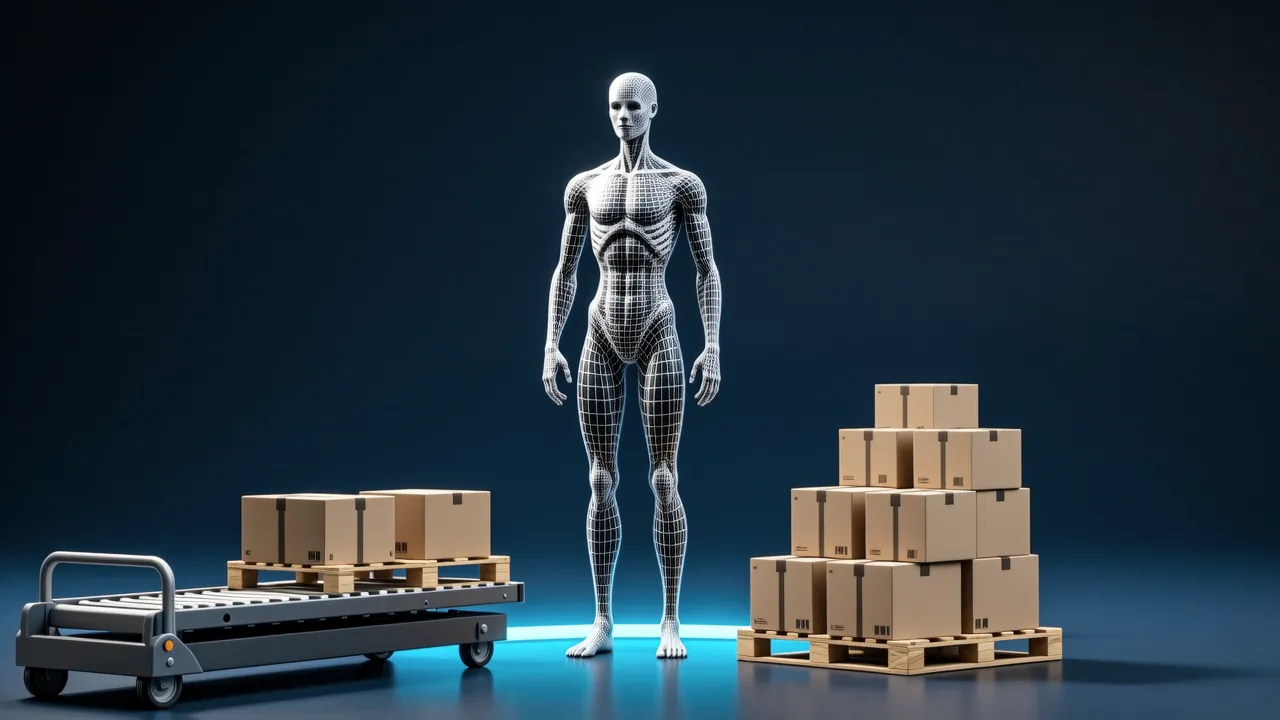
On 2 March 2023, Figure came out of stealth and introduced Figure 01, a planned bipedal humanoid aimed at manufacturing, logistics, warehousing and retail work; the images released were renderings, not working hardware.

Release

Runway introduces Gen-2 text-to-video

In March 2023 Runway introduced Gen-2, a model that turns text, images or video clips into video, released publicly that June. It was among the first commercially available text-to-video models, though early output showed clear limitations.

Release

Meta releases LLaMA to researchers

On 24 February 2023 Meta announced LLaMA, a family of foundation language models with 7 to 65 billion parameters. Meta released it to approved researchers under a noncommercial license, and the paper described training on public data only.

Release

Google announces Bard

On 6 February 2023 Google announced Bard, an experimental conversational AI service built on LaMDA. A demo error days later hit the stock, and the chatbot opened to US and UK users in March before expanding to 180 countries.