Background
A humanoid robot is a machine built around a human-like body plan: two legs, two arms, a torso and a head. The point of that shape is not appearance but compatibility — a robot with human proportions can in principle use tools, climb stairs and move through factories and warehouses that were laid out for people. Getting a bipedal machine to walk reliably while carrying a load is a difficult engineering problem, so announcements in this field tend to be as much about intended designs as about finished products.
What was announced
On 2 March 2023, the startup Figure came out of stealth and introduced its robot, Figure 01 [1]. The company said the robot would stand 5 ft 6 in tall and weigh 60 kg, that it would be able to carry a payload of 20 kg, and that it would run for five hours [1].
Figure also said it had spent the previous nine months assembling a team and designing its alpha build [1]. In other words, the announcement marked the end of a period of quiet preparation in which the company hired people and worked out the first version of the machine's design, rather than the completion of a shipping product.
Team and intended work
Figure said the team behind the project consisted of 40 experts with a combined 100 years of experience in AI and humanoid robotics [1]. That number was presented as evidence that the company had assembled people who had worked on these problems before.
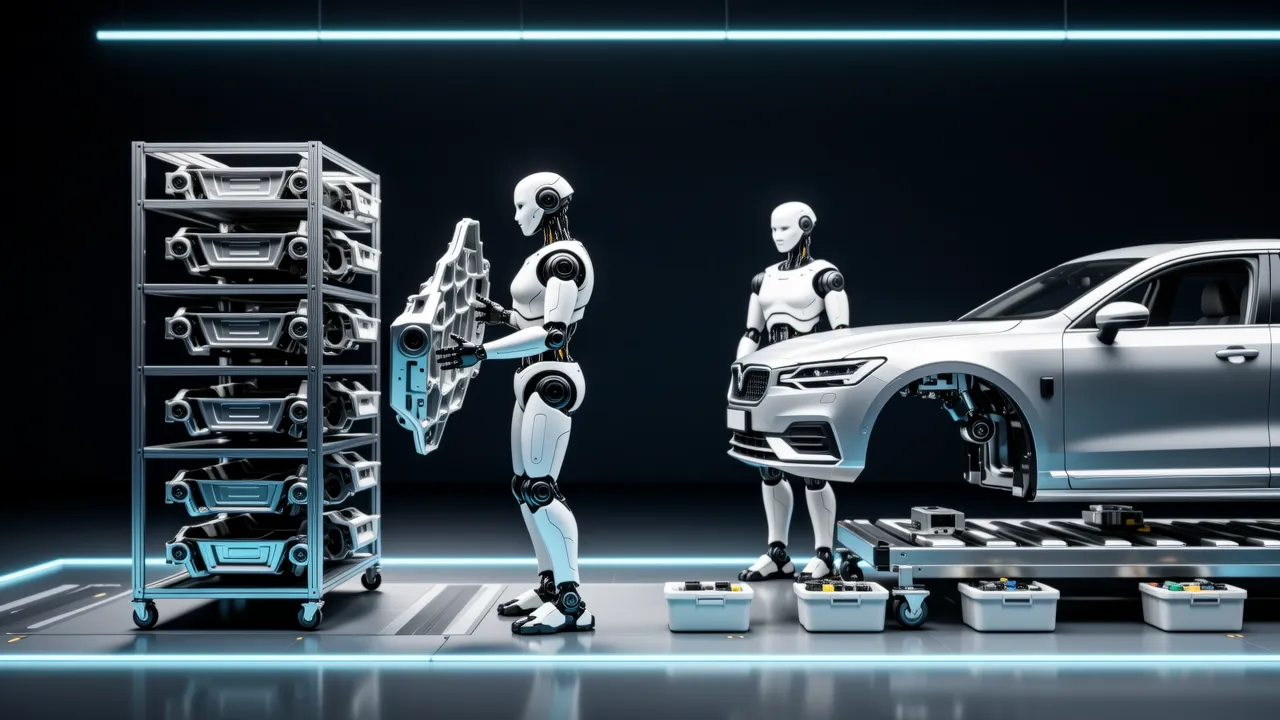
The intended applications named by the company were manufacturing, logistics, warehousing and retail [1]. These are settings where repetitive physical work is common, where the surroundings are already built to human dimensions, and where a machine that can lift and carry loads could plausibly be put to use.
Brett Adcock, Figure's founder and CEO, framed the goal in economic terms: he said that deployed humanoids could produce an abundance of more affordable goods and services [1]. The argument is that if machines take on enough physical labour, the output of that labour becomes cheaper and more plentiful.
The caveat
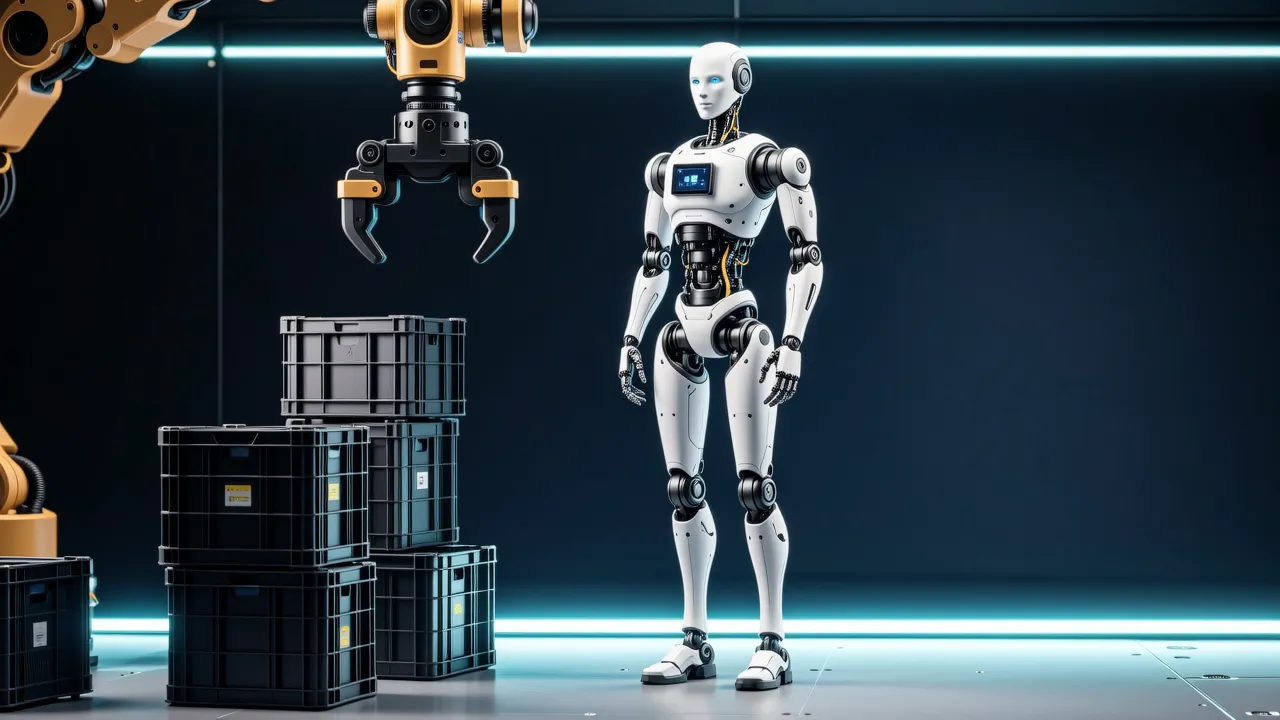
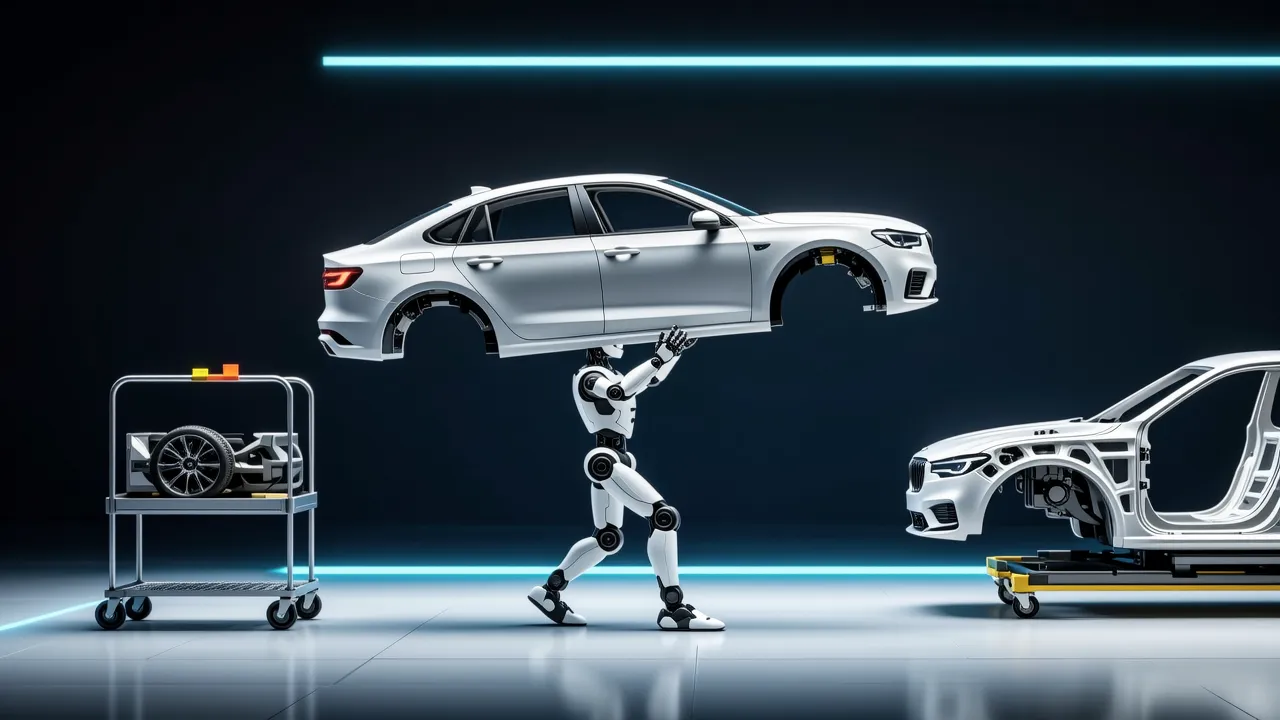
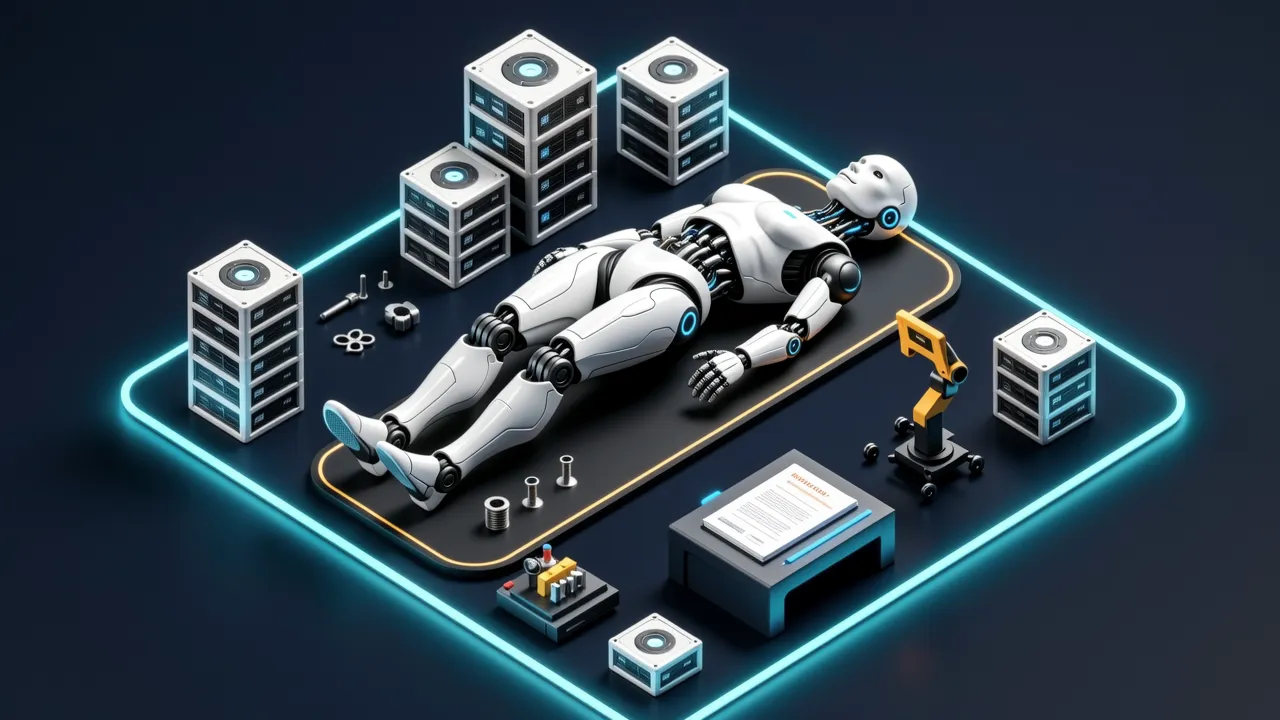
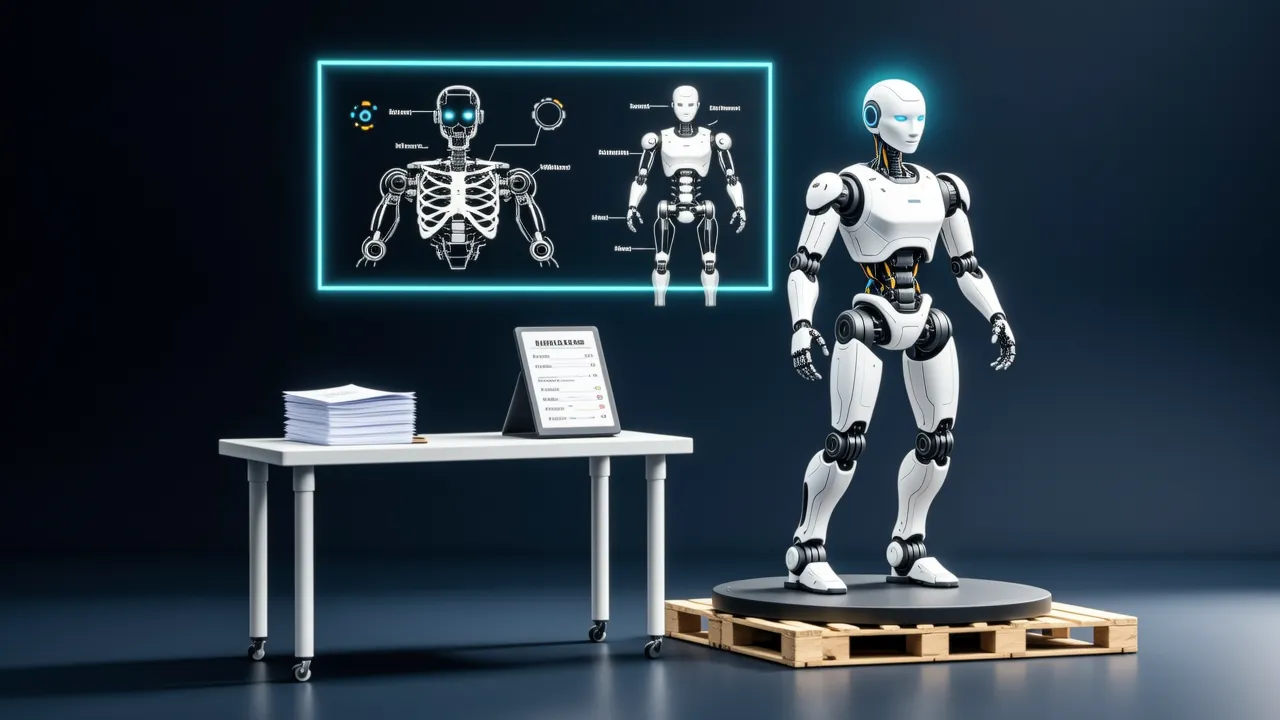
Not everything released at the announcement was a photograph of a machine at work. IEEE Spectrum was quoted as noting that the images and video Figure released were renderings rather than working hardware [1].
That distinction matters for how the news should be read. A rendering shows what a company intends a robot to look like and roughly how it is meant to be proportioned; it does not show that the robot can walk, balance, grip an object or operate for five hours. The height, weight, payload and runtime figures were targets for the design, and the nine months of work described by the company went into that design and the team around it.
Why it mattered
Figure 01 was Figure's first public statement of what it intended to build, and it set out the shape of the bet clearly: a human-sized bipedal machine, aimed at the physical work of factories, warehouses, logistics and shops, made by a team recruited for its experience in AI and humanoid robotics [1]. The announcement also illustrated a pattern common to young hardware companies — a design reveal, with realistic imagery and specification targets, arriving well before independent evidence that the machine performs as described [1].
Sources
- 1Startup Figure Unveils Photos Of World's First 'General Purpose' Bipedal Humanoid RobotInternational Business Times
Cite this page: Figure unveils Figure 01. TellWorld, https://www.tellworld.net/news/figure-01-2023. Updated 2026-11-08