Background
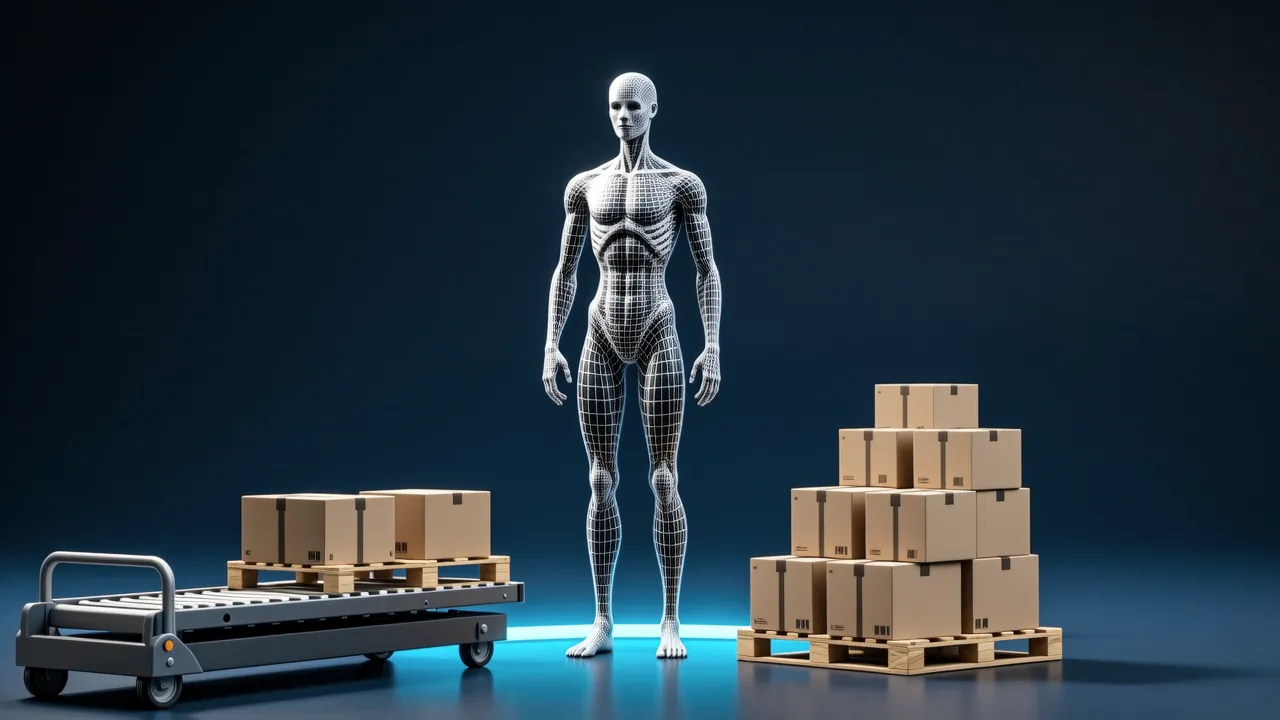
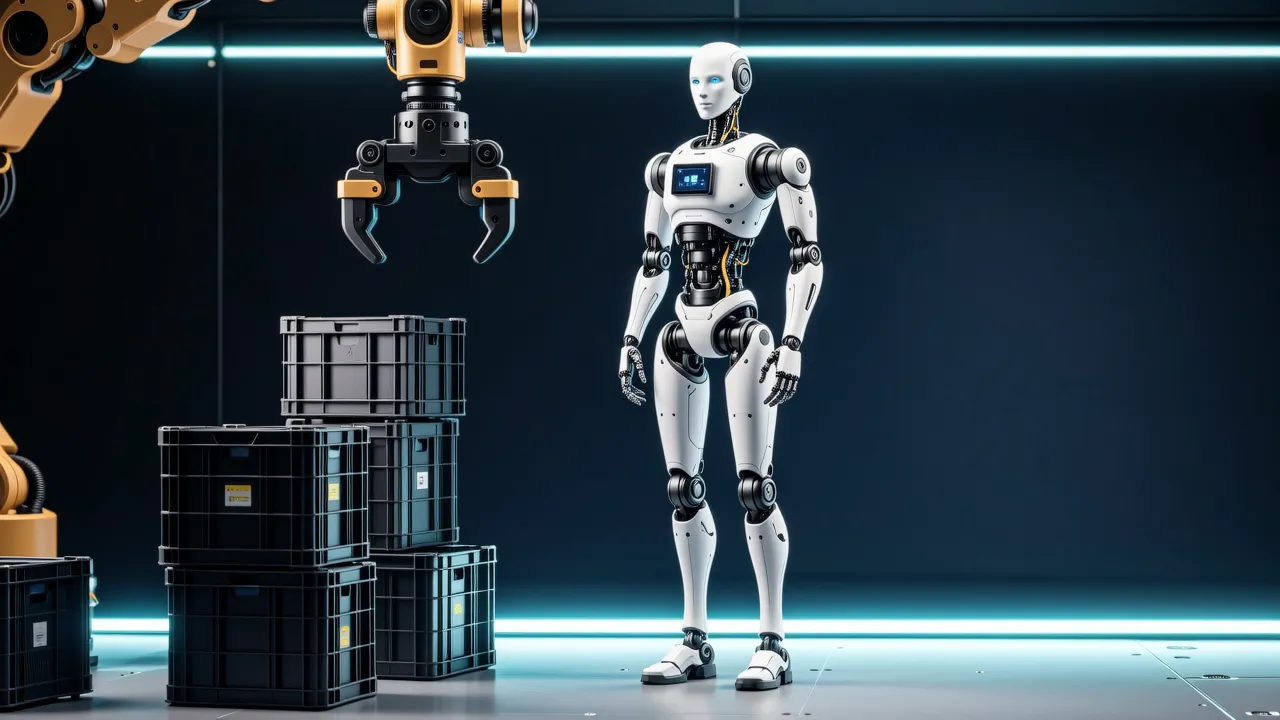
Humanoid robots are machines built to a human body plan: two arms, two legs, a head and hands. The argument for that shape is practical rather than aesthetic. Factories, warehouses and tools are already laid out for people, so a machine that fits those spaces can, in principle, take on tasks without the surroundings being rebuilt around it.
Many of the tasks that still resist automation are the ones that need hands and eyes to work together — picking a part out of a bin, lining it up with a slot, pushing it home with the right force. Developers of humanoid robots aim at exactly this kind of work, and industrial customers are the first market they target.
What happened
On the evening of 6 August 2024 Beijing time, Figure AI released Figure 02 [1]. The company called it "the most advanced AI hardware on earth" and presented the launch as a step closer to selling mass-produced humanoids to industrial users [1].
That framing matters for how the announcement should be read. It was a product launch and the start of training work in a customer's factory, not a finished commercial deployment.
Key details
Figure said the hardware and software had been completely redesigned, with changes spanning AI, computer vision, the battery, sensors and actuators [1]. Actuators are the motors and mechanisms that actually move a robot's joints, so a redesign there touches how smoothly and how forcefully the machine can move.
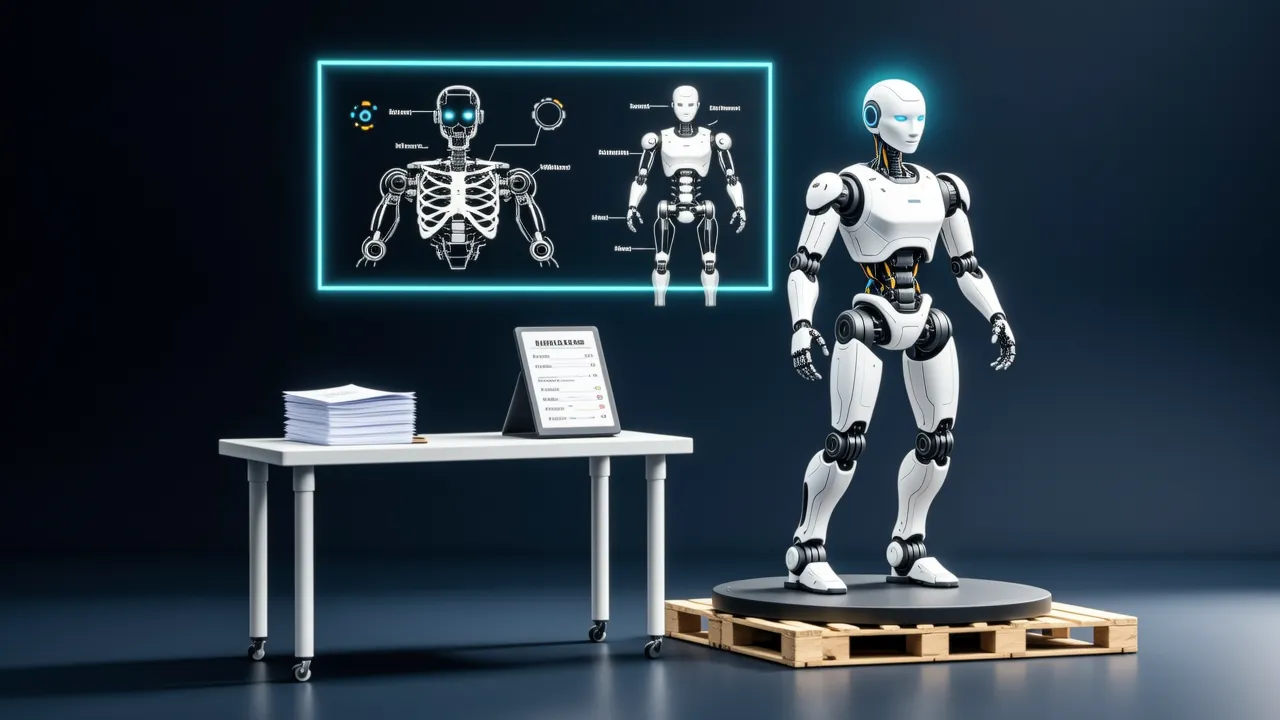
For sensing, the robot carried six RGB cameras, placed in the head, chest and back [1]. An RGB camera records colour in three channels — red, green and blue — which is the ordinary kind of image sensor found in phones and webcams. Spreading several of them around the body gives overlapping views, including of the robot's own hands and of whatever is behind it.
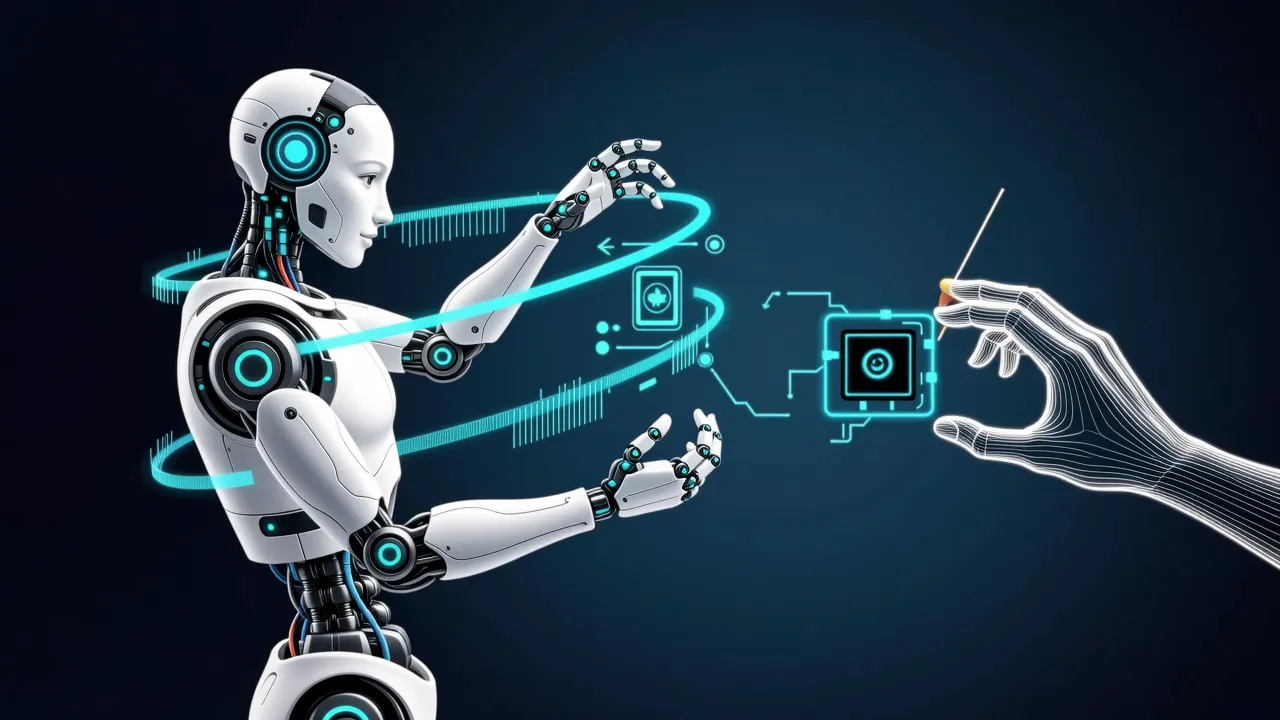
Those cameras fed an onboard vision-language model used for common-sense visual reasoning [1]. A vision-language model is trained on images paired with text, so it can describe what is in a scene or answer a question about it rather than only attaching a fixed label. "Onboard" means the computing happens on the machine itself.
The hands were a fourth-generation design with 16 degrees of freedom, and they could grasp 25 kg [1]. Degrees of freedom count the independent axes along which a mechanism can move; more of them mean more ways to shape a grip, so the hand can adapt to an object instead of closing in one fixed pattern. The 25 kg figure describes how much the hand could hold.
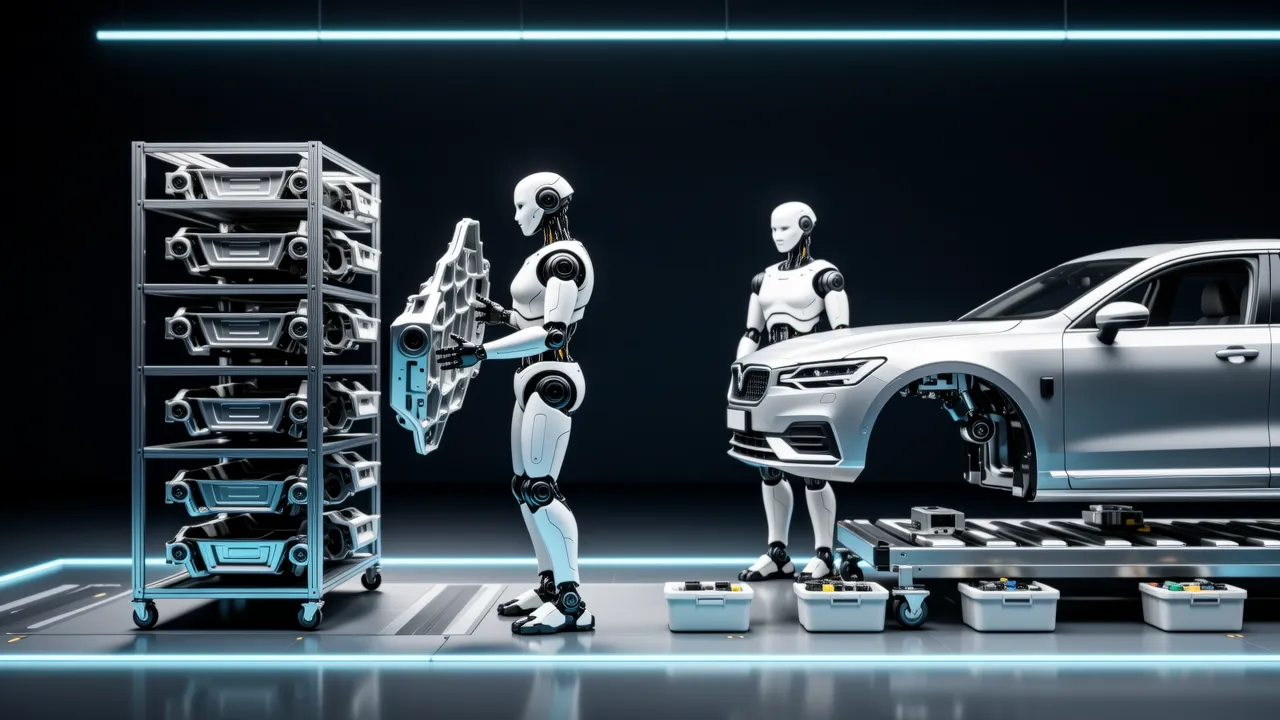
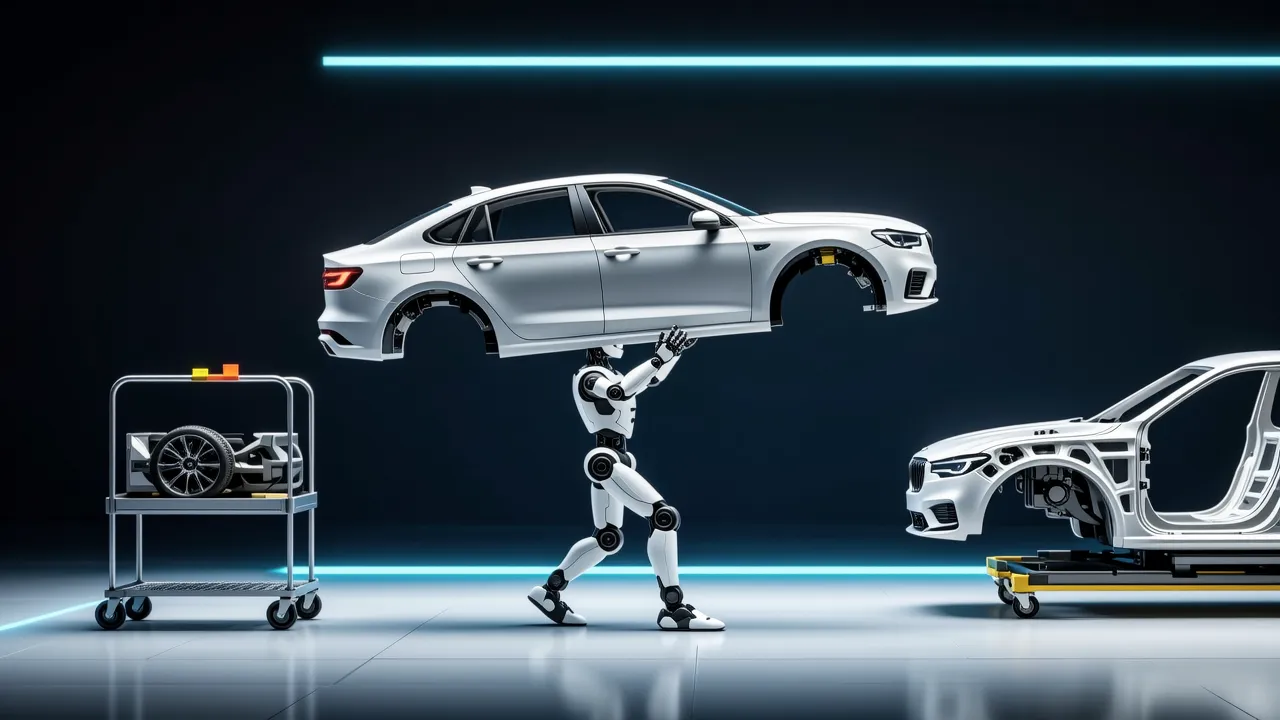
At launch, the robots were being trained at BMW's Spartanburg plant on sheet-metal part insertion [1]. That task means taking a piece of formed metal and fitting it into a slot or fixture during assembly, which requires the machine to find the part, align it and apply force in a controlled way.
Why it matters
Figure 02 shows the pattern that has shaped this wave of humanoid robots: new hardware is announced together with the AI models and the factory tasks meant to train them. A hand with many degrees of freedom, cameras distributed around the body and a model that can reason about what it sees are all there to make a general-purpose machine useful on work that used to require a person. Whether that adds up to a product industrial customers will buy depends on what happens on the factory floor, which is why the training work at Spartanburg was part of the launch story rather than an afterthought [1].
Sources
- 1地表最强?人形机器人大消息证券时报网
Cite this page: Figure launches Figure 02. TellWorld, https://www.tellworld.net/news/figure-02-2024. Updated 2026-11-08