Background
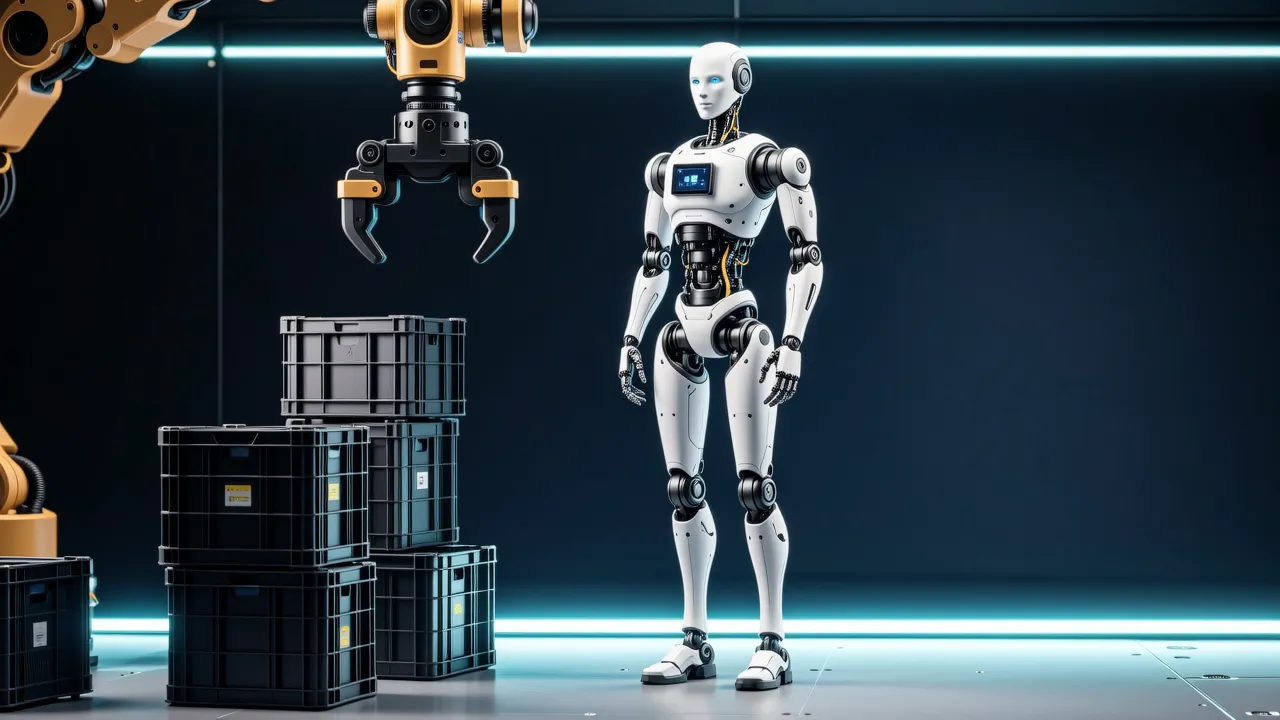
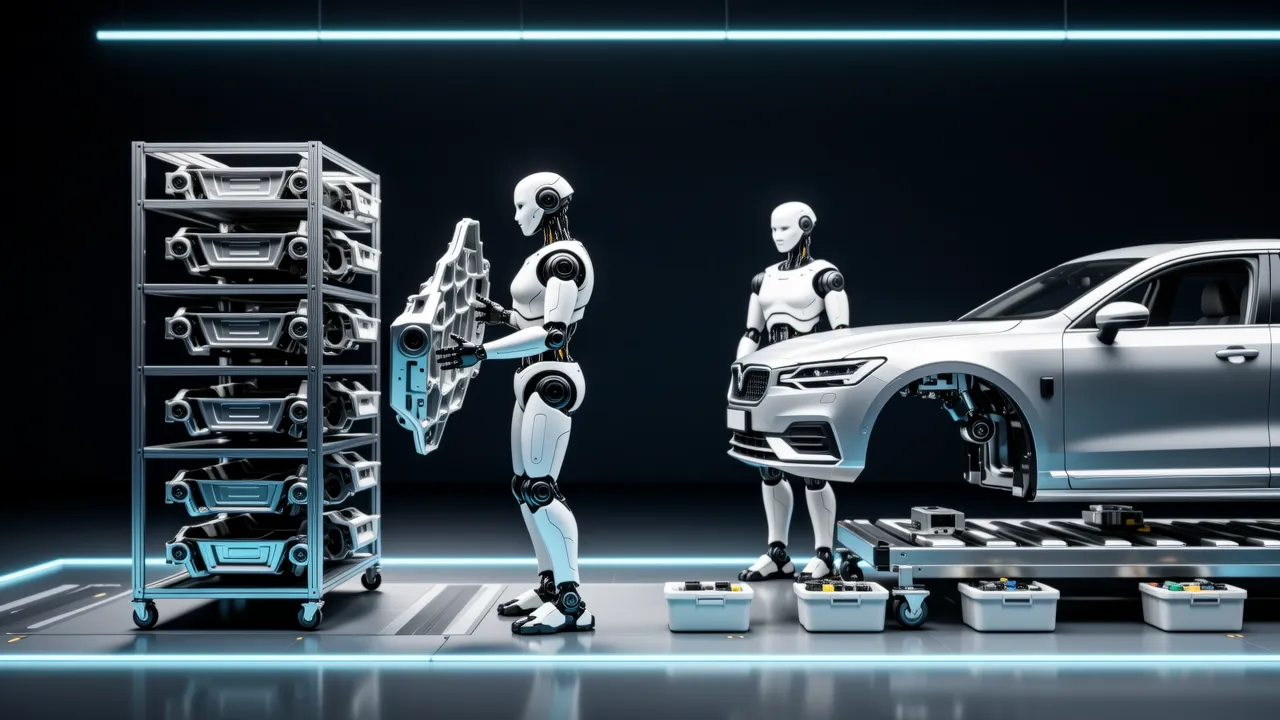
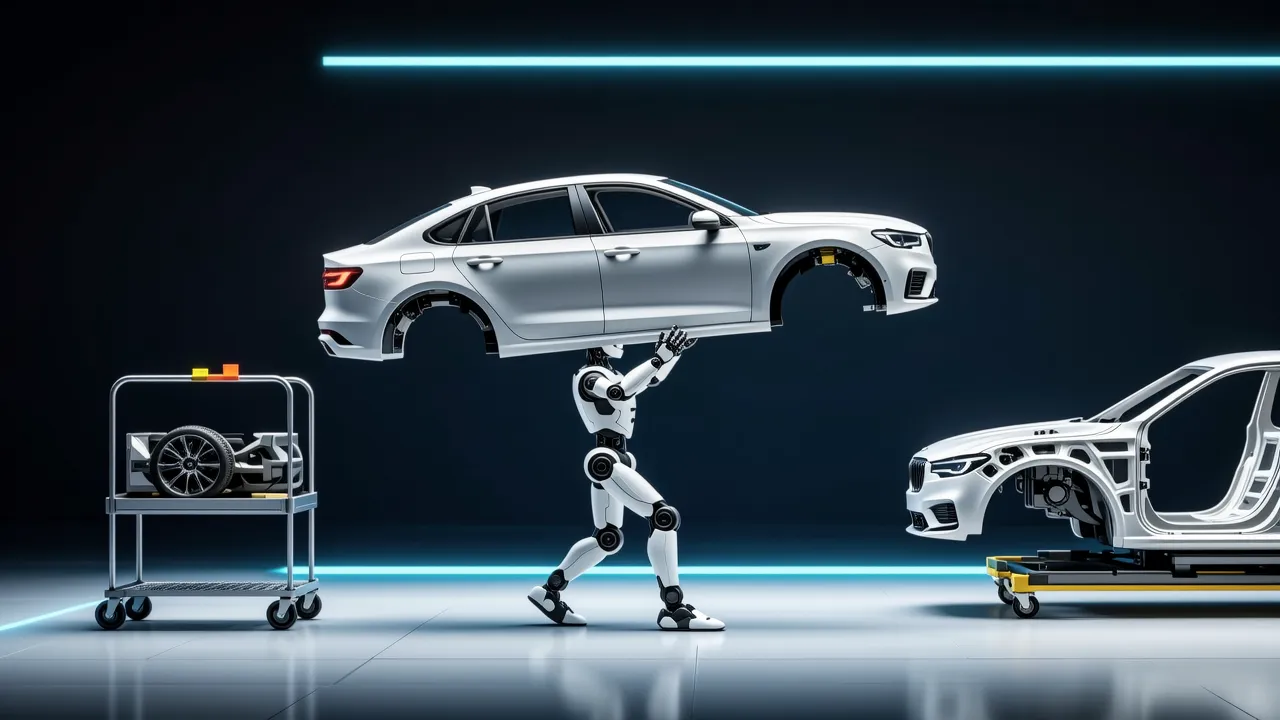
Car factories have relied for decades on fixed industrial robots: machines bolted to one spot, repeating a single motion at high speed. A general-purpose robot is a different proposition. Instead of building a dedicated machine for every step, the idea is to have one platform that can be moved between jobs and trained for new ones. Figure builds such machines, and in early 2024 it announced that BMW's manufacturing arm would be its partner in an actual plant.
The announcement
On 18 January 2024, Figure announced a commercial agreement with BMW Manufacturing Co., LLC to deploy general-purpose robots in automotive manufacturing.[1][3] The announcement framed the deal not as a single purchase but as a staged programme, with the two companies working through use cases together before any wider rollout.
How the rollout was structured
The agreement used a milestone-based approach. The first step was to identify initial use cases; only then would deployment proceed, in stages, at BMW's Spartanburg plant in South Carolina.[3] That sequencing matters because it puts the identification of concrete jobs ahead of any commitment to a large fleet.
The plant itself gives a sense of the setting. Spartanburg was reported to have 11,000 employees and to assemble 1,500 vehicles a day.[2] Against that scale, the robots described in the agreement were not presented as a replacement for the workforce, but as a small addition to specific stations.
What the robots would do
Adcock said the robots would take on difficult, unsafe or monotonous tasks.[2][3] TechCrunch reported that Figure confirmed an initial five tasks, to be rolled out one at a time.[1] Rolling out tasks individually is consistent with the milestone logic: each task has to be shown to work before the next is added.
Reports said the robots were expected to enter the plant within one to two years, after task-specific training.[2] That timeline placed the work in the future rather than at the signing, and tied the start of deployment to training on particular jobs rather than to a fixed delivery date.
Numbers and commercial terms
Figure did not disclose how many robots would be deployed. Adcock said the collaboration would start with a small number and expand if targets were met.[2] The commercial arrangement was also unusual in form: TechCrunch reported that Figure was effectively leasing the systems to BMW through a robotics-as-a-service model.[1] Rather than selling machines outright, that model keeps the robot provider involved in the deployment for as long as the robots are in use.
Why it mattered
For a company building general-purpose robots, the hard part is not a demonstration but a production environment where downtime, safety and consistency are all judged against real output. The Figure–BMW agreement set out the path into that environment in explicit steps: identify use cases, run a small number of tasks one at a time, start with a small number of robots, and expand only if targets are met. It also left the open questions open. No fleet size was given, the entry of robots into the plant was placed one to two years out after task-specific training, and the commercial relationship was described as a lease rather than a sale.[1][2][3] What the announcement did establish was a named partner, a named plant, an agreed sequence of milestones, and a list of five tasks as the starting point.
Sources
- 1
- 2
- 3仿人形机器人即将进入宝马公司工作中国航空报
Cite this page: Figure and BMW sign a commercial deployment agreement. TellWorld, https://www.tellworld.net/news/figure-bmw-2024. Updated 2026-11-08