Background
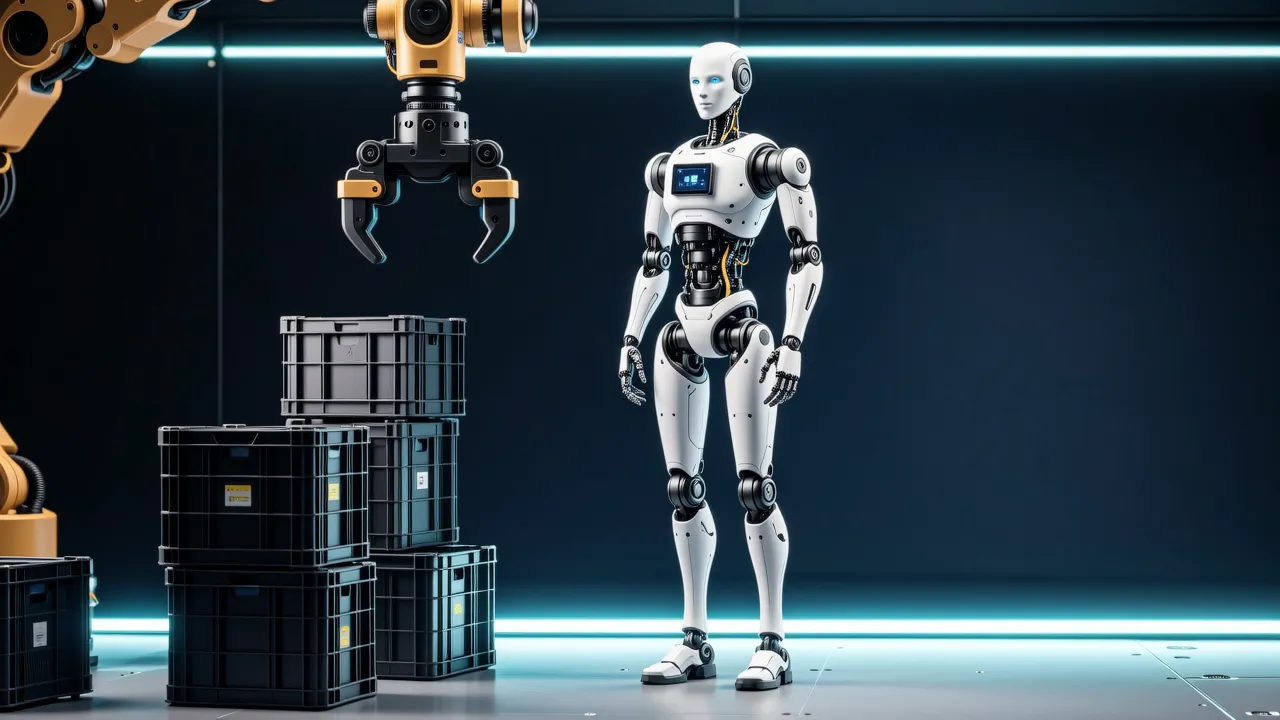
Figure builds humanoid robots, and the software that drives them is central to the company's approach. Its AI platform is called Helix, and its manufacturing operation is called BotQ [1]. Both sit at the expensive end of the business: training models that let a machine perceive a room, reason about what to do next and control its own limbs requires large amounts of computing power and data, while building robots at volume requires factories, tooling and supply chains. That combination is why later-stage funding rounds in this field tend to be large.
A Series C round is typically a later-stage fundraising in which a company sells newly issued shares to investors, generally after it has a product and some commercial traction, to pay for expansion rather than for initial research. The post-money valuation is the value assigned to the whole company after the new money is counted, so it includes the capital just raised.
What was announced
On 16 September 2025, Figure said it had raised more than US$1 billion in committed capital through its Series C, at a US$39 billion post-money valuation [1][2].
The round was led by Parkway Venture Capital [1][2]. A long list of participants joined: Brookfield Asset Management, NVIDIA, Macquarie Capital, Intel Capital, Align Ventures, Tamarack Global, LG Technology Ventures, Salesforce, T-Mobile Ventures and Qualcomm Ventures [1][2]. The mix spans asset management, semiconductors and computing, telecommunications, enterprise software and consumer electronics — investors from several different industries rather than a single corner of finance.
Where the money is meant to go
Figure described four broad uses for the capital. The first is scaling the Helix AI platform and BotQ manufacturing, the two pieces that connect the robot's intelligence to its production [1].
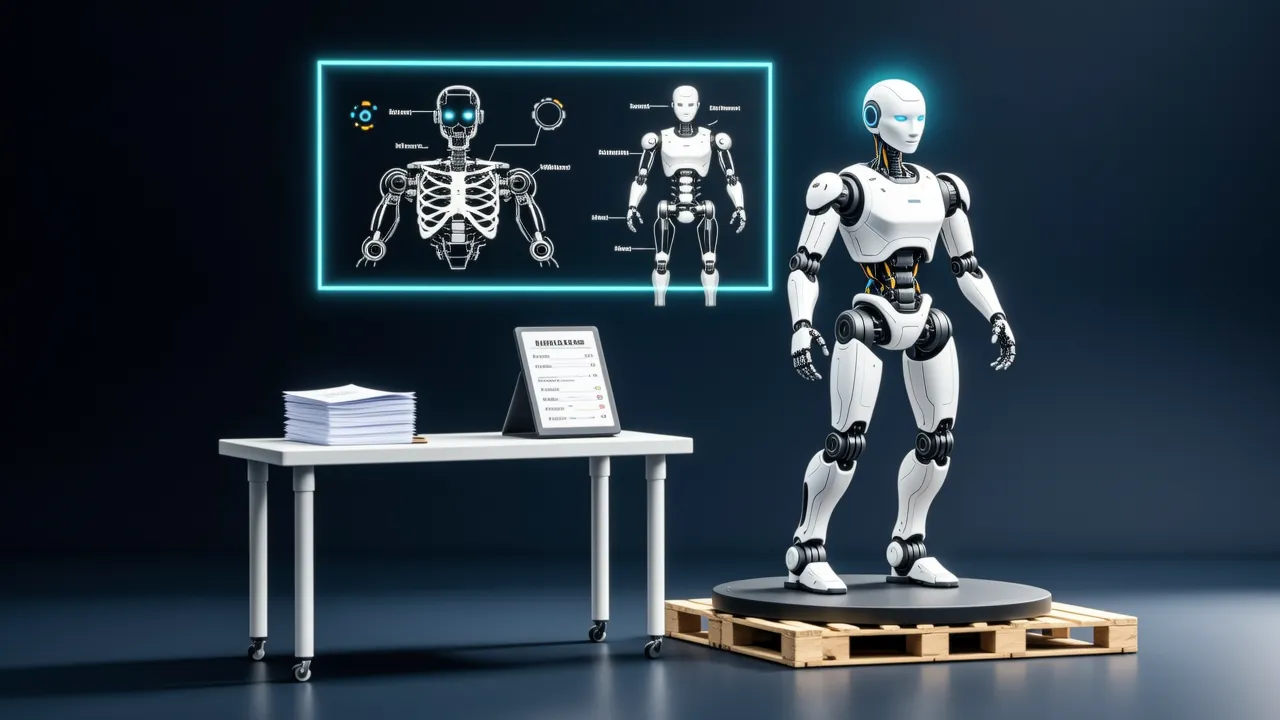
The second is computing infrastructure. The company said it would build next-generation GPU infrastructure to accelerate training and simulation for Helix's perception, reasoning and control models [1]. Perception covers how the robot interprets what its sensors take in; reasoning covers how it decides what to do; control covers how those decisions become movement. Simulation matters because testing a robot in software is far cheaper and faster than testing it in a physical workplace.
The third is data. Figure said it would launch advanced data collection of human video and multimodal sensory inputs [1]. Robot learning depends heavily on examples, and recordings of people doing tasks — combined with other sensor signals — are one way to supply them.
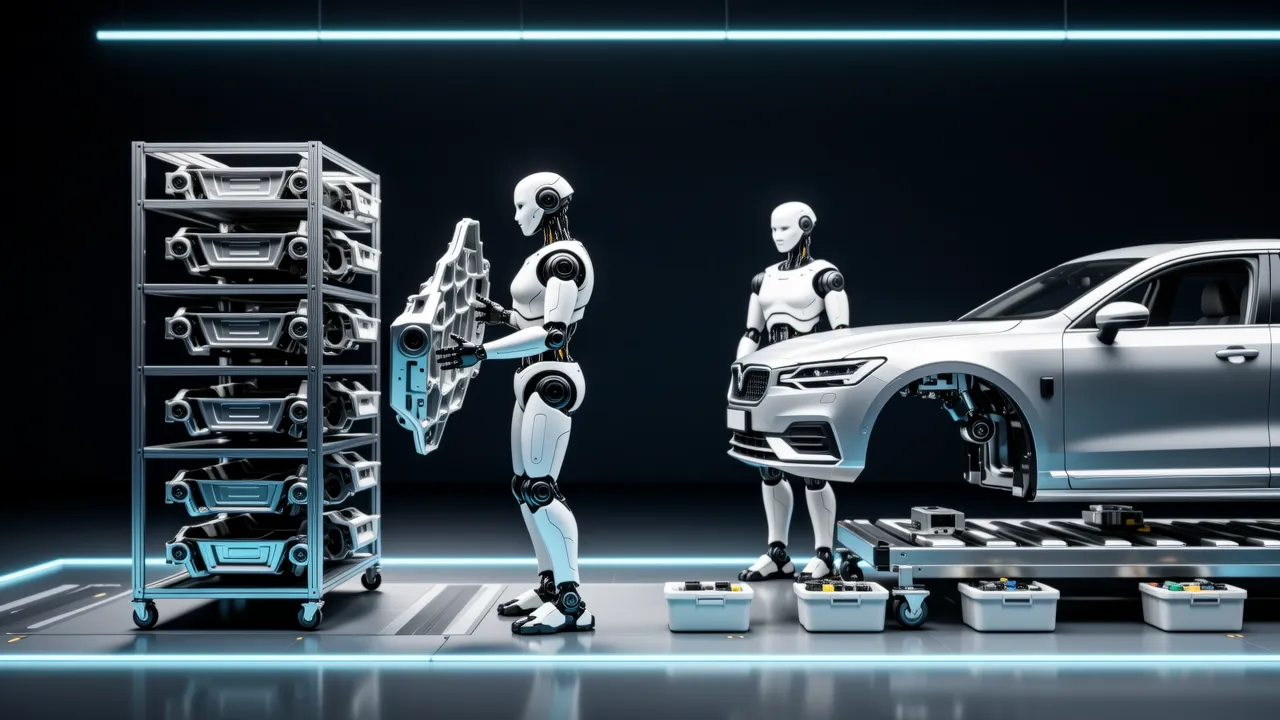
The fourth is scale in the physical world. The company said it was expanding production and real-world deployments so that its robots could assist with household and commercial workforce tasks [1]. That places the target market in two settings at once: the home, and paid work in businesses.
Why it matters
Humanoid robotics is a capital-hungry business in which progress depends on three things arriving together: better models, enough computing to train them, and the ability to manufacture and deploy machines in quantity. Figure's announcement addresses all three at once, and the size of the round — over a billion dollars of committed capital against a US$39 billion valuation — indicates that a broad group of institutional and corporate investors was willing to fund that combination [1][2].
For the wider field, large rounds of this kind set a reference point. They give one company the resources to build training infrastructure and collect data at a scale that smaller labs cannot match, and they signal that investors expect humanoid robots to move from demonstrations into households and workplaces. Whether that expectation holds depends on things a funding announcement cannot settle: whether the robots work reliably, whether they can be built at a competitive cost, and whether customers want them. The valuation is an investor judgment about the future, not a record of results already achieved.
Sources
- 1
- 29月17日国际晨讯上海证券报 / 中国证券网
Cite this page: Figure raises over $1B in Series C at a $39B valuation. TellWorld, https://www.tellworld.net/news/figure-series-c-2025. Updated 2026-11-08