Background
Cruise was the business through which GM pursued robotaxi development: driverless ride-hailing vehicles rather than driver-assistance features in cars sold to individuals. By the end of 2024 GM owned about 97 percent of Cruise, with noncontrolling interests still outstanding.[1] The unit's robotaxi plan was tied to safety problems: the Associated Press reported that GM's decision came after repeated safety problems at Cruise, including an October 2023 crash.[3]
The December 2024 announcement
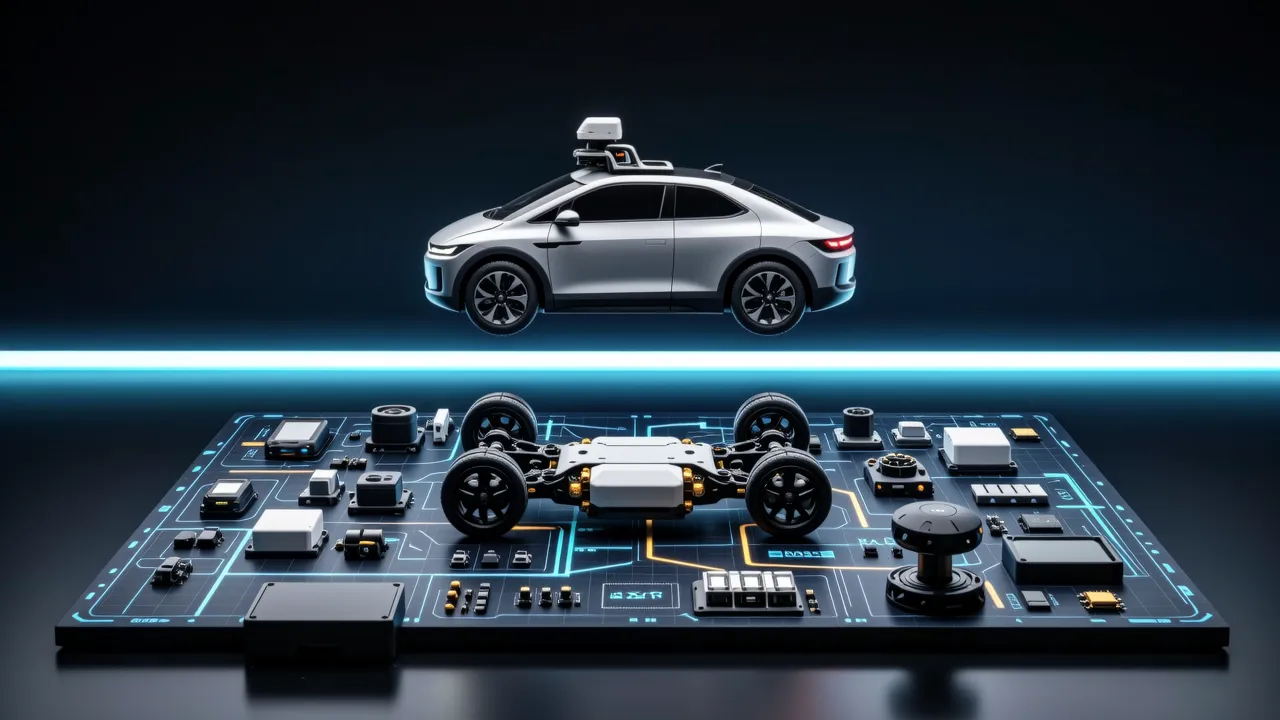
In December 2024, GM announced that it would refocus its autonomous driving strategy on personal vehicles.[1] The company said it would no longer fund Cruise's robotaxi development work.[1] Instead, GM said it would combine the GM and Cruise technical efforts and prioritise ADAS development on a path to fully autonomous personal vehicles.[1] ADAS, or advanced driver assistance systems, is the family of technologies that support a human driver—features such as warnings, braking support, or hands-free steering assistance—rather than replacing the driver outright. GM said the refocused strategy was expected to be less capital intensive than the Cruise robotaxi plan.[1]
The wind-down
GM was pursuing the acquisition of the noncontrolling interests in Cruise, and owned about 97 percent of the company as of 31 December 2024.[1] In February 2025, GM completed that acquisition, began to wind down the Cruise robotaxi operations and moved the autonomous technical work into its GMNA segment.[2] The sequence matters: GM first changed the strategy and moved to buy out the minority holders, then ended the robotaxi operations as a separate activity and placed the remaining autonomous technical work inside an existing vehicle segment. The company did not describe the move as abandoning autonomous driving altogether; it described a path toward fully autonomous personal vehicles, with ADAS as the near-term priority.[1]
What the shift meant
The decision marked a change in GM's autonomous driving model. A robotaxi business is a service business: it requires vehicles, operations and a ride-hailing system, and it can consume capital over a long period. GM said the refocused strategy was expected to be less capital intensive than the Cruise robotaxi plan.[1] The new emphasis placed autonomous driving technology closer to Super Cruise, GM's hands-free driver assistance system, and to personal vehicles.[1] Super Cruise is the product line GM said it would build on.[1] The visible product line GM pointed to was driver assistance, not a driverless taxi service. It also moved the technical work into GMNA after the Cruise robotaxi operations were wound down.[2]
Why it mattered
For GM, the change narrowed the scope of autonomous driving from a separate service to technology that supports drivers and, eventually, personal vehicles. It also combined the GM and Cruise technical efforts, rather than leaving them as separate programmes.[1] The timing linked the strategy change to safety problems: the AP reported on repeated safety issues at Cruise, including the October 2023 crash, and GM announced the refocus in December 2024 before completing the acquisition and starting the wind-down in February 2025.[2][3]
Sources
- 1GM investor letterGeneral Motors
- 2GM investor letterGeneral Motors
- 3NHTSA Cruise GMAssociated Press
Cite this page: GM stops funding Cruise's robotaxi and folds it into its own ADAS work. TellWorld, https://www.tellworld.net/news/gm-ends-cruise-robotaxi-2024. Updated 2026-11-08