Background
On 19 August 2021 Tesla held its first AI Day at its headquarters in Palo Alto[1]. The company was known to the public mainly for electric cars; the event was given over to the artificial-intelligence work behind them.
The robot appears
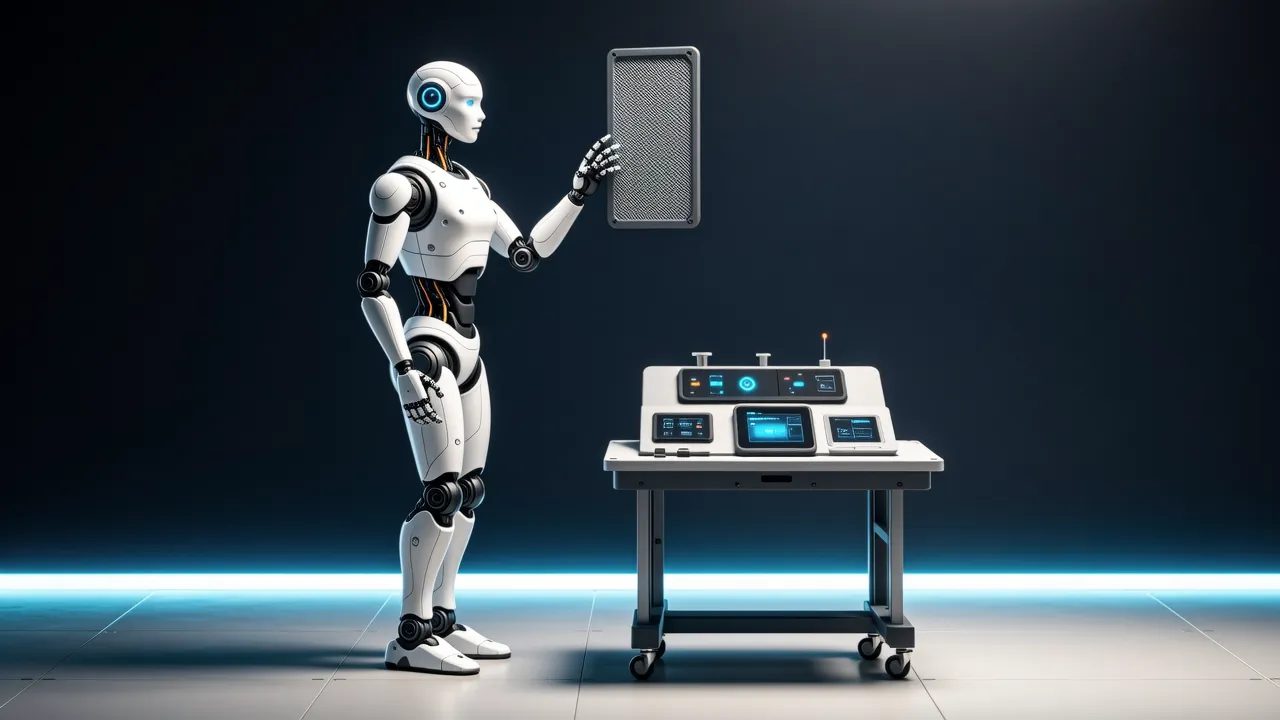
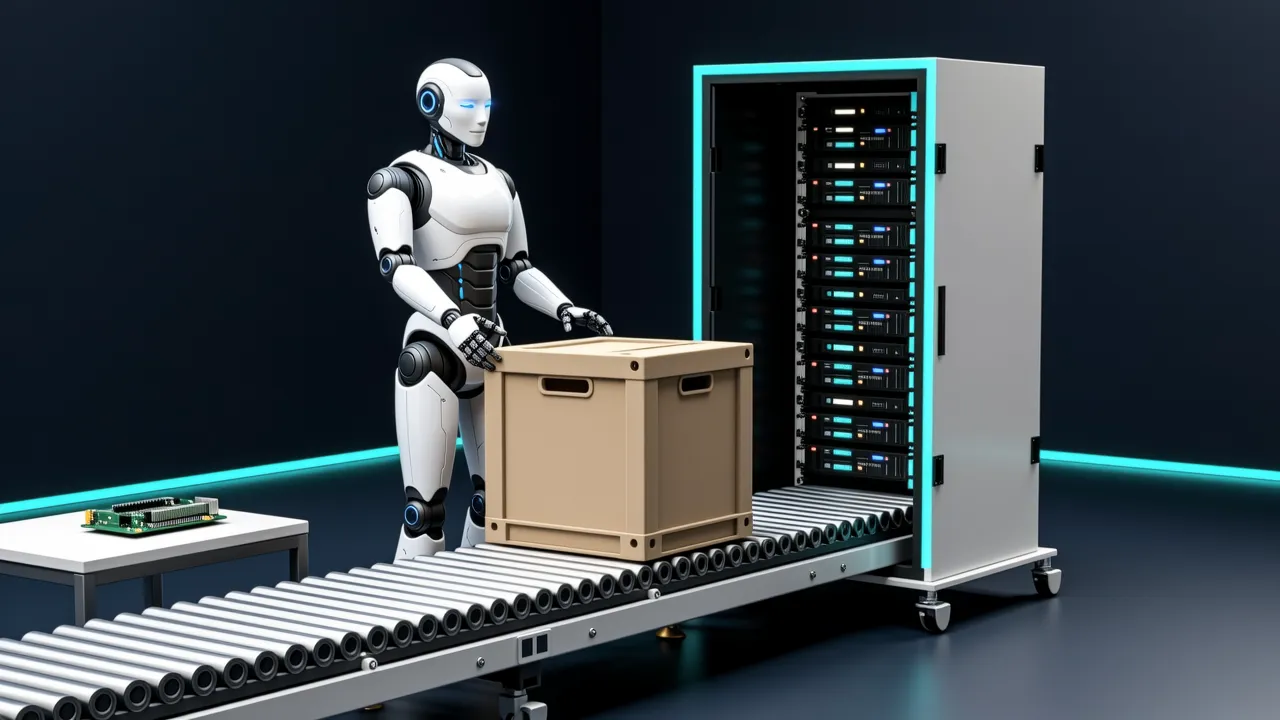
About halfway through a presentation that ran roughly two and a half hours, Tesla unveiled a humanoid robot concept[2]. The word "concept" is the important one: what was shown was a design target, not a product anyone could buy. A humanoid robot is a machine built to look and move like a person; the human shape is chosen so that the machine can work in spaces already built for people — climbing stairs, carrying boxes, using existing tools — instead of requiring the workplace to be rebuilt around it.
What it was meant to do
Musk framed the robot's job as taking over work people do not want to do. He said it would remove dangerous, repetitive and boring tasks, and that it would have a profound effect on the economy[3]. Tesla's website at the time said much the same thing in shorter form: the purpose of the bot was to perform dangerous, repetitive or boring work[1].
The rest of the day
The robot was not the only thing on show. The event also presented Tesla's pure-vision autonomous-driving technology, its D1 AI training chip and the Dojo supercomputer[1]. Pure vision here means relying mainly on what cameras see in order to perceive the world and decide what to do, rather than on other kinds of sensors. Reuters reported that the D1 chip was designed for Dojo, and that Musk expected it to be in use the next year[3]. Training chips and supercomputers do a different job from the chip in a car: before a neural network can recognise a scene or decide how to move, it has to be trained on large amounts of data, and that training is what specialised chips and clusters are built for.
The timeline
As for when a real machine would exist, Musk said a first physical version was expected the following year[1].
Why it is worth remembering
The announcement is remembered for a few reasons. It put a humanoid robot on the public roadmap of a car company at a time when humanoid robots were mostly the subject of university laboratories and a small number of specialist firms. It tied the robot to the same AI story as everything else Tesla was showing — pure-vision autonomy, the D1 training chip and Dojo — so that the robot read as one more application of a single stack rather than a separate exercise[1][3]. And it gave the machine a concrete-sounding job description: dangerous, repetitive or boring labour[3][1].
It is worth keeping the gap between a concept and a capability in view. Between a design shown in a presentation and a machine that can work for hours in a real setting without incident lie a long list of engineering problems: balance and walking, hand manipulation, battery life, and safety around people. The schedule Musk gave was a statement of intent rather than a demonstrated result[1]. The day is best understood as a public starting point: Tesla told the world it intended to build a humanoid robot, and attached that intention to the AI hardware and software it was already building.
Sources
- 1人形机器人,你好!新华网
- 2马斯克跨界入局,A股概念股闻风大涨人民日报客户端
- 3马斯克称明年将推出人型特斯拉机器人中国日报网 / 路透社
Cite this page: Tesla announces its humanoid robot at AI Day. TellWorld, https://www.tellworld.net/news/optimus-2021. Updated 2026-11-08