Background
Humanoid robots have historically been expensive, specialized machines, and that showed in their prices: at the time of the R1 launch, such robots commonly sold for 150,000 to 200,000 yuan, according to Securities Times [1]. Unitree had already brought humanoid models to market before this launch; the R1 was the company's third humanoid model [1][2].
The launch
Unitree released the R1 on 25 July 2025 [1][2]. Shanghai Securities News reported that the announcement came the day before WAIC 2025 opened in Shanghai, placing the release right at the edge of one of the country's largest AI events [2].
What the machine is
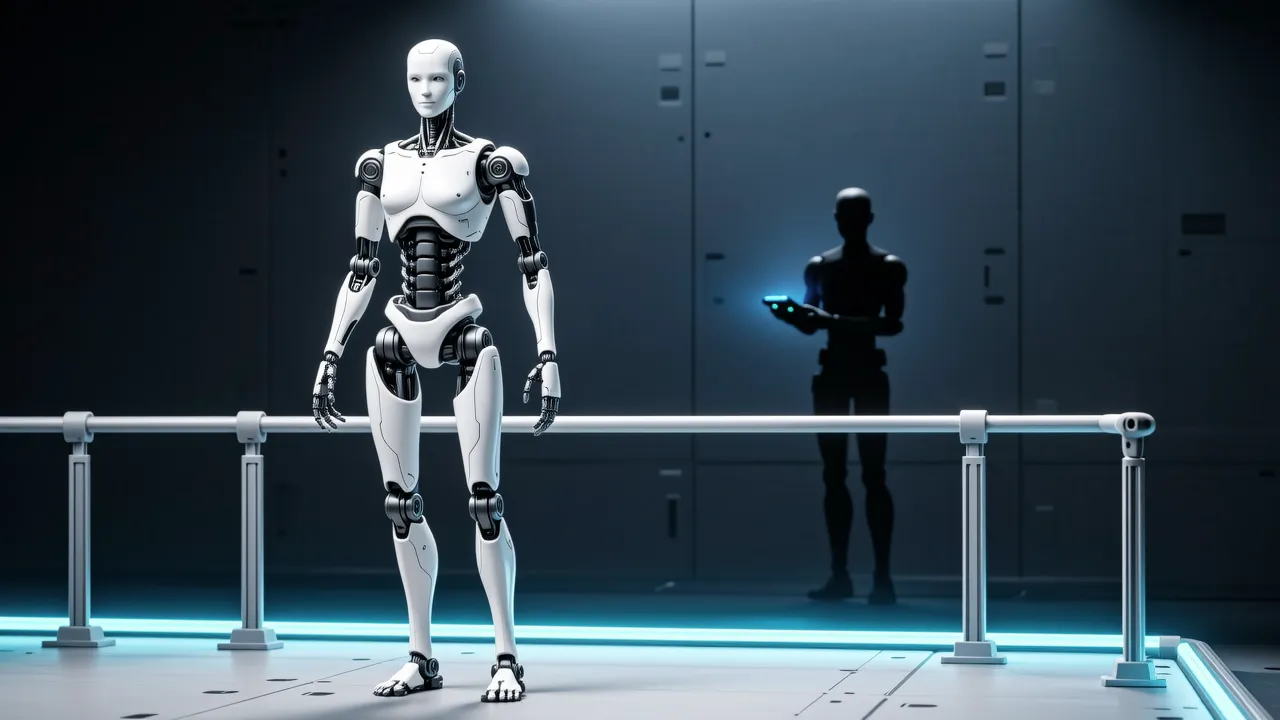
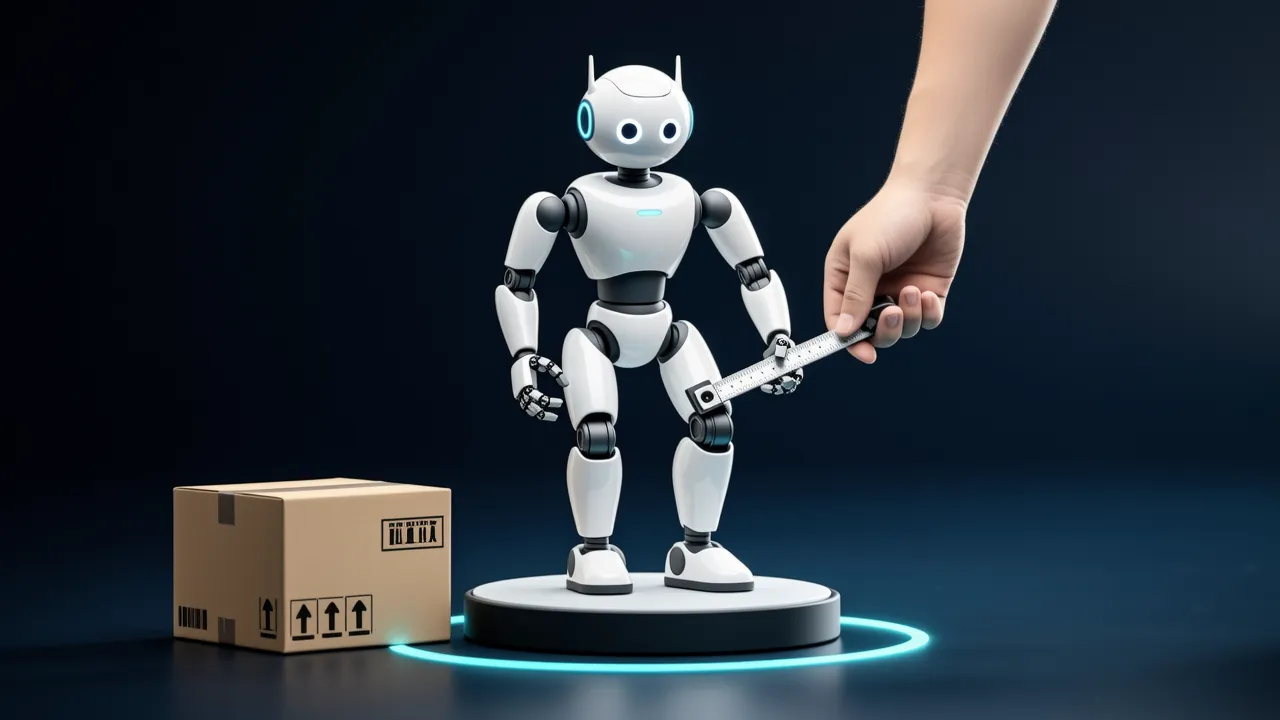
Unitree described the R1 as a light machine, at about 25 kg, with 26 joints, and said it supports development and modification by users [1]. Joints are the moving connections between rigid links, so the joint count sets how many independent motions the body can make; a light body with a moderate joint count is a different design target from a heavy, high-torque machine.
The R1 also integrates speech and image multimodal large models, meaning it can take in spoken and visual input within the same model stack rather than through separate, narrowly scoped systems [1][3]. The EDU version goes further, supporting secondary development through open interfaces [1][3] — builders can write their own control and application code instead of being limited to whatever ships with the robot.
Pricing
The standard R1 was priced at 39,900 yuan [1]. Unitree later listed a lighter variant, the R1 AIR, at 29,900 yuan [1][3]. Securities Times reported that the R1's starting price undercut the 150,000 to 200,000 yuan pricing that was common among humanoid robots at the time [1].
Why it matters
Price is the most obvious barrier in robotics. A research lab, a teaching programme or a small company that cannot justify a six-figure purchase can often justify one an order of magnitude cheaper, and that changes who gets to work with a humanoid robot at all. The gap the R1 opened was not a marginal discount: it moved the entry point from the 150,000 to 200,000 yuan band down to tens of thousands of yuan [1].
Open interfaces matter for a similar reason. A robot that only runs its maker's demonstrations is a product; a robot that others can program is a platform, and the EDU version was positioned at the second kind of use [1][3]. Combined with the lightweightAbout 25 kg body and 26 joints, the pitch was less about raw capability than about being easy to handle, modify and experiment with [1].
The timing also counted. Releasing the day before WAIC 2025 opened in Shanghai put the R1 in front of the audience that attends the show — researchers, developers, integrators and press — at the moment they were gathering [2]. For a company whose earlier humanoids had established it in the field, the R1 was a move down-market: a cheaper, lighter, more open entry point into the same category [1][2].
Sources
- 1
- 2宇树科技发布!Unitree H2来了中国证券网
- 3Unitree R1宇树科技
Cite this page: Unitree releases the R1 humanoid. TellWorld, https://www.tellworld.net/news/unitree-r1-2025. Updated 2026-11-08