Anthropic files publicly for an IPO
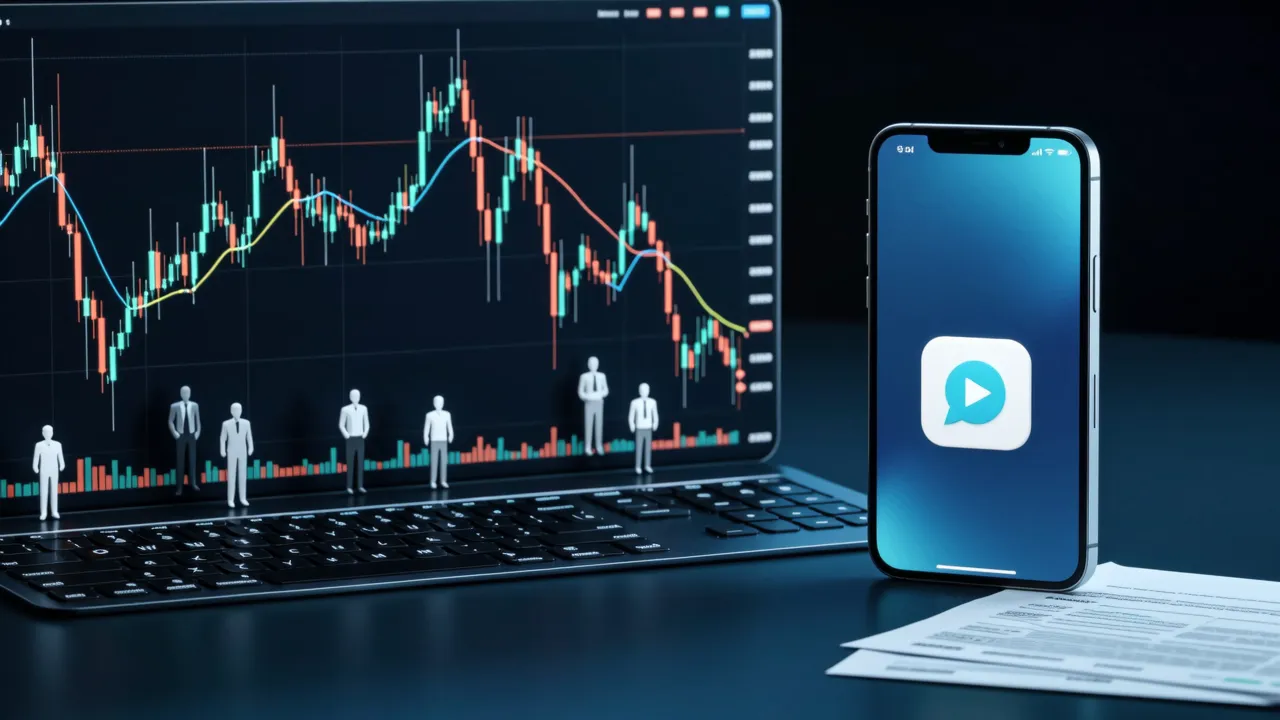
On 26 October 2026 Anthropic filed an S-1 registration statement with the US SEC for a proposed IPO, intending to list on Nasdaq under the symbol "ANT".
Total 25 · Clear filters
On 26 October 2026 Anthropic filed an S-1 registration statement with the US SEC for a proposed IPO, intending to list on Nasdaq under the symbol "ANT".
On 8 June 2026 OpenAI confirmed it had filed confidentially for an IPO with the US SEC, against a 2025 operating loss of $20.92 billion and annualised revenue above $20 billion. The listing was later pushed to 2027.
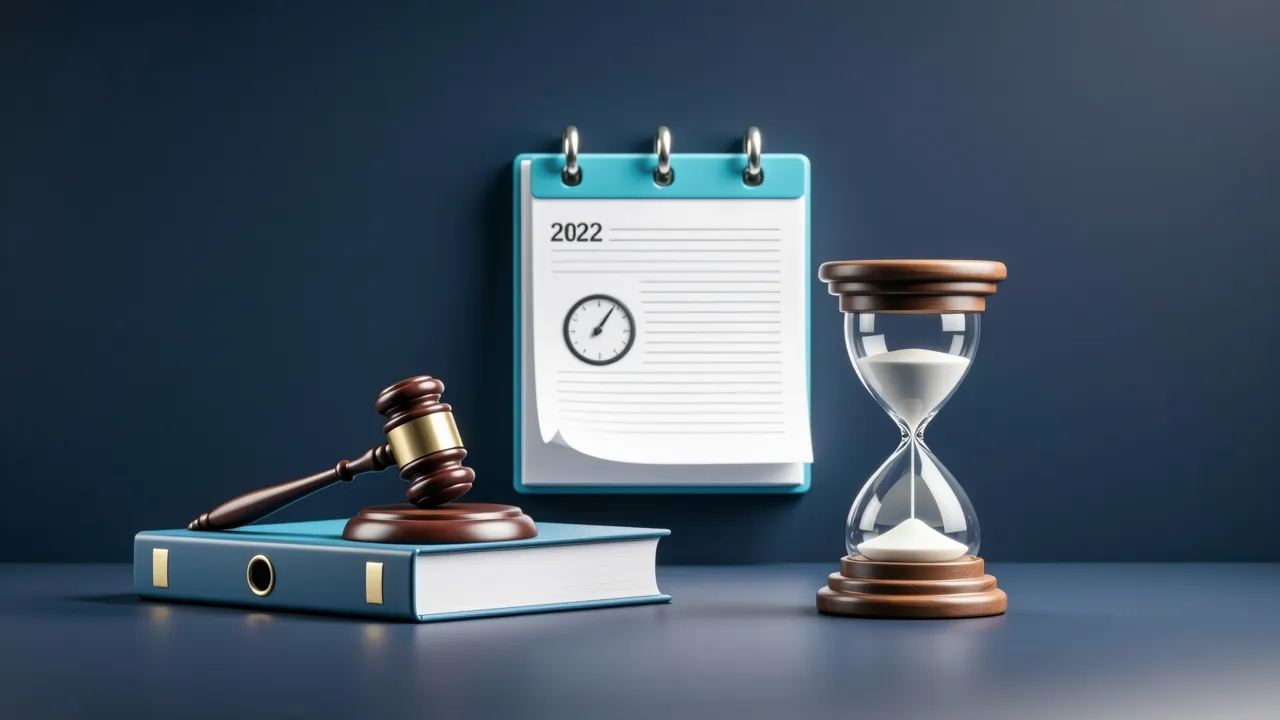
A jury in Oakland ruled for OpenAI, Sam Altman, Greg Brockman and Microsoft on 18 May 2026, finding that Elon Musk's claims were filed too late under the three-year statute of limitations. Musk says he will appeal.
On 29 October 2025 Nvidia became the first company in history to reach a $5 trillion market value, closing at $207.04 a share after a rally driven by large AI chip orders.
On 28 October 2025 OpenAI completed a recapitalisation that turned its for-profit arm into OpenAI Group PBC, a public benefit corporation, and renamed the nonprofit the OpenAI Foundation.
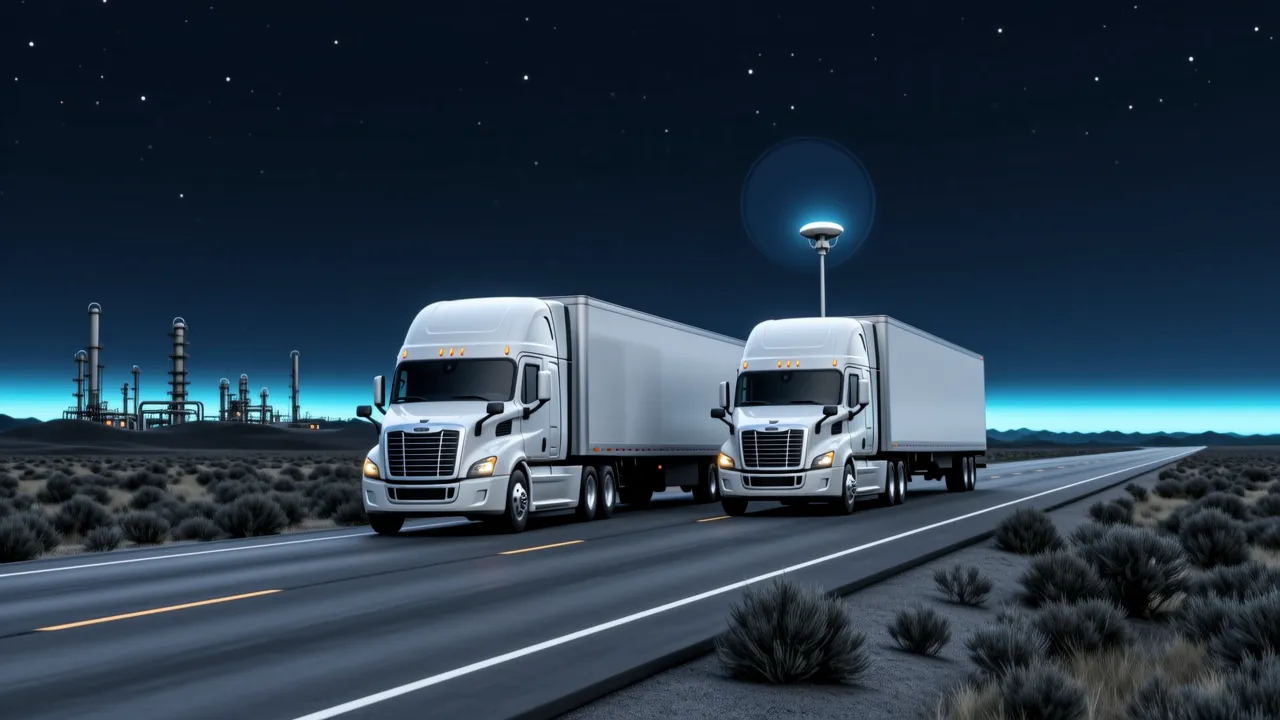
On 27 April 2025, trucks running on Aurora's self-driving system began regular driverless commercial hauls for Uber Freight and Hirschbach between Dallas and Houston, with no one in the cab and no police escort.
On 27 January 2025 DeepSeek's mobile app passed ChatGPT as the most downloaded free app on Apple's U.S. App Store. The same day Nvidia shares fell 17 percent, the biggest one-day loss in U.S. history for any company.
On 5 June 2024 Nvidia's market value passed $3 trillion, making it the third company to reach that level after Microsoft and Apple; two weeks later it became the world's most valuable company, driven by demand for data-center AI chips.
On 12 July 2023 Elon Musk publicly announced xAI, a company he had incorporated in March 2023 with a founding team of eleven to build what he called a maximally truth-seeking AI.
On 30 May 2023 Nvidia became the first chip company on the US stock market to pass a $1 trillion market value, as demand for the GPUs used to train large AI models surged after ChatGPT.
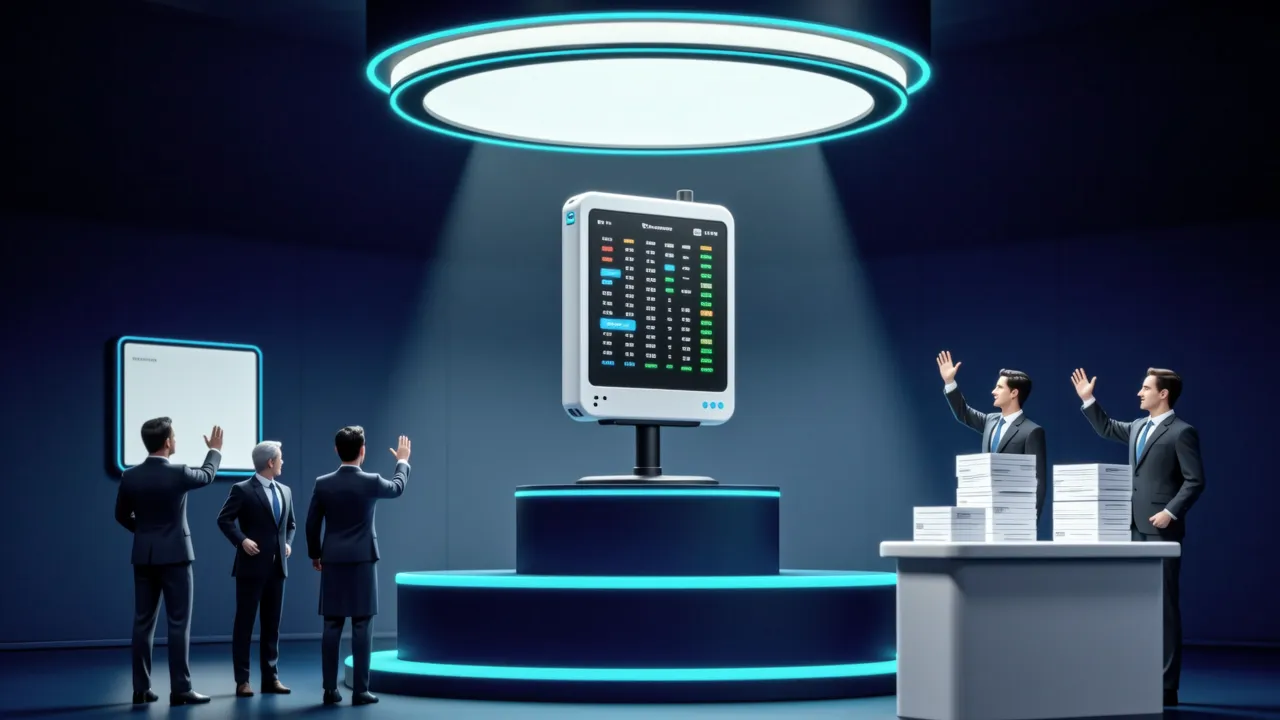
Mobileye priced its Nasdaq initial public offering at 21 dollars a share and sold 41 million Class A shares, with a large part of the proceeds earmarked to repay a note owed to parent company Intel.
Honda's humanoid robot ASIMO formally retired on 31 March 2022, after a final demonstration at Honda's Tokyo headquarters; Honda said it would focus on remotely controlled avatar robots instead.
On 11 March 2019 OpenAI announced OpenAI LP, a "capped-profit" company that let it raise outside capital while limiting investor returns. The structure lasted until October 2025.
In December 2016 Alphabet spun its self-driving car project out into a separate company, Waymo, turning a long-running research effort into a business that supplies self-driving technology rather than cars.
In August 2016 NVIDIA CEO Jensen Huang hand-delivered the first DGX-1, a turnkey eight-GPU deep learning machine, to OpenAI in San Francisco — an early piece of dedicated AI hardware at a young research lab.
On 9 January 2014 IBM announced the Watson Group, a business unit for cloud-delivered cognitive services, backed by more than $1 billion and about 2,000 professionals — an attempt to turn Watson into a commercial platform rather than a research project.
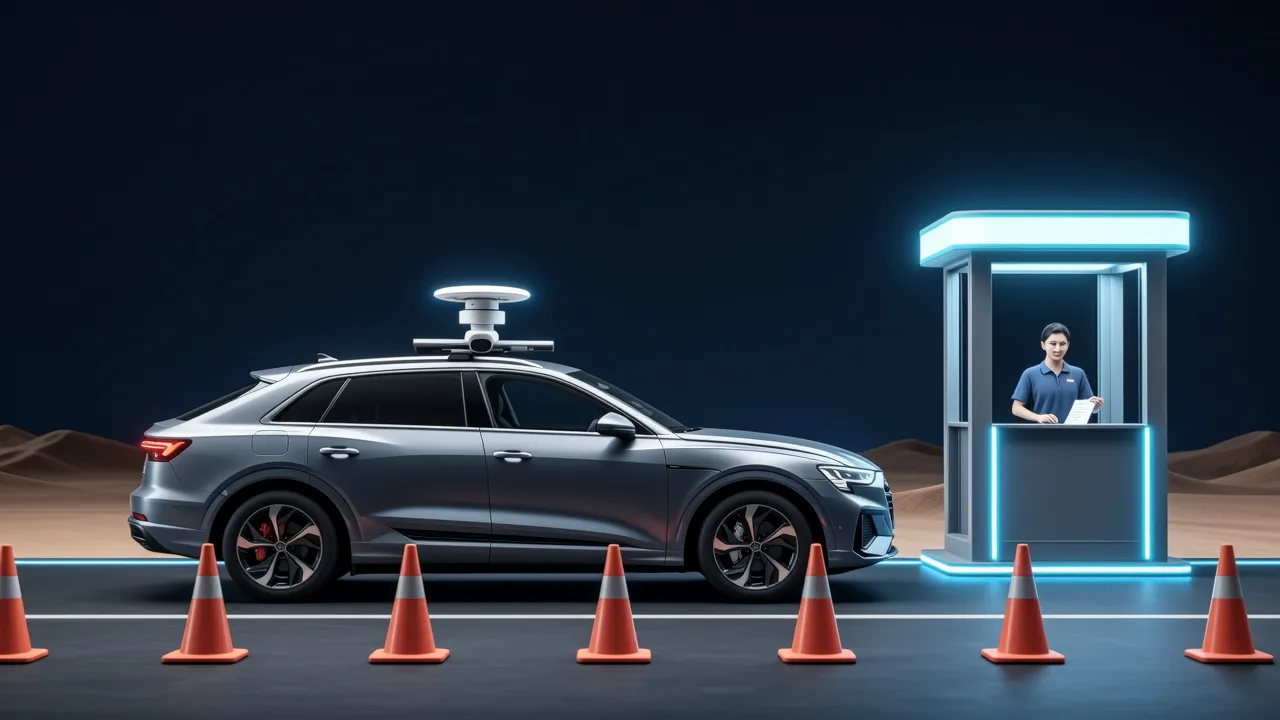
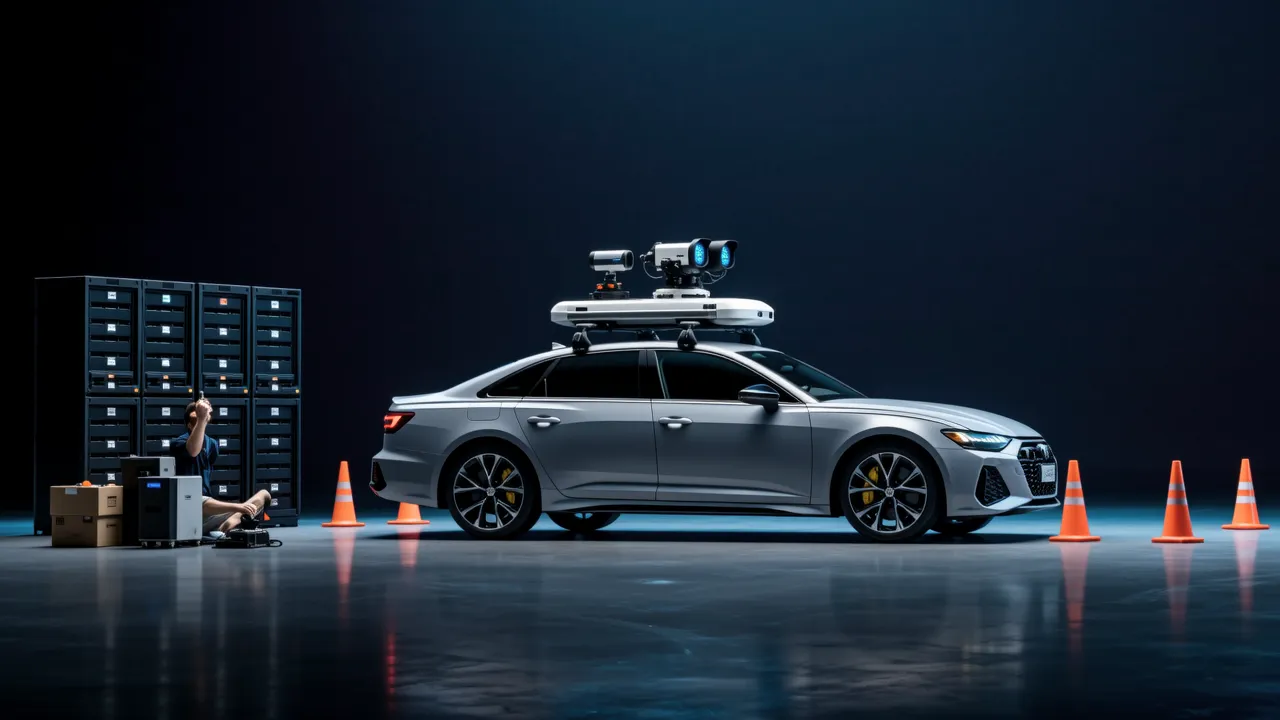
On 7 May 2012 Nevada's DMV issued the first US licence for an autonomous vehicle, a Toyota Prius fitted with Google's self-driving technology, after tests on highways, Carson City streets and the Las Vegas Strip.
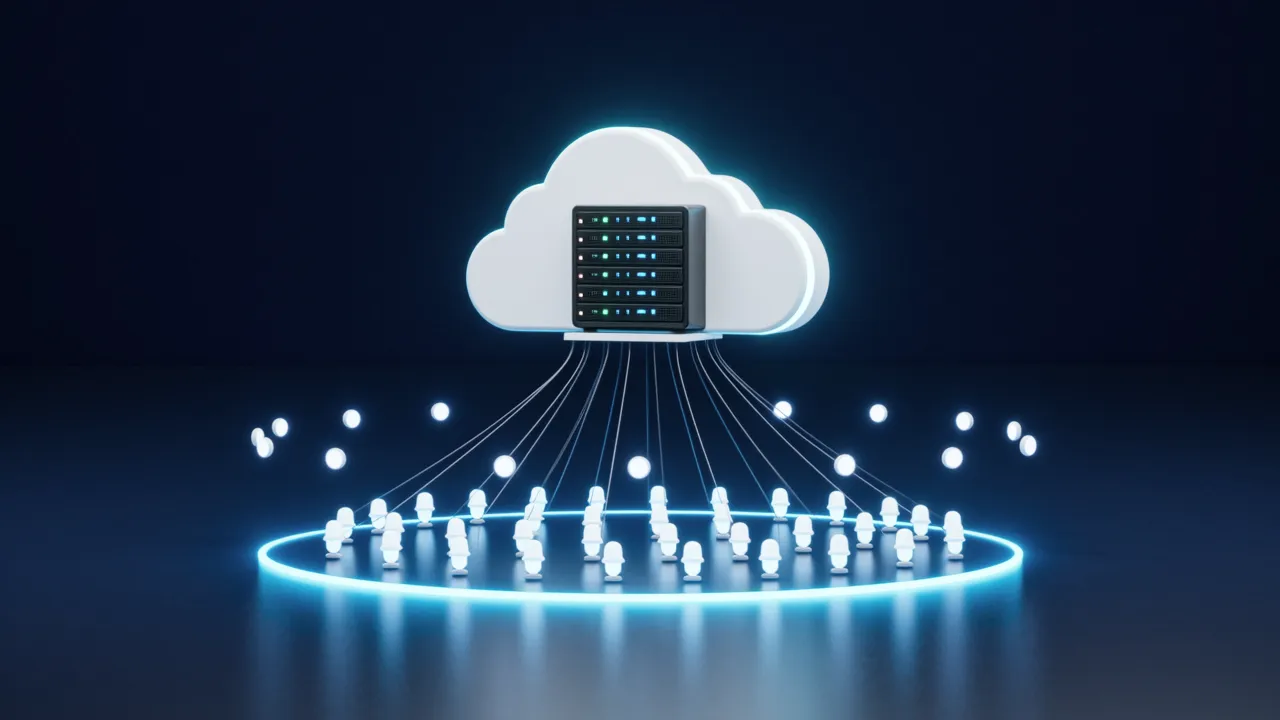
In December 2011, iFlytek said its voice cloud passed ten million total users, after its cloud-based voice input method won awards and received MIIT recognition as a secure, controllable cloud computing solution.
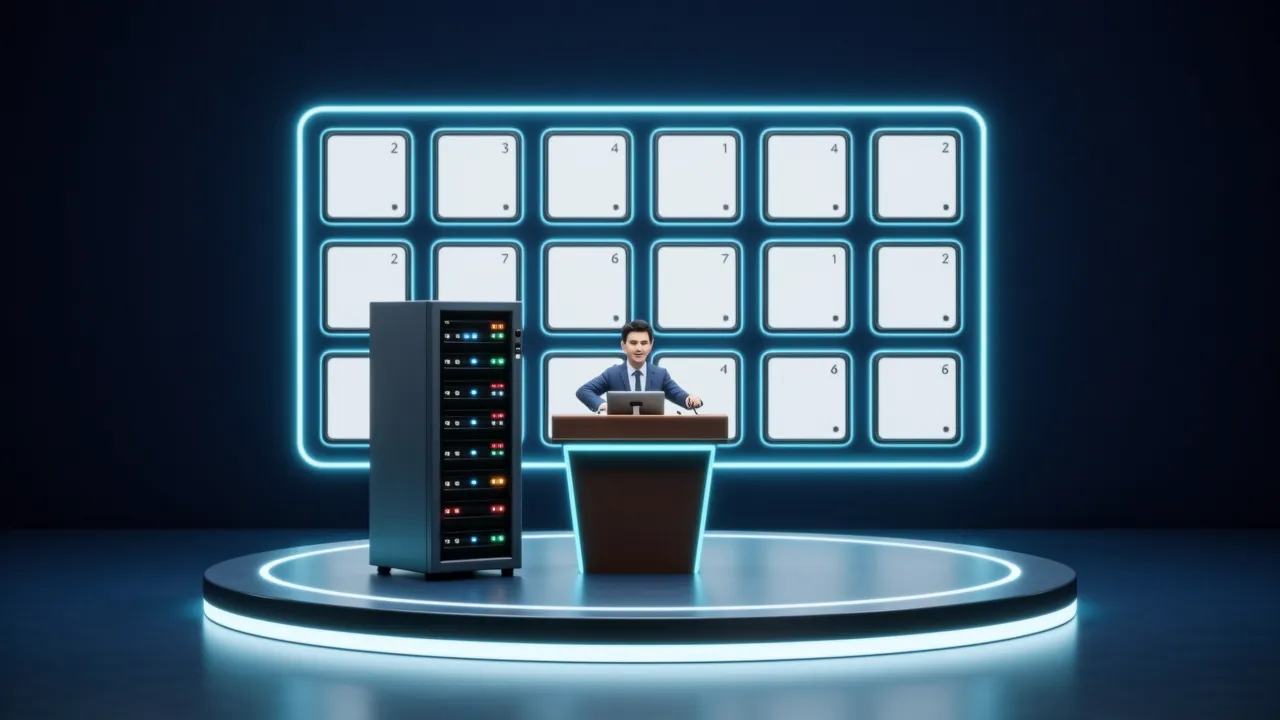
In February 2011 IBM's Watson beat Jeopardy! champions Brad Rutter and Ken Jennings in two televised matches, winning USD 77,147 for charity — a public test of machine question-answering, and IBM's chosen successor to its 1997 chess victory.
In October 2010 Google said its self-driving cars had driven more than 140,000 miles on public roads, and reported that the only crash was a car rear-ended at a traffic light.
On 17 January 2009 Google began developing self-driving cars in its Google X lab; the project, revealed in October 2010 after 140,000 miles of testing, was later renamed Waymo.