IJCAI-95 announces the first Robot World Cup games
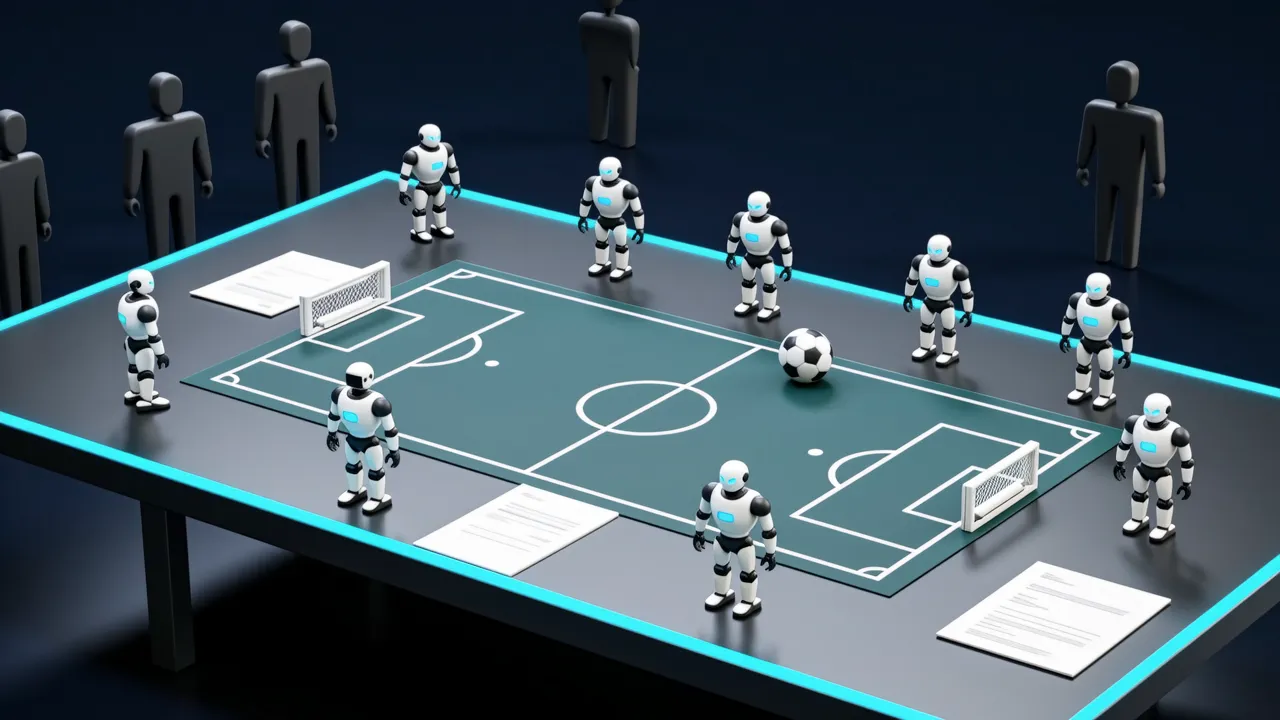
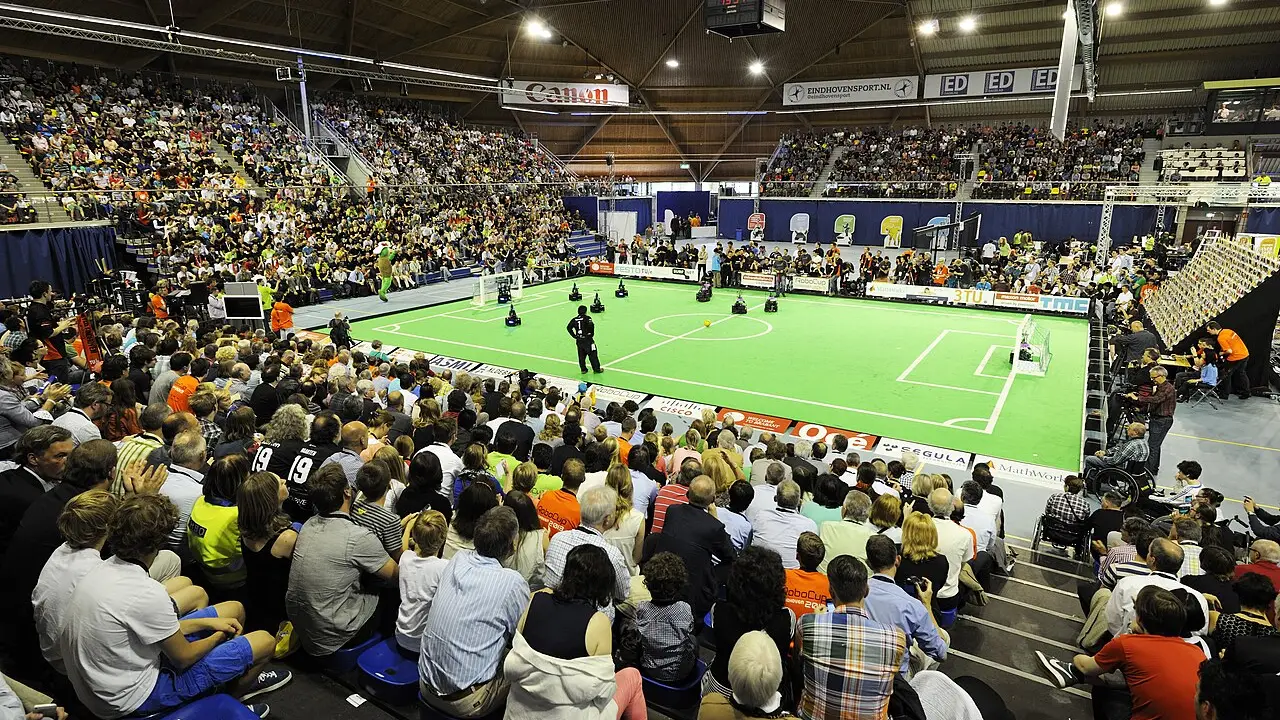
At IJCAI-95 in Montreal in August 1995, organizers announced the first Robot World Cup, to be held with IJCAI-97 in Nagoya, and set up Pre-RoboCup-96 plus the Soccer Server simulator.
Total 302 · Clear filters
At IJCAI-95 in Montreal in August 1995, organizers announced the first Robot World Cup, to be held with IJCAI-97 in Nagoya, and set up Pre-RoboCup-96 plus the Soccer Server simulator.
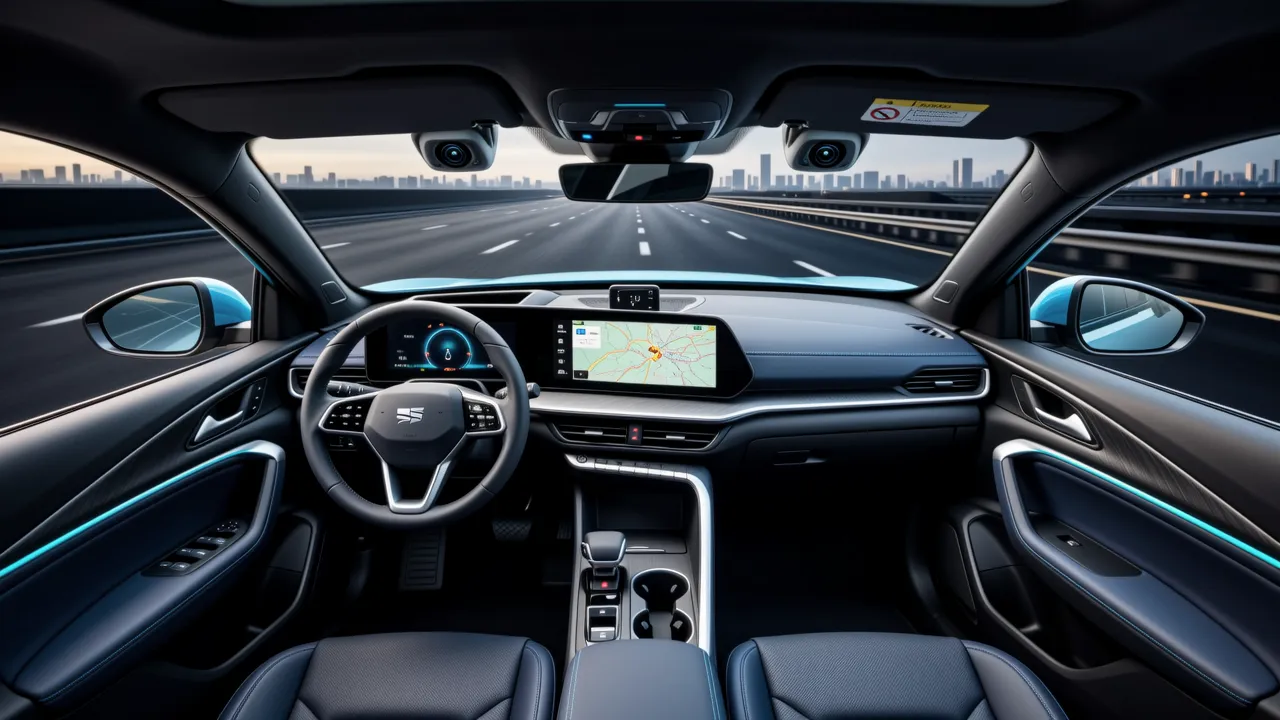
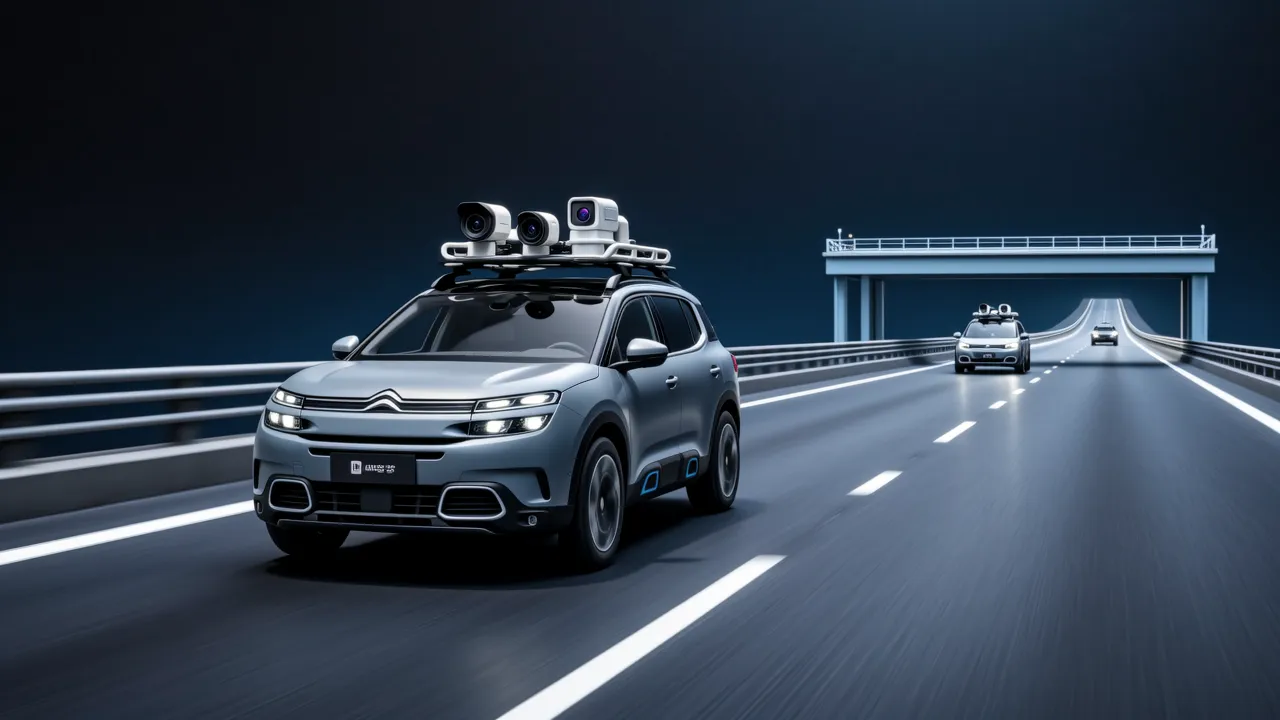
In 1995 a Mercedes 500 SEL built by Ernst Dickmanns' team drove over 2,000 km from Munich to Copenhagen and back in traffic, using cameras only, reaching 180 km/h and averaging 9 km between human interventions.
In October 1994 VaMP and VITA-2, research cars built by Ernst Dickmanns' team with Mercedes-Benz, closed the EUREKA PROMETHEUS programme by driving over 1,000 km in highway traffic, changing lanes and overtaking at up to 130 km/h with a safety driver aboard.
In June 1993, researchers including Minoru Asada, Yasuo Kuniyoshi and Hiroaki Kitano proposed a robot soccer competition tentatively called the Robot J-League. International interest soon led to its renaming as the Robot World Cup Initiative, or RoboCup.
In 1992, Alan Mackworth's paper on seeing robots and a Tokyo workshop on AI grand challenges independently put forward robot soccer as a way to drive AI and robotics research.
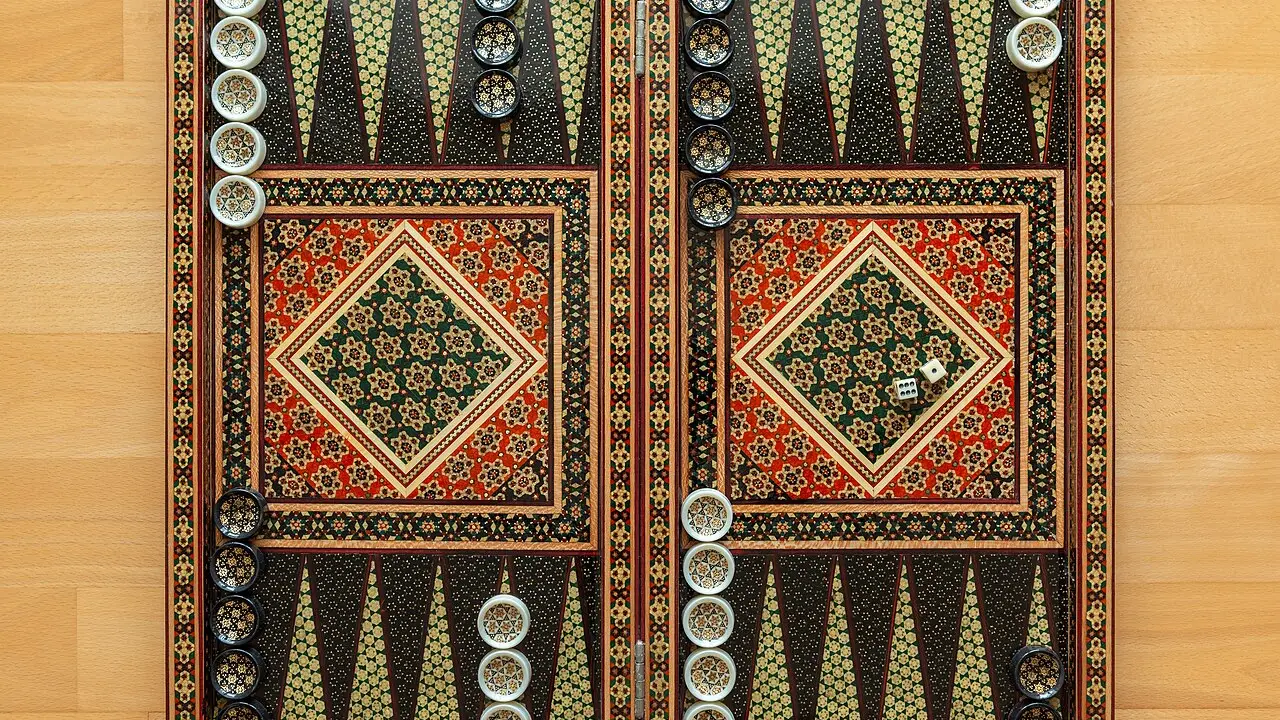
TD-Gammon was an IBM backgammon program built by Gerald Tesauro that taught itself to evaluate positions by playing against itself with temporal-difference learning, reaching a level just below top human players and becoming an early landmark for reinforcement learning.
In 1973 the UK Science Research Council published Sir James Lighthill's survey of AI, which sharply criticised basic research in robotics and language processing and caused a long loss of confidence in the field.
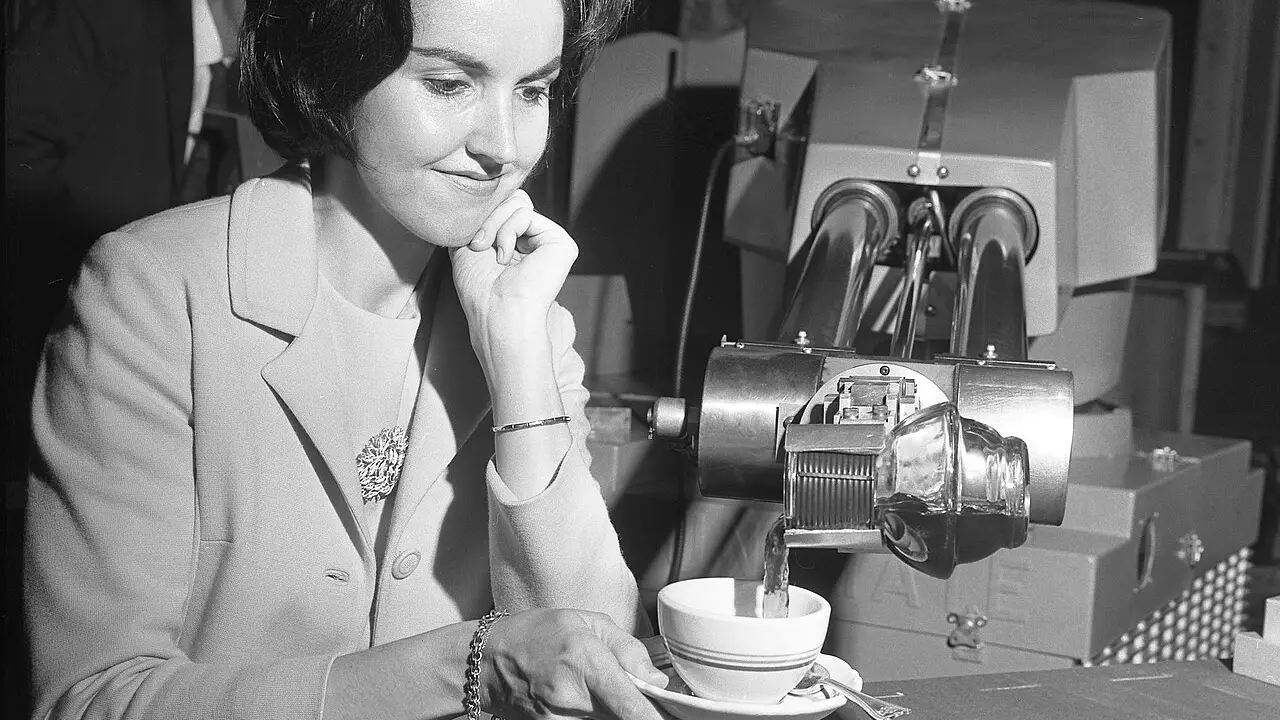
In 1961 a Unimate robot began unloading a die-casting press at a General Motors plant in Trenton, New Jersey, becoming the first industrial robot on an assembly line and opening factory work to automation.