Background
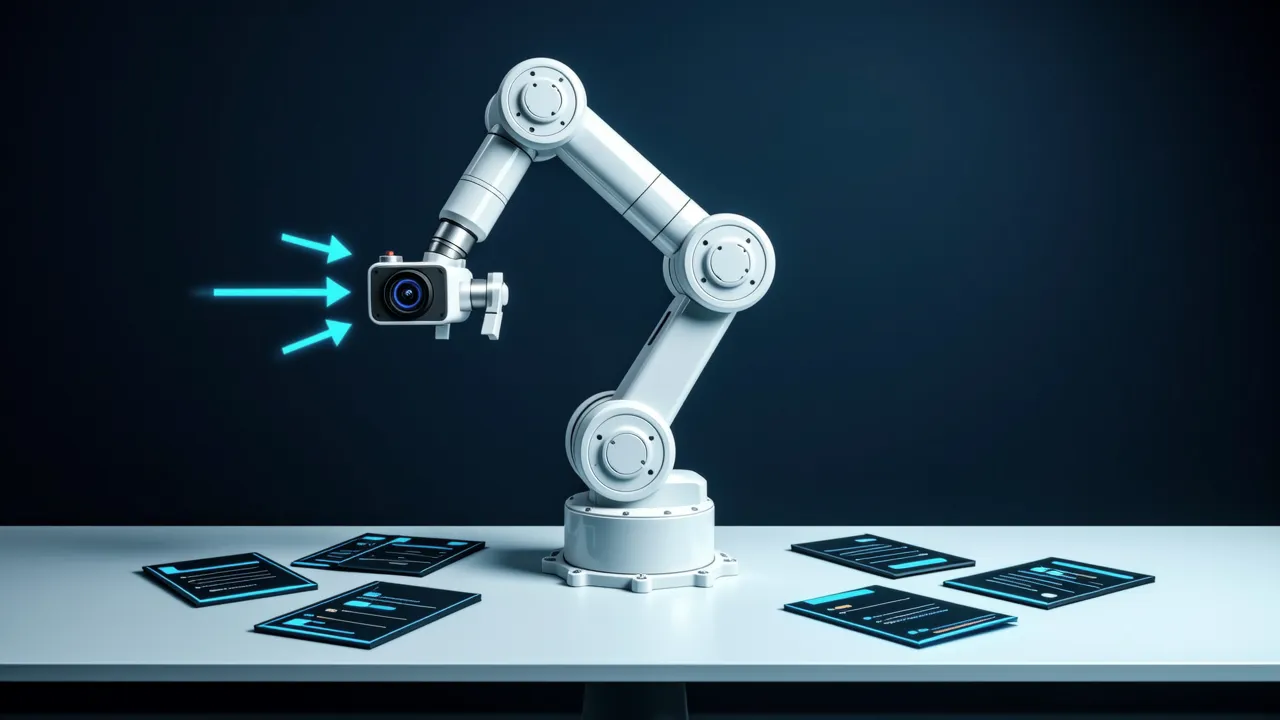
Getting a robot to do useful work in an ordinary room is hard for a reason that has little to do with mechanics. Most robot learning systems are trained for one task on one machine: the controller that folds a towel is not the one that makes coffee, and moving the same job onto a different arm or gripper usually means training again from the start. A generalist policy is the alternative — a single model that takes in what the robot sees and what it has been asked to do, and outputs motor commands. Building one requires both a great deal of varied data and a network able to absorb it.
The announcement
On 31 October 2024, Physical Intelligence announced π0 [1]. The company said it had developed the model over the previous eight months [1]. It described π0 as a prototype that combines large-scale multi-task and multi-robot data collection with a new network architecture [1]. The blog post presenting it was titled "π0: Our First Generalist Policy", framing the release as a first attempt at a single policy for many tasks rather than a finished product [1].
How it is built and used
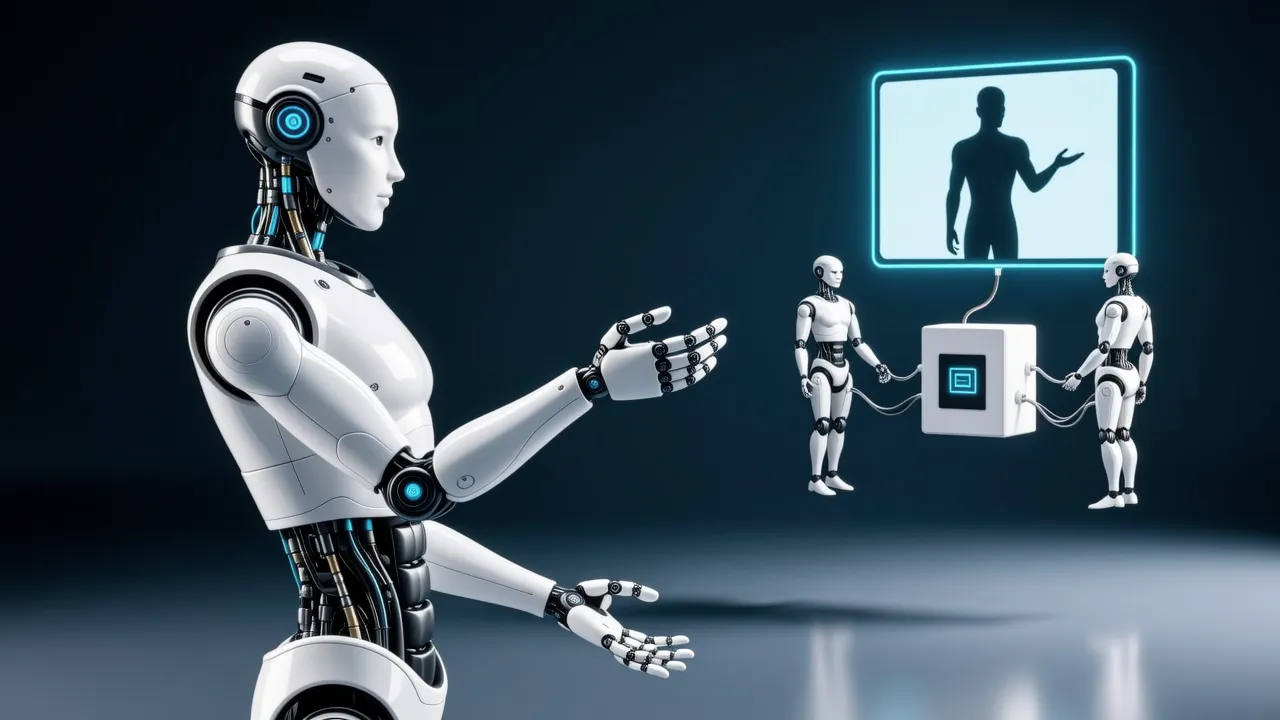
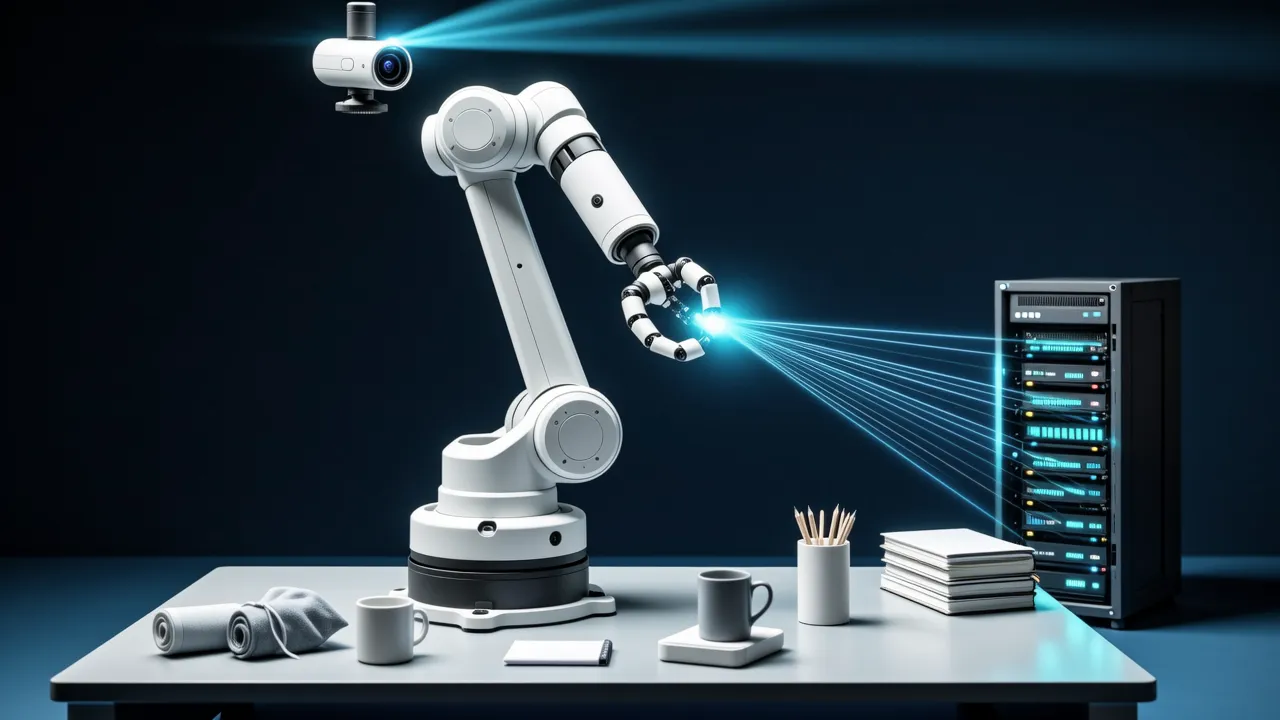
Physical Intelligence said the model inherited semantic knowledge from internet-scale pretraining of a vision-language model [1]. A vision-language model is trained on large collections of images paired with text, so it learns to connect words to the way things look; attaching such a model to robot control lets the resulting system start from that grounding instead of learning what a cup or a shirt is from robot data alone.
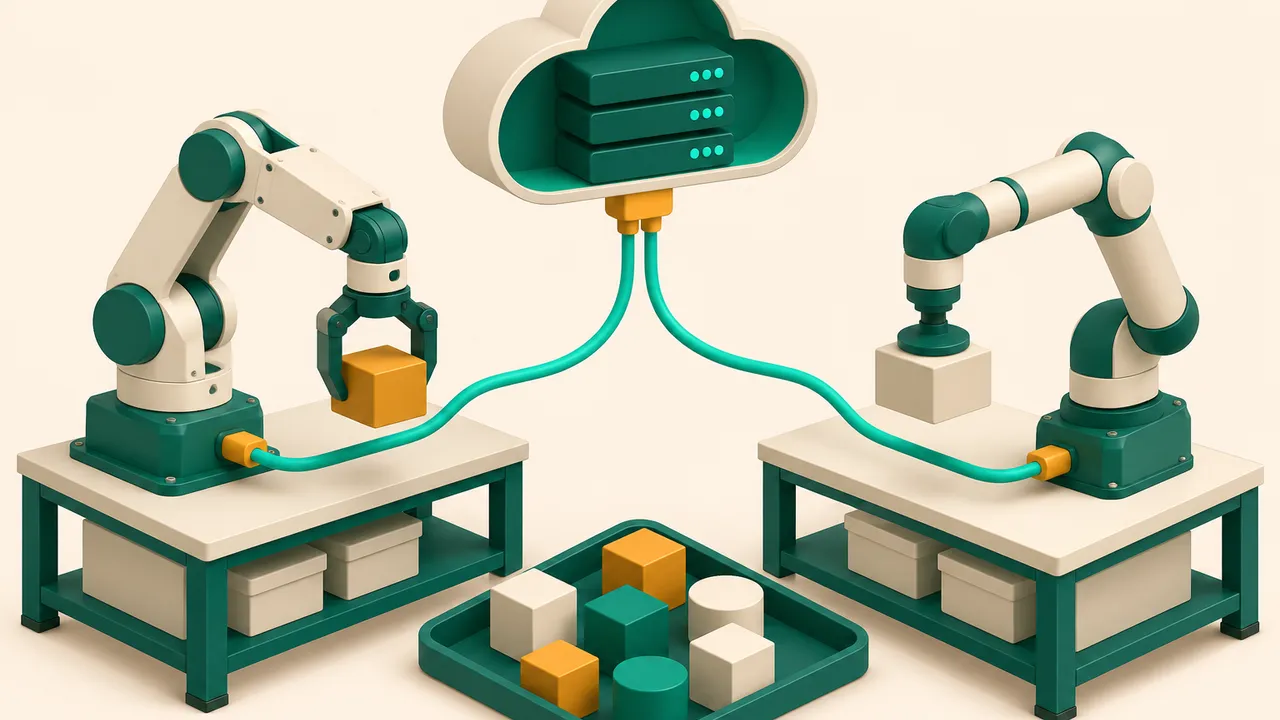
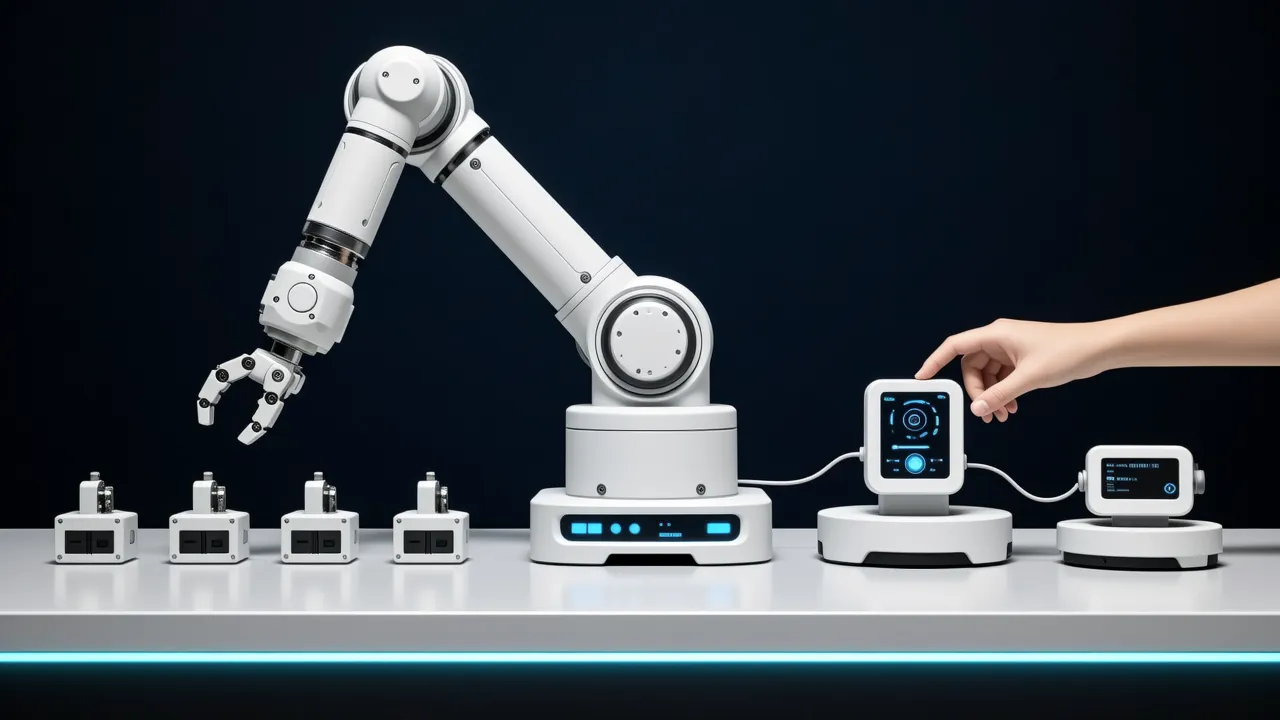
The company said π0 could control a variety of different robots and could either be prompted or fine-tuned for specific tasks [1]. Prompting means the task is given as an instruction at run time; fine-tuning means the model is trained further on demonstrations of one particular skill. The same model is therefore meant to be reused across machines and adapted to new jobs with additional data.
What the demonstrations showed
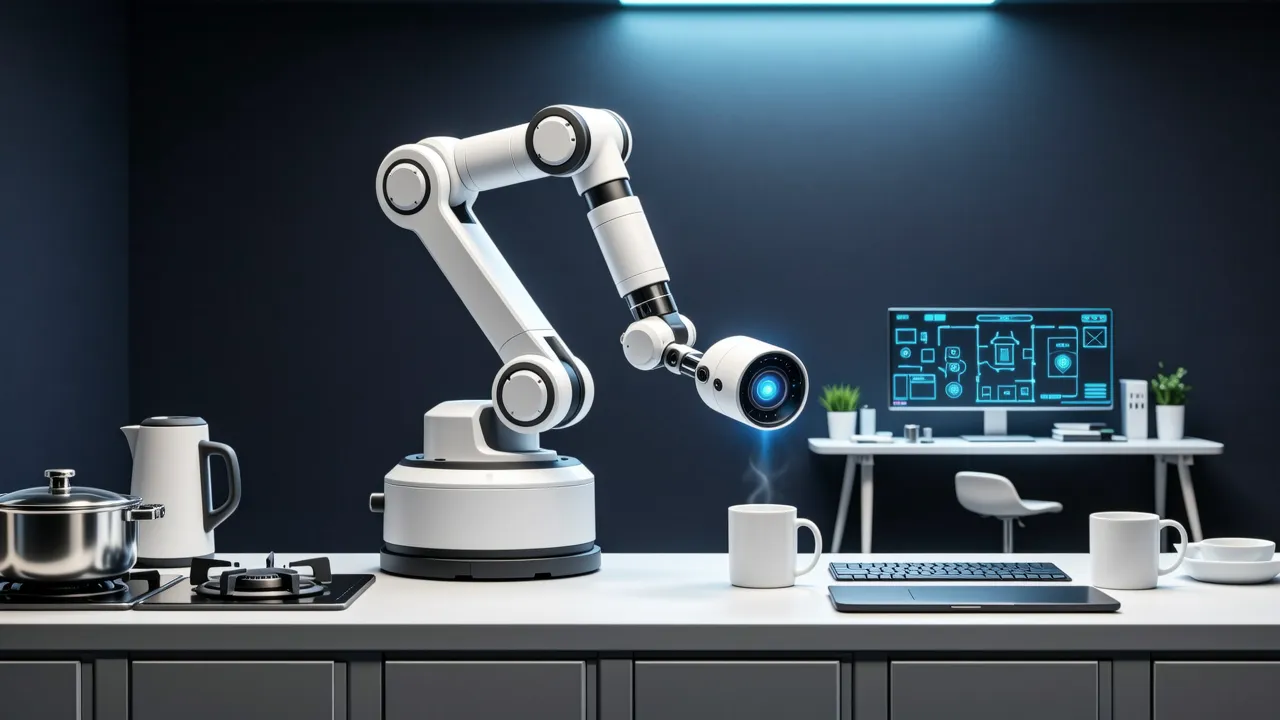
The blog showed demonstrations including laundry folding, making coffee, bagging groceries, bussing a table and assembling boxes [1]. These are ordinary manipulation tasks of the kind that are awkward to script by hand: cloth has no fixed shape, cups and boxes have to be grasped and placed, and a table has to be cleared item by item. Showing a spread of such tasks rather than a single polished one is the point of the generalist claim.
The accompanying experiments
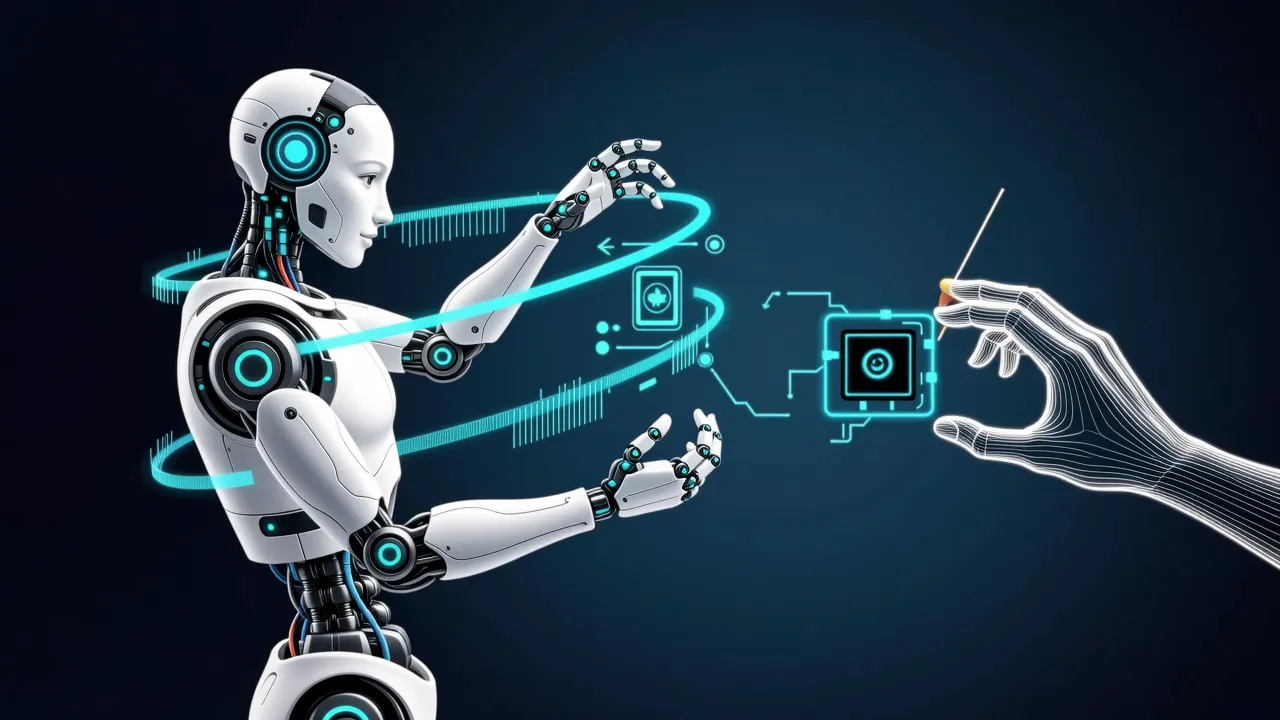
The paper documented experiments on zero-shot task performance, following language instructions and acquiring new skills by fine-tuning [2]. Zero-shot performance means the model is evaluated on a task without task-specific training for it; following language instructions tests whether the model acts on a spoken or written request rather than a fixed program; and the fine-tuning experiments test whether a general model can be turned into a competent specialist with a comparatively small amount of new data. Together these are the three questions a generalist robot policy has to answer: can it do something it was not trained for, can it be told what to do, and can it learn a new skill cheaply.
Why it matters
π0 was presented as a prototype, and the announcement is best read as a statement about a direction of work: one model, many robots, many tasks, with language as the interface. The combination the company described — large-scale multi-task and multi-robot data, a new architecture, and semantic knowledge carried over from a vision-language model — is the recipe that the generalist-policy idea depends on [1]. The demonstrations and the three sets of experiments in the paper are what that recipe looked like in practice at the time of release [1][2].
Sources
- 1π0: Our First Generalist PolicyPhysical Intelligence
- 2
Cite this page: Physical Intelligence releases pi-zero. TellWorld, https://www.tellworld.net/news/pi0-2024. Updated 2026-11-08