Background
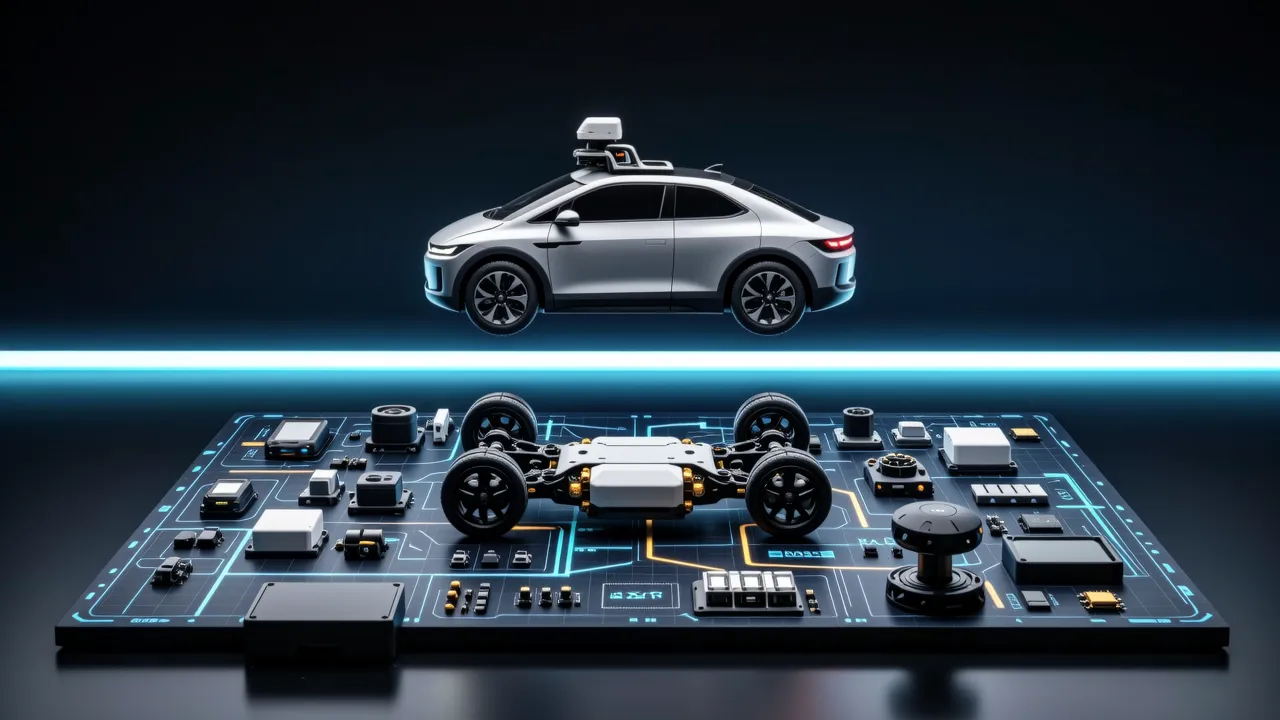
Ride-hailing rests on a simple cost structure: a human driver does the work, and the platform takes a share of the fare. A car that drives itself would take the driver out of that equation, which is why Uber built an autonomous-vehicle effort of its own. That effort was organised as the Advanced Technologies Group, or ATG — Uber's self-driving unit [1].
Aurora worked on self-driving technology, with a stated mission and a first product that had not yet been delivered [1]. At the time of the announcement, the company listed Uber, Amazon and Sequoia among its backers [1].
What was announced
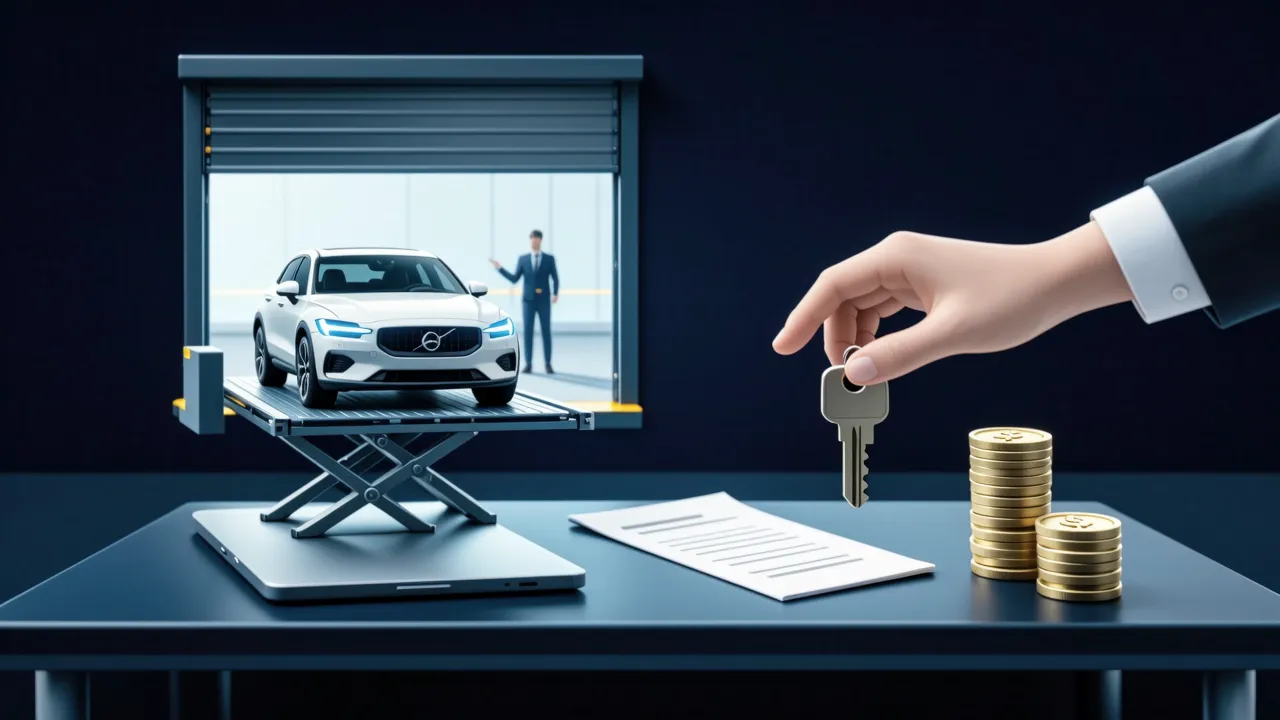
On 7 December 2020, Aurora announced that it was acquiring Uber's self-driving unit, the Advanced Technologies Group [1]. Uber did not simply sell and step away. As part of the deal it invested 400 million dollars in Aurora [1], and Uber chief executive Dara Khosrowshahi joined Aurora's board of directors [1]. The two companies also announced a strategic partnership that connects Aurora's technology to Uber's ride-hailing platform [1].
The acquisition, the investment, the board seat and the commercial partnership were announced together, so the transaction was less a clean exit than a rearrangement of who does what: Uber gave up owning the self-driving stack, kept a hand in the technology through its investment and board representation, and gained a route to put autonomous vehicles on its network through the partnership.
What Aurora said it would do with ATG
Aurora framed the acquisition as an acceleration. The company said ATG's team and technology would speed up its mission and the delivery of its first product [1]. It also said the addition would strengthen its first applications for heavy-duty trucks while letting it accelerate work on light-vehicle products [1].
The order of business was stated plainly: Aurora said it would deliver an autonomous trucking product first and then pursue passenger mobility [1]. That sequencing reflects a familiar logic in the field. Long-haul trucking runs on fixed routes that are heavy on highway driving, and freight operators buy vehicles on the basis of cost per mile, so a machine driver can be justified commercially before it is pleasant as a consumer experience. A passenger car, by contrast, has to handle crowded city streets and riders who expect a human-like ride.
Chris Urmson said the combination would put Aurora in the best position to deliver self-driving products for transportation and logistics [1].
Key details
The most concrete number attached to the announcement was Uber's 400 million dollar investment [1]. The board seat gave Uber's chief executive Dara Khosrowshahi a formal role in Aurora's governance [1], while the partnership tied Aurora's technology to Uber's ride-hailing platform as a commercial channel [1].
Aurora's list of backers — Uber, Amazon and Sequoia — was notable in its own right, because it placed the company between a ride-hailing platform, a large logistics-heavy business and a long-standing venture investor [1].
Why it matters
For Uber, the deal marked a change of posture. Instead of funding a self-driving programme inside the company, it became an investor and a partner — exposed to the technology without carrying the full cost of developing it alone. For Aurora, the acquisition brought in a team and a body of technology that the company said would accelerate its mission and its first product [1], at the same time as it took outside capital and a new board member.
The stated plan to ship trucking first and passenger mobility later also set expectations for what kind of company Aurora intended to be in the near term: a supplier to freight and logistics before a supplier of robotaxi rides [1]. Whether that sequencing held, the announcement itself made the division of labour clear — Aurora developing the driver, Uber providing the demand platform through a partnership rather than through ownership [1].
Sources
- 1Aurora is acquiring Uber's self-driving unitAurora Innovation
Cite this page: Uber sells its self-driving unit ATG to Aurora. TellWorld, https://www.tellworld.net/news/uber-atg-sold-to-aurora-2020. Updated 2026-11-08