GitHub Copilot technical preview is announced
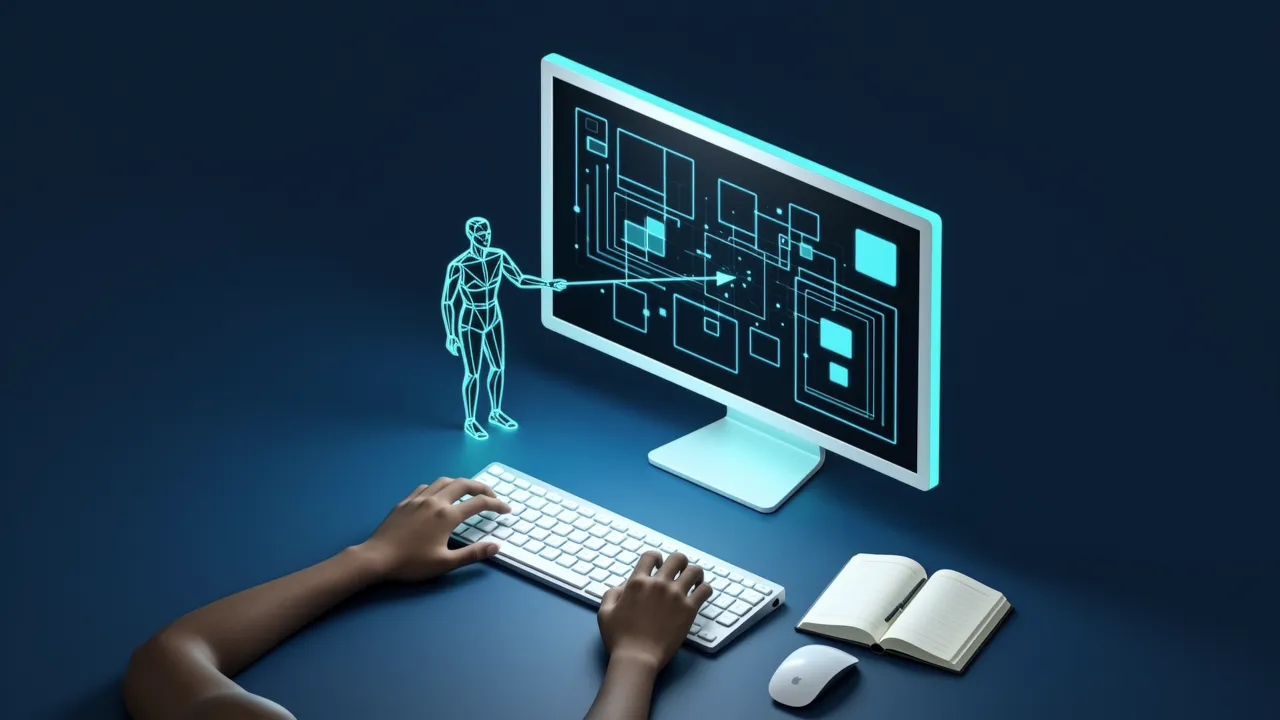
On 29 June 2021 GitHub announced GitHub Copilot as a technical preview, an AI pair programmer that suggests lines and whole functions as developers write code. It was powered by OpenAI Codex.
Total 269 · Clear filters
On 29 June 2021 GitHub announced GitHub Copilot as a technical preview, an AI pair programmer that suggests lines and whole functions as developers write code. It was powered by OpenAI Codex.
On 5 January 2021 OpenAI announced DALL·E, a neural network that creates images from text captions, and CLIP, which learns visual concepts from natural-language supervision.
In June 2020 OpenAI announced an API that let outside developers access its AI models. By March 2021 more than 300 applications were using GPT-3 through it.
On 14 May 2020 NVIDIA announced the A100, its first GPU built on the Ampere architecture, claiming up to 20 times the AI performance of its predecessors. It shipped in full production alongside new systems, cloud partners and supercomputer customers.
On 30 October 2019, DeepMind announced that AlphaStar reached Grandmaster level in StarCraft II for all three races, ranking above 99.8% of active players and playing under human-like interface limits.
In July 2019 Microsoft invested $1 billion in OpenAI and became its exclusive computing partner, with OpenAI's services to run on Microsoft Azure.
On 13 April 2019, OpenAI Five — a team of reinforcement-learning bots — beat OG, the reigning Dota 2 world champions, in a best-of-three in San Francisco, and days later won 99.4% of games in a public online arena.
In May 2016 Google disclosed the Tensor Processing Unit, a custom chip built for machine learning that had already run in its data centers for over a year and powered RankBrain, Street View and AlphaGo.
On 19 December 2013, DeepMind researchers posted a paper showing that one convolutional network, trained with a variant of Q-learning, could learn Atari 2600 control policies directly from raw pixels and outperform prior methods on six of seven games.
In January 2004 NASA's Spirit and Opportunity landed on Mars carrying autonomous navigation software. The mission was planned around about one kilometre of driving; the rovers went much farther, with a large share of their early driving decided on Mars rather than on Earth.
In January 2000, Carnegie Mellon announced that its NASA-funded rover prototype Nomad was searching for meteorites in Antarctica, and that the public could follow the hunt through the Big Signal Web site. The BBC reported the expedition as the first time a robot found extraterrestrial material on Earth.
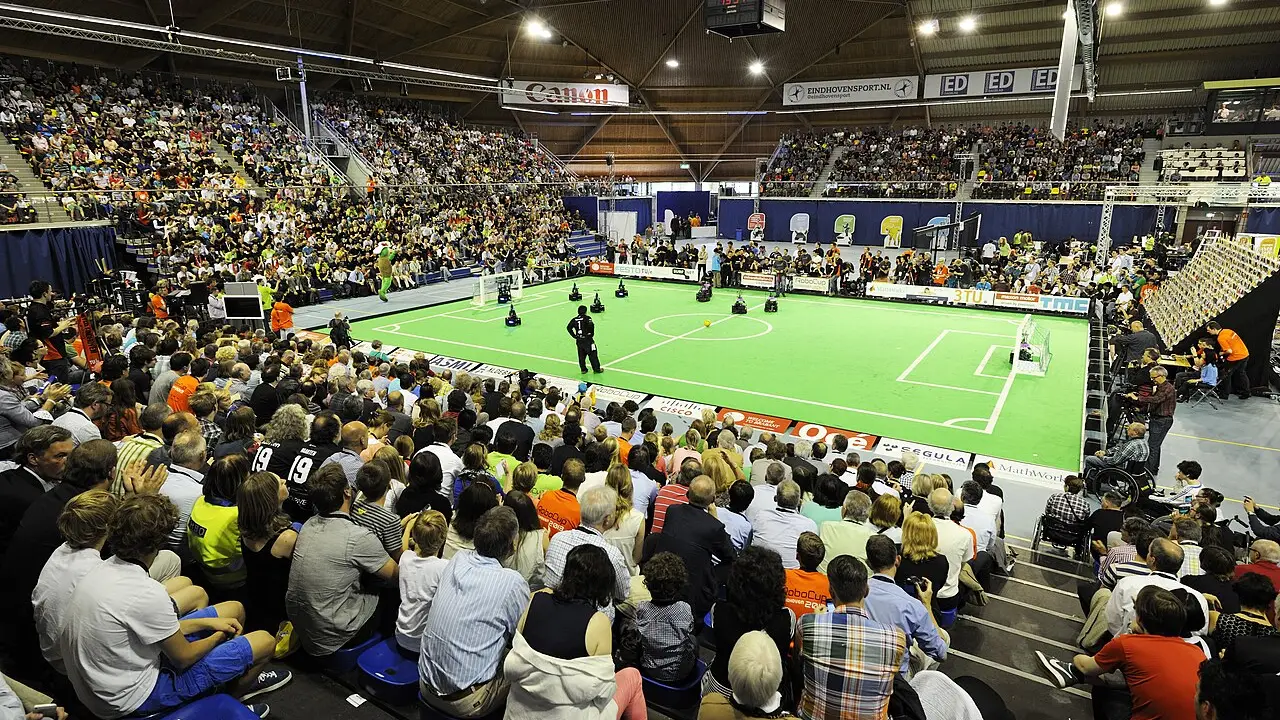
The first official RoboCup games and conference, held in 1997 as planned with IJCAI-97 in Nagoya, drew more than 40 real and simulated teams and over 5,000 spectators, and marked the first step toward robotic soccer players that could beat a human World Cup champion team.
Held in Osaka in November 1996 alongside IROS-96, Pre-RoboCup-96 was the first robot soccer competition aimed at research and education, with eight simulation-league teams and a middle-size robot demonstration; official RoboCup games followed in 1997.
At IJCAI-95 in Montreal in August 1995, organizers announced the first Robot World Cup, to be held with IJCAI-97 in Nagoya, and set up Pre-RoboCup-96 plus the Soccer Server simulator.
In June 1993, researchers including Minoru Asada, Yasuo Kuniyoshi and Hiroaki Kitano proposed a robot soccer competition tentatively called the Robot J-League. International interest soon led to its renaming as the Robot World Cup Initiative, or RoboCup.
In 1992, Alan Mackworth's paper on seeing robots and a Tokyo workshop on AI grand challenges independently put forward robot soccer as a way to drive AI and robotics research.
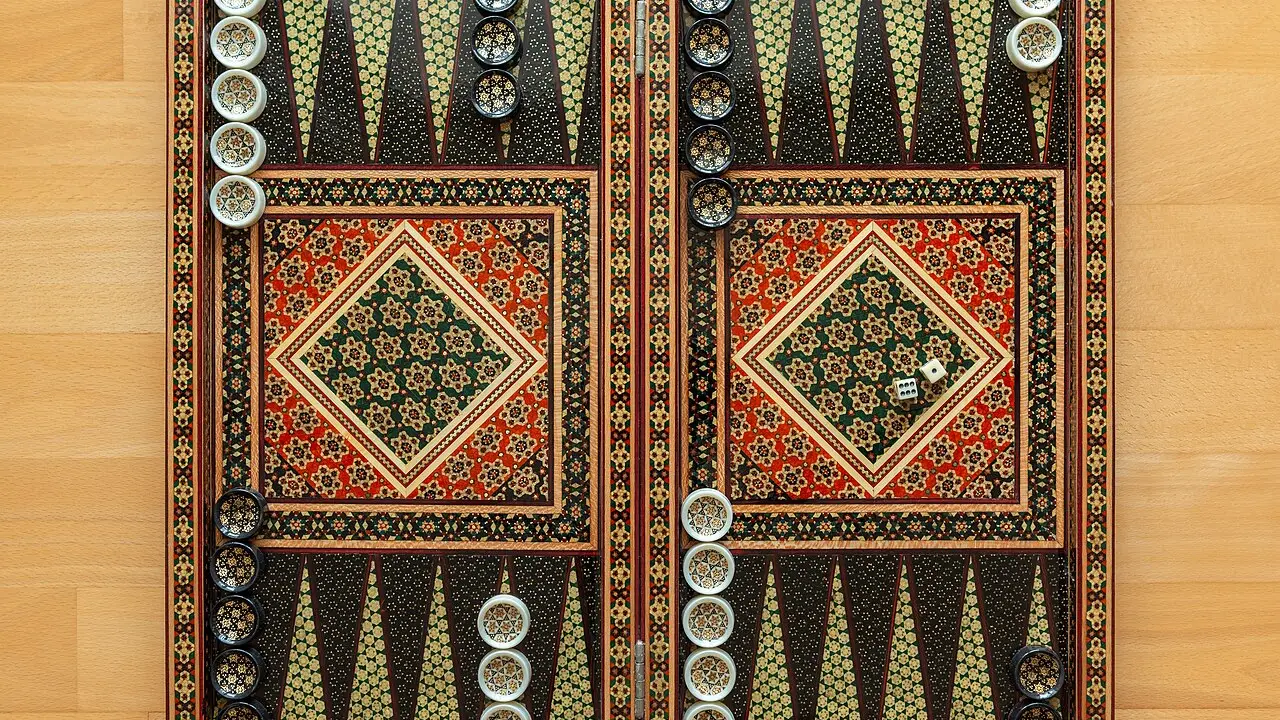
TD-Gammon was an IBM backgammon program built by Gerald Tesauro that taught itself to evaluate positions by playing against itself with temporal-difference learning, reaching a level just below top human players and becoming an early landmark for reinforcement learning.