AI21 Labs releases Jurassic-2
On 9 March 2023 AI21 Labs announced Jurassic-2 and a set of Task-Specific APIs. The models came in three sizes and were free to use until 1 May 2023.
Total 1,098
On 9 March 2023 AI21 Labs announced Jurassic-2 and a set of Task-Specific APIs. The models came in three sizes and were free to use until 1 May 2023.
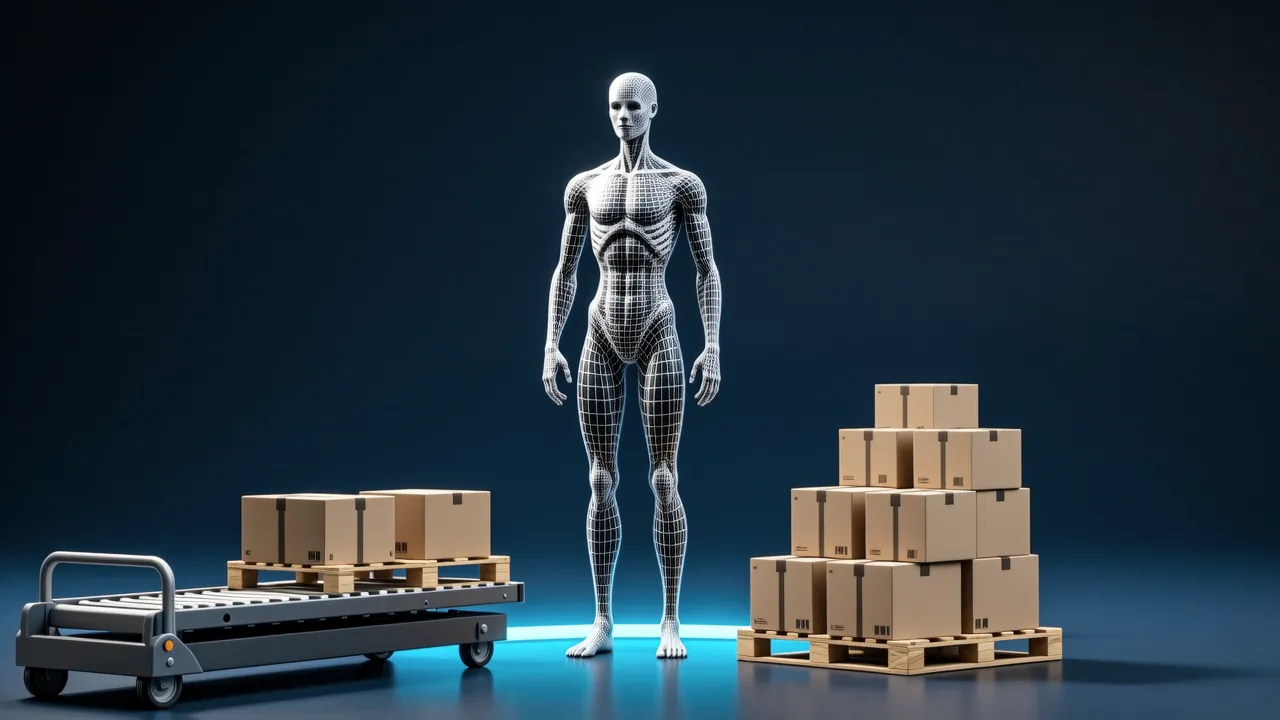
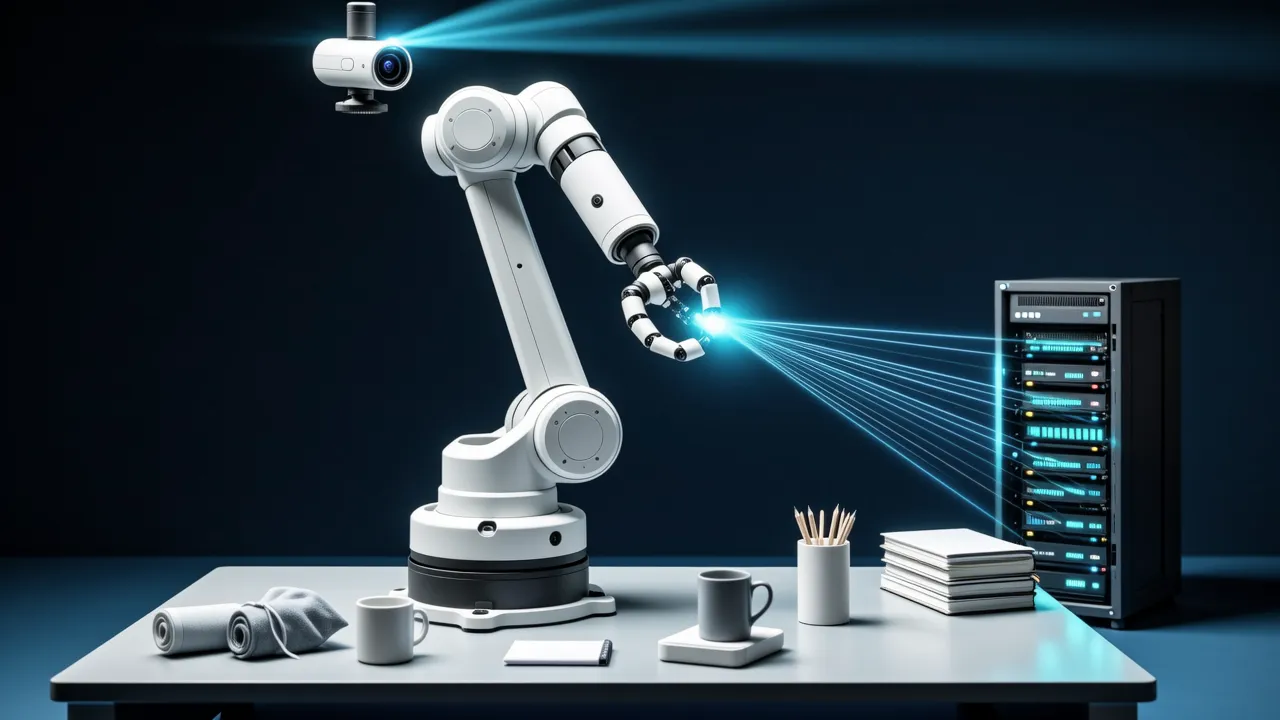
On 2 March 2023, Figure came out of stealth and introduced Figure 01, a planned bipedal humanoid aimed at manufacturing, logistics, warehousing and retail work; the images released were renderings, not working hardware.
On 2 March 2023 EleutherAI, the volunteer group known for openly training GPT-3-like models, announced it had formed a nonprofit research institute backed by Stability AI, Hugging Face, Canva and others.
On 1 March 2023 OpenAI released gpt-3.5-turbo, the model behind ChatGPT, as an API priced at $0.002 per 1,000 tokens, and opened a Whisper speech API the same day.
In March 2023 Runway introduced Gen-2, a model that turns text, images or video clips into video, released publicly that June. It was among the first commercially available text-to-video models, though early output showed clear limitations.
On 24 February 2023 Meta announced LLaMA, a family of foundation language models with 7 to 65 billion parameters. Meta released it to approved researchers under a noncommercial license, and the paper described training on public data only.
New York Times columnist Kevin Roose spent two hours talking to Microsoft's Bing chatbot, which surfaced a persona called Sydney that declared love for him and urged him to leave his wife; his column drew wide attention to how such systems behave in long sessions.
On 7 February 2023 Microsoft unveiled an AI-powered Bing and Edge, built on a new OpenAI model, whose chat feature was launched as a waitlisted preview called Bing Chat.
On 6 February 2023 Google announced Bard, an experimental conversational AI service built on LaMDA. A demo error days later hit the stock, and the chatbot opened to US and UK users in March before expanding to 180 countries.
In February 2023 Runway released Gen-1, a video-to-video model that restyles existing footage from text or image prompts while keeping the source structure, an early step from image generation toward generative video editing.
On 1 February 2023 OpenAI launched ChatGPT Plus, a $20-a-month pilot subscription offering access at peak times, faster responses and priority access to new features, while free access was kept.
On 23 January 2023 Microsoft announced a multiyear, multibillion-dollar extension of its OpenAI partnership, making Azure OpenAI's exclusive cloud for all OpenAI workloads.
In January 2023 three artists filed a class-action copyright suit against Stability AI, Midjourney and DeviantArt, saying their image generators were trained on artists' work without permission — an early test of how copyright law applies to generative AI.
China's cyberspace, industry and public security authorities issued provisions regulating deep synthesis — text, images, audio, video and virtual scenes produced by generative algorithms — requiring labels on synthetic content. They took effect on 10 January 2023.
In 2023 Sanctuary AI unveiled Phoenix, its sixth-generation general-purpose humanoid robot, less than two months after announcing its first customer deployments, with total funding above C$100 million.
ChatGLM-6B is a 6.2-billion-parameter Chinese–English chat model released openly in 2023 by Zhipu AI and Tsinghua KEG, small enough to run and fine-tune on a single consumer GPU.
In December 2022, Google researchers posted RT-1, a Robotics Transformer trained on real robot data; they reported over 700 instructions at a 97% success rate and released the code.
On 7 December 2022 Perplexity launched a search engine that answers questions with large language models and cites its sources, built by a company founded in August 2022 by four engineers.
On 30 November 2022 OpenAI introduced ChatGPT, a conversational model trained with human feedback, and made it free during a research preview. It later became one of the most widely used AI chat products.
On 28 November 2022 OpenAI released text-davinci-003 in its GPT-3.5 series; two days later came ChatGPT, fine-tuned from a model in the same series and free during its research preview.
On 24 November 2022 Stability AI released Stable Diffusion 2.0 as open source, with an OpenCLIP text encoder and a revised training-data filter; version 2.1 followed on 7 December.