OpenAI reportedly raises $11B at a $1.25T valuation
Bloomberg reported on 6 November 2026 that OpenAI had raised $11 billion so far in an unclosed round valuing it at $1.25 trillion, below the $30 billion it reportedly sought.
Total 271 · Clear filters
Bloomberg reported on 6 November 2026 that OpenAI had raised $11 billion so far in an unclosed round valuing it at $1.25 trillion, below the $30 billion it reportedly sought.
Fal, a startup that hosts and runs AI video, image and audio models, raised $1.3 billion at a $16 billion valuation, double its valuation from earlier in the year.
Marvell agreed on 2 November 2026 to buy optical chip and networking equipment maker Lumentum in an all-stock deal valued at $115 billion including debt, one of the largest technology acquisitions on record.
Google's frontier model announced on 28 October 2026, released first to cyber defenders and reporting leading scores on intelligence, coding and cybersecurity benchmarks.
The Agentic AI Foundation reported 305 member organisations in under a year, saying agents are moving from developer experiments to institutional infrastructure.
On 22 October 2026 the Agentic AI Foundation added four projects — Agent Skills from Anthropic, Open Responses from OpenAI, OpenEnv from Hugging Face and OpenSandbox from Alibaba — bringing it to 10 hosted projects covering different layers of the agentic stack.
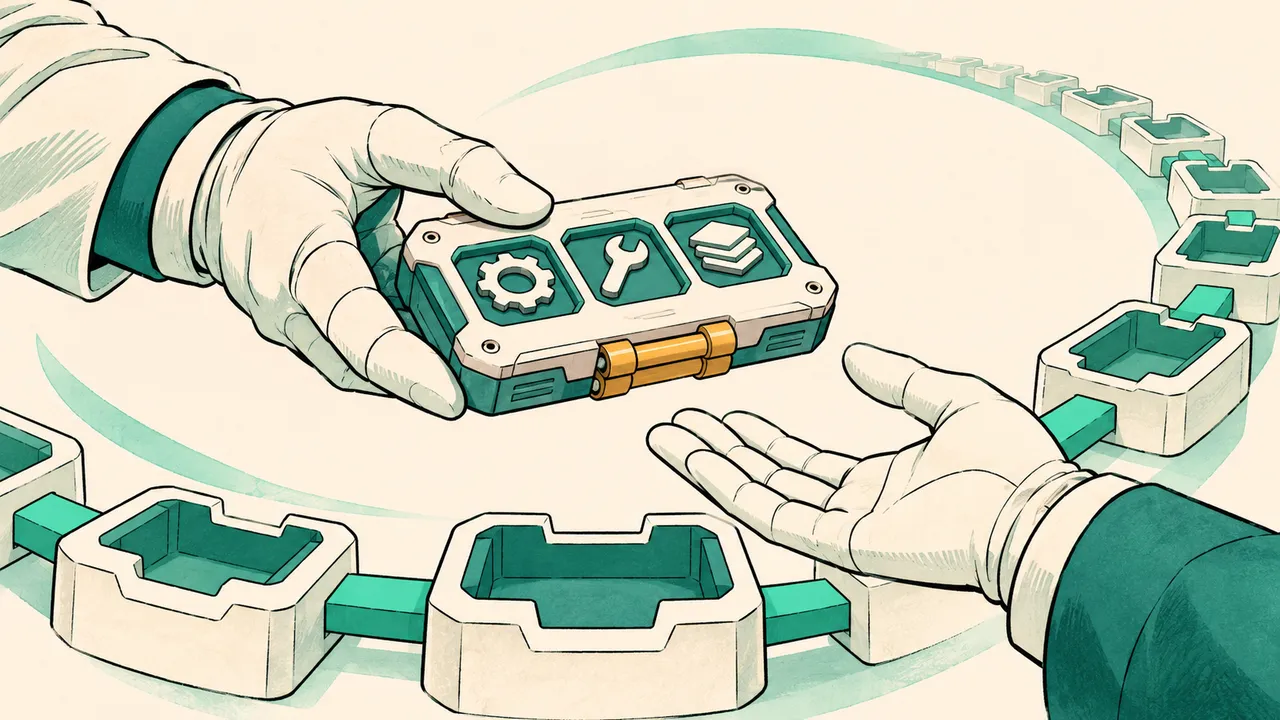
On 22 October 2026 Anthropic handed the Agent Skills open standard — its name, logo, GitHub organisation and domain — to the Agentic AI Foundation, a Linux Foundation project, after more than 70 agent platforms had adopted it.
On 13 October 2026, Physical Intelligence opened a beta of the Pi API, a service that lets customers upload their own robot data, fine-tune the company's models and run cloud-hosted inference on their own machines.
Google gave Gemini 4 Argon to trusted security partners in September 2026 and released it worldwide on 13 October, opening its newest frontier model to developers, enterprises and subscribers while naming Gemini 4 Carbon as the next model in the family.
On 3 September 2026 Nvidia agreed to acquire Hugging Face for $12.93 billion. Hugging Face said it would remain an open platform, and the deal was expected to close in the first half of 2027 pending regulatory approval.
IBM released the Granite 4.2 family on 25 August 2026, with native reasoning that streams inside think tags and can be switched between full, low-effort and non-thinking modes per query.
Alibaba released Qwen3.8-Max, a 2.4-trillion-parameter model, as a cloud service on 3 August 2026, and published open weights for a variant of it on 12 August 2026.
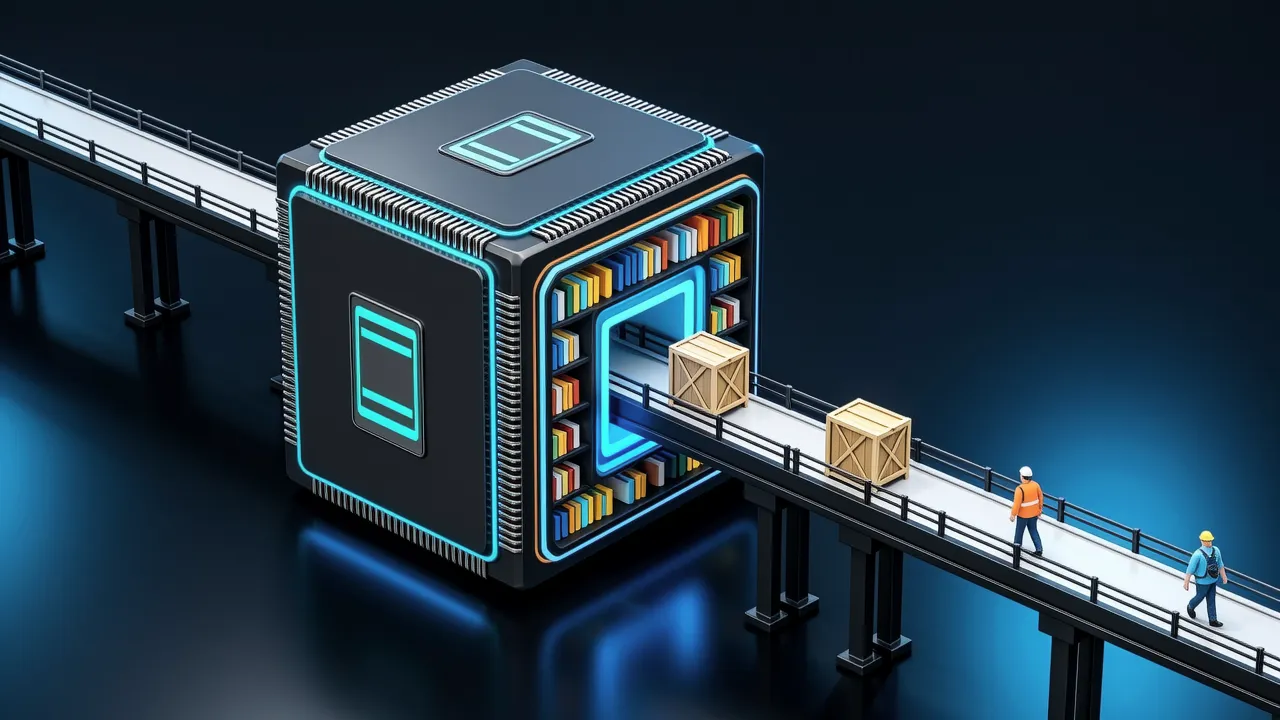
On 28 July 2026 the Model Context Protocol project published a specification built on a stateless core, turning MCP into a request/response protocol whose requests any instance behind a plain round-robin load balancer can serve.
On 29 June 2026 the Council of the EU gave final approval to a regulation streamlining the bloc's AI rules, carried in the Omnibus VII package; the amendments entered into force on 27 July 2026.
On 4 June 2026 NVIDIA released Nemotron 3 Ultra, the largest model in its Nemotron 3 family, with 550 billion total parameters and 55 billion active per token.
On 2 June 2026 Mustafa Suleyman announced seven new in-house MAI models at Microsoft Build, led by the reasoning model MAI-Thinking-1. The group also included coding, image, transcription and voice models, and a healthcare collaboration with Mayo Clinic.
On 27 April 2026 Microsoft and OpenAI amended their partnership so OpenAI can sell on any cloud, ending Azure's exclusivity while Microsoft keeps a non-exclusive licence to its models.
On 24 April 2026 DeepSeek released the DeepSeek-V4 preview, two open mixture-of-experts models with a 1M-token context that became the default across its official services. Both models support thinking and non-thinking modes.
OpenAI released GPT-5.5 Thinking and GPT-5.5 Pro to paid ChatGPT users on 23 April 2026, then extended the models to Codex and the API, reporting strong benchmark results and later making a faster GPT-5.5 Instant the default.
On 8 April 2026 Meta Superintelligence Labs released Muse Spark, the first model from the lab and the first of the Muse series. It is closed: its weights were not released, and it was offered through a private API preview.
On 2 April 2026 Mustafa Suleyman announced three Microsoft AI models for developers: MAI-Transcribe-1, MAI-Voice-1 and MAI-Image-2. All three became available in Microsoft Foundry and the MAI Playground, with published model cards.