Background
Alibaba holds three layers of AI infrastructure that most companies hold only one of: a model research lab, a cloud business, and a chip design unit, T-Head. On 26 January 2026, its Tongyi Lab released Qwen3-Max-Thinking, a reasoning model [1]. Days later, the bottom layer of that stack — the silicon — was put in public view.
The listing
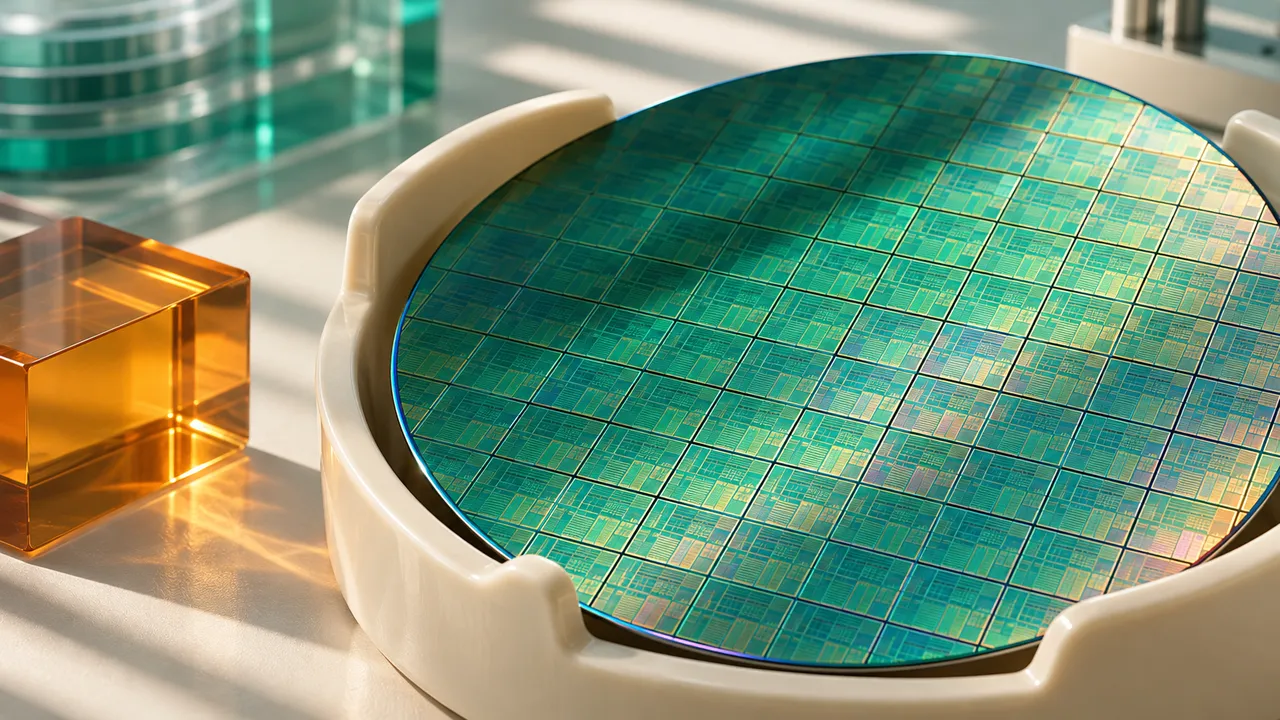
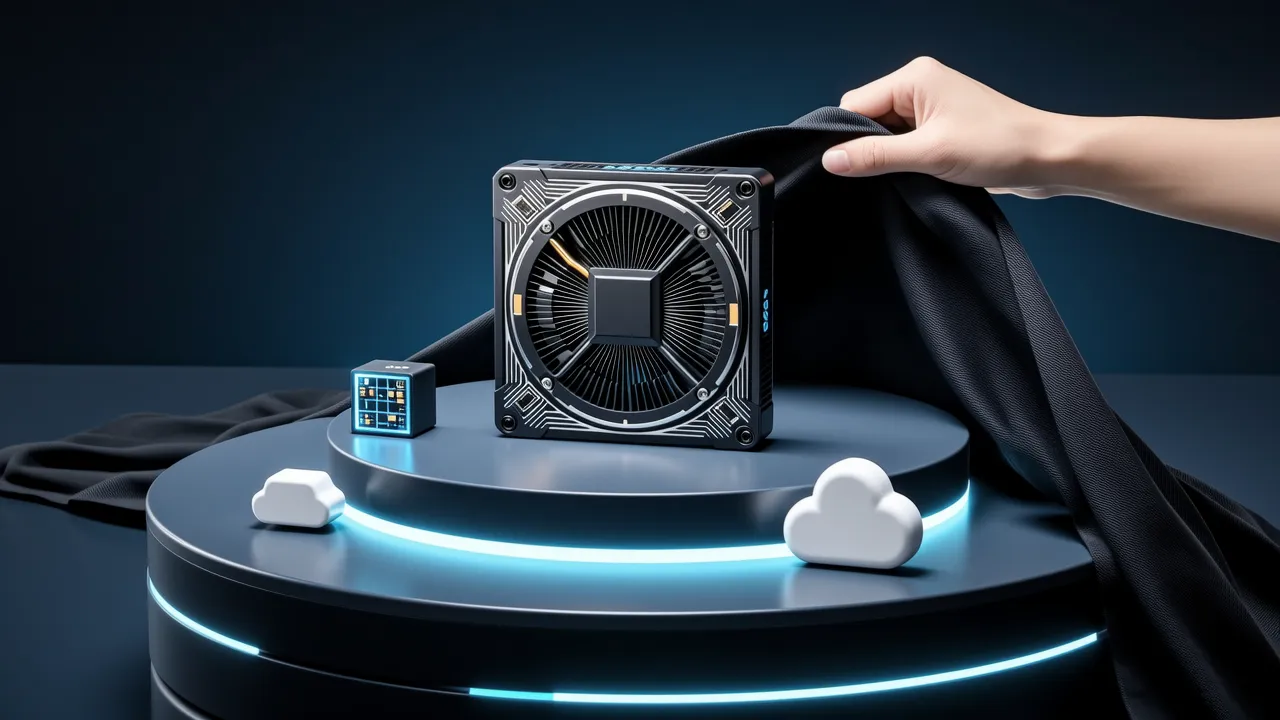
On the morning of 29 January 2026, T-Head's website listed the Zhenwu 810E [1]. The product page served as the formal reveal of a chip Alibaba had previously kept under wraps: an in-house accelerator that the company calls a PPU [1].
Accelerators of this kind are the hardware on which large models are trained and served. Their memory, bandwidth and the way they are wired together set how large a model a cluster can hold and how quickly it can answer; that is why the chip layer tends to become the constraint once models and cloud capacity are in place.
Deployment
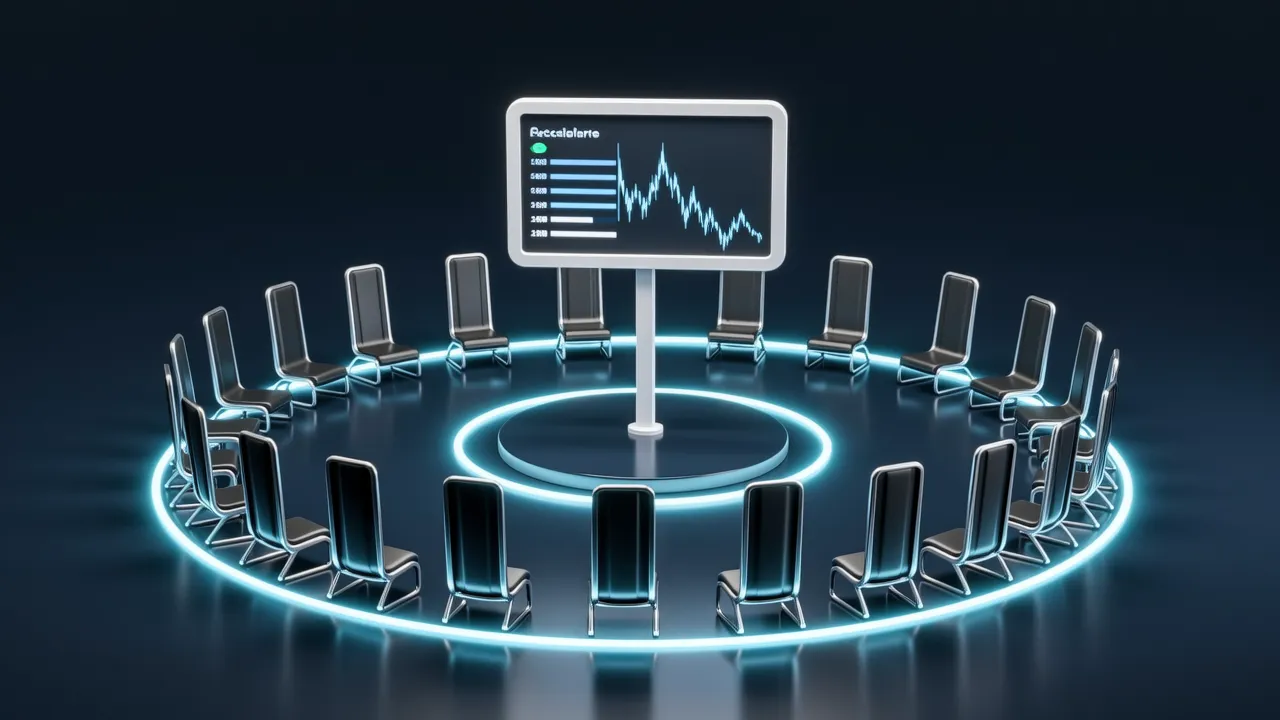
T-Head says the PPU has already been deployed in multiple clusters of ten thousand or more cards, and that those clusters serve more than 400 customers [1][2]. A "ten-thousand-card cluster" is the unit Chinese chip designers commonly use to describe a deployment of serious scale — thousands upon thousands of accelerators connected together to run training and inference work.
Performance and supply
Industry sources cited in coverage said the chip's performance was comparable to Nvidia's H20 [1]. The same reporting described the chip as being in short supply [1].
The triangle
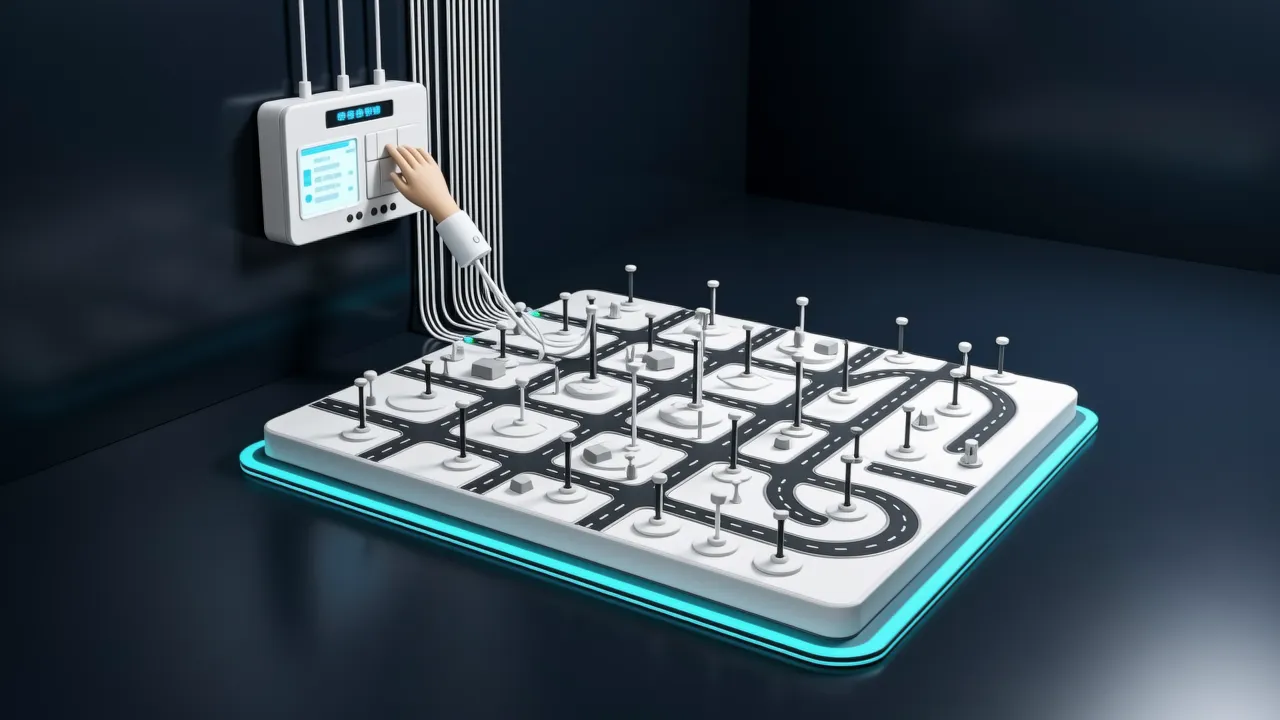
Chinese media described the launch as completing what they called the "Tong Yun Ge" triangle of Qwen models, Alibaba Cloud and T-Head chips [1][2]. Alibaba says it is turning that triangle into an AI supercomputer that can co-optimise chip, cloud and model architectures [1].
The idea behind that phrase is straightforward: instead of buying accelerators, cloud capacity and models from three different suppliers and hoping they fit together, one organisation designs all three and can adjust any of them when the others change. A model team that knows what its own silicon does well, a chip team that knows what the model needs, and a cloud that runs both — that is the arrangement the launch was presented as completing [1][2].
Why it matters
Securities Times noted that Alibaba and Google are the only two companies with top-tier strength in models, cloud and chips at the same time [1]. Coverage accordingly treated the Zhenwu 810E less as a standalone product than as the piece that closes a full stack: it appeared days after a new Qwen reasoning model, and was described as the completion of a set rather than the arrival of a single component [1][2].
Sources
- 1重磅!阿里,刚刚发布!自研AI芯片来了!证券时报网
- 2
Cite this page: Alibaba unveils its Zhenwu PPU chip. TellWorld, https://www.tellworld.net/news/alibaba-zhenwu-2026. Updated 2026-11-08