Ai2 introduces Olmo Hybrid
On 5 March 2026 Ai2 released Olmo Hybrid, a fully open 7B model that stacks Gated DeltaNet linear-RNN layers with attention layers in a 3:1 ratio and reaches Olmo 3's MMLU accuracy with 49% fewer training tokens.
Total 17 · Clear filters
On 5 March 2026 Ai2 released Olmo Hybrid, a fully open 7B model that stacks Gated DeltaNet linear-RNN layers with attention layers in a 3:1 ratio and reaches Olmo 3's MMLU accuracy with 49% fewer training tokens.
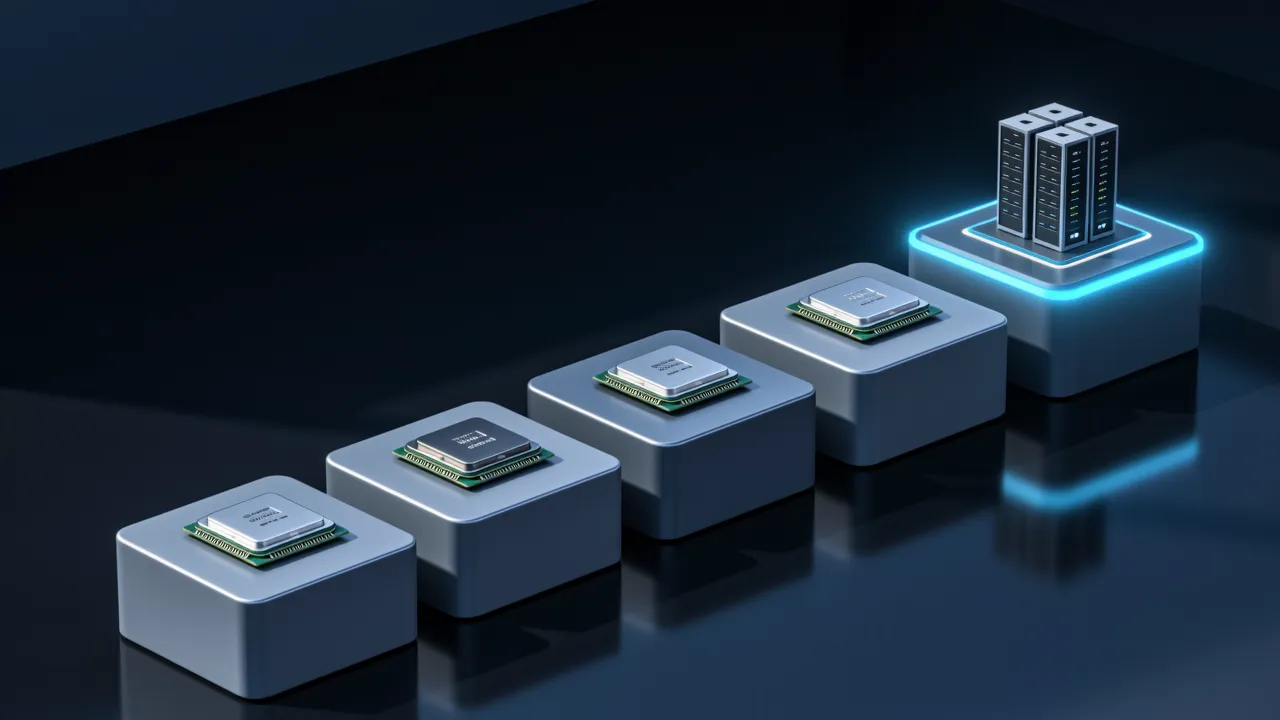
At Huawei Connect 2025 in Shanghai, Huawei published its first three-year Ascend chip roadmap, running to 2028, alongside new Atlas SuperPoD systems and a pledge to open source CANN.
In September 2025 Alibaba's Qwen team released Qwen3-Next, an 80B-parameter open model with 3B parameters active per token, built on a hybrid of linear attention and sparse mixture-of-experts layers.
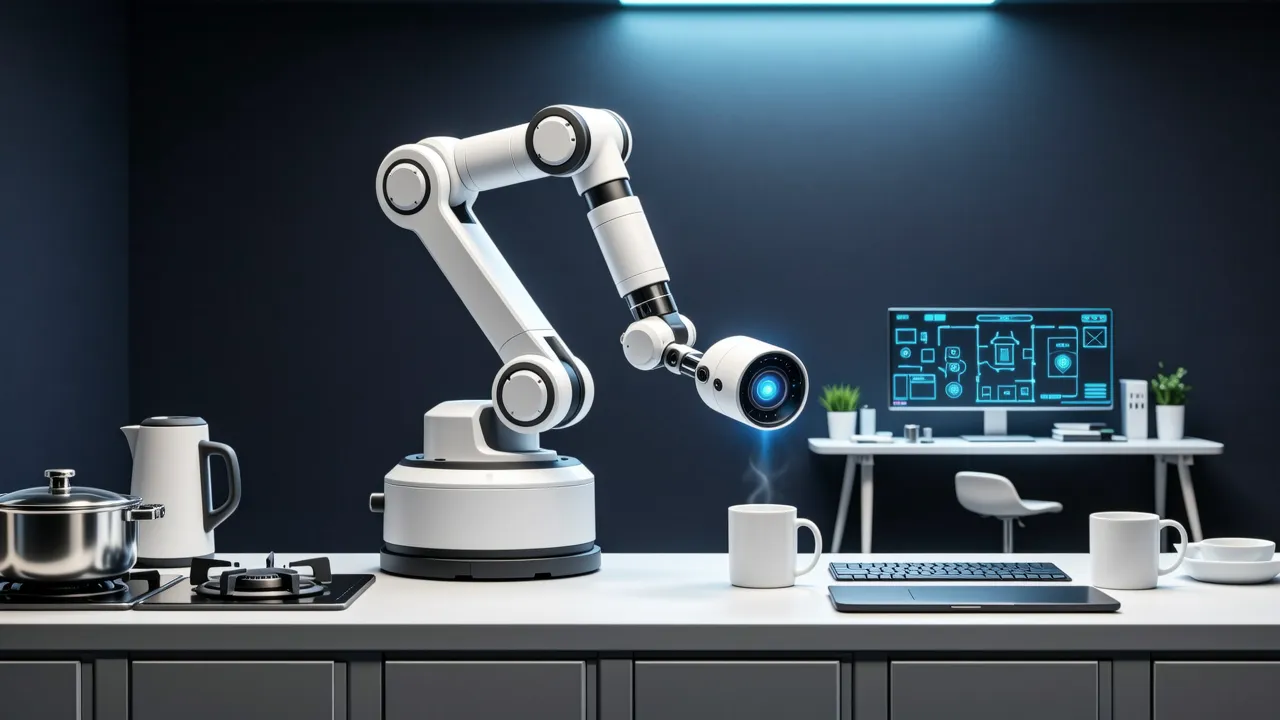
Physical Intelligence released π0.5 on 22 April 2025, a vision-language-action model built on its earlier π0 that the company says can carry out household tasks in homes it never saw during training.
On 8 May 2024, Google DeepMind and Isomorphic Labs announced AlphaFold 3, a model that predicts the structures and interactions of proteins, DNA, RNA and ligands, and that Google reported as the first AI system to outperform physics-based tools for biomolecular structure prediction.
On 22 February 2024 Stability AI announced an early preview of Stable Diffusion 3, a text-to-image suite from 800M to 8B parameters that combines a diffusion transformer with flow matching.
On 9 January 2024 DeepSeek released DeepSeekMoE, a mixture-of-experts architecture built around fine-grained experts and shared experts, with an open-weights 16B model.
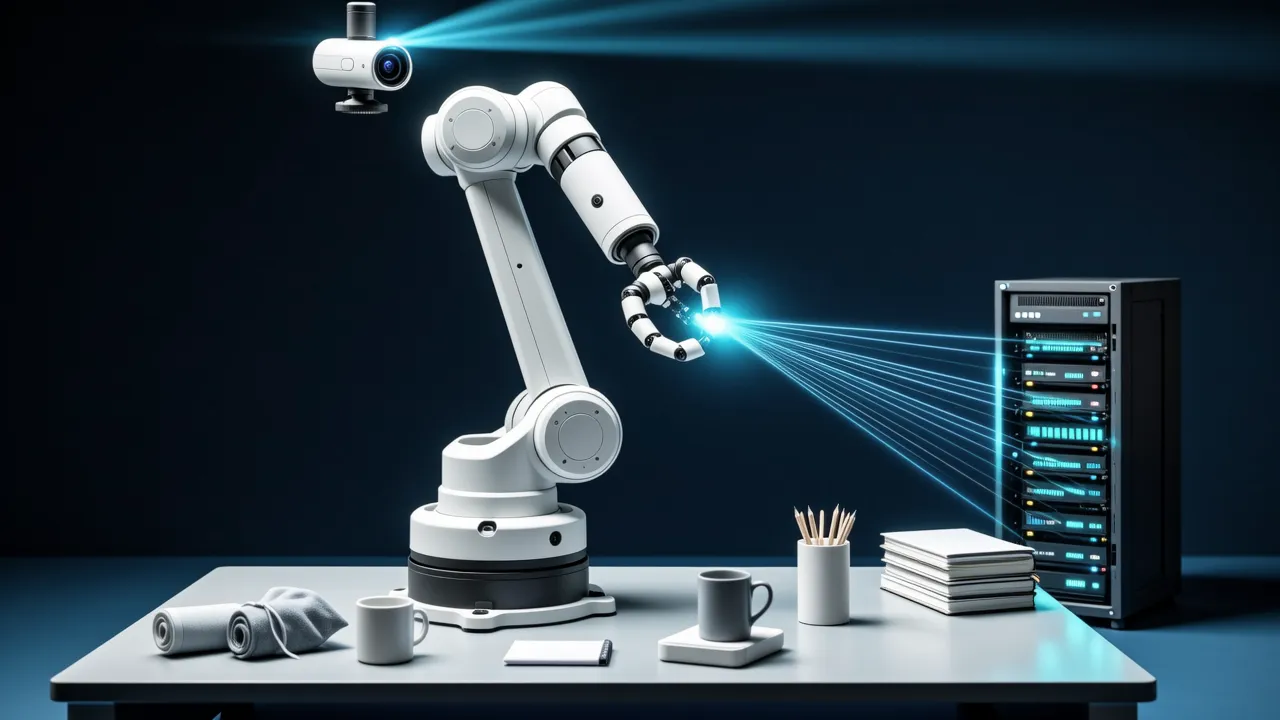
In December 2022, Google researchers posted RT-1, a Robotics Transformer trained on real robot data; they reported over 700 instructions at a 97% success rate and released the code.
On 21 September 2022 OpenAI released Whisper, an open-source speech-recognition system trained on 680,000 hours of audio that could also translate speech into English.
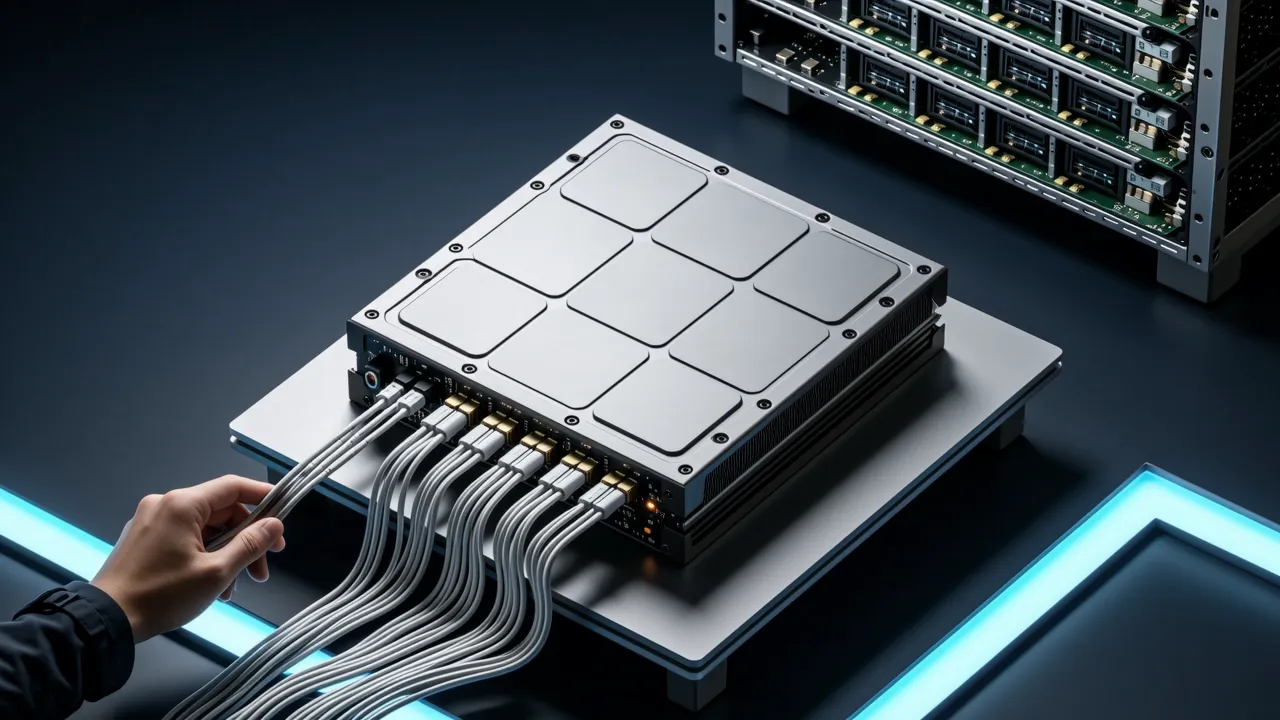
At GTC on 22 March 2022, NVIDIA announced the Hopper architecture and its first Hopper GPU, the H100, headlined by a Transformer Engine and paired with new HBM3 memory and NVLink, with cloud instances planned from the third quarter of 2022.
On 15 July 2021 the Institute for Protein Design released RoseTTAFold as code on GitHub and a public web server, with lead author Minkyung Baek describing structures computable in minutes on a gaming computer.
On May 10, 2017, NVIDIA unveiled Volta, its seventh-generation GPU architecture, together with the Tesla V100 data center GPU, presented as the most powerful GPU computing architecture yet for AI and high performance computing.
PyTorch was publicly released in January 2017 as a beta, with first-class Python integration and an imperative style. Built by people from the Lua Torch community with Facebook's backing, it later became a widely used deep-learning framework.
In May 2016 Google disclosed the Tensor Processing Unit, a custom chip built for machine learning that had already run in its data centers for over a year and powered RankBrain, Street View and AlphaGo.
On 9 November 2015 Google released TensorFlow, its second-generation machine learning system, as open source under the Apache 2.0 licence, letting people outside Google build and train models with the same system Google used in its own products.
On October 10, 2011, Stanford Engineering opened three free online computer science courses — databases, machine learning and artificial intelligence — to anyone online. Enrolments ran from 66,000 to an unprecedented 160,000 students from over 190 countries, without Stanford credit.
CUDA is NVIDIA's software platform for running general-purpose programs on GPU cores. CUDA Toolkit 1.0 shipped in June 2007, turning graphics chips into parallel processors for science and later for deep learning.