Cursor 2.0 and Composer
On 29 October 2025, Cursor released Cursor 2.0 and Composer, its first coding model, with a new agent-centered interface, parallel agents, and a native browser tool for testing changes.
Total 1,098
On 29 October 2025, Cursor released Cursor 2.0 and Composer, its first coding model, with a new agent-centered interface, parallel agents, and a native browser tool for testing changes.
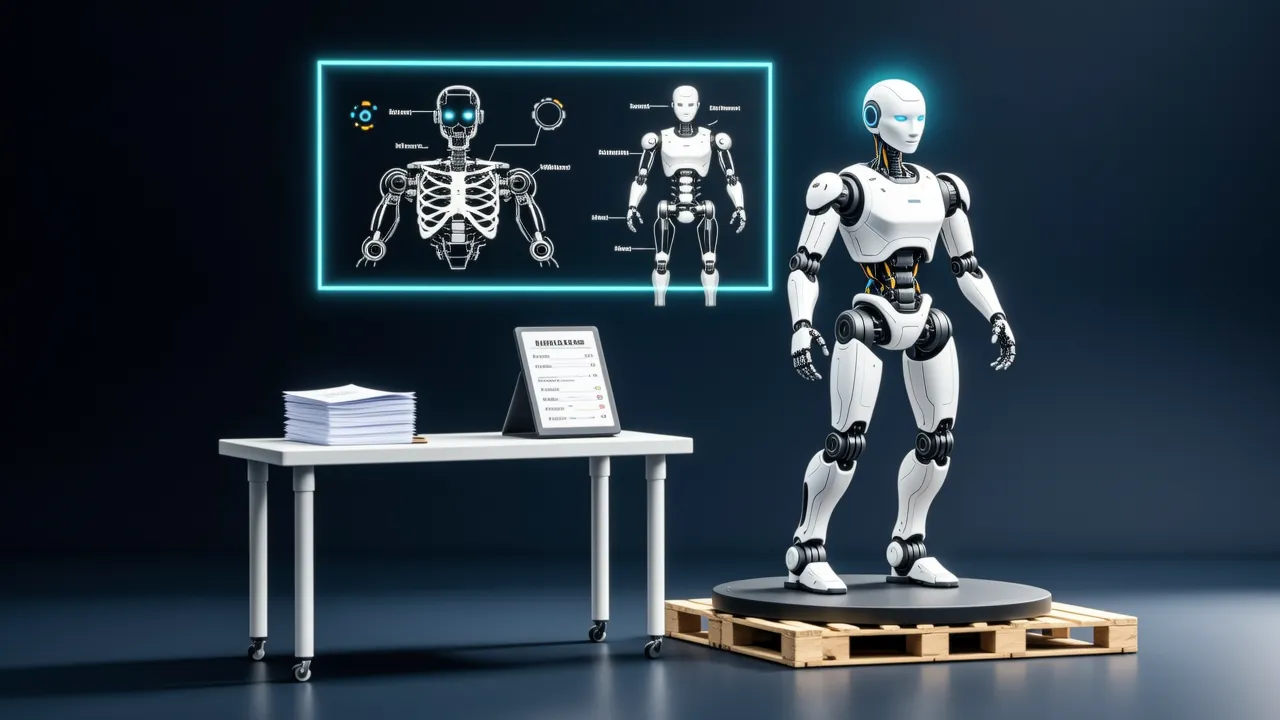
On 28 October 2025 NVIDIA released Isaac GR00T N1.6, an open model for humanoid robots that adds a reasoning vision-language model, Cosmos Reason, so vague instructions can be turned into step-by-step action plans.
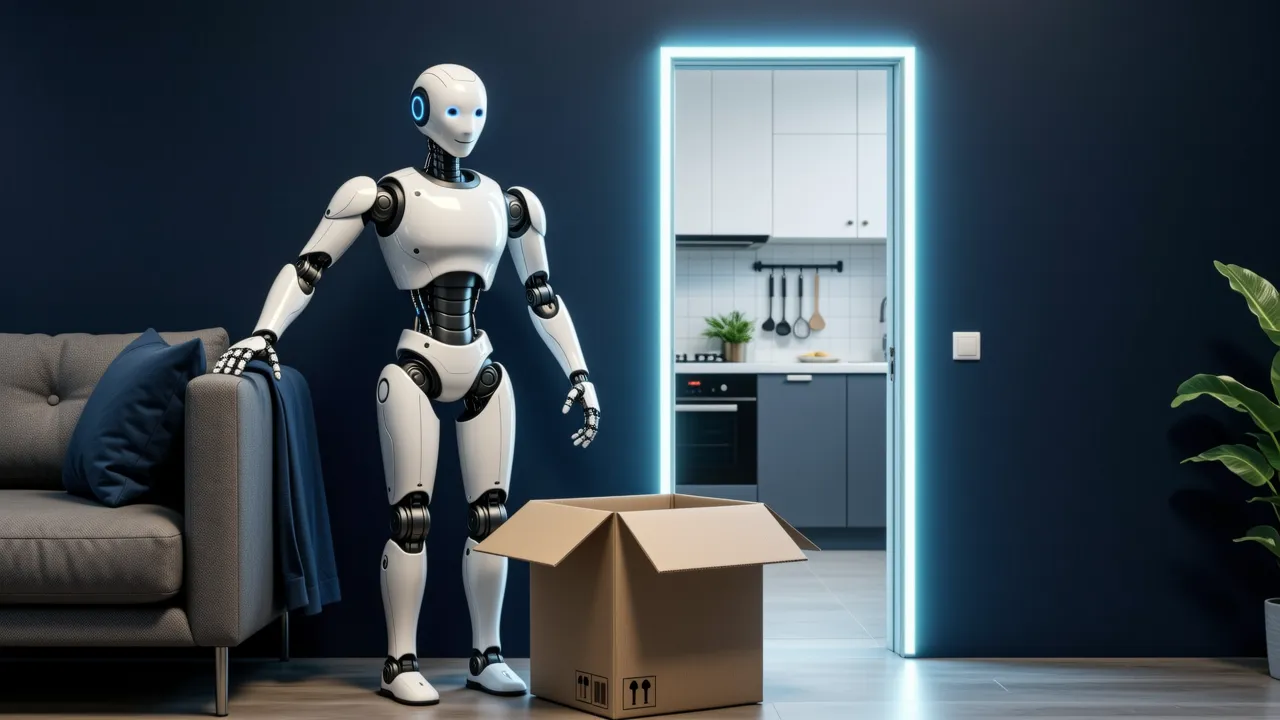
On 28 October 2025, 1X announced NEO, which it calls the first consumer-ready humanoid robot for the home, priced at US$20,000 for Early Access with 2026 delivery in the US and a US$499 monthly subscription later.
On 28 October 2025 OpenAI completed a recapitalisation that turned its for-profit arm into OpenAI Group PBC, a public benefit corporation, and renamed the nonprofit the OpenAI Foundation.
On 28 October 2025 Microsoft and OpenAI signed a new definitive agreement as OpenAI became a public benefit corporation, redefining Microsoft's stake, IP rights and AGI terms.
LangGraph 1.0, generally available on 23 October 2025, was called by LangChain the first stable major release for durable agent frameworks, adding resumable state, built-in persistence and human-in-the-loop APIs, with no breaking changes promised until 2.0.
On 21 October 2025 OpenAI released ChatGPT Atlas, a macOS browser built around ChatGPT, with agent mode and browser memories. It arrived as a challenge to Google Chrome and was shut down on 9 August 2026.
On 20 October 2025, LangChain announced a $125 million Series B at a $1.25 billion valuation, led by IVP, and released LangChain 1.0, LangGraph 1.0 and new LangSmith tools.
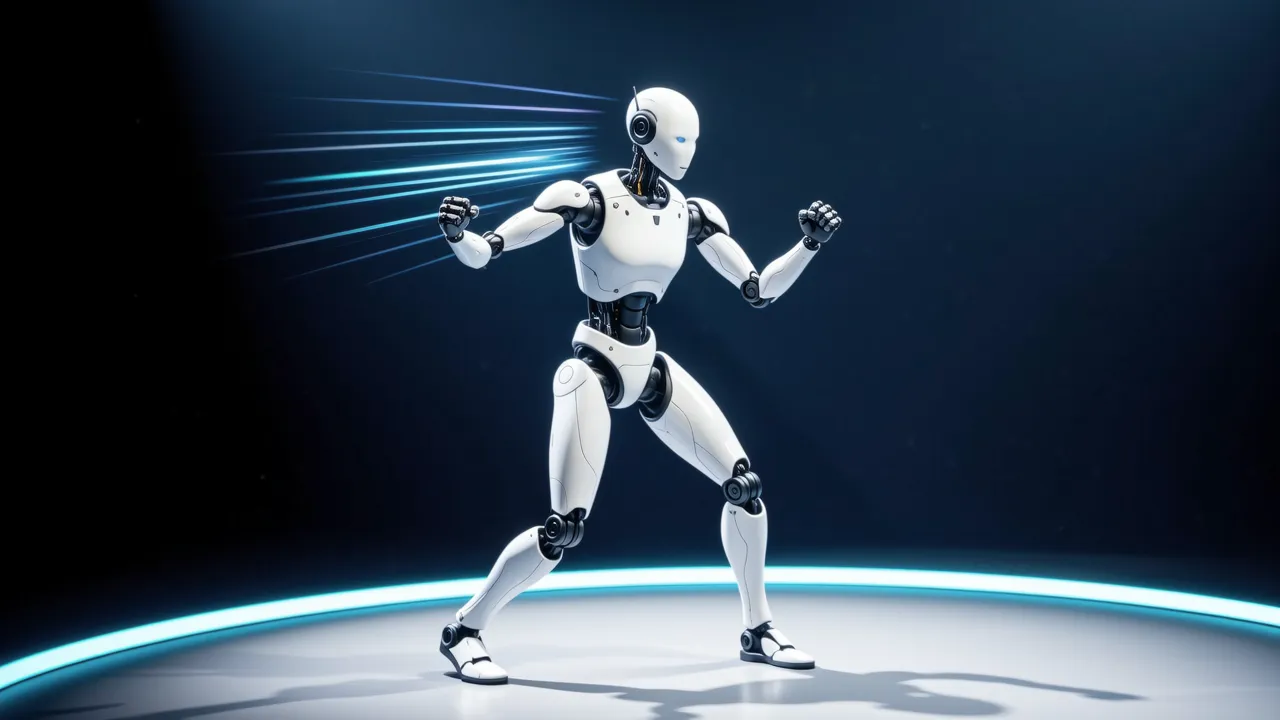
On 20 October 2025 Unitree announced the H2, a bionic humanoid robot with a face, 31 joints, a 180 cm frame and a 70 kg body, shown in a video performing ballet, punches, side kicks and a runway walk.
On 20 October 2025 DeepSeek released DeepSeek-OCR under the MIT License. The model showed that rendering text as images can reduce the number of vision tokens needed for OCR, with decoding precision of about 97 percent at compression under 10x.
On 20 October 2025 Anthropic launched Claude Code on the web, a research preview that lets developers hand coding tasks from a browser to Claude, running on Anthropic-managed cloud infrastructure.
On 16 October 2025 Anthropic introduced Agent Skills, folders of instructions, scripts and resources that Claude loads when a task calls for them. On 18 December 2025 the format was published as an open standard.
On 15 October 2025 Anthropic released Claude Haiku 4.5 to all users. It cost $1 and $5 per million tokens and matched Sonnet 4's coding performance at one-third the cost.
On 13 October 2025 Microsoft AI announced MAI-Image-1, its first image model built entirely in-house. It reached LMArena's top 10 and began rolling out in Bing Image Creator and Copilot on 4 November 2025.
On 9 October 2025 Figure introduced Figure 03, its third-generation humanoid robot, built around a redesigned body, a new manufacturing process at its BotQ facility, and much lower unit cost.
On 8 October 2025 AI21 Labs released Jamba Reasoning 3B, a 3-billion-parameter open reasoning model under Apache 2.0 that it aimed at phones, laptops and PCs.
OpenAI held DevDay 2025 in San Francisco on 6 October 2025. It announced AgentKit, the Apps SDK and general availability for Codex, and disclosed usage figures for ChatGPT and its API.
On 1 October 2025 Thinking Machines Lab announced Tinker, its first product: a managed API for fine-tuning open-weight language models. It uses LoRA to share compute across training runs.
In late October 2025 MiniMax released MiniMax-M2, a 230-billion-parameter mixture-of-experts model built for coding and AI agents. It scored 61 on the Artificial Analysis Intelligence Index, which MiniMax said ranked first among open-source models.
On 30 September 2025 OpenAI released Sora 2, a model that generates video together with synchronised audio, and an invite-only iOS app built around a social feed and cameos. Within days, rights holders complained about copyrighted characters.
Signed by Governor Gavin Newsom on 29 September 2025, California's Senate Bill 53 sets state-level oversight and incident-reporting rules for the most advanced AI models, while leaving room to align with future federal standards.