ByteDance releases UI-TARS-1.5 and open-sources its 7B model
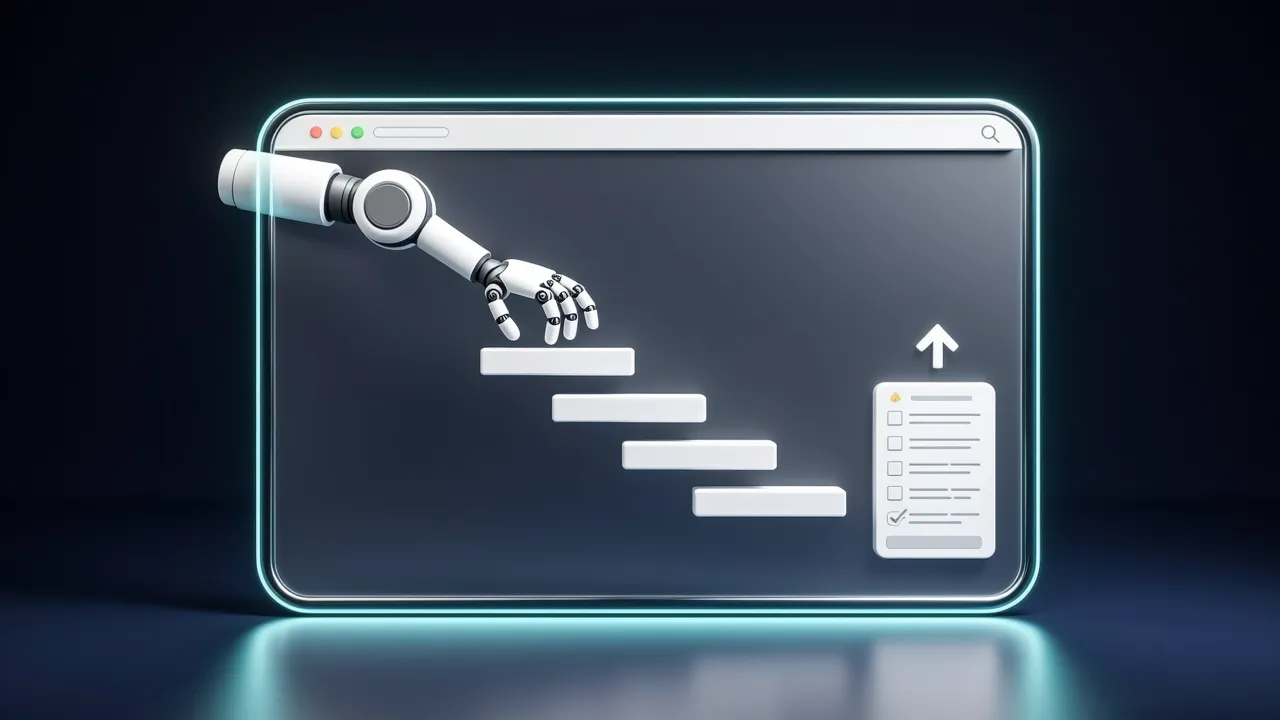
On 16 April 2025 ByteDance Seed shared UI-TARS-1.5 and open-sourced its 7B model. The full model scored 42.5 on OSWorld, while the open 7B version scored 27.5.
Total 1,098
On 16 April 2025 ByteDance Seed shared UI-TARS-1.5 and open-sourced its 7B model. The full model scored 42.5 on OSWorld, while the open 7B version scored 27.5.
In April 2025 Kuaishou released Kling 2.0, an AI video generator it billed as the world's most powerful, adding a multi-modal visual language and multimodal video editing as the product opened to global users.
On 15 April 2025 ByteDance Seed posted the Seedream 3.0 technical report. It is a Chinese-English bilingual image model that improves on Seedream 2.0 and generates images up to 2K.
On 15 April 2025 Anthropic introduced Research in Claude, a mode that runs several linked searches and returns citations, alongside a Google Workspace integration letting Claude search Gmail, Calendar and Google Docs.
On 14 April 2025 OpenAI released GPT-4.1, GPT-4.1 mini and GPT-4.1 nano in its API, with a context window of about 1 million tokens and a 54.6% score on SWE-bench Verified, while deprecating GPT-4.5 preview the same day .
On 14 April 2025 Hugging Face acquired Pollen Robotics, the Bordeaux maker of the Reachy 2 humanoid robot, in the AI company's first move into hardware; the price was not disclosed.
SenseTime unveiled SenseNova V6 on 10 April 2025 as a multimodal model with over 600 billion parameters, a V6 Omni real-time variant and a new SenseChat preview app.
On 10 April 2025 ByteDance Seed posted the technical report for Seed-Thinking-v1.5, a mixture-of-experts reasoning model with 20B activated and 200B total parameters, and a harder benchmark it built called BeyondAIME.
On 9 April 2025 Google announced Agent2Agent (A2A), an open protocol that lets AI agents from different vendors communicate, exchange information securely and coordinate work. In June 2025 the Linux Foundation said it would host the project.
On 8 April 2025 AWS introduced Amazon Nova Sonic, a single speech-to-speech model for voice applications. It launched with English voices and gained more languages by July 2025.
On 5 April 2025 Meta released Llama 4 Scout and Maverick, its first mixture-of-experts and natively multimodal Llama models. Meta also previewed the larger Behemoth model, which was still in training.
On 4 April 2025 Salesforce posted APIGen-MT, a two-phase pipeline for generating multi-turn agent training data, and released the xLAM-2-fc-r model series, from 1B to 70B parameters, trained on that data.
On 4 April 2025 GitHub released Copilot agent mode and MCP support to all VS Code users, letting the assistant take actions, propose commands and call external tools, with a 56.0% pass rate reported on SWE-bench Verified.
On 4 April 2025 Midjourney opened the V7 alpha to its community. It brought default personalization, a faster and cheaper Draft Mode, voice prompting on the web, and a conversational prompt bar.
Runway announced a $308 million Series D led by General Atlantic, days after releasing Gen-4, to fund AI research and its Runway Studios production arm.
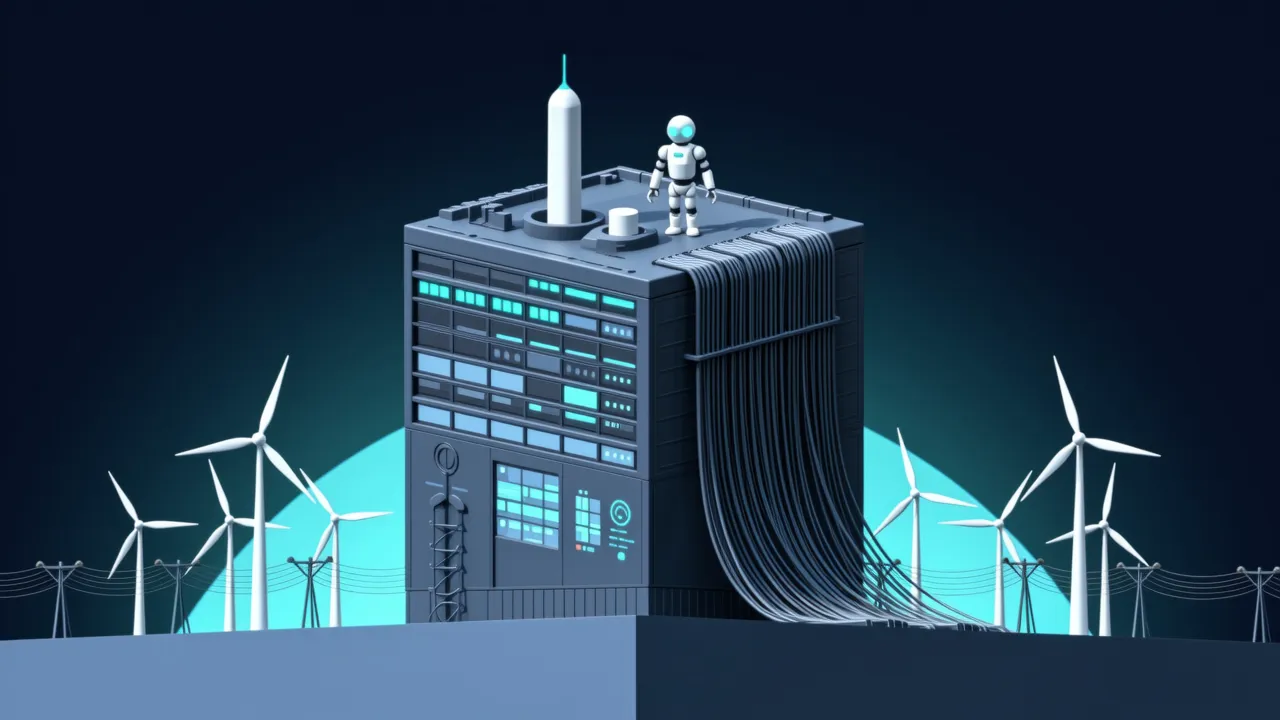
In April 2025 the IEA published Energy and AI, a data-driven report finding that data centres used about 1.5% of world electricity in 2024 and are projected to more than double that by 2030, with AI hardware driving most of the growth.
In April 2025 the US told Nvidia that H20 accelerators, the most advanced chips it could legally sell in China, would need export licences, forcing a charge of about US$5.5 billion.
In spring 2025 OpenAI raised $40 billion at a $300 billion post-money valuation in a round led by SoftBank Group, with about 500 million weekly ChatGPT users and 20 million paid subscribers as the backdrop.
Kimi-VL is Moonshot AI's open-source vision-language model, released in April 2025. It is a mixture-of-experts model that activates 3B of its 16B parameters, published in Instruct and Thinking versions, with a refreshed Thinking model following in June.
Amazon announced Nova Act on 31 March 2025 as a developer research preview: a system that carries out tasks in web interfaces as small, testable commands written alongside Python code, and first used publicly inside Alexa+.
AMD closed its purchase of ZT Systems, a New Jersey-based builder of AI and general-purpose computing infrastructure for hyperscale customers, on 31 March 2025, taking on about 1,000 design engineers while planning to sell ZT's US manufacturing business.