OpenAI reportedly raises $11B at a $1.25T valuation
Bloomberg reported on 6 November 2026 that OpenAI had raised $11 billion so far in an unclosed round valuing it at $1.25 trillion, below the $30 billion it reportedly sought.
Total 184 · Clear filters
Bloomberg reported on 6 November 2026 that OpenAI had raised $11 billion so far in an unclosed round valuing it at $1.25 trillion, below the $30 billion it reportedly sought.
On 5 November 2026 OpenAI released ChatGPT Cyber, a model for cybersecurity work, limited to the top tier of its Daybreak Red programme. OpenAI says it scanned the Linux kernel and found flaws in Firefox.
In early November 2026 Meta acquired Conductor, a startup whose platform runs multiple AI coding agents in parallel workspaces. Conductor's cloud service was set to shut down on 20 November 2026.
Fal, a startup that hosts and runs AI video, image and audio models, raised $1.3 billion at a $16 billion valuation, double its valuation from earlier in the year.
Marvell agreed on 2 November 2026 to buy optical chip and networking equipment maker Lumentum in an all-stock deal valued at $115 billion including debt, one of the largest technology acquisitions on record.
The Agentic AI Foundation reported 305 member organisations in under a year, saying agents are moving from developer experiments to institutional infrastructure.
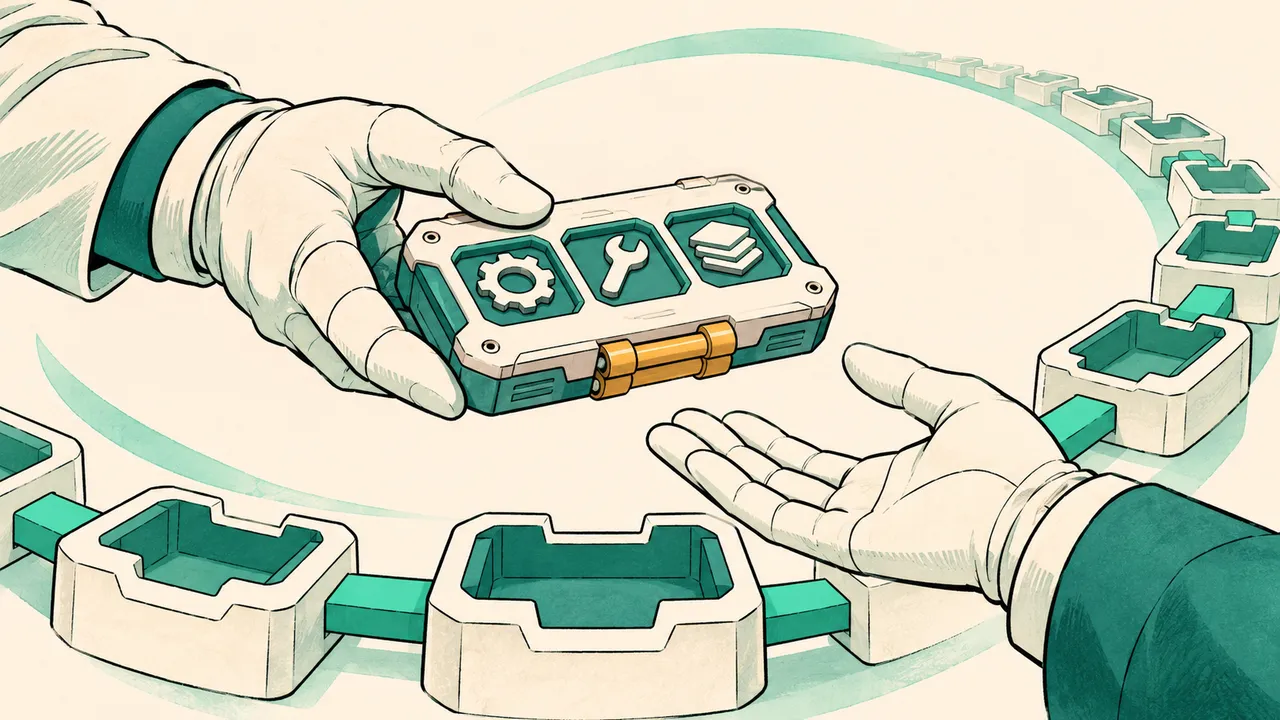
On 22 October 2026 the Agentic AI Foundation added four projects — Agent Skills from Anthropic, Open Responses from OpenAI, OpenEnv from Hugging Face and OpenSandbox from Alibaba — bringing it to 10 hosted projects covering different layers of the agentic stack.
On 22 October 2026 Anthropic handed the Agent Skills open standard — its name, logo, GitHub organisation and domain — to the Agentic AI Foundation, a Linux Foundation project, after more than 70 agent platforms had adopted it.
On 15 October 2026 Meta released Muse Spark Open, an open-weight, natively multimodal model with 816 billion total parameters, optimised to run on Apple's Mac Studio. Its weights were published on Hugging Face.
On 13 October 2026, Physical Intelligence opened a beta of the Pi API, a service that lets customers upload their own robot data, fine-tune the company's models and run cloud-hosted inference on their own machines.
Released on 28 September 2026, Claude Sonnet 5.5 is the second model of the Claude 5.5 family. It kept the price of Sonnet 5 and was the first Sonnet model to ship with cyber safeguards and anti-distillation classifiers.
Released on 22 September 2026, Claude Opus 5.5 is the first model of the Claude 5.5 family. Anthropic said it matched Claude Fable 5.1 on most work, at a lower price.
On 21 September 2026 xAI released Grok 4.7, with a larger base model and a longer reinforcement-learning run. Its Fast variant was limited to Cursor and Grok Build.
On 7 September 2026 iFlytek released Spark X2.5, a 293B-A30B mixture-of-experts model trained and served on domestic compute, focused on code and agent tasks, with open-source on-device models supporting up to 1 million tokens of context.
On 3 September 2026 Nvidia agreed to acquire Hugging Face for $12.93 billion. Hugging Face said it would remain an open platform, and the deal was expected to close in the first half of 2027 pending regulatory approval.
On 2 September 2026 Google released Gemini 3.8 Flash and Gemini 3.8 Flash Cyber, a security-focused variant limited to vetted defenders, three weeks after Gemini 3.7 Flash.
Zhipu released GLM-5.3 on 14 August 2026, a post-training upgrade built on the same base model as GLM-5.2, with large gains on coding and cybersecurity benchmarks; NIST's CAISI later called it the most advanced open-weight model in cybersecurity.
On 12 August 2026 xAI released Grok 4.6, a month after Grok 4.5, aimed at long-running agents. Pricing stayed the same, and the model launched across Cursor, Grok Build and the API.
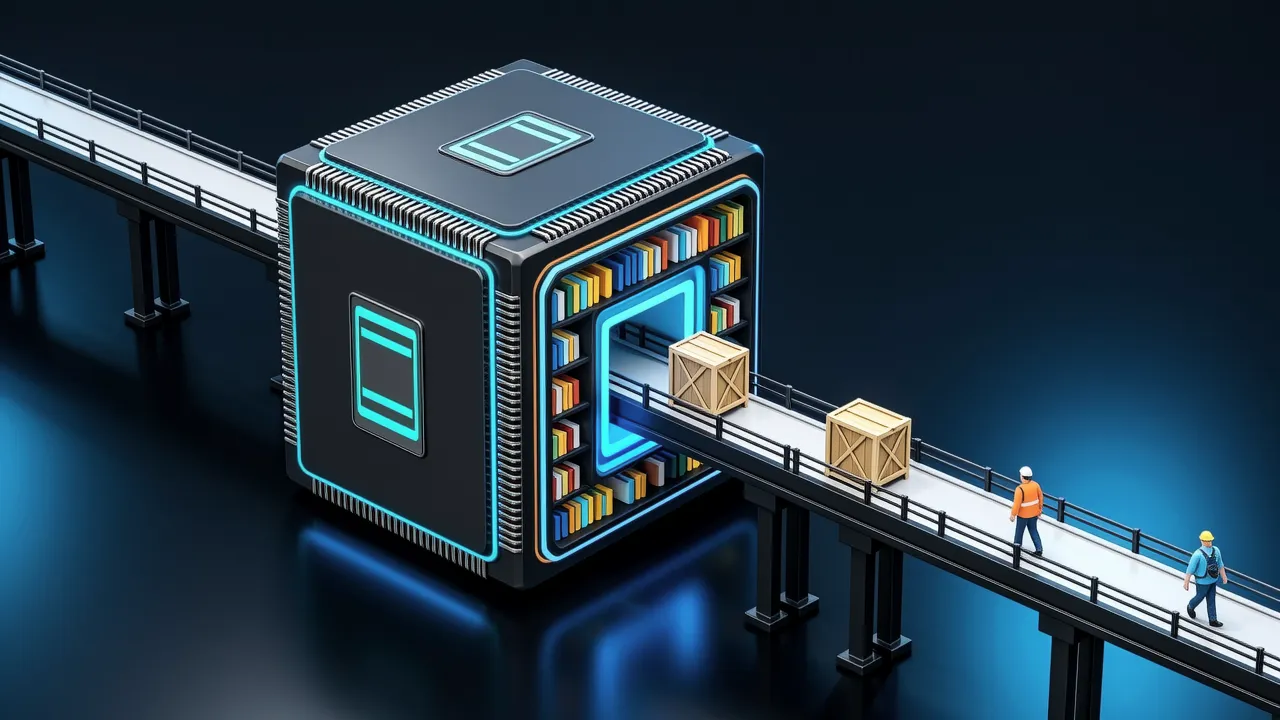
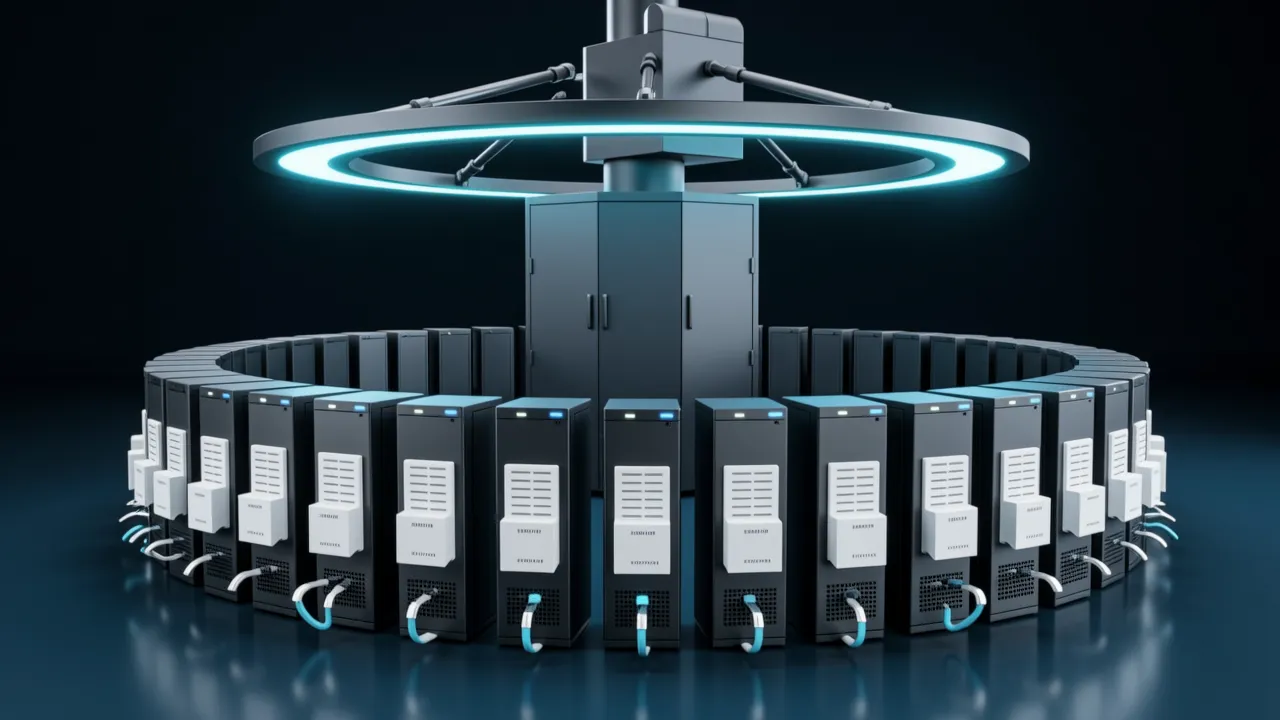
On 28 July 2026 the Model Context Protocol project published a specification built on a stateless core, turning MCP into a request/response protocol whose requests any instance behind a plain round-robin load balancer can serve.
On 24 July 2026 Anthropic released Claude Opus 5 at $5 and $25 per million tokens. Anthropic said it came close to Claude Fable 5's frontier intelligence at half the price.
On 16 July 2026 xAI released Grok 4.5, co-trained with Cursor, and made it the default model in Grok Build. xAI also published its coding benchmark results.