A robot shown in Guangzhou
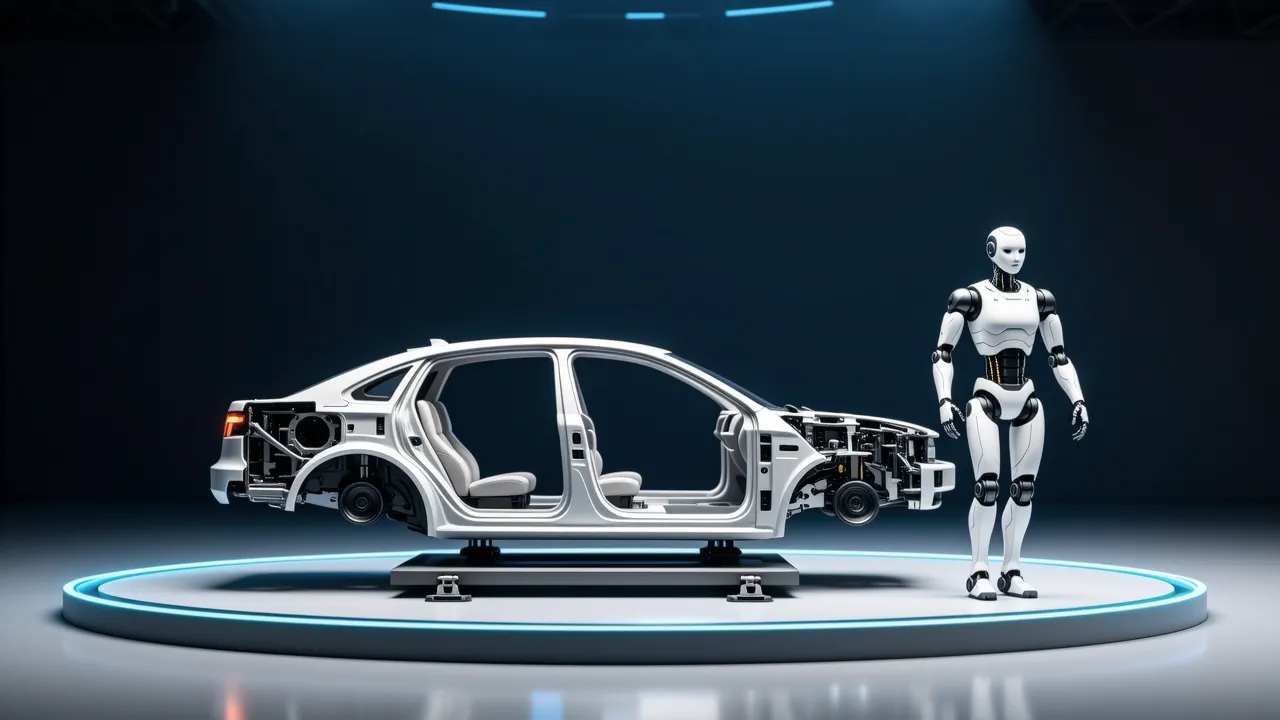
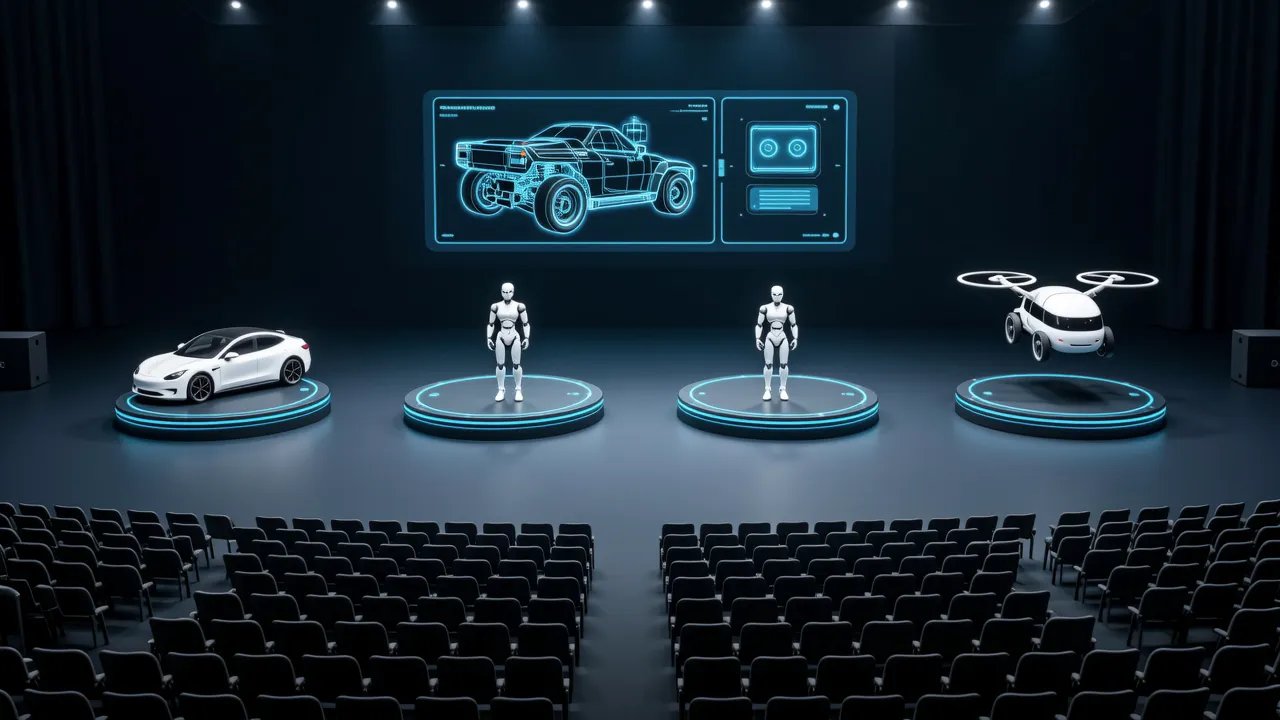
On 5 November 2025, XPENG held its 2025 AI Day in Guangzhou under the theme "Emergence"[1]. At the event the company unveiled the new-generation version of IRON, its humanoid robot[1]. Xinhua reported the event and carried the same figures for the machine, including the 82 degrees of freedom and the 22 degrees of freedom in each hand[2].
Body, hands and computing
XPENG said the new-generation IRON has 82 degrees of freedom in total, with 22 degrees of freedom in each hand[1][2]. A degree of freedom is one independently driven axis of motion. A hand with 22 of them can, in principle, move its fingers and wrist in many separate directions at once, which matters for grasping objects of different shapes and sizes.
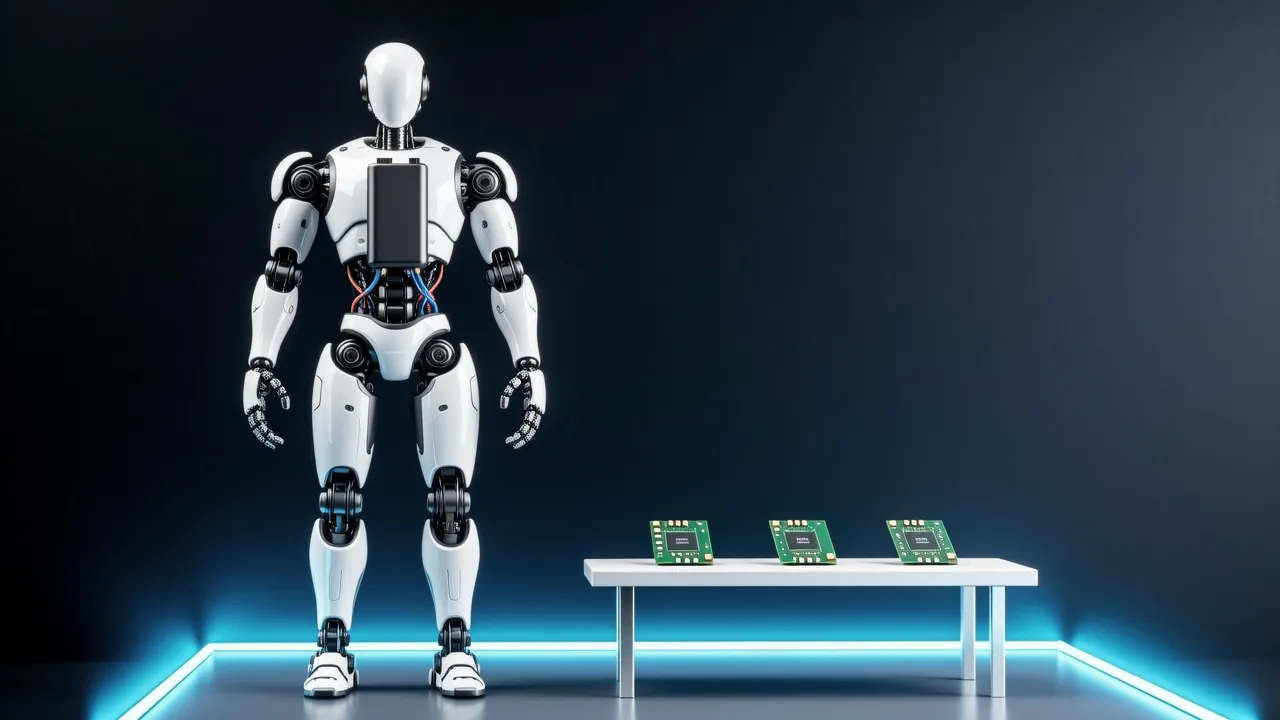
The robot's computing is handled by three Turing AI chips, which XPENG said provide 2,250 TOPS of effective computing power[1]. TOPS is a unit for how many trillions of operations a chip can carry out per second; a higher figure generally means more model computation can be run in the same amount of time. Running a large model on a body that has to move in the physical world is the reason such figures get quoted for robots at all.
For power, XPENG said IRON was the first robot in the industry to use an all-solid-state battery[1]. An all-solid-state battery replaces the liquid electrolyte used in conventional lithium-ion cells with a solid electrolyte, which is one of the main technology routes being pursued in battery research.
On the software side, XPENG said the robot runs its first-generation physical world model, which combines VLT, VLA and VLM capabilities[1]. A world model, in this context, is a model meant to represent how the physical environment behaves, so that a machine can act on it rather than only describe it.
Production, partners and data
He Xiaopeng said XPENG aimed to achieve volume production of high-order humanoid robots by the end of 2026[1]. That is the timeline the company attached to the hardware at the event.
XPENG also said Baosteel would become an ecosystem partner and deploy IRON for inspection work[1]. Inspection is a task in which a robot moves through an industrial site and checks equipment or conditions, so this describes an outside user putting the machine to work rather than a demonstration on stage.
A further announcement concerned developers: XPENG said it would open the IRON software development kit to developers worldwide[1]. A software development kit is the set of tools, interfaces and documentation that lets outside programmers write applications for a piece of hardware.
Finally, XPENG said it had built its first embodied intelligence data factory in Guangzhou, set up to address the lack of robot training data[1]. Embodied intelligence refers to intelligence that acts through a physical body rather than only processing text or images. Robot learning depends on recordings of real motion and manipulation, and such data is far scarcer than text or photographs, which is why collecting it becomes a facility of its own.
What the announcement covers
Taken together, the event described five things at once: the machine's mechanical degrees of freedom, its computing hardware, its battery, a production target, and the arrangements around it — an industrial partner, an open development kit and a data source[1]. For anyone following humanoid robots, these are the concrete commitments to check against later, whatever direction the technology takes.
Sources
- 1
- 2
Cite this page: XPENG unveils new-generation IRON. TellWorld, https://www.tellworld.net/news/iron-2025. Updated 2026-11-08