Background
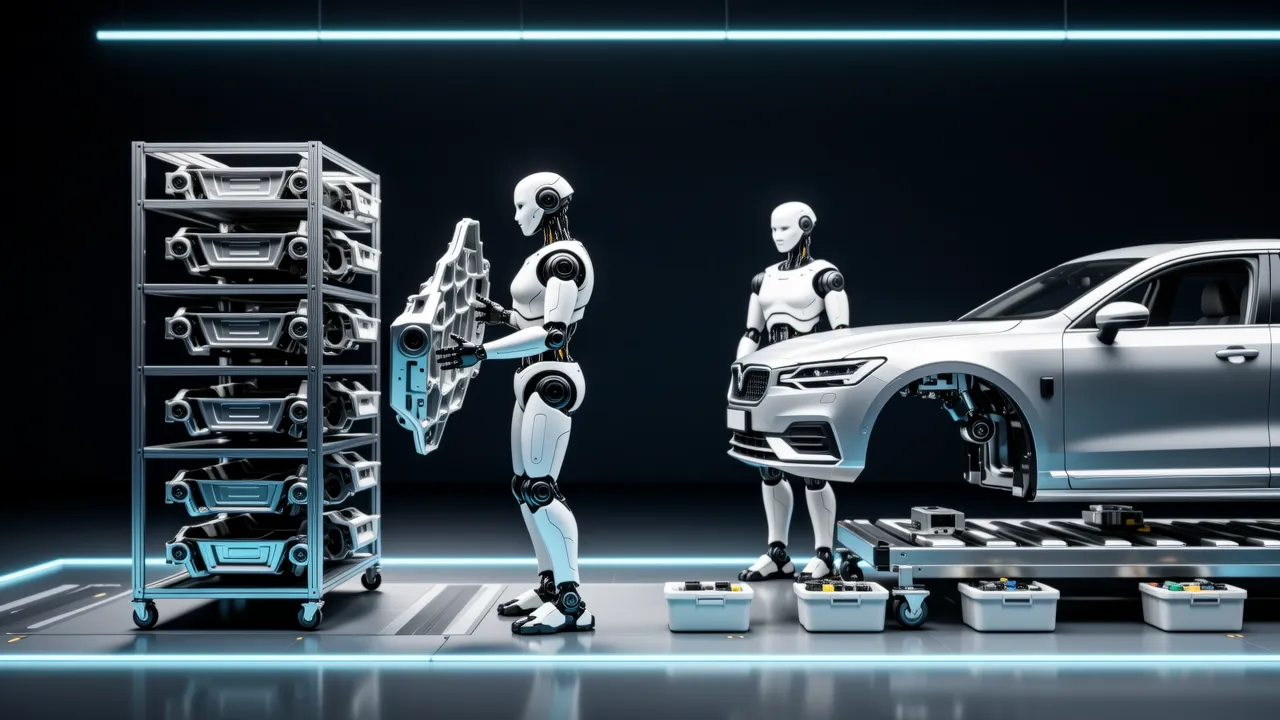
Embodied intelligence refers to AI systems that perceive and act in the physical world through a body — a robot arm, a mobile platform or a humanoid robot — rather than only processing text and images. Building such machines requires motors, sensors, control software and manufacturing capacity at the same time, which is why the field has become an object of local industrial policy and not only of laboratory research.
What Shenzhen published
In March 2025 Shenzhen issued the Shenzhen Embodied Intelligence Robot Technology Innovation and Industrial Development Action Plan (2025–2027) [1]. It is a three-year document: on one side a statement of what the city wants its embodied intelligence and robot sector to look like by 2027, on the other a set of numbers against which the effort can be checked.
The targets
The plan sets several quantitative goals for 2027: more than 10 newly cultivated companies each valued at over 10 billion yuan [1]; more than 20 companies with annual revenue above 1 billion yuan [1]; more than 50 application scenarios each worth at least 1 billion yuan [1]; an associated industry scale of more than 100 billion yuan [1]; and more than 1,200 companies in the embodied intelligence robot cluster [1].
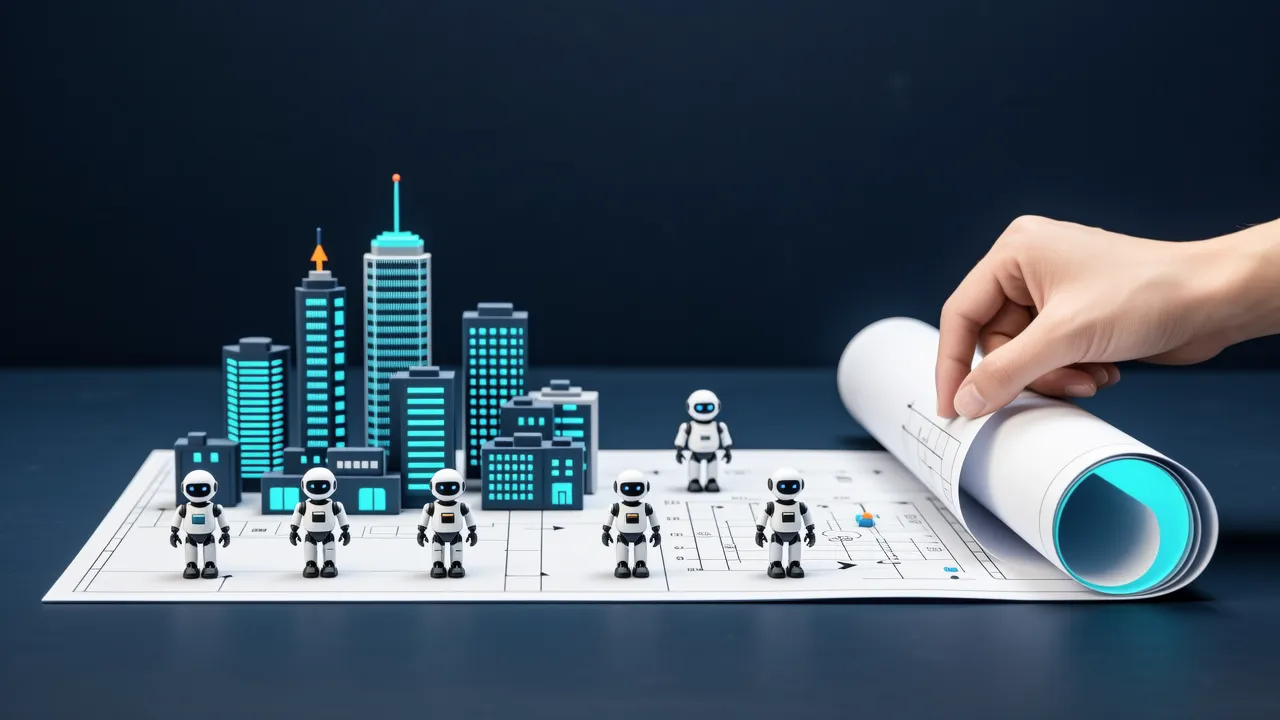
Read together, the targets describe a cluster rather than a single flagship firm. At the top sits a small group of highly valued companies; below them a layer of firms with substantial revenue; underneath that a base of more than a thousand companies. The 50-odd scenarios point at the demand side — the concrete places, in factories and in services, where robots are supposed to be bought and actually used.
Funding and the existing base
China Economic Net reported that Shenzhen allocated 4.5 billion yuan of policy funding to the effort and offered computing power vouchers of up to 10 million yuan [2]. The vouchers address a practical cost for robot companies: training and running models consumes computing power.
The same report described the base the city was starting from — 34 listed companies and 9 unicorns in the sector, with 7 companies on Morgan Stanley's global humanoid robot listed-company top 100 list [2]. It named full-machine robot companies based in Shenzhen, including UBTECH, Leju and EngineAI [2].
Why it matters
Action plans of this kind are targets, not results. What makes this one notable is that it puts supply and demand in the same document: a company-count and revenue ladder on one side, a list of sized application scenarios on the other, and a funding line attached. That makes the plan unusually easy to compare against outcomes later — the number of companies, the revenue bands and the scenario count can all be checked.
It also shows how a city government frames an emerging technology: not as a single breakthrough to be chased, but as an industrial chain to be populated at every level, from component suppliers to full-machine makers to the customers who deploy them. Whether the 2027 figures are reached will depend on demand for robots materialising at the scale the scenario targets assume.
Sources
- 1人形机器人竞速:城市的野心与一场技术长跑证券时报网
- 2上市公司抢滩机器人产业链中国经济网
Cite this page: Shenzhen embodied intelligence robot action plan 2025-2027. TellWorld, https://www.tellworld.net/news/shenzhen-embodied-ai-plan-2025. Updated 2026-11-08