OpenAI reportedly raises $11B at a $1.25T valuation
Bloomberg reported on 6 November 2026 that OpenAI had raised $11 billion so far in an unclosed round valuing it at $1.25 trillion, below the $30 billion it reportedly sought.
Total 213 · Clear filters
Bloomberg reported on 6 November 2026 that OpenAI had raised $11 billion so far in an unclosed round valuing it at $1.25 trillion, below the $30 billion it reportedly sought.
Fal, a startup that hosts and runs AI video, image and audio models, raised $1.3 billion at a $16 billion valuation, double its valuation from earlier in the year.
Marvell agreed on 2 November 2026 to buy optical chip and networking equipment maker Lumentum in an all-stock deal valued at $115 billion including debt, one of the largest technology acquisitions on record.
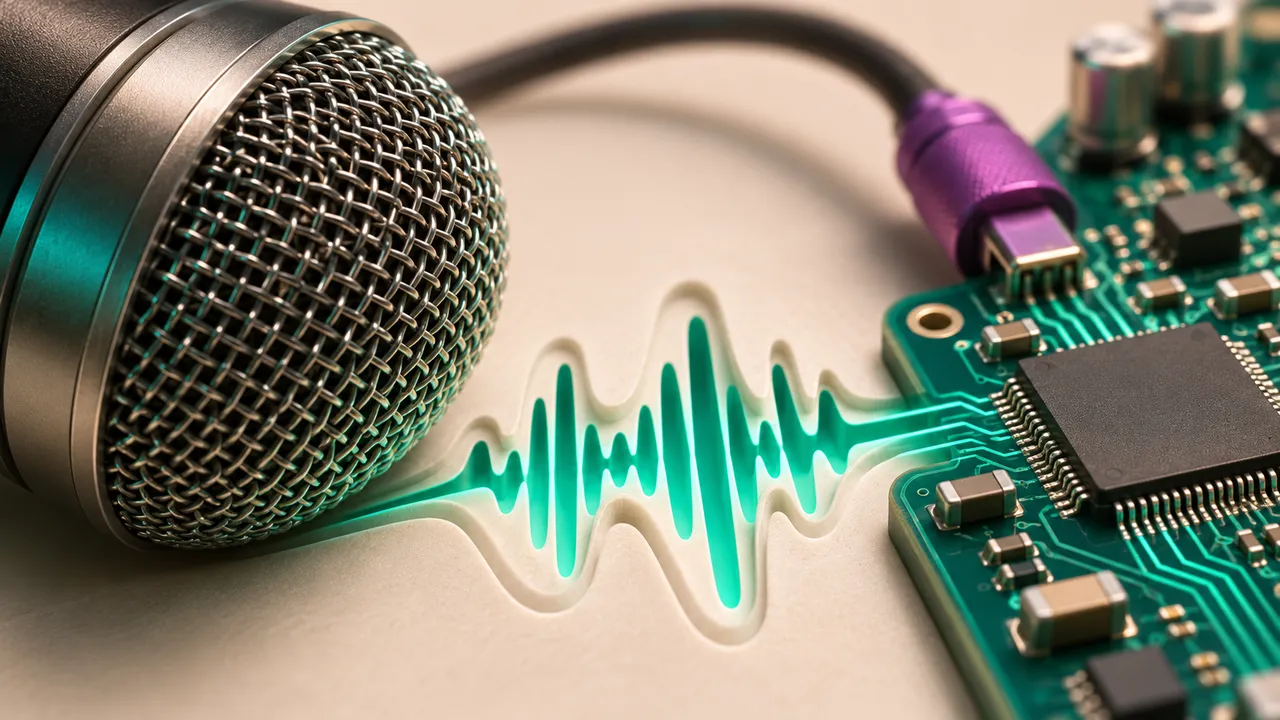
On 28 October 2026 Nvidia released Nemotron 3.5 Transcribe, an open-weight, free speech recognition model covering up to 40 languages, alongside the second version of its Granary speech dataset.
On 22 October 2026 iFlytek released Spark X2.6, a device-cloud model series, at its developer festival in Beijing. The same event also launched a speech foundation model and a digital-employee platform.
On 15 October 2026 Meta released Muse Spark Open, an open-weight, natively multimodal model with 816 billion total parameters, optimised to run on Apple's Mac Studio. Its weights were published on Hugging Face.
On 13 October 2026, Physical Intelligence opened a beta of the Pi API, a service that lets customers upload their own robot data, fine-tune the company's models and run cloud-hosted inference on their own machines.
On 29 September 2026 OpenAI released GPT-6.1 Sol at its DevDay developer event, saying it nearly matched GPT-6 Astra at lower cost. A planned Astra release was withheld over safety results, and GPT-6.1 Terra followed in October.
On 8 September 2026 Mistral AI announced a €3 billion Series D led by Samsung Electronics, valuing the company at more than €21 billion after the round.
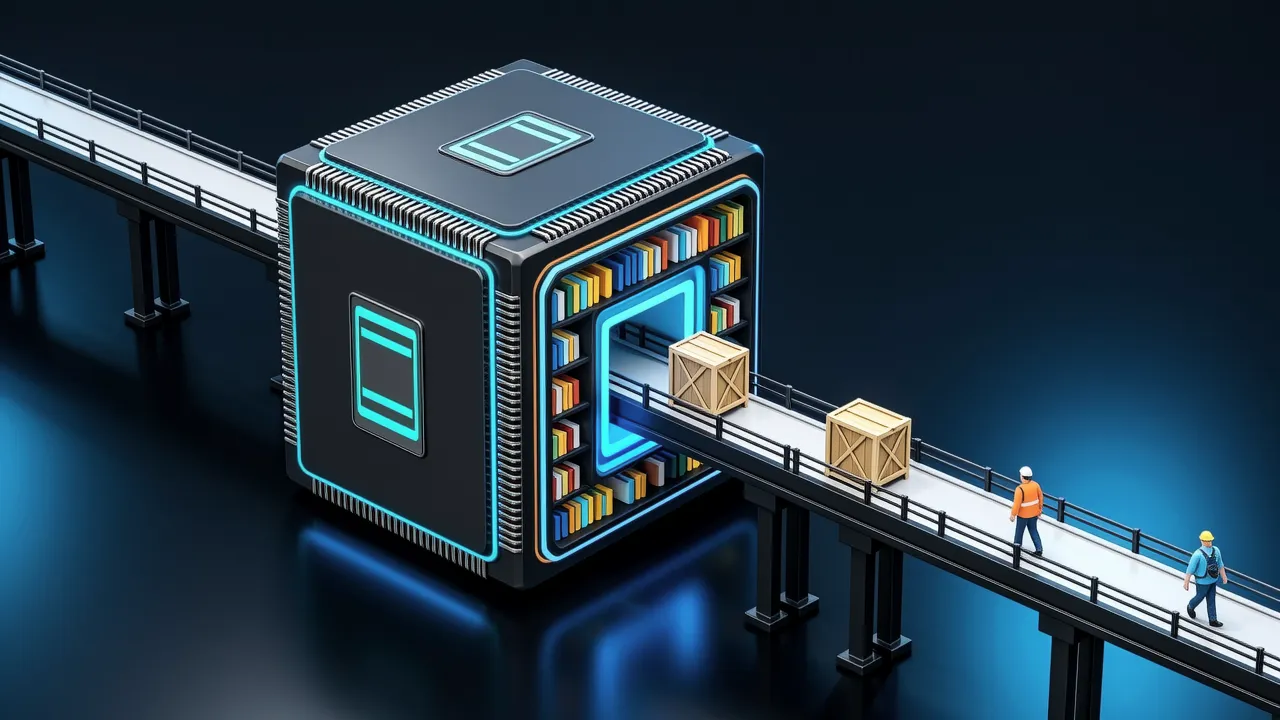
On 3 September 2026 Nvidia agreed to acquire Hugging Face for $12.93 billion. Hugging Face said it would remain an open platform, and the deal was expected to close in the first half of 2027 pending regulatory approval.
On 13 August 2026 DeepSeek launched the general-availability version of DeepSeek-V4-Pro, with agent upgrades, adjustable reasoning effort, OpenAI Responses API support and peak and off-peak API pricing.
Lovable raised a $400M Series C on 12 August 2026 at a $13.3B valuation, led by Menlo Ventures, after users created more than 60 million projects on the platform since its November 2024 launch.
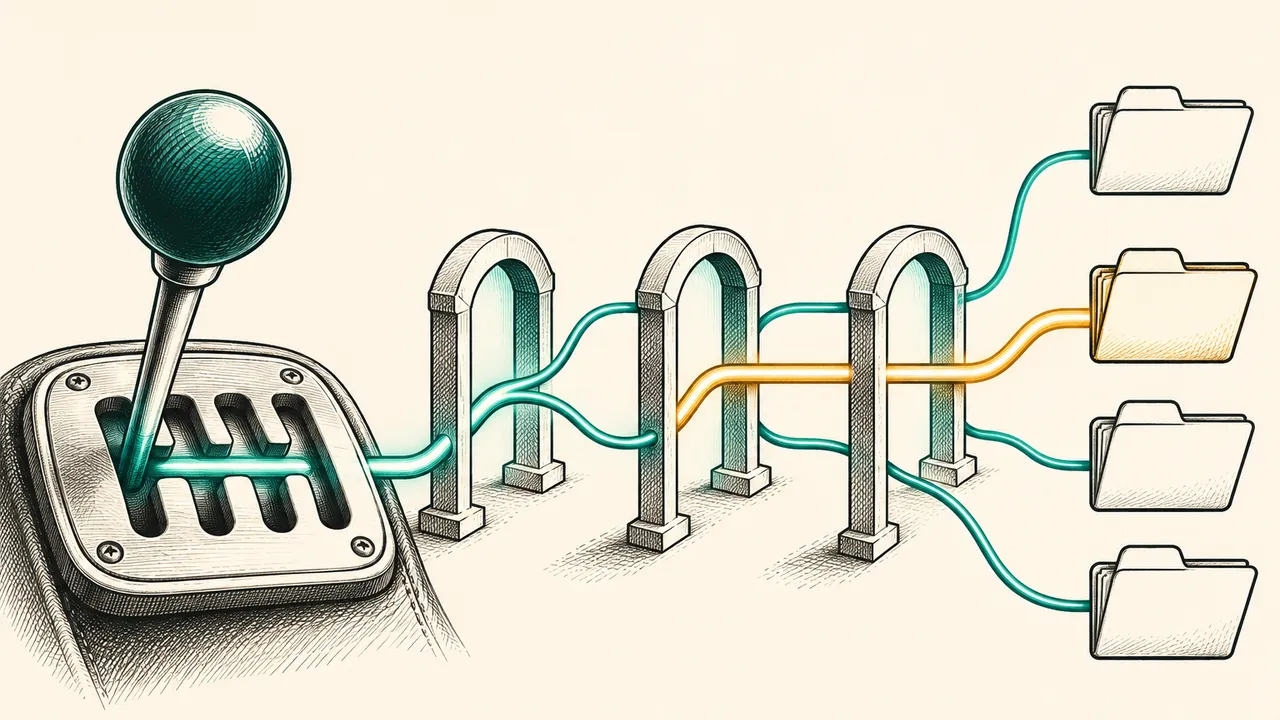
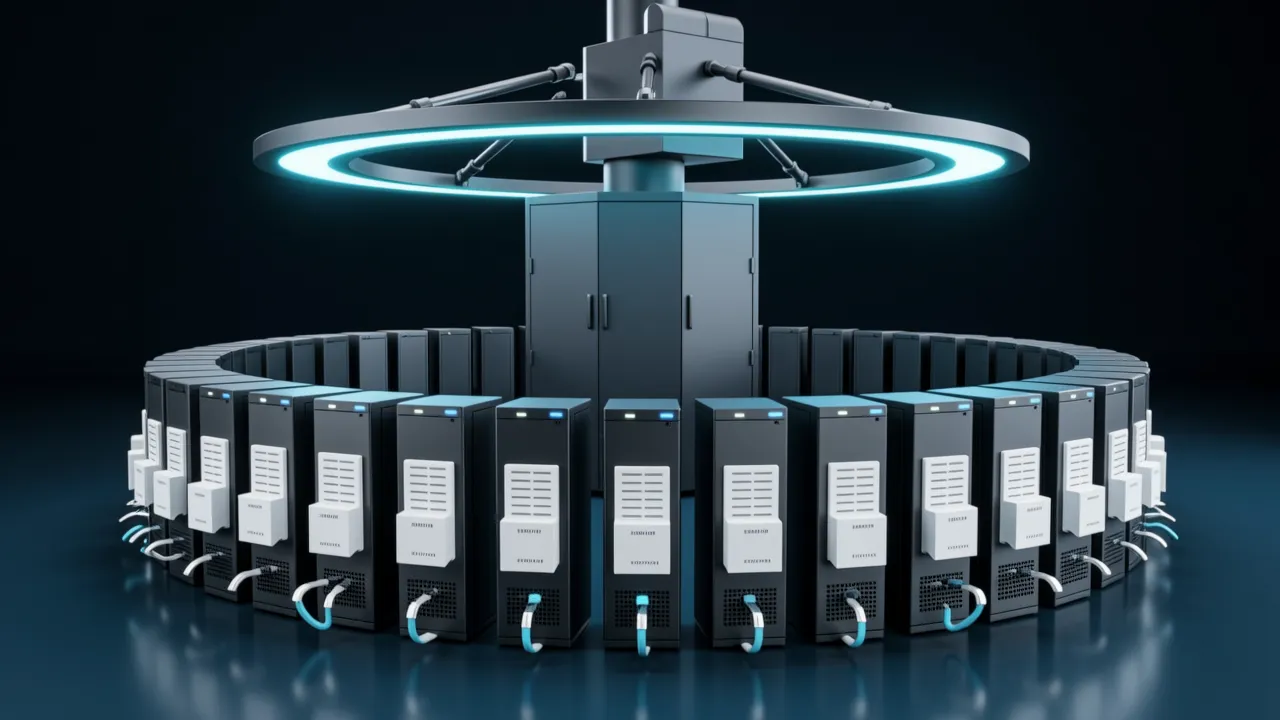
On 28 July 2026 the Model Context Protocol project published a specification built on a stateless core, turning MCP into a request/response protocol whose requests any instance behind a plain round-robin load balancer can serve.
On 21 July 2026 Google announced three Gemini models at once: Gemini 3.6 Flash, a cheaper and faster 3.5 Flash-Lite, and 3.5 Flash Cyber, a security-focused variant limited to governments and trusted partners.
On 16 July 2026 xAI released Grok 4.5, co-trained with Cursor, and made it the default model in Grok Build. xAI also published its coding benchmark results.
On 9 July 2026 Meta released Muse Spark 1.1, an upgrade built for agentic tasks, with a 1-million-token context and access for developers through the Meta Model API in public preview.
On 9 June 2026 TRAE renamed its standalone SOLO agent as TRAE Work, an AI workspace for product managers, analysts, marketers and others. TRAE IDE stayed as the product for developers.
In May 2026 The Standard reported that StepFun had completed a funding round of about US$2.5 billion ahead of a planned Hong Kong listing, after converting into a joint-stock company in April.
In May 2026 Baidu's chip unit Kunlunxin began IPO guidance for China's STAR Market while keeping its Hong Kong plan, as revenue grows and losses narrow toward break-even.
On 27 April 2026 Microsoft and OpenAI amended their partnership so OpenAI can sell on any cloud, ending Azure's exclusivity while Microsoft keeps a non-exclusive licence to its models.
On 2 April 2026 Mustafa Suleyman announced three Microsoft AI models for developers: MAI-Transcribe-1, MAI-Voice-1 and MAI-Image-2. All three became available in Microsoft Foundry and the MAI Playground, with published model cards.