Honda unveils ASIMO
On 20 November 2000 Honda announced ASIMO, a 1,200 mm, 43 kg humanoid robot with 26 degrees of freedom, presented as a smaller, people-friendly evolution of its earlier P3 machine.
Total 310 · Clear filters
On 20 November 2000 Honda announced ASIMO, a 1,200 mm, 43 kg humanoid robot with 26 degrees of freedom, presented as a smaller, people-friendly evolution of its earlier P3 machine.
In January 2000, Carnegie Mellon announced that its NASA-funded rover prototype Nomad was searching for meteorites in Antarctica, and that the public could follow the hunt through the Big Signal Web site. The BBC reported the expedition as the first time a robot found extraterrestrial material on Earth.
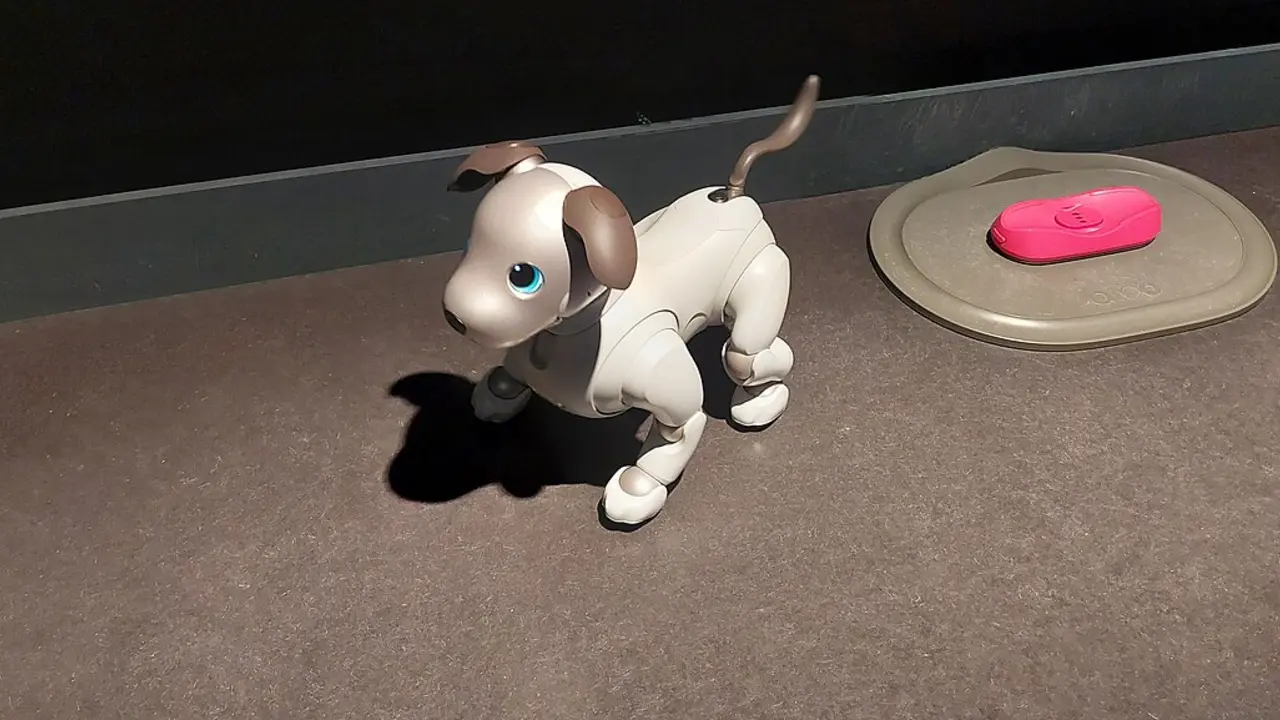
On 1 June 1999 Sony opened Internet-only orders for AIBO, its four-legged entertainment robot, at 250,000 yen in Japan and USD 2,500 in the United States; the limited run of 5,000 units sold out in 20 minutes.
On May 11, 1999, Sony announced AIBO, a four-legged entertainment robot (model ERS-110) it called the first robot designed for home entertainment, to be sold only over the Internet in limited quantities in Japan and the United States.
Sony's AIBO ERS-110 sold out within 20 minutes of reservations opening; when many people asked for one of their own, Sony hurriedly released the ERS-111 half a year later, and its history page groups both under the 1999 model year.
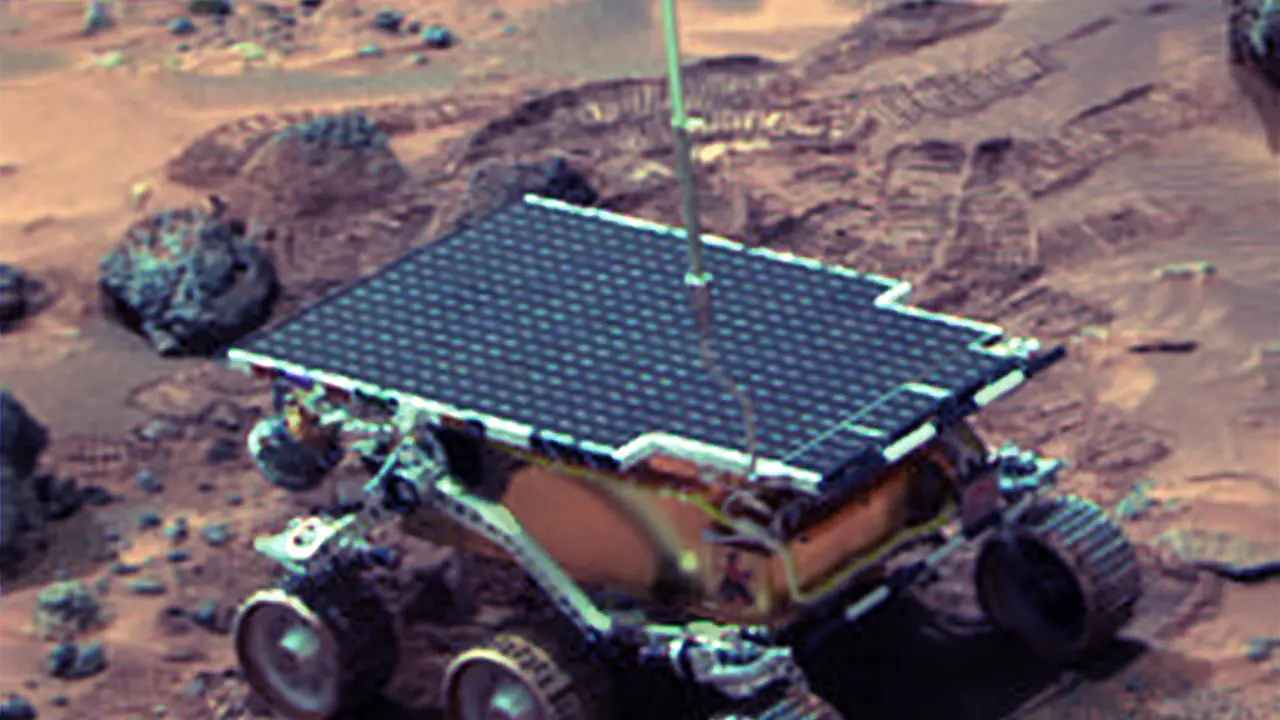
On July 4, 1997, NASA's Mars Pathfinder landed on Mars and deployed Sojourner, the first wheeled vehicle operated on another planet, beginning an uninterrupted period in which at least one spacecraft has operated at Mars.
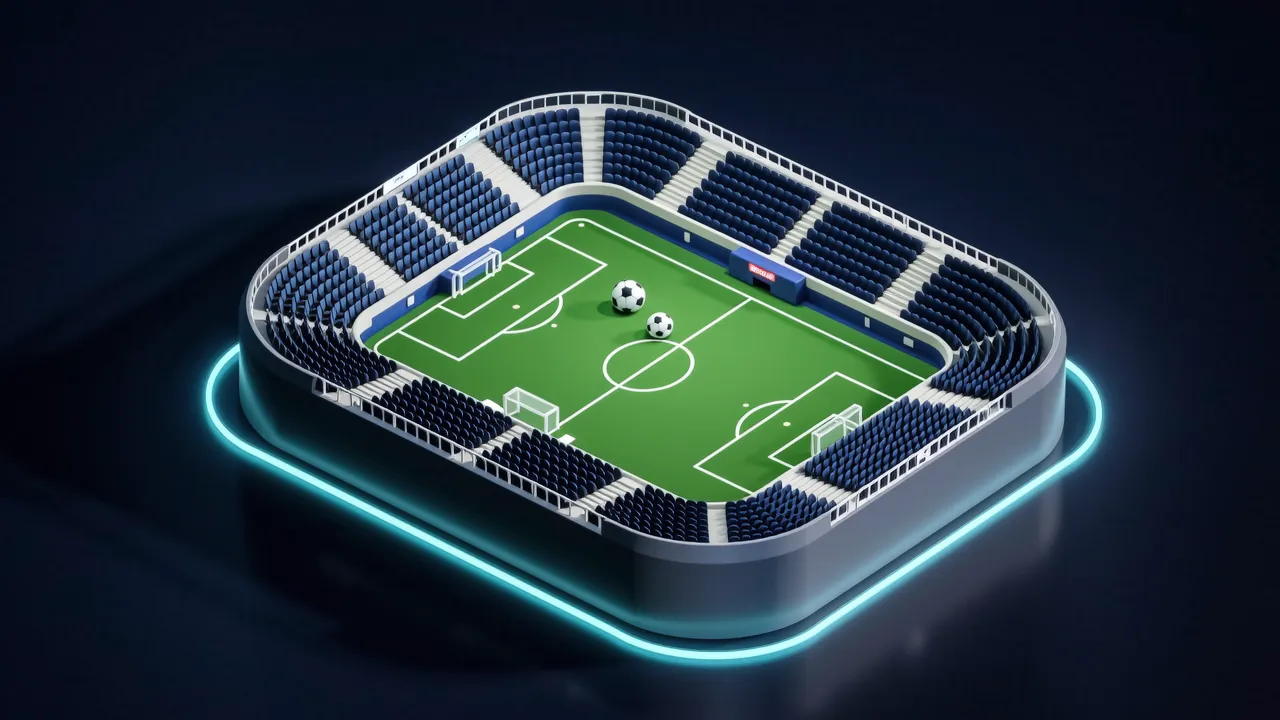
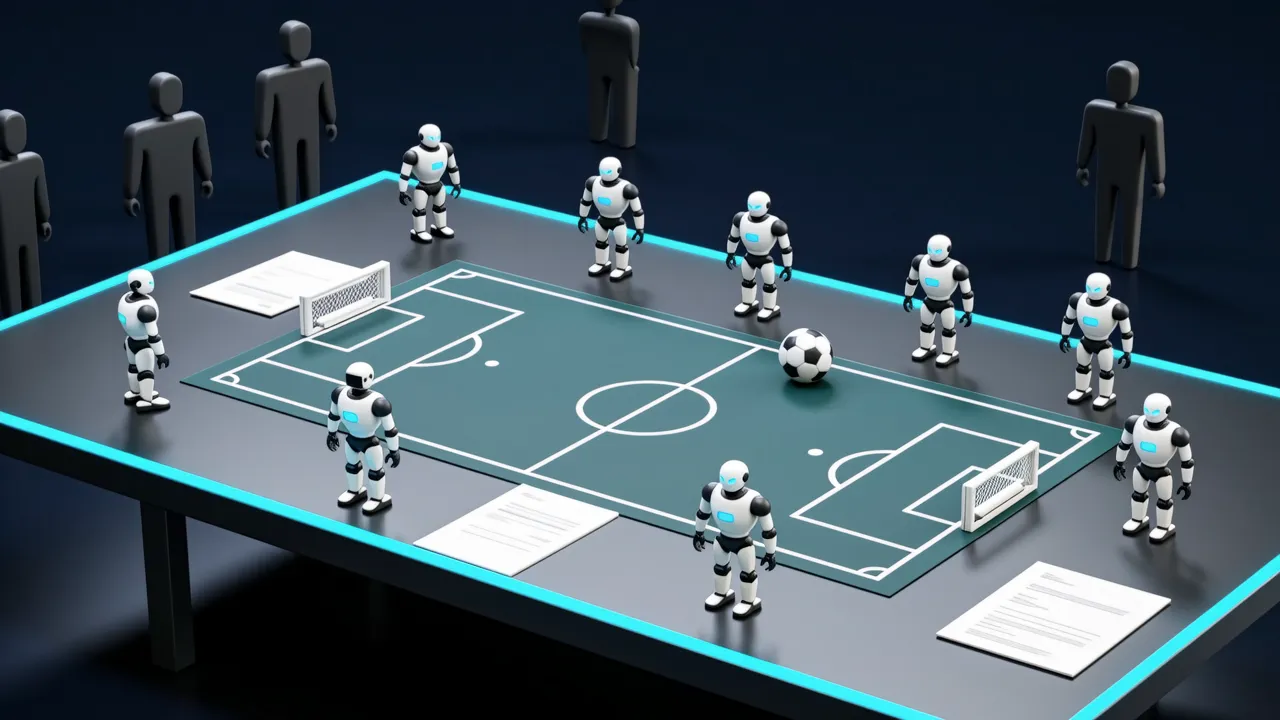
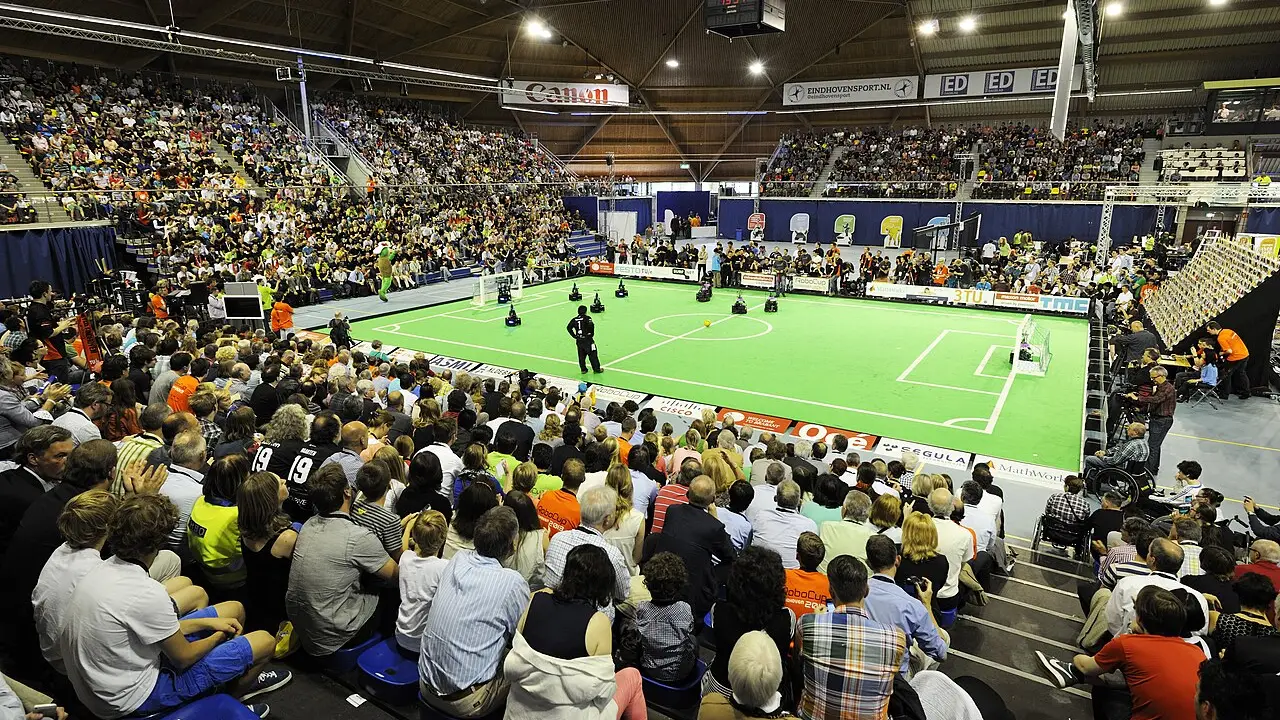
The first official RoboCup games and conference, held in 1997 as planned with IJCAI-97 in Nagoya, drew more than 40 real and simulated teams and over 5,000 spectators, and marked the first step toward robotic soccer players that could beat a human World Cup champion team.
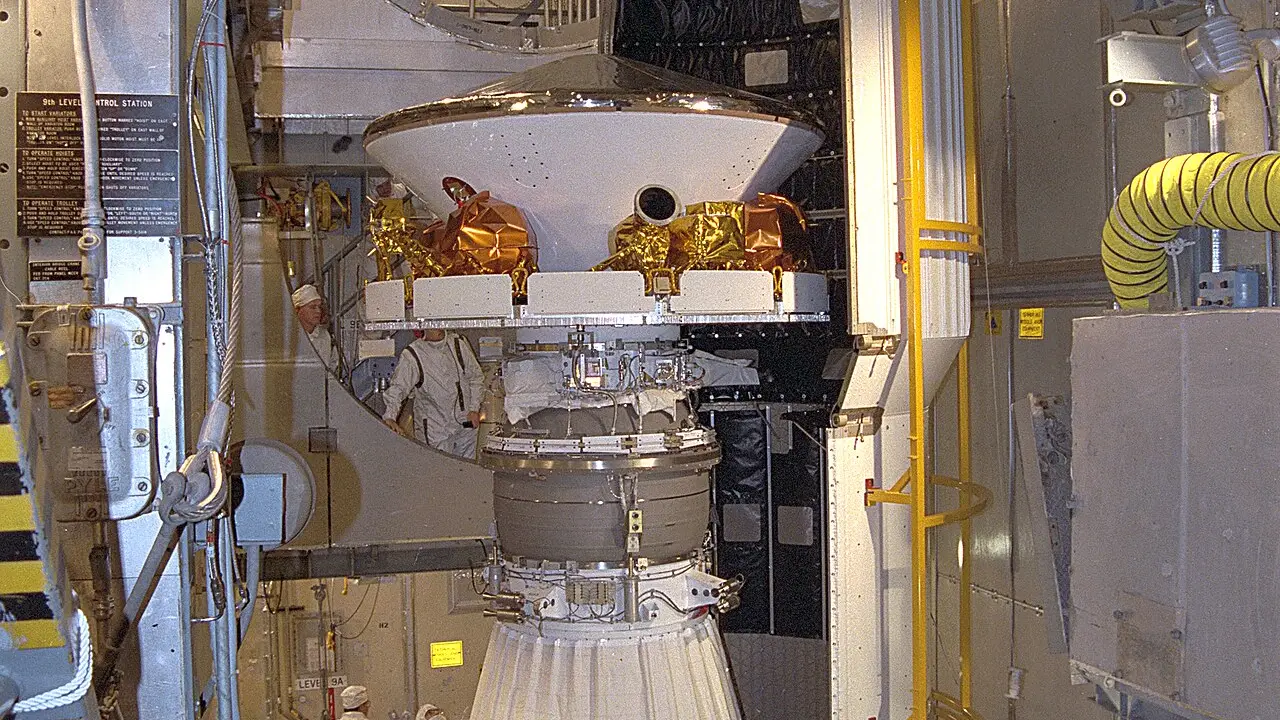
Mars Pathfinder launched on December 4, 1996, from Cape Canaveral on a Delta II rocket, carrying a lander and the small rover Sojourner. Between them the two vehicles flew four instruments, one of them a spectrometer mounted on the rover itself.
Held in Osaka in November 1996 alongside IROS-96, Pre-RoboCup-96 was the first robot soccer competition aimed at research and education, with eight simulation-league teams and a middle-size robot demonstration; official RoboCup games followed in 1997.
At IJCAI-95 in Montreal in August 1995, organizers announced the first Robot World Cup, to be held with IJCAI-97 in Nagoya, and set up Pre-RoboCup-96 plus the Soccer Server simulator.
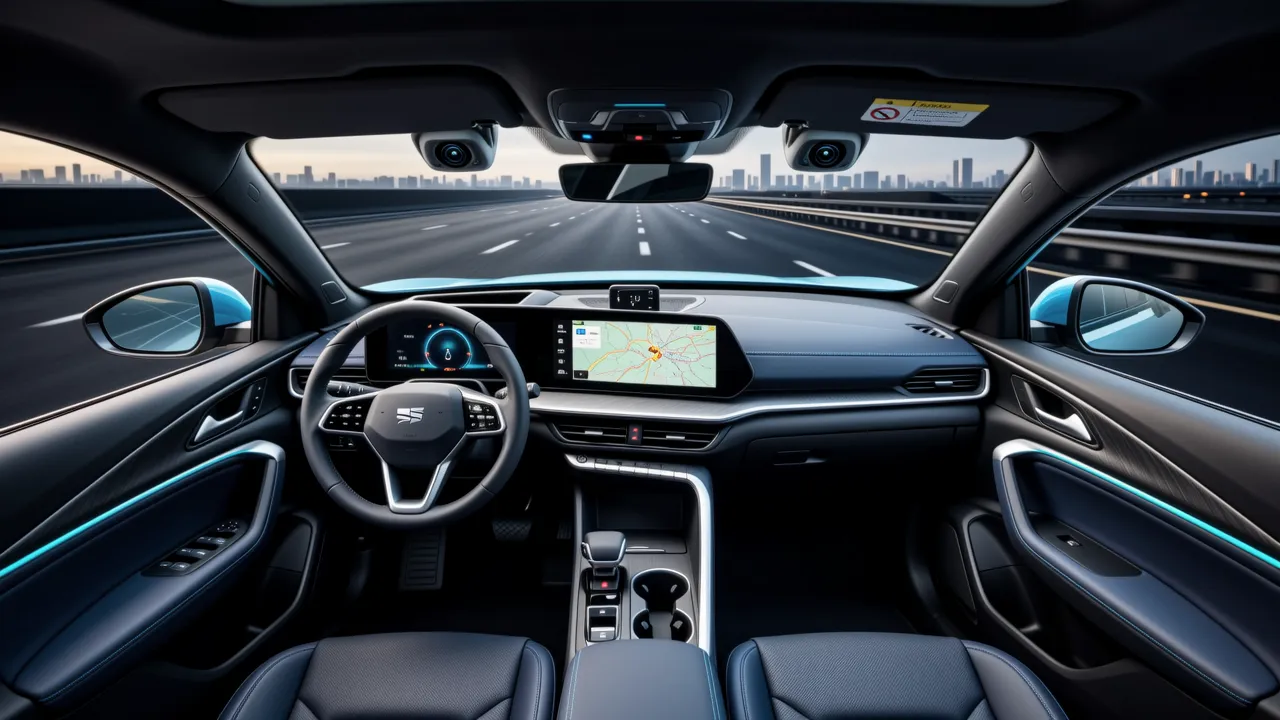
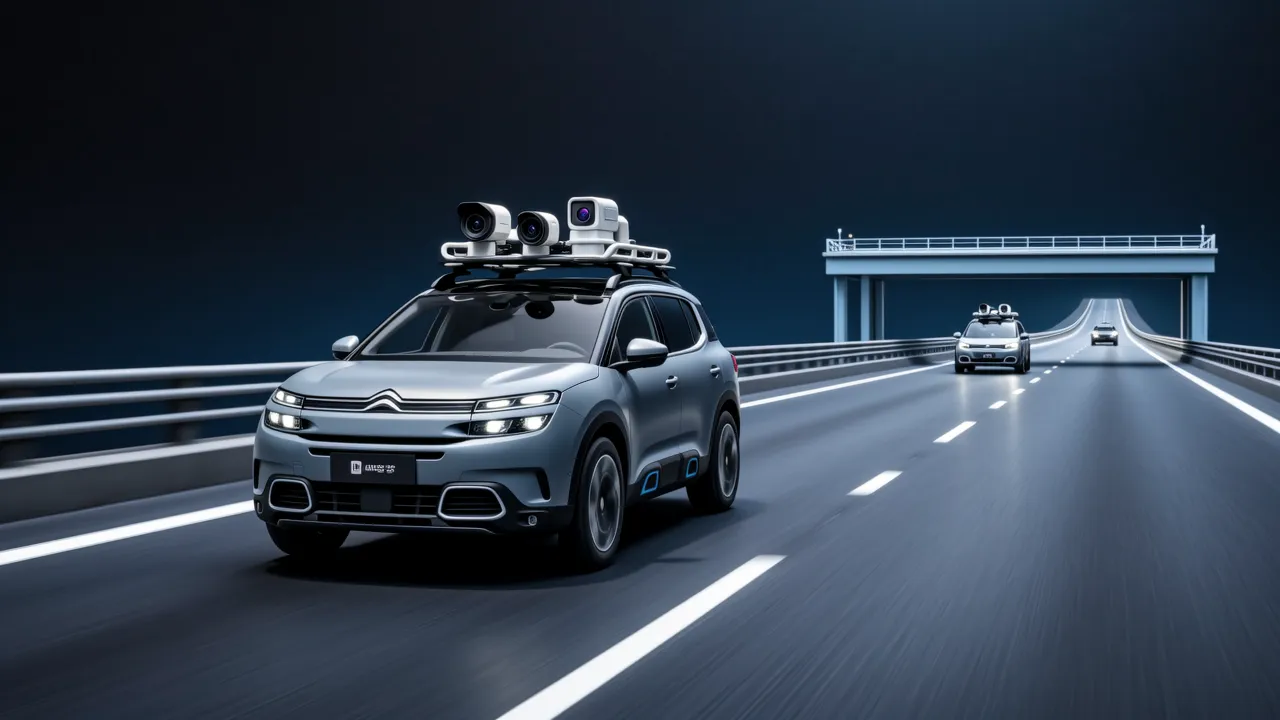
In 1995 a Mercedes 500 SEL built by Ernst Dickmanns' team drove over 2,000 km from Munich to Copenhagen and back in traffic, using cameras only, reaching 180 km/h and averaging 9 km between human interventions.
In October 1994 VaMP and VITA-2, research cars built by Ernst Dickmanns' team with Mercedes-Benz, closed the EUREKA PROMETHEUS programme by driving over 1,000 km in highway traffic, changing lanes and overtaking at up to 130 km/h with a safety driver aboard.
In June 1993, researchers including Minoru Asada, Yasuo Kuniyoshi and Hiroaki Kitano proposed a robot soccer competition tentatively called the Robot J-League. International interest soon led to its renaming as the Robot World Cup Initiative, or RoboCup.
In 1992, Alan Mackworth's paper on seeing robots and a Tokyo workshop on AI grand challenges independently put forward robot soccer as a way to drive AI and robotics research.
In 1973 the UK Science Research Council published Sir James Lighthill's survey of AI, which sharply criticised basic research in robotics and language processing and caused a long loss of confidence in the field.
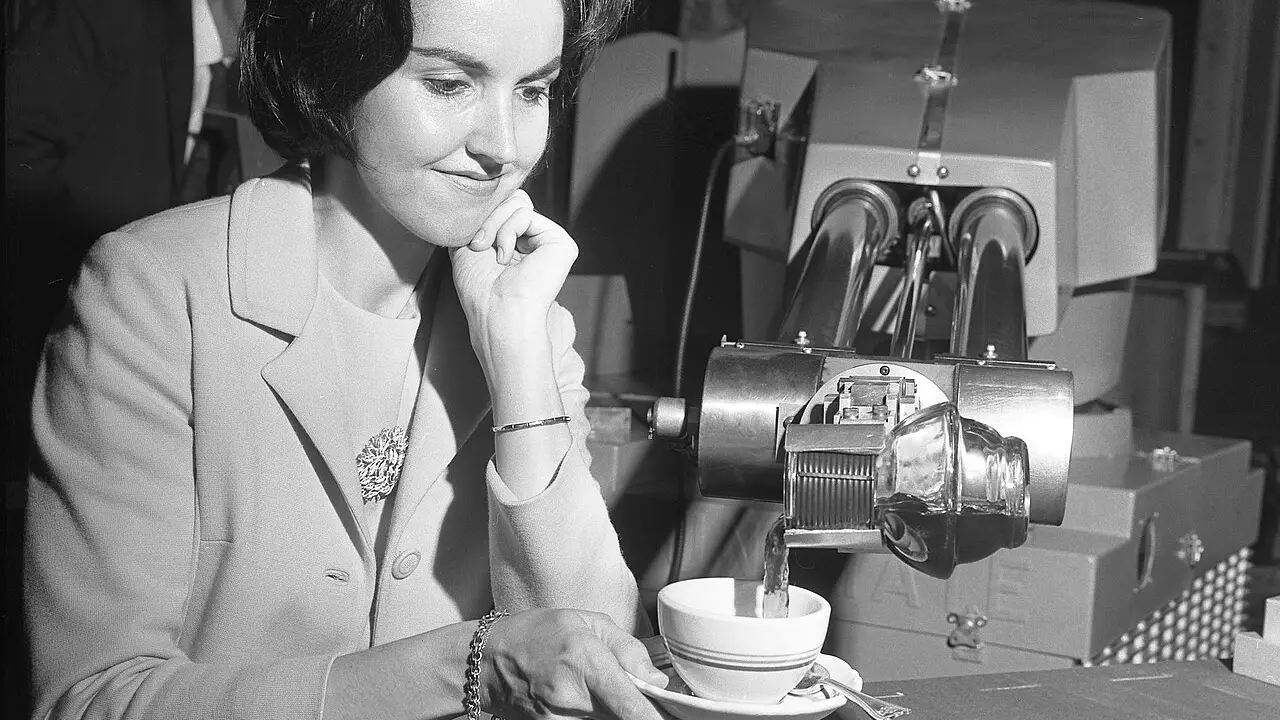
In 1961 a Unimate robot began unloading a die-casting press at a General Motors plant in Trenton, New Jersey, becoming the first industrial robot on an assembly line and opening factory work to automation.