Google acquires Boston Dynamics
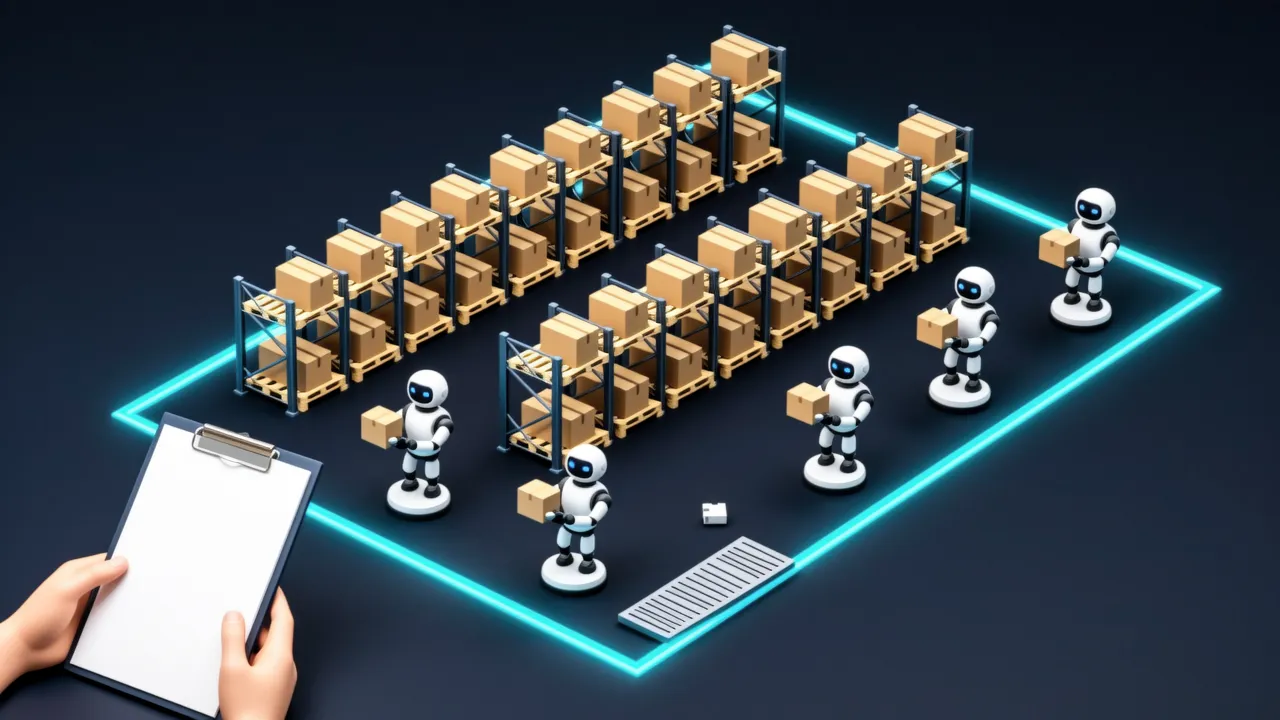
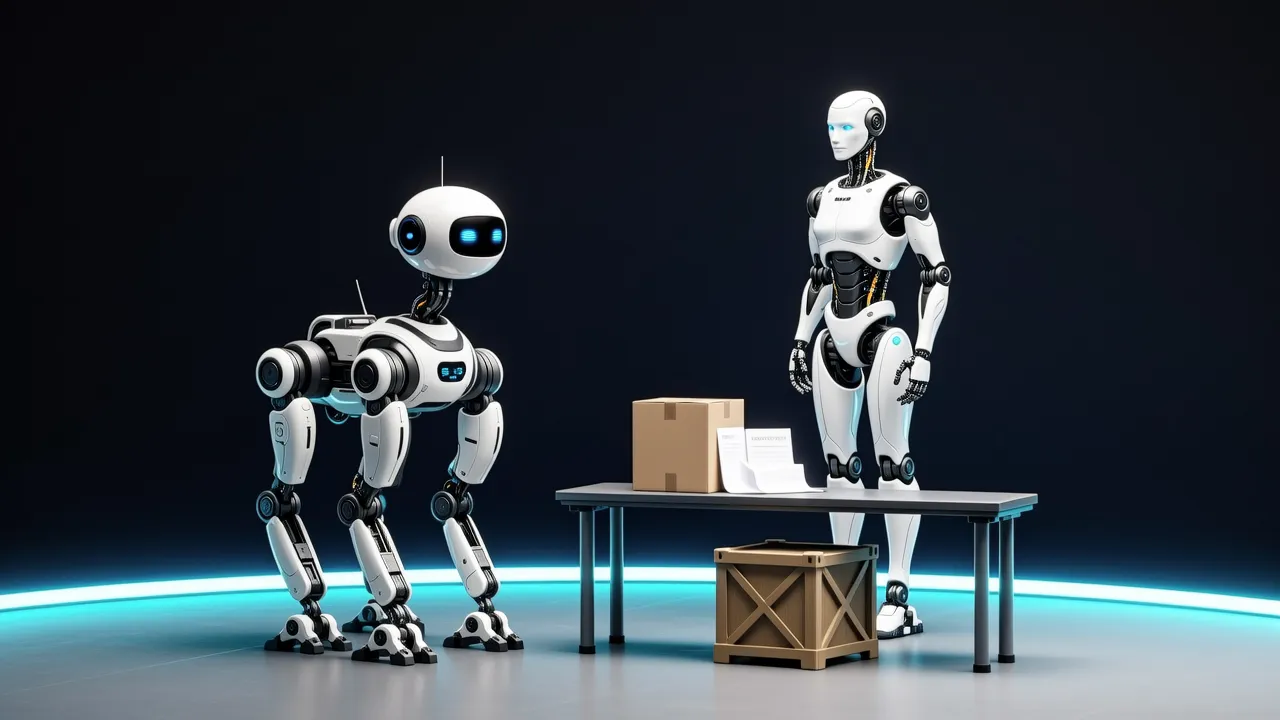
In December 2013 Google confirmed it had completed its acquisition of Boston Dynamics, the eighth robotics company it had bought in six months, as part of a robotics effort led by Andy Rubin.
Total 1,098
In December 2013 Google confirmed it had completed its acquisition of Boston Dynamics, the eighth robotics company it had bought in six months, as part of a robotics effort led by Andy Rubin.
ICLR was founded in 2012 by Yann LeCun and Yoshua Bengio, and first met in Scottsdale, Arizona, in May 2013, with paper decisions posted publicly on OpenReview.
In March 2013 the University of Toronto announced that Google had acquired DNNresearch, a start-up incorporated in 2012 by Geoffrey Hinton and two of his graduate students for work on deep neural networks.
In 2013 the ILSVRC classification task was won by Clarifai with an ensemble of convolutional networks at 11.7% top-5 error, while OverFeat won localisation. Zeiler and Fergus's visualization paper, also reporting ImageNet results, appeared the same month.
On 25 October 2012, Microsoft's Rick Rashid demonstrated a system in Tianjin that turned his spoken English into computer-generated Chinese speech, built on deep neural networks that sharply cut recognition errors.
In October 2012 AlexNet, a deep neural network built by a University of Toronto team, won the ImageNet image-classification challenge by a wide margin. Its result showed that large neural networks trained on GPUs could outperform hand-designed vision methods.
In September 2012 Rethink Robotics unveiled Baxter, a robot with sensors and software to help it see and understand its environment, priced at $22,000 and set to go on sale in October 2012.
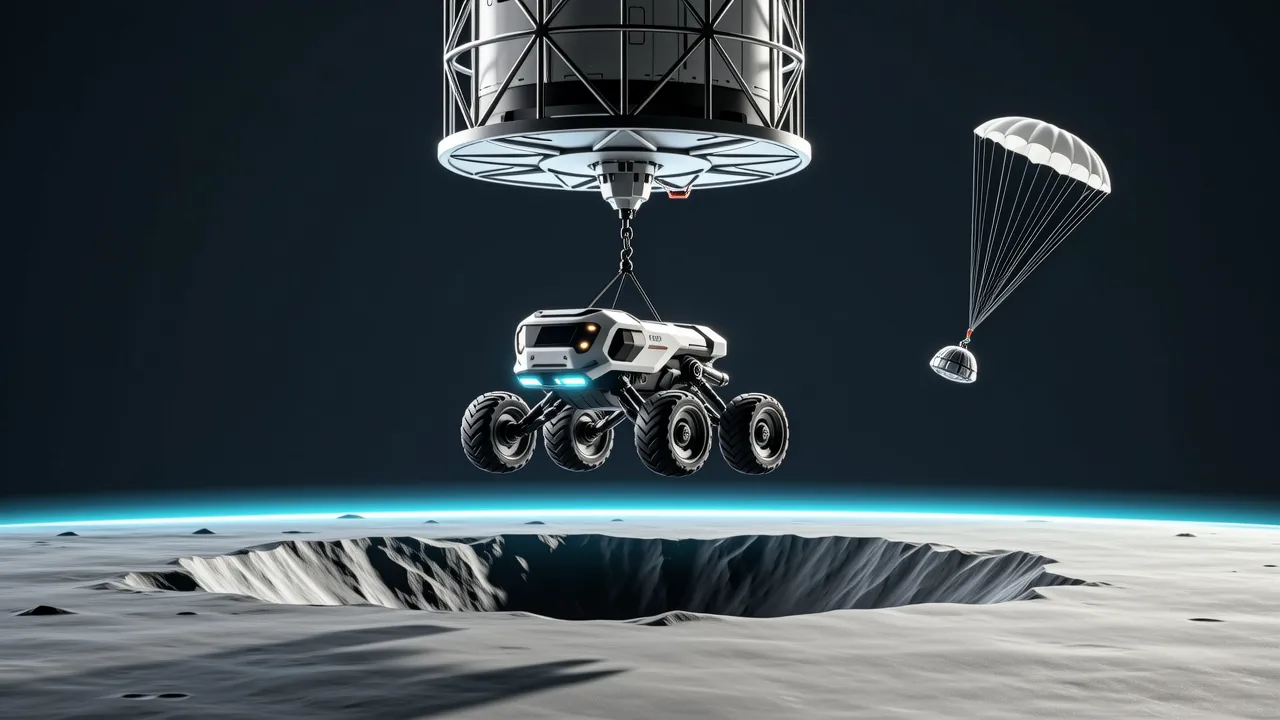
NASA's Curiosity rover landed on the floor of Gale Crater on 6 August 2012 Universal Time, lowered on a tether by a rocket-powered descent stage that then cut the cords and flew off to a controlled crash.
A Kaggle competition run in August–October 2012 in which competitors predicted molecules' biological activities from numerical descriptors of their chemical structures; a deep-learning team led by Geoffrey Hinton took first place.
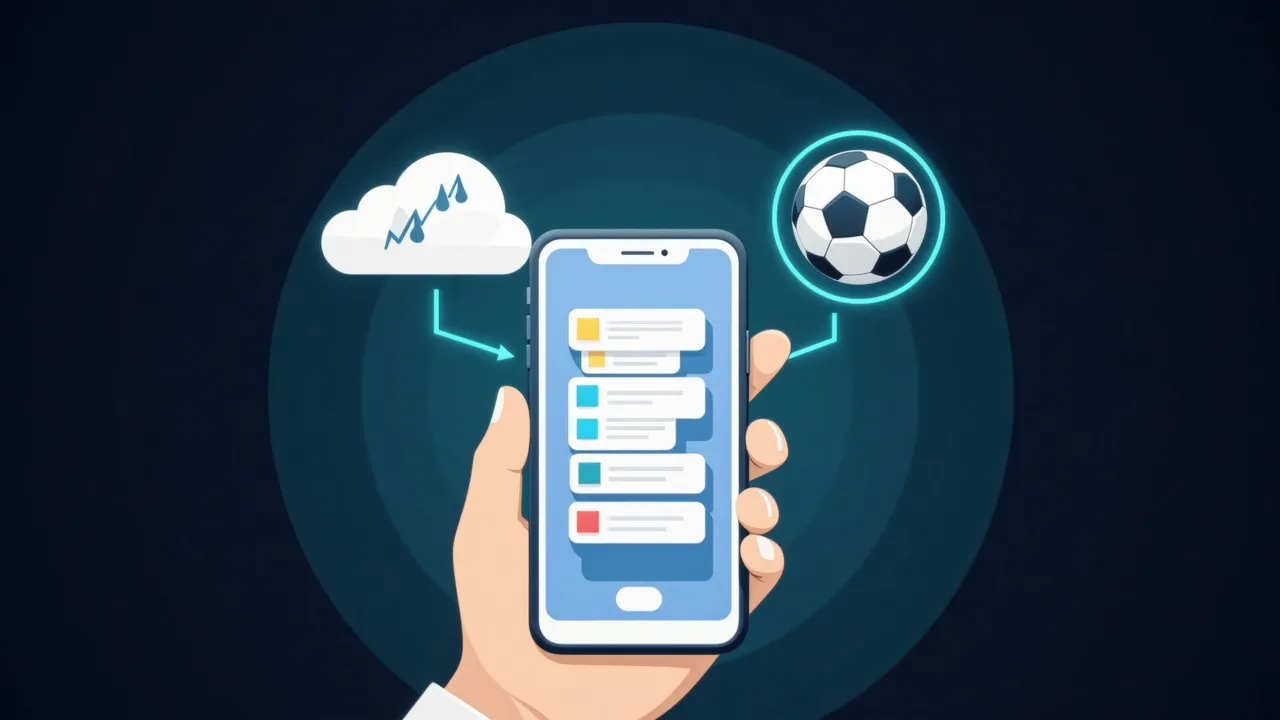
Google announced Google Now at its I/O conference in June 2012, presenting it as an Android search experience that shows cards like weather, traffic and sports scores without the user searching. It arrived alongside Android 4.1 Jelly Bean and the Nexus 7 tablet.
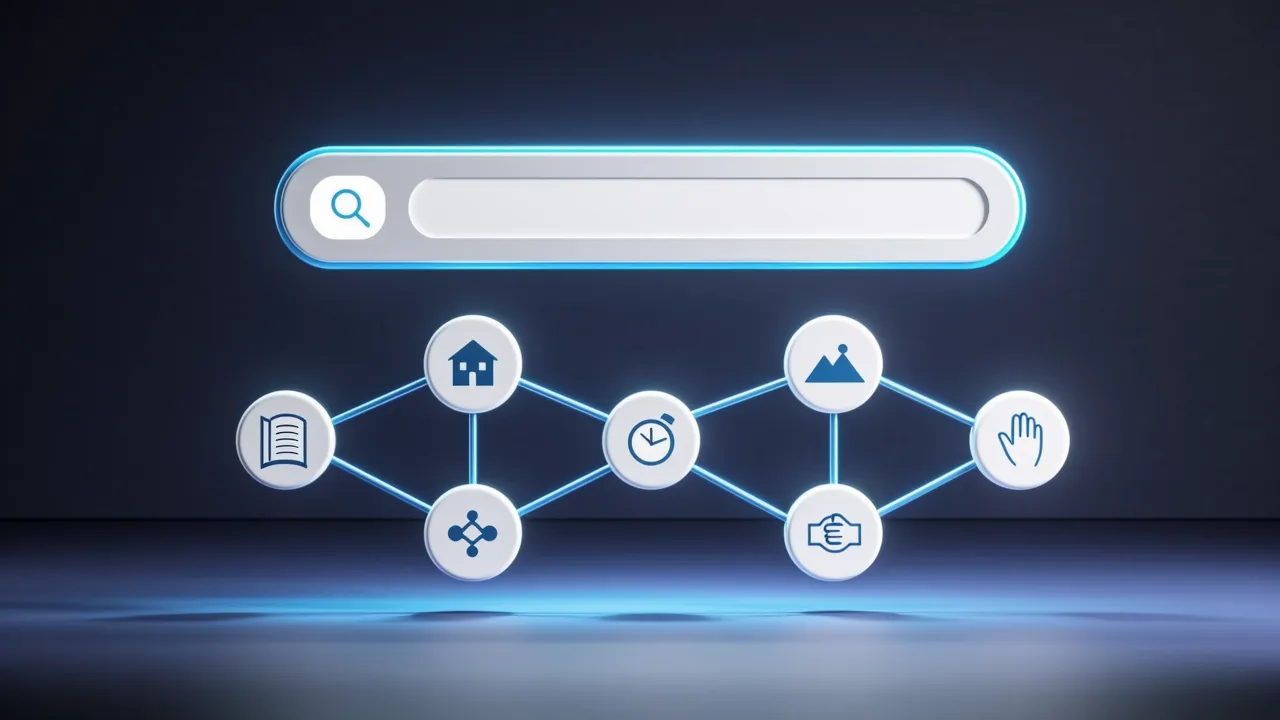
On 16 May 2012 Google announced the Knowledge Graph, an attempt to move search from matching strings to identifying entities; at launch it held more than 500 million objects.
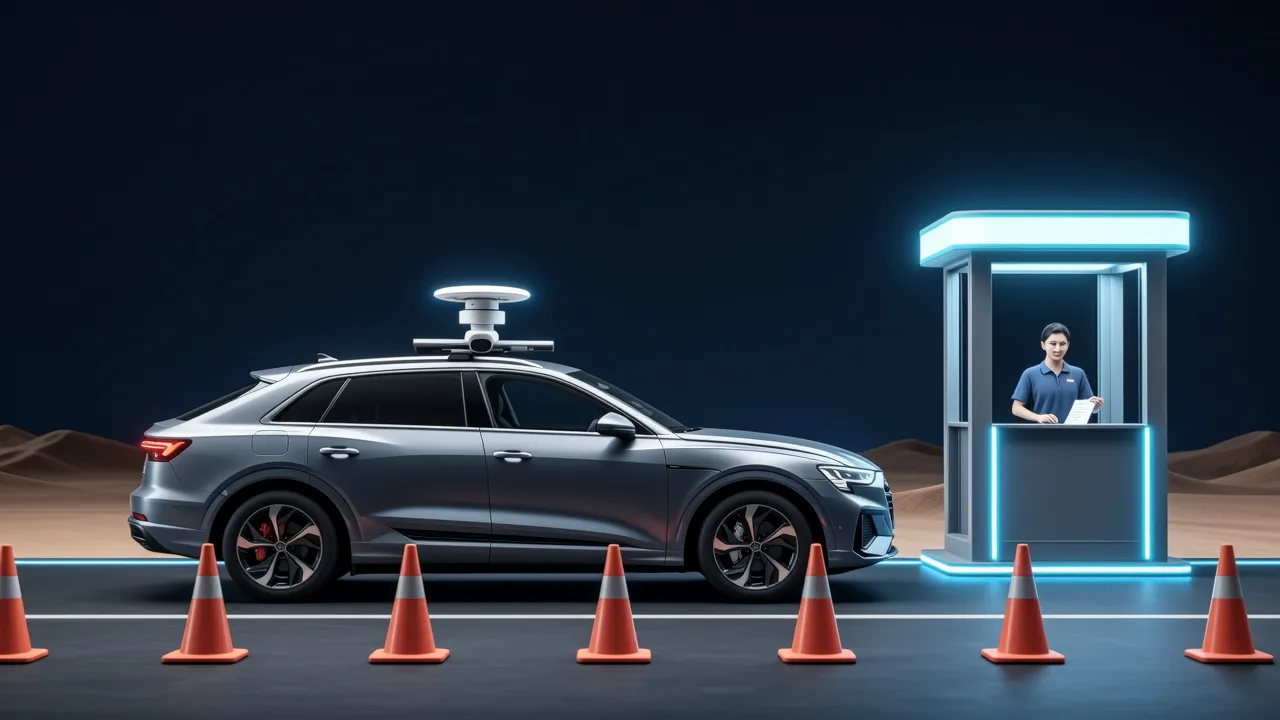
On 7 May 2012 Nevada's DMV issued the first US licence for an autonomous vehicle, a Toyota Prius fitted with Google's self-driving technology, after tests on highways, Carson City streets and the Las Vegas Strip.
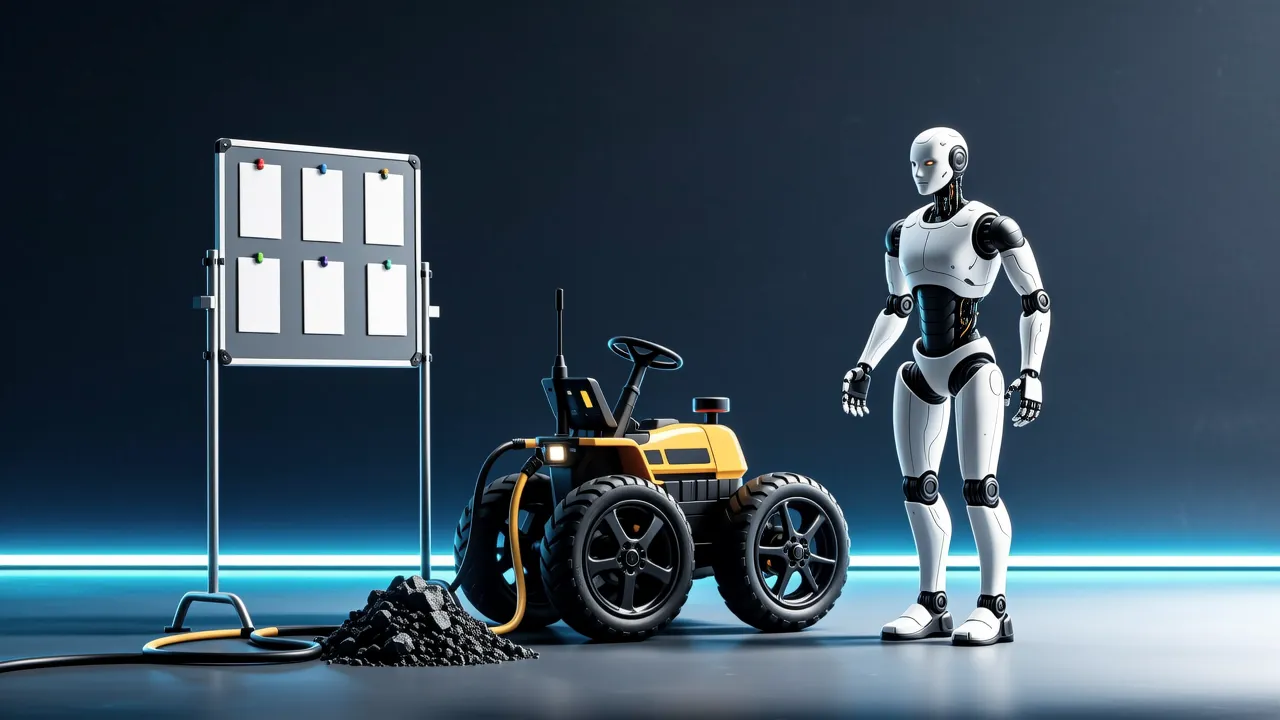
On 10 April 2012 DARPA announced a challenge to build ground robots that can carry out complex tasks in dangerous, degraded, human-built environments, backing it with a $2 million prize and a list of tasks from driving a vehicle to closing a valve.
In March 2012 Amazon agreed to buy Kiva Systems, a maker of warehouse robots used by large retailers, for about $775 million in cash — the company's second-largest acquisition at the time.
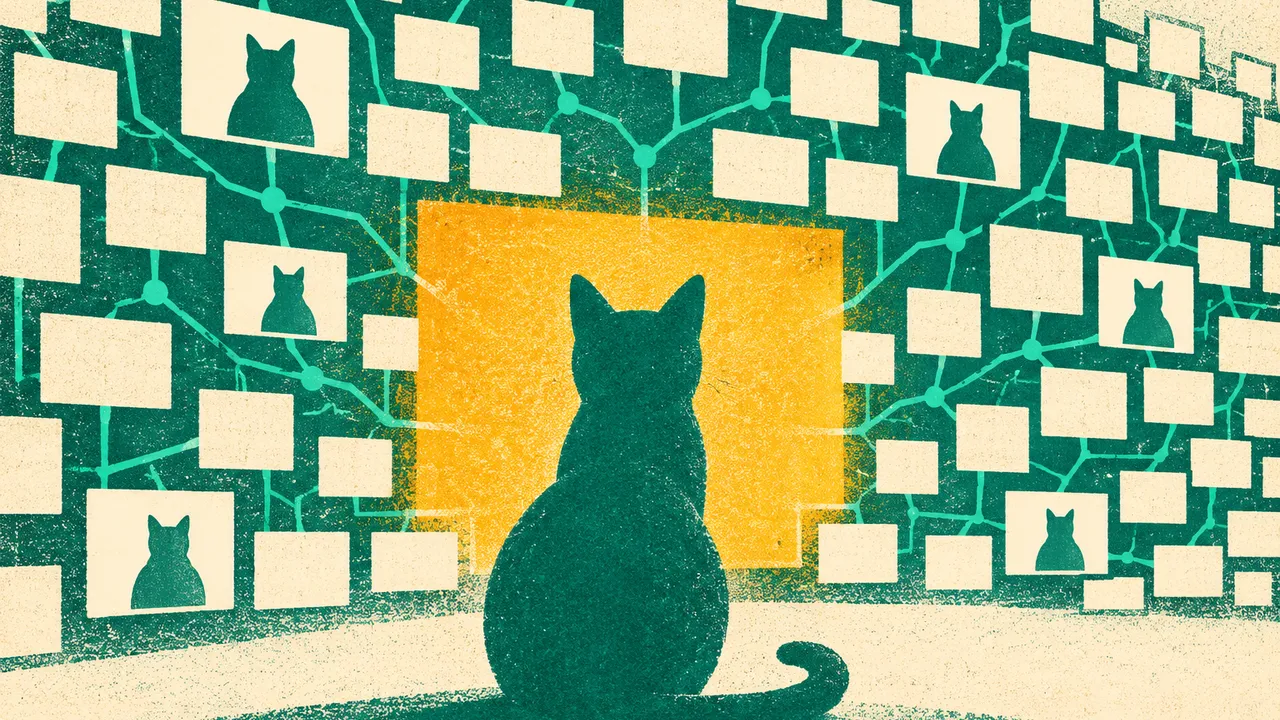
A Google Research team trained a 9-layer sparse autoencoder on 10 million unlabeled images, reported a face detector learned without face labels, and reached 15.8% accuracy on 20,000 ImageNet categories.
In December 2011, Wolfram Alpha began answering product-shopping questions for Siri users, querying Best Buy's catalogue of 35,000 consumer products so an iPhone assistant could return prices, features and comparisons from a spoken request.
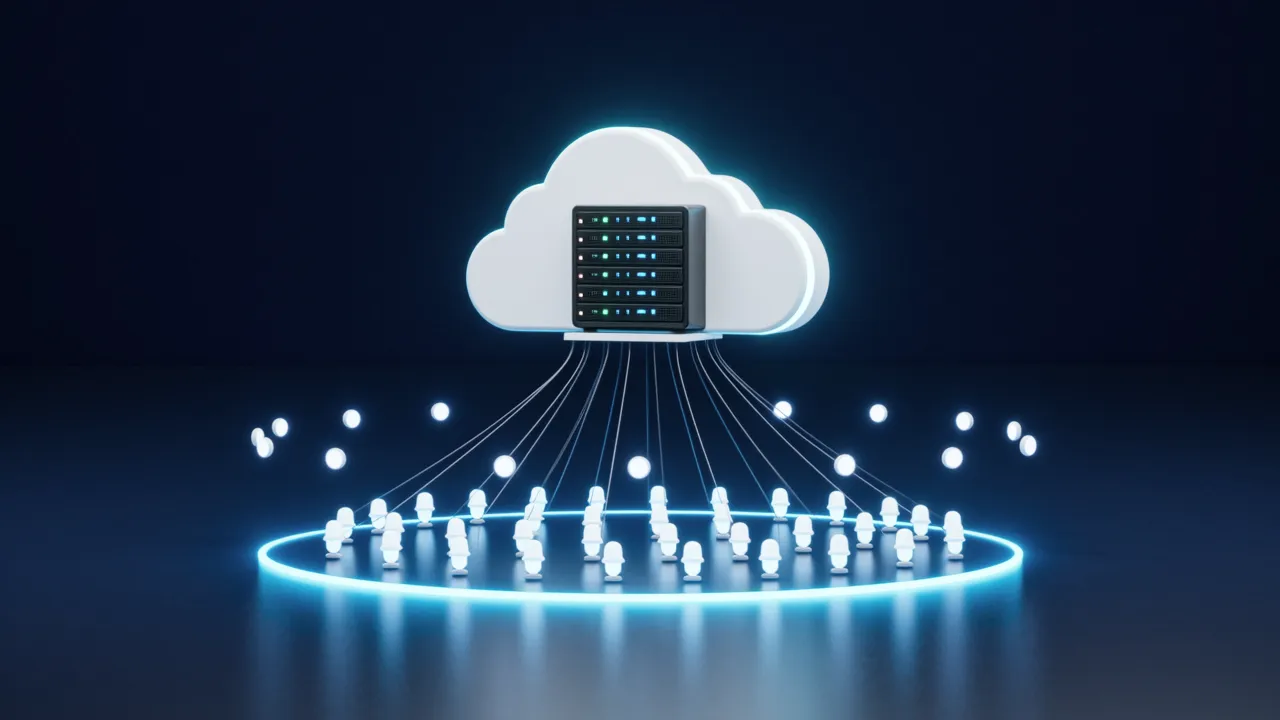
In December 2011, iFlytek said its voice cloud passed ten million total users, after its cloud-based voice input method won awards and received MIIT recognition as a secure, controllable cloud computing solution.
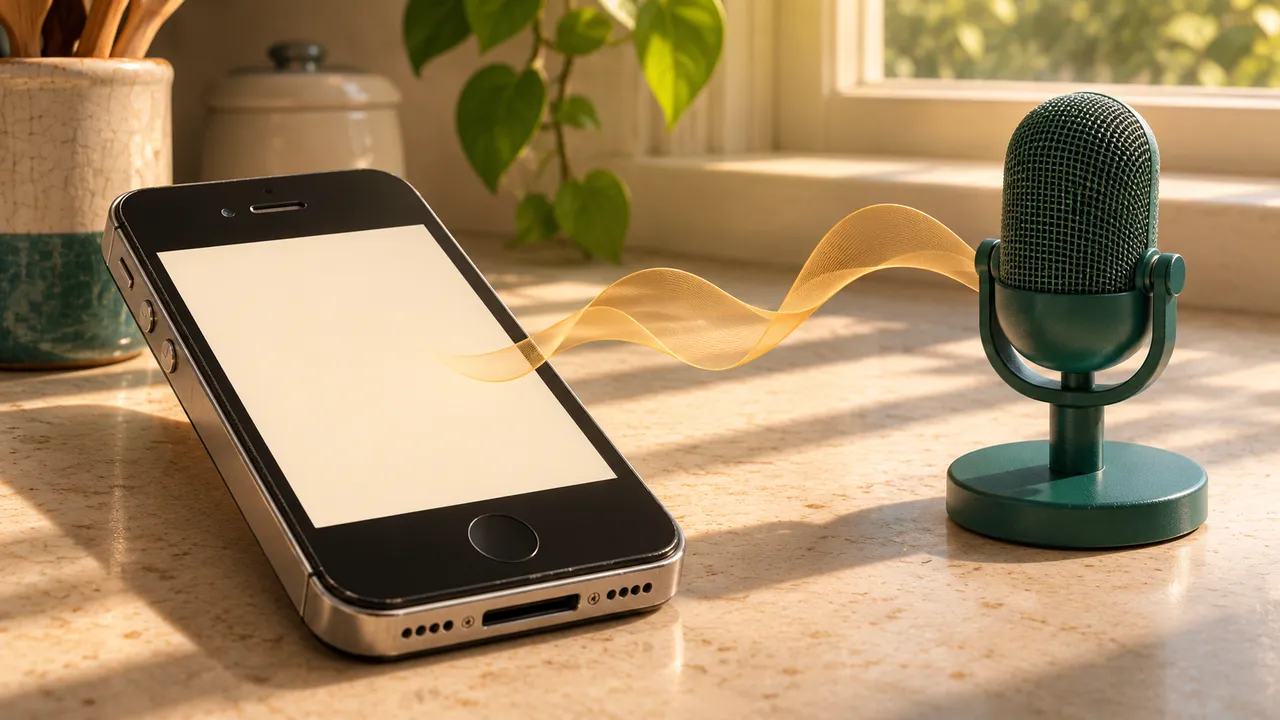
On 14 October 2011 Apple released the iPhone 4S with Siri built in, turning a research project born at SRI International and shaped by a DARPA program into a conversational assistant on ordinary phones.
On October 10, 2011, Stanford Engineering opened three free online computer science courses — databases, machine learning and artificial intelligence — to anyone online. Enrolments ran from 66,000 to an unprecedented 160,000 students from over 190 countries, without Stanford credit.
On 27 September 2011 the National Engineering Laboratory for Speech and Language Information Processing was unveiled at USTC, jointly built with iFlytek to connect speech research, product testing and standards work.
On September 12, IBM named WellPoint as the first partner building commercial Watson applications, aimed at evidence-based medicine for physicians, with clinical pilots planned for early 2012.