Google launches Voice Search
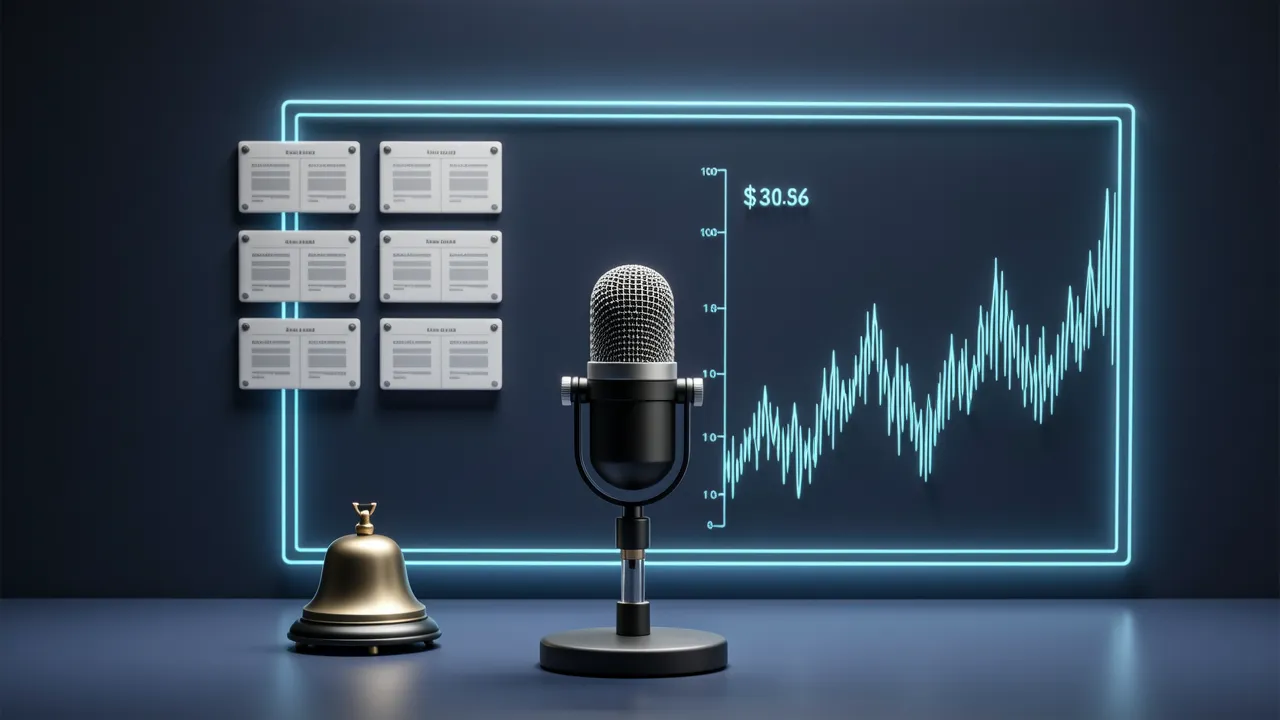
On 17 November 2008 Google added voice search to its Google Mobile App for iPhone, letting U.S. English users speak a web query instead of typing it.
Total 1,098
On 17 November 2008 Google added voice search to its Google Mobile App for iPhone, letting U.S. English users speak a web query instead of typing it.
On 12 May 2008 iFlytek, a speech-technology company founded by university students, listed on the Shenzhen Stock Exchange's SME board, becoming China's only listed intelligent-speech firm at the time after choosing the A-share market over Nasdaq.
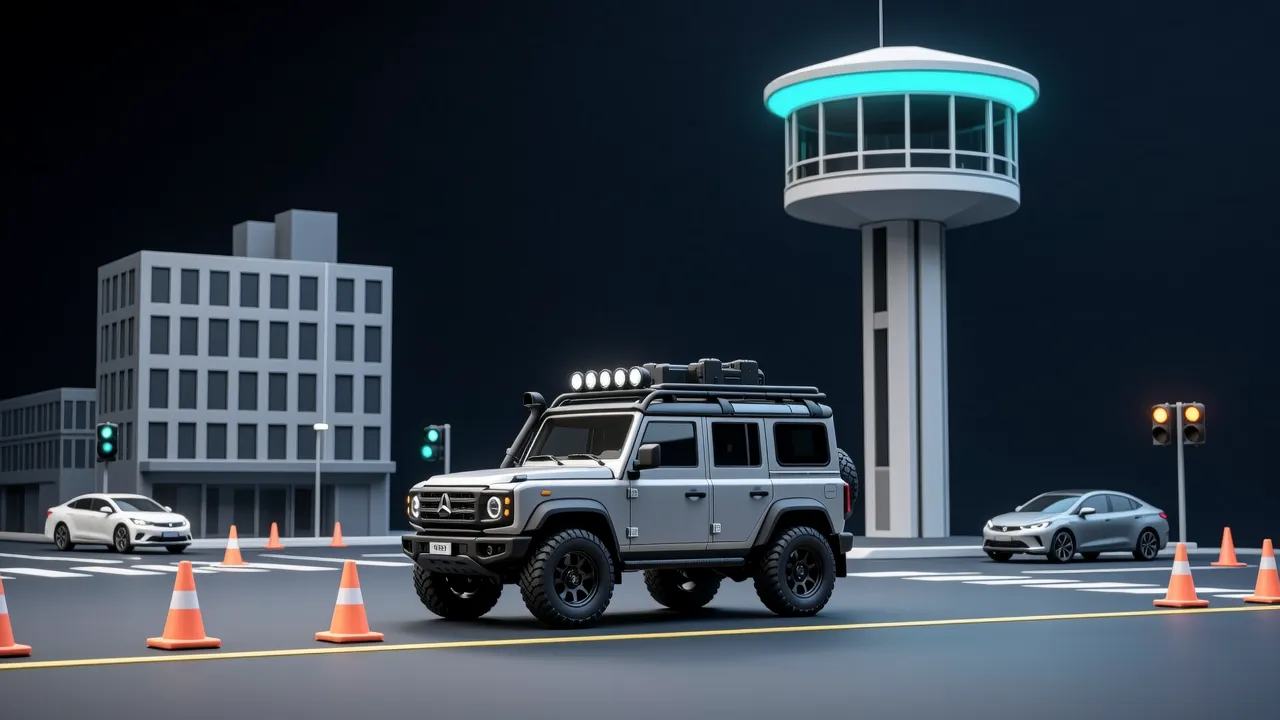
On 3 November 2007, self-driving vehicles raced through a staged city course at the former George Air Force Base in California; Carnegie Mellon's Tartan Racing won with Boss, a modified Chevy Tahoe, and six teams finished the full course.
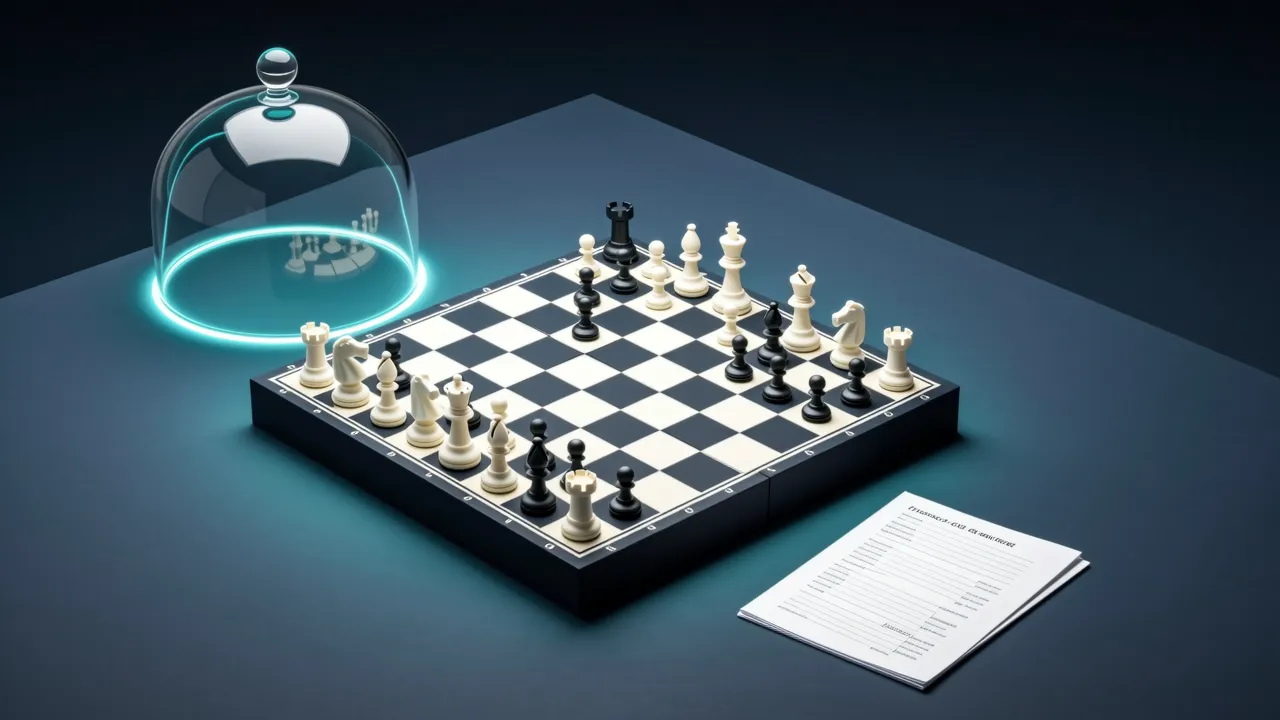
On 19 July 2007 the University of Alberta announced that its Chinook program had solved checkers: with perfect play by both sides the game is always a draw, and the program can be drawn but never beaten.
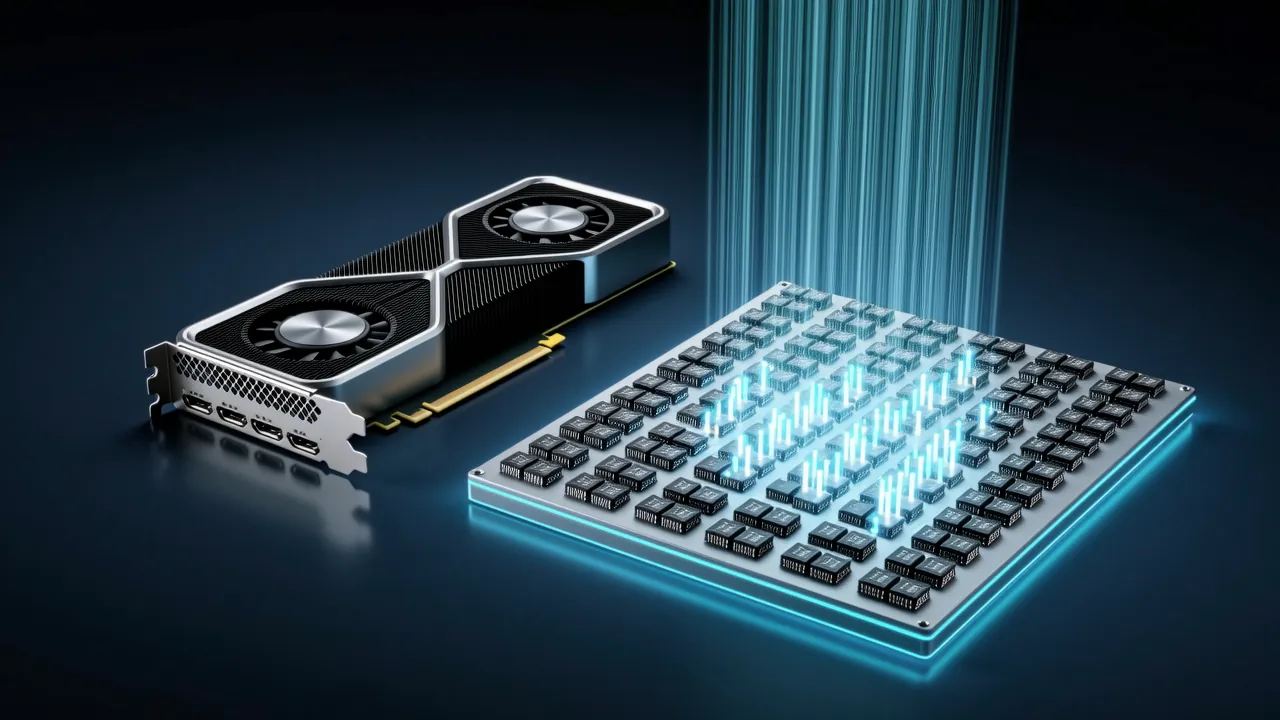
CUDA is NVIDIA's software platform for running general-purpose programs on GPU cores. CUDA Toolkit 1.0 shipped in June 2007, turning graphics chips into parallel processors for science and later for deep learning.
In 2007 IBM Research began building a computer that could take on Jeopardy! champions. The project produced the DeepQA architecture and Watson, which beat the show's two top-ranked players in 2011.
AI@50 was a 2006 conference at Dartmouth College marking fifty years since the 1956 Dartmouth Summer Research Project, where the term "artificial intelligence" had been coined. Several of the original participants returned for three days of talks.
On 28 April 2006 Google announced a statistical machine translation approach, and Google Translate launched as a service built on it — the start of free web translation for a mass audience.
An open competition run by Netflix from 2006 to 2009 that offered $1,000,000 to any team able to improve its movie recommendation algorithm by 10%, and released 100 million anonymous ratings for contestants to work with.
Geoffrey Hinton dated the current popularity of "deep learning" to a 2006 paper on deep belief nets, but the same words had earlier uses, including Rina Dechter's work in 1986.
On 8 October 2005 Stanford's Stanley won the second DARPA Grand Challenge, completing a 212 km desert course in under seven hours and becoming the first autonomous vehicle to finish the event.
In June 2005 IBM and EPFL announced the Blue Brain Project, a two-year effort to model the neocortical column of a rodent on a Blue Gene supercomputer, launched by Henry Markram and backed by the Swiss Confederation.
Amazon's crowdsourcing marketplace, launched in 2005, lets requesters post small jobs called HITs that workers around the world complete for a fee. ImageNet's builders used it to verify images.
The first DARPA Grand Challenge, held on 13 March 2004, offered USD 1 million for a driverless vehicle that could cross the desert course in under ten hours. Fifteen vehicles started; none finished, and the prize went unawarded.
On 10 February 2004 the W3C approved RDF and OWL as Recommendations, making the two Semantic Web specifications official Web standards for machine-readable data.
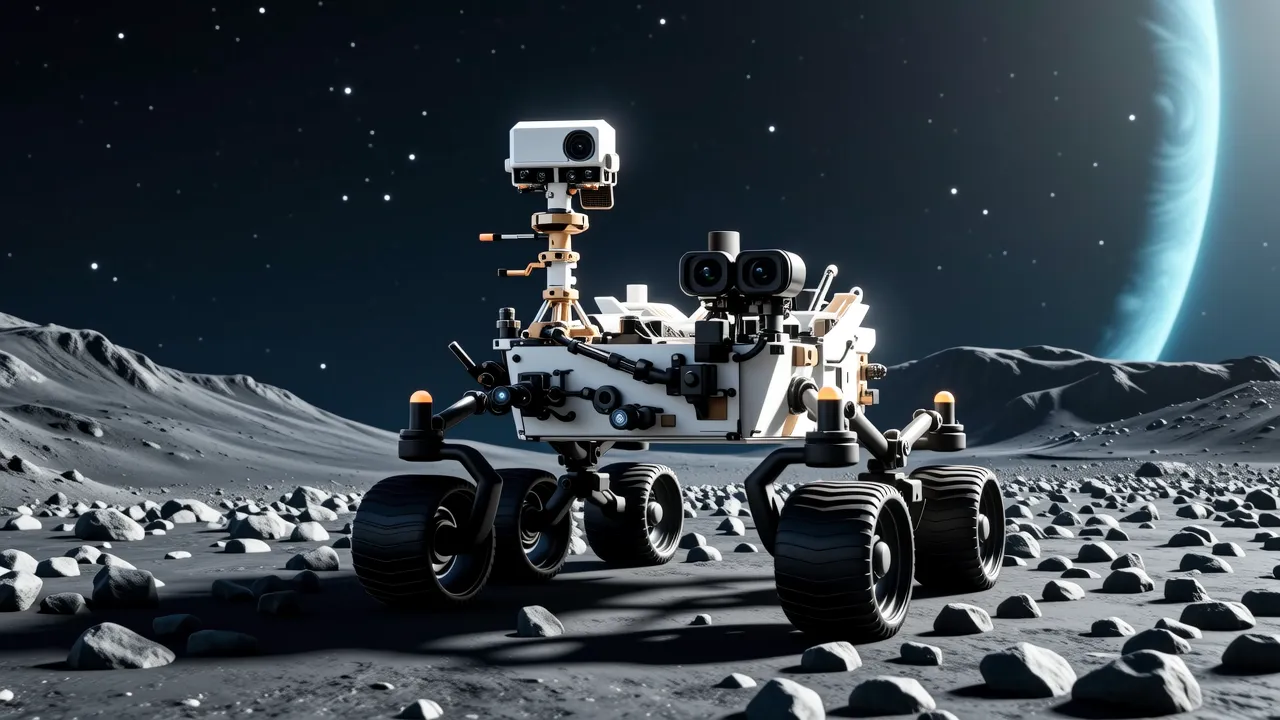
In January 2004 NASA's Spirit and Opportunity landed on Mars carrying autonomous navigation software. The mission was planned around about one kilometre of driving; the rovers went much farther, with a large share of their early driving decided on Mars rather than on Earth.
A 2004 CIFAR research program proposed by Geoffrey Hinton with Yoshua Bengio and David Fleet, which CIFAR describes as the starting point of the deep learning era and the predecessor of today's Learning in Machines & Brains program.
In 2003 DARPA launched the PAL program to build cognitive assistants that could manage email and calendars, and SRI began CALO, its own large component of that effort.
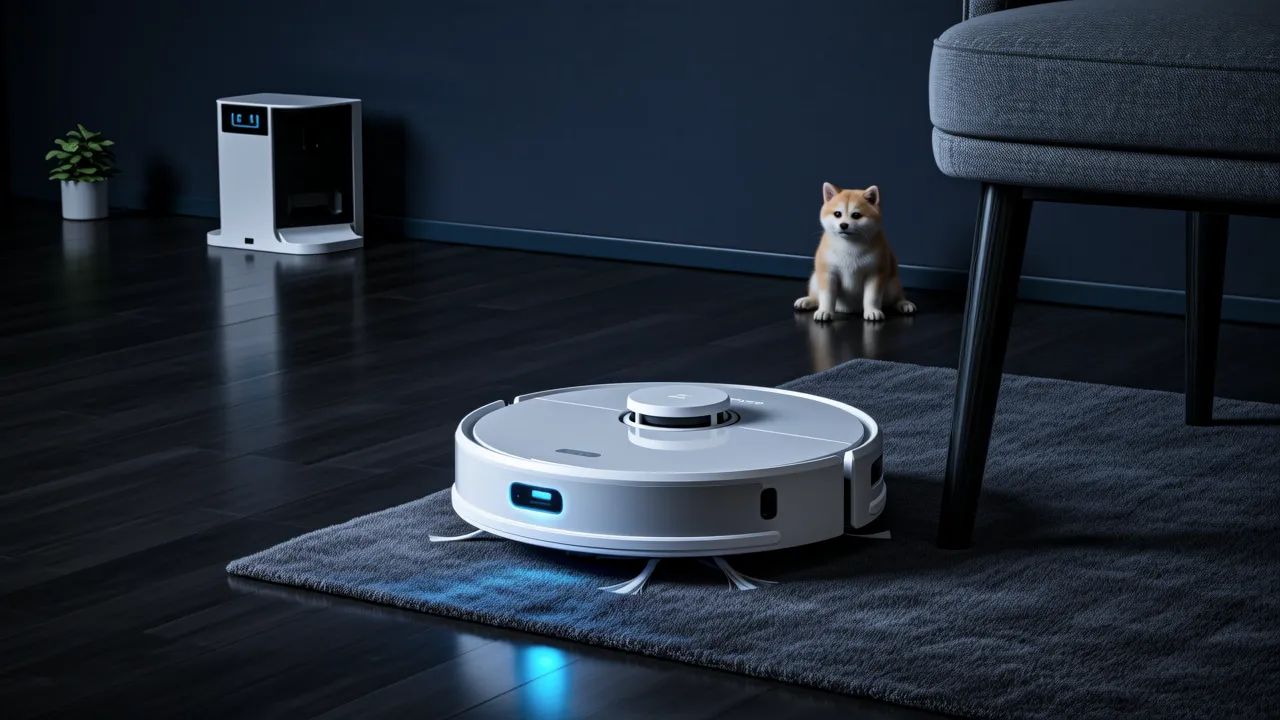
In September 2002 iRobot unveiled Roomba, a home robot vacuum that became the company's first mass-market product and, by one account, created the consumer robot vacuum category.
On 1 November 2001 the W3C started the Web Ontology Working Group, which developed OWL and saw it become a W3C Recommendation on 10 February 2004, before closing in May 2004 having completed its charter.
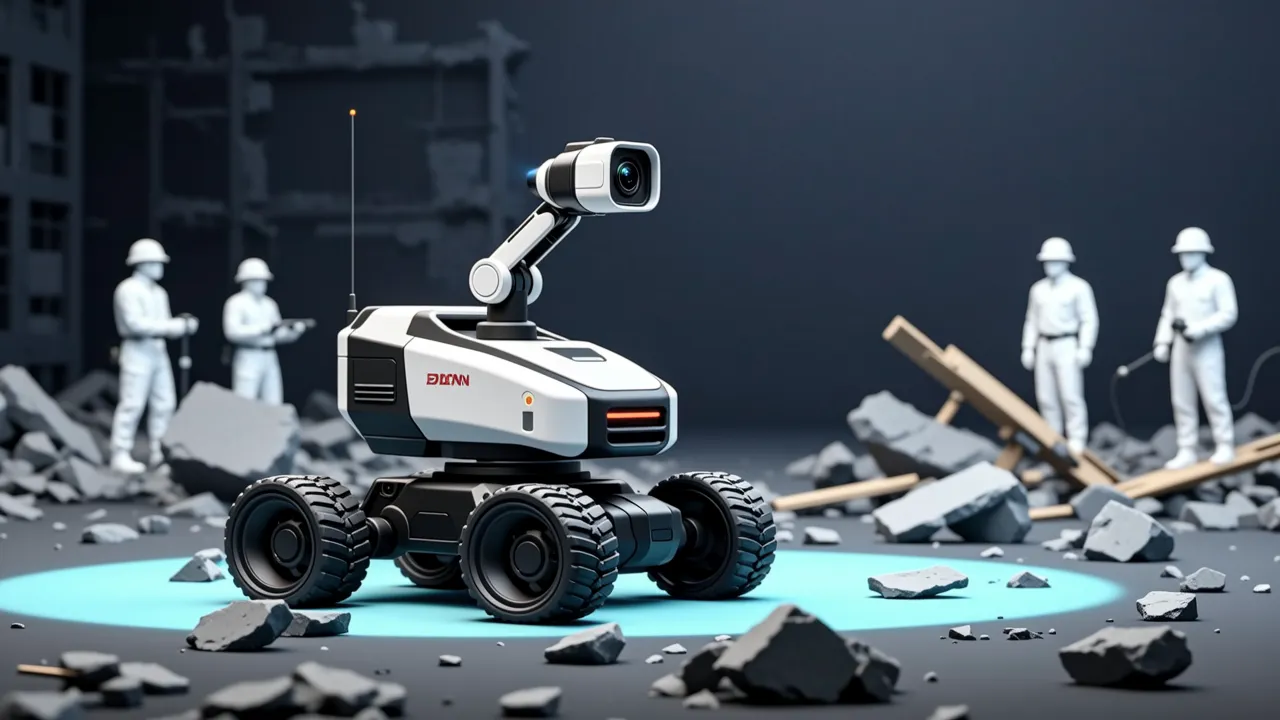
In 2001 iRobot's PackBot carried out search operations at the World Trade Center site after the September 11 attacks; the machine grew out of a 1998 DARPA tactical-robot contract, and the US military first deployed it the following year.